
Nutrition comparison
Garbanzo Beans vs Black Beans: Nutrition, Satiety, and Health Comparison
Compare Garbanzo Beans and Black Beans side by side. Discover which bean is better for blood sugar, weight loss, protein intake, and daily nutrition with practical tradeoffs.
Overall winner · Black Beans
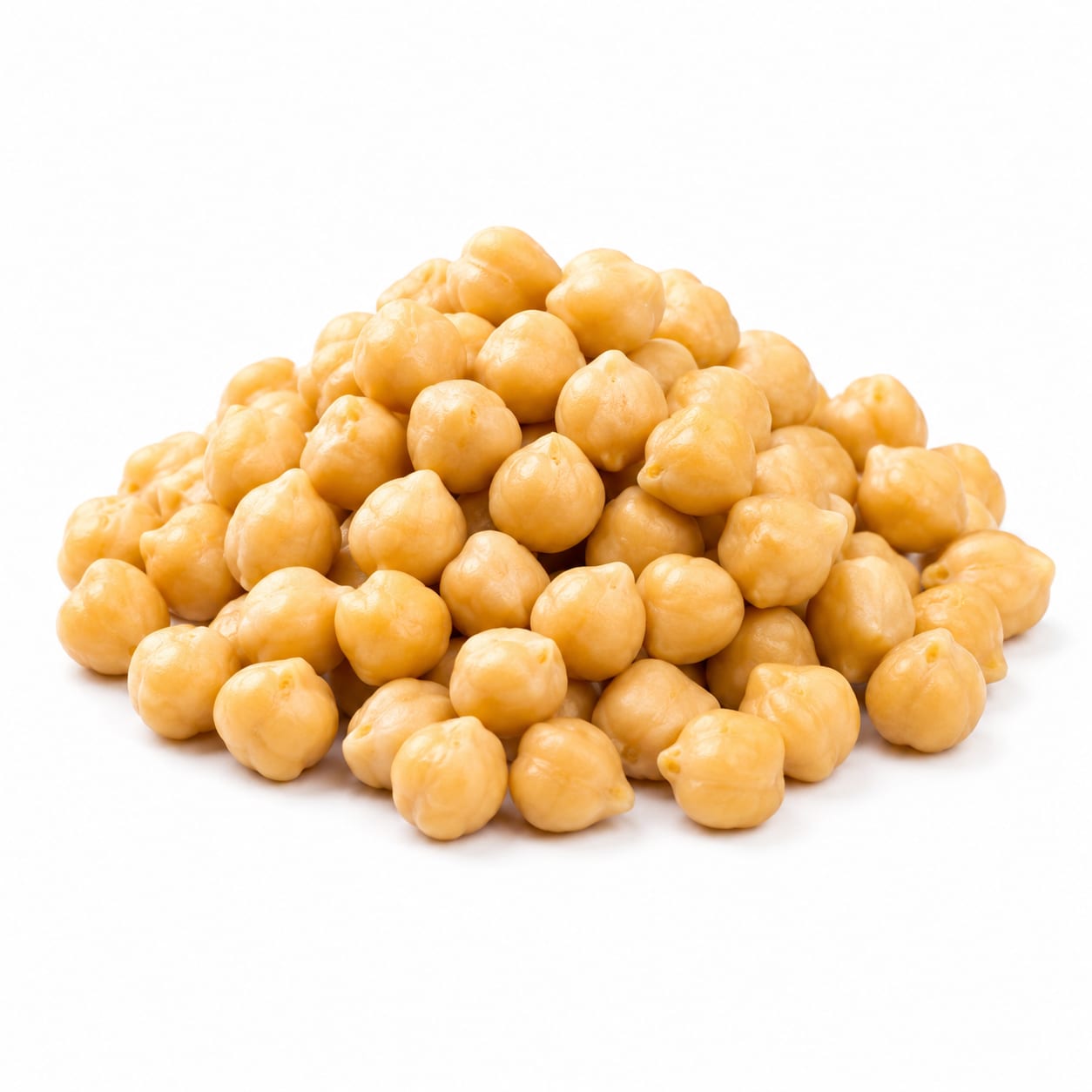
Garbanzo Bean
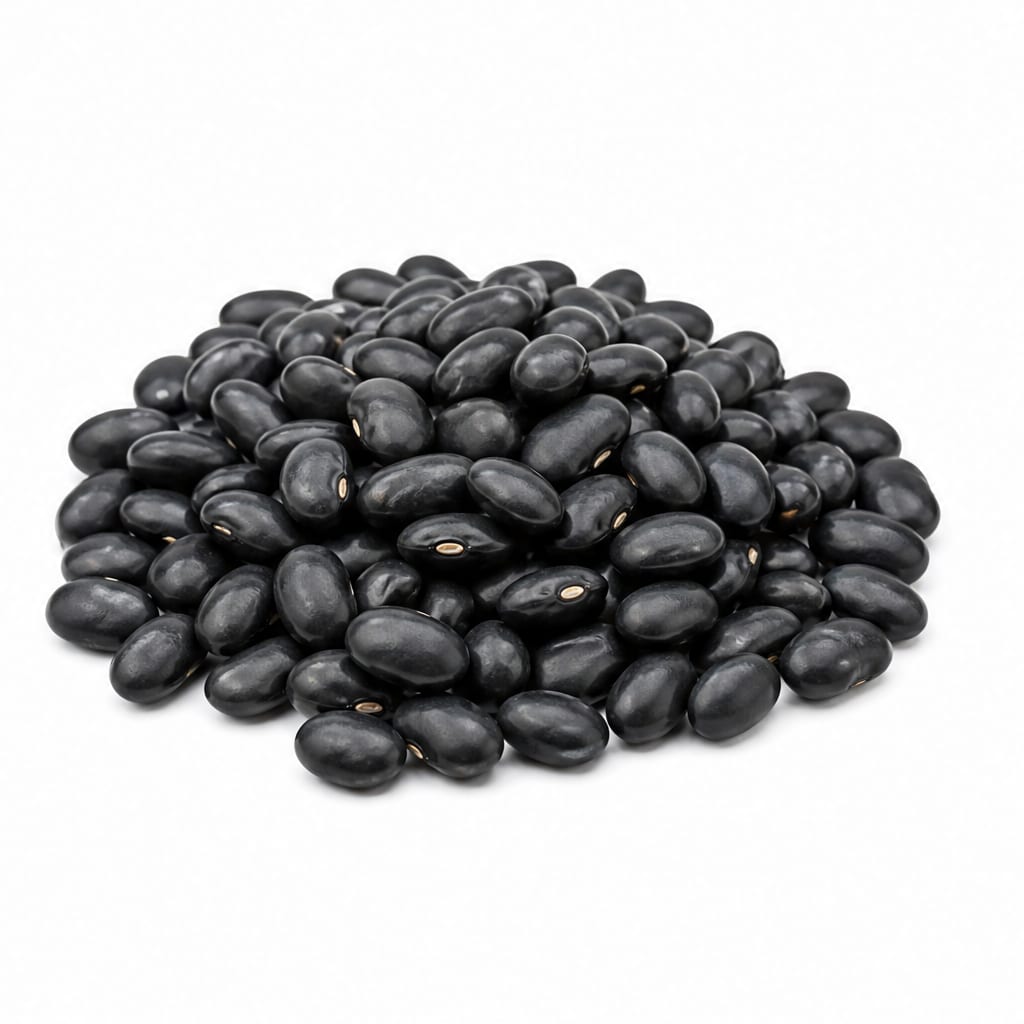
Black Beans
Black Beans edge ahead with more fiber, more protein per calorie, and a lower glycemic impact, but Garbanzo Beans offer superior versatility and slightly easier digestion for sensitive stomachs.
Black Beans score higher due to superior fiber density, lower glycemic impact, and richer antioxidant content. Garbanzo Beans remain strong with better culinary flexibility and slightly gentler digestion, keeping the gap moderate rather than large.
Black Beans deliver better metabolic and satiety benefits, while Garbanzo Beans are easier to incorporate into diverse meals and may be gentler on digestion.
At a glance
Executive summary
Overall
Black Beans
Healthier
Black Beans
More practical
Garbanzo Bean
Daily use
Black Beans
Key comparison lenses
blood sugar management
Both are legumes with different glycemic impacts, a key decision factor for many consumers
protein and fiber density
Small differences in protein-to-calorie ratio and fiber content drive satiety and meal planning choices
antioxidant and anti-inflammatory benefits
Black beans offer anthocyanins not found in garbanzo beans, making this a meaningful differentiator
culinary versatility and meal integration
Garbanzo beans shine in hummus and global cuisines while black beans dominate Latin dishes
digestive tolerance
Legumes cause bloating for many; subtle differences in fiber type affect comfort
Best choice for
Garbanzo Bean
- People with sensitive digestion who find other beans too gas-producing
- Anyone meal-prepping hummus, curries, or Mediterranean bowls
- Those wanting a milder-flavored bean that absorbs seasonings easily
- Home cooks seeking maximum recipe versatility from one ingredient
Black Beans
- People managing blood sugar or insulin resistance
- Anyone prioritizing fullness and appetite control on fewer calories
- Those seeking maximum antioxidant and anti-inflammatory support
- Individuals following Latin American or Caribbean cuisine traditions
Least suitable for
Garbanzo Bean
- People strictly limiting carbohydrate intake
- Those needing maximum fiber per calorie for gut health
Black Beans
- People with severe IBS who react to darker, fiber-dense legumes
- Anyone unaccustomed to cooking dried beans and finding the firm texture challenging
Deep comparison
Dimension by dimension
Each lens scores both foods and breaks down who each option suits.
- Dimension 1 · Priority 92Black Beans
blood sugar stability
Garbanzo Bean · 72Black Beans · 88Black Beans have a meaningfully lower glycemic index, causing slower and steadier blood sugar rises after meals.
Tradeoff
Garbanzo Beans provide quicker energy from their higher carb content, which can be useful post-workout but less ideal for sustained glucose control.
Why it matters
Steadier blood sugar means fewer energy crashes, reduced cravings, and better long-term metabolic health.
Real-world impact
A lunch with Black Beans keeps you satisfied until dinner. A similar portion of Garbanzo Beans may leave you reaching for a snack an hour sooner.
Garbanzo Bean
- Post-workout recovery meals needing faster carb replenishment
Better for
- Sedentary evenings when slower energy release is preferable
Worse for
Black Beans
- Anyone with prediabetes or insulin resistance
- People trying to minimize afternoon energy crashes
- Those pairing beans with high-glycemic foods to blunt the spike
Better for
- Immediately after intense exercise when faster glycogen replenishment helps
Worse for
- Dimension 2 · Priority 90Black Beans
fiber and satiety
Garbanzo Bean · 75Black Beans · 89Black Beans pack more fiber per calorie, making them more filling and better for gut health over time.
Tradeoff
Garbanzo Beans still offer solid fiber but require a larger portion to match the fullness effect of Black Beans.
Why it matters
Higher fiber per calorie means you eat less but feel just as satisfied, which supports weight management effortlessly.
Real-world impact
A cup of Black Beans in a burrito bowl keeps you full for hours. The same portion of Garbanzo Beans may feel slightly less substantial.
Garbanzo Bean
- Lighter meals where you want fiber without feeling overly stuffed
Better for
- Large meals where you want maximum satiety from a single scoop
Worse for
Black Beans
- Weight loss diets where maximizing fullness per calorie matters
- Gut health protocols targeting microbiome diversity
- High-volume eaters who want to feel physically full
Better for
- Small appetites where the denser fiber load feels uncomfortable
Worse for
- Dimension 3 · Priority 85Black Beans
antioxidant and anti-inflammatory power
Garbanzo Bean · 65Black Beans · 90Black Beans are rich in anthocyanins, the same dark pigments found in blueberries, giving them a major antioxidant advantage.
Tradeoff
Garbanzo Beans offer some antioxidants but lack the concentrated pigment compounds that make Black Beans stand out.
Why it matters
Chronic inflammation drives aging and disease. Anthocyanin-rich foods are one of the simplest dietary defenses.
Real-world impact
Regularly eating Black Beans is like adding a serving of berries to your week, just in savory form.
Garbanzo Bean
- Meals where antioxidant content is already covered by other colorful ingredients
Better for
- Diets low in colorful produce where every antioxidant source counts
Worse for
Black Beans
- Anti-inflammatory eating patterns like Mediterranean or MIND diets
- Anyone with chronic inflammation concerns
- People who do not eat berries regularly and need anthocyanin sources
Better for
- Situations where the dark color bleeds into the whole dish and is visually unappealing
Worse for
- Dimension 4 · Priority 82Black Beans
protein density
Garbanzo Bean · 74Black Beans · 83Black Beans deliver slightly more protein per calorie, making them a more efficient protein source within a calorie budget.
Tradeoff
The difference is modest. Garbanzo Beans still provide respectable protein, especially for plant-based eaters.
Why it matters
When most of your protein comes from plants, every gram per calorie matters for maintaining muscle and staying lean.
Real-world impact
Over a week of daily bean consumption, Black Beans give you the equivalent of an extra small protein serving without extra calories.
Garbanzo Bean
- Meals where protein is already abundant from other sources like eggs or tofu
Better for
- Plant-based diets where protein efficiency is a daily concern
Worse for
Black Beans
- Vegans and vegetarians optimizing protein intake
- Athletes tracking macros who want efficient protein sources
Better for
- Meals where the protein difference is negligible compared to total intake
Worse for
- Dimension 5 · Priority 80Garbanzo Bean
culinary versatility
Garbanzo Bean · 90Black Beans · 75Garbanzo Beans adapt to more cuisines and preparations, from hummus and falafel to curries, salads, and even roasted snacks.
Tradeoff
Black Beans excel in Latin American dishes but have a narrower range of natural culinary pairings.
Why it matters
The easier it is to cook with an ingredient, the more often you will actually eat it and reap its benefits.
Real-world impact
Garbanzo Beans can anchor three completely different meals in a week without feeling repetitive. Black Beans tend to steer meals toward similar flavor profiles.
Garbanzo Bean
- Meal preppers who want one bean to use across multiple cuisines
- Families needing kid-friendly options like hummus or roasted chickpea snacks
- Anyone bored with their rotation and wanting more recipe variety
Better for
- Traditional Latin American recipes where the flavor profile feels off
Worse for
Black Beans
- Taco Tuesday enthusiasts and burrito bowl builders
- Anyone cooking Latin American cuisine regularly
Better for
- Global cuisine exploration where the earthy flavor clashes with delicate sauces
Worse for
- Dimension 6 · Priority 75Garbanzo Bean
digestive tolerance
Garbanzo Bean · 80Black Beans · 70Garbanzo Beans are slightly easier to digest for many people, producing less gas and bloating than Black Beans.
Tradeoff
Both are legumes and can cause discomfort if you are not used to them. Proper soaking and cooking reduces this for both.
Why it matters
If eating healthy makes you bloated and uncomfortable, you will not stick with it regardless of nutritional merits.
Real-world impact
Someone transitioning to more plant-based meals may tolerate Garbanzo Beans as a first step before graduating to Black Beans.
Garbanzo Bean
- People new to eating legumes regularly
- Those with mild IBS or sensitive digestion
- Anyone who has avoided beans due to gas concerns
Better for
- People who need maximum fiber and can already handle it
Worse for
Black Beans
- Regular bean eaters with well-adapted gut microbiomes
Better for
- Occasional bean eaters who experience bloating after high-fiber meals
Worse for
- Dimension 7 · Priority 70It depends
mineral density
Garbanzo Bean · 78Black Beans · 80Garbanzo Beans offer more manganese and copper, while Black Beans provide more magnesium and iron. The winner depends on which minerals you need most.
Tradeoff
Neither bean dominates across all minerals. Your personal deficiencies should guide the choice.
Why it matters
Subtle mineral differences compound over months of regular consumption and can nudge your status in meaningful ways.
Real-world impact
If you struggle with muscle cramps or sleep, the extra magnesium in Black Beans matters more. If you need energy metabolism support, Garbanzo Beans have the edge.
Garbanzo Bean
- People needing manganese for bone health and wound healing
- Those focused on copper intake for iron metabolism and energy
Better for
- Those specifically targeting magnesium or iron intake
Worse for
Black Beans
- Anyone with low magnesium, which affects sleep, cramps, and stress
- People needing iron support, especially premenopausal women
Better for
- People prioritizing manganese and copper from food sources
Worse for
Timeline
Health impact over time
Short-term
Hours to days
Garbanzo Bean
- Moderate blood sugar rise that provides usable energy for 2-3 hours
- Possible mild bloating if you are not accustomed to legumes
- Comforting, creamy texture that feels satisfying in soups and stews
Black Beans
- Steadier blood sugar with minimal crash risk
- More pronounced fullness that can reduce snacking between meals
- Slightly higher chance of gas during the first week of regular consumption
Long-term
Months to years
Garbanzo Bean
- Consistent intake supports heart health through fiber and plant protein
- Versatility makes long-term dietary adherence easier
- Manganese and folate contributions support bone density and cellular repair over years
Black Beans
- Anthocyanin intake provides cumulative anti-inflammatory and cognitive benefits
- Superior fiber intake supports diverse gut microbiome and reduced colon cancer risk
- Lower glycemic load over years meaningfully reduces type 2 diabetes risk
Risk profile
Safety & processing
Both Garbanzo Beans and Black Beans are whole, minimally processed foods when bought dried or canned with simple ingredients. Watch for added sodium in canned versions of either bean.
Garbanzo Bean
Sodium in canned varieties
mediumCanned Garbanzo Beans can contain 400-500mg of sodium per serving. Rinsing reduces this by roughly 40%, but it remains a concern for sodium-sensitive individuals.
Lectin content if undercooked
lowRaw or undercooked Garbanzo Beans contain lectins that can cause nausea. Proper cooking eliminates this risk entirely.
Black Beans
Sodium in canned varieties
mediumCanned Black Beans carry similar sodium concerns as other canned legumes. Rinsing is strongly recommended.
Lectin content if undercooked
lowUndercooked Black Beans contain phytohaemagglutinin, which can cause gastrointestinal distress. Thorough cooking resolves this completely.
Who wins for whom
Audience fit
Same foods, different winners depending on your goal.
children
Garbanzo BeanGarbanzo Beans are milder in flavor, creamier in texture, and can be served as hummus or roasted snacks that kids actually enjoy eating.
daily consumption
Black BeansThe superior fiber, antioxidant, and blood sugar profile of Black Beans makes them the slightly better choice for daily habitual eating, assuming good digestive tolerance.
diabetes
Black BeansThe lower glycemic index and higher fiber content of Black Beans provide measurably better blood sugar control, which is critical for diabetes management.
elderly
Garbanzo BeanThe softer texture of cooked Garbanzo Beans is easier to chew and digest, and the milder flavor is often preferred by older adults with changing taste preferences.
muscle gain
Black BeansThe slightly higher protein density of Black Beans gives a small but meaningful edge for muscle maintenance, especially in plant-based diets.
weight loss
Black BeansBlack Beans provide more fiber and protein per calorie, creating stronger fullness signals that naturally reduce overeating.
Your move
Decision guide
Choose Garbanzo Bean
- You want one versatile bean that works across Mediterranean, Indian, and Middle Eastern recipes
- Digestive sensitivity has kept you from eating legumes regularly
- You are feeding kids who will eat hummus but reject darker, earthier beans
- You prefer a creamier, milder bean that blends smoothly into soups and dips
Choose Black Beans
- Blood sugar management is a priority for you
- You want maximum fullness and appetite control from your meals
- Anti-inflammatory eating is a core goal in your diet
- You regularly cook Latin American dishes and want authentic flavor
- You are tracking calories and want the most nutrient-dense option per bite
Either works if
- You are simply trying to eat more legumes and will benefit from both
- You rotate between cuisines weekly and enjoy variety
- Your diet already includes diverse protein and fiber sources so the differences are minor
Avoid both if
- You have a diagnosed legume allergy
- You are in an acute IBS flare and your doctor has recommended a low-FODMAP elimination phase
- You are on a very strict ketogenic diet limiting all carbohydrate sources
Final recommendation
Keep both in your pantry. Use Black Beans as your daily driver for their metabolic and satiety advantages, and reach for Garbanzo Beans when you need culinary variety, a gentler digestible option, or want to make hummus. The best bean is the one you will actually eat consistently.
Practical
Consumer tips
- 1
Always rinse canned beans thoroughly to remove roughly 40% of the added sodium and reduce the starchy liquid that can cause digestive discomfort
- 2
If gas is a concern, start with small portions of Garbanzo Beans and gradually introduce Black Beans as your gut adapts over 2-3 weeks
- 3
Cook dried beans from scratch when possible for the best texture, lower sodium, and significant cost savings over canned
- 4
Add a piece of kombu seaweed when cooking dried beans to help break down gas-causing oligosaccharides
- 5
Freeze cooked beans in portion-sized bags so you always have ready-to-use legumes without relying on canned versions
- 6
Pair either bean with a vitamin C source like bell peppers or tomatoes to boost iron absorption by up to 6 times