
Nutrition comparison
Garbanzo Beans vs Tofu: Nutrition, Protein, and Health Comparison
Compare garbanzo beans vs tofu for protein, fiber, digestion, and weight loss. Find out which plant-based protein is better for your diet and health goals.
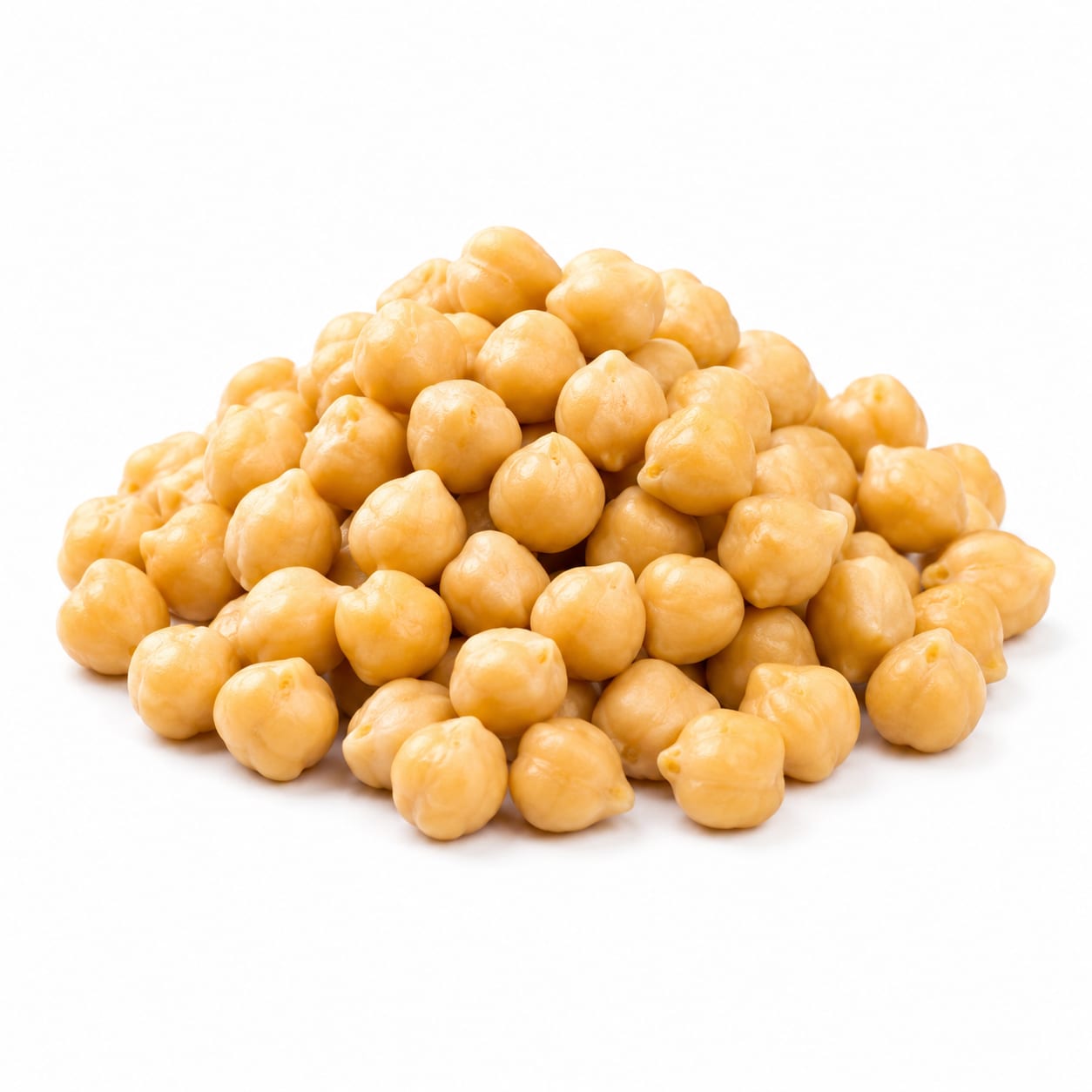
Garbanzo Bean
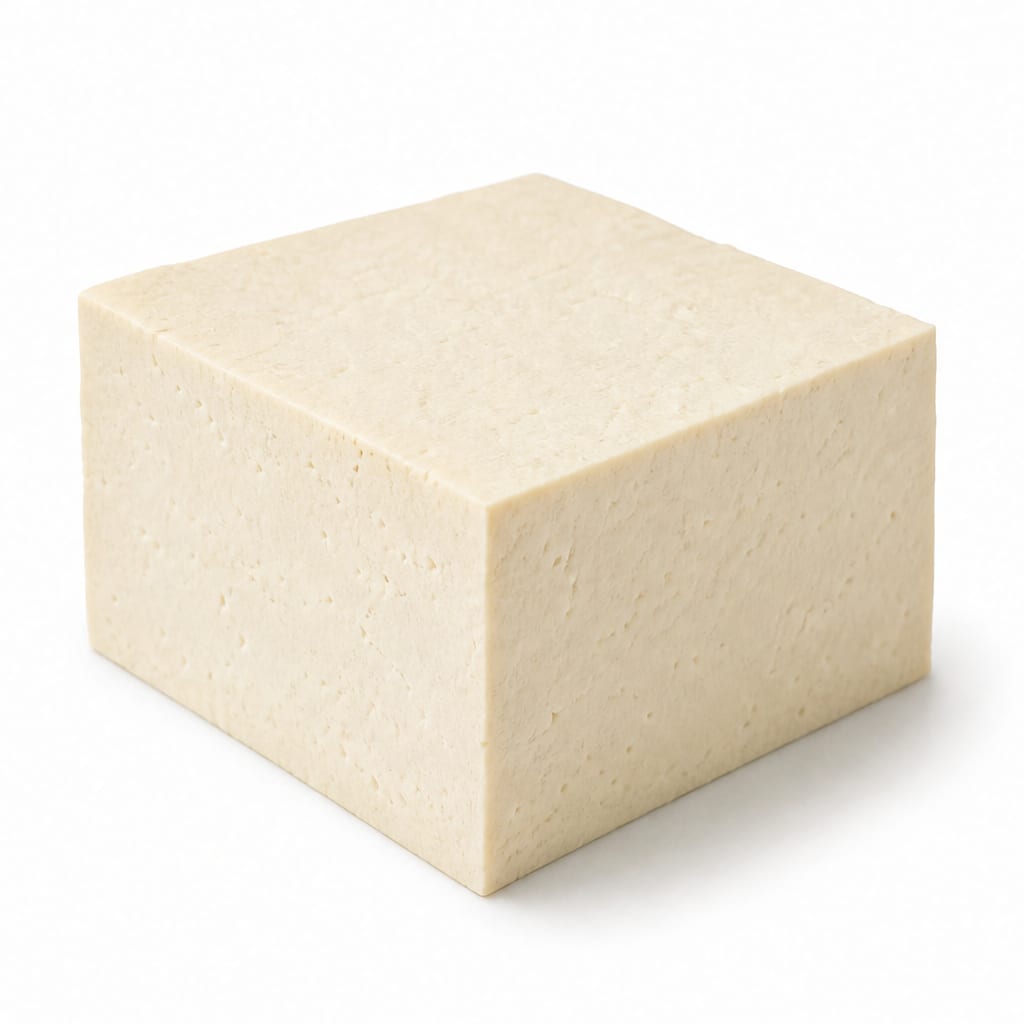
Tofu
Garbanzo beans offer lasting fullness through fiber and complex carbs, while tofu delivers concentrated, complete protein that is easier on the gut.
Tofu slightly edges out garbanzo beans overall due to its superior protein profile and easier digestion, but garbanzo beans remain an exceptional whole-food choice for fiber and sustained energy.
Fiber-rich whole-food energy in garbanzo beans versus dense, digestible, low-carb protein in tofu.
At a glance
Executive summary
Overall
It depends
Healthier
It depends
More practical
Tofu
Daily use
Tofu
Key comparison lenses
Plant-based protein quality and completeness
Users comparing these two are usually looking to optimize their plant-based protein intake and want to know which offers better muscle support.
Digestive tolerance and gut comfort
Legumes are notorious for causing bloating, while soy can be either gentler or triggering depending on the person.
Whole food vs processed plant protein
Garbanzo beans are eaten whole, while tofu requires processing soybeans into milk and curds, raising naturalness concerns.
Carbohydrate and blood sugar management
Garbanzo beans bring significant carbs alongside their protein, whereas tofu is virtually carb-free.
Best choice for
Garbanzo Bean
- People needing sustained energy and high fiber
- Those avoiding soy or following a strict whole-food diet
- Budget-conscious eaters looking for filling nutrition
Tofu
- Individuals tracking macronutrients or eating low-carb
- Those with sensitive digestion who struggle with legumes
- Anyone needing a quick-digesting, complete protein source
Least suitable for
Garbanzo Bean
- People on strict low-carb or keto diets
- Those with severe IBS or FODMAP sensitivities
Tofu
- People with soy allergies or intolerances
- Those avoiding even minimally processed foods
Deep comparison
Dimension by dimension
Each lens scores both foods and breaks down who each option suits.
- Dimension 1 · Priority 95Tofu
Protein Power
Garbanzo Bean · 68Tofu · 92Tofu provides significantly more protein per calorie and is a complete protein, whereas garbanzo beans offer moderate protein alongside substantial carbohydrates.
Tradeoff
You trade the fiber and complex carbs of garbanzo beans for a denser, more complete protein source in tofu.
Why it matters
Complete proteins contain all essential amino acids, making tofu more efficient for muscle repair without needing food combining.
Real-world impact
If you need a reliable post-workout recovery meal, tofu gets amino acids to your muscles faster and more completely.
Garbanzo Bean
- Providing energy alongside protein for endurance activities
Better for
- Falling short on total protein if relying on it as a primary source
Worse for
Tofu
- Maximizing muscle protein synthesis
- Meeting high protein needs on a low-carb diet
Better for
- Lacking the slow-burning energy carbs provide
Worse for
- Dimension 2 · Priority 90Tofu
Satiety & Digestion
Garbanzo Bean · 72Tofu · 85Tofu is gentle on the gut and digests easily, while garbanzo beans provide bulky fiber that can cause bloating in sensitive individuals.
Tradeoff
Garbanzo beans offer long-lasting physical fullness from fiber, but at the risk of digestive discomfort; tofu is light and easy on the stomach but less physically filling.
Why it matters
Digestive comfort determines whether you can actually eat a food regularly without feeling sluggish or gassy.
Real-world impact
Tofu is a safer choice before a workout or a date, whereas garbanzo beans might leave you feeling overly full or bloated.
Garbanzo Bean
- Keeping you full for hours between meals
Better for
- Causing gas, bloating, or stomach distension
Worse for
Tofu
- Pre-workout or evening meals when you need light digestion
- Managing IBS or FODMAP sensitivities
Better for
- Leaving you hungry sooner if eaten alone
Worse for
- Dimension 3 · Priority 85Garbanzo Bean
Micronutrient Density
Garbanzo Bean · 88Tofu · 75Garbanzo beans are richer in iron, folate, and B vitamins, while tofu offers more calcium and manganese depending on the coagulant used.
Tradeoff
You get broader vitamin and mineral coverage from garbanzo beans, but tofu can be a superior calcium source if set with calcium salts.
Why it matters
Micronutrient diversity supports energy production, blood health, and long-term cellular function.
Real-world impact
Eating garbanzo beans helps cover your bases for daily iron and folate needs, which is especially crucial for plant-based eaters and pregnant women.
Garbanzo Bean
- Boosting iron and folate intake naturally
- Supporting energy metabolism with B vitamins
Better for
- Lower calcium content compared to fortified or calcium-set tofu
Worse for
Tofu
- Increasing calcium intake for bone health
Better for
- Missing out on the robust folate and iron profile of legumes
Worse for
- Dimension 4 · Priority 80Tofu
Blood Sugar Stability
Garbanzo Bean · 78Tofu · 95Tofu has virtually zero carbs and no impact on blood sugar, while garbanzo beans contain carbs buffered by fiber.
Tradeoff
Tofu is a zero-carb guarantee, whereas garbanzo beans require carb budgeting despite their low glycemic index.
Why it matters
Stable blood sugar prevents energy crashes, mood swings, and cravings later in the day.
Real-world impact
For strict diabetic meal plans or keto diets, tofu offers absolute carb control without sacrificing protein.
Garbanzo Bean
- Providing slow-burning energy for active days
Better for
- Requiring insulin response and carb tracking
Worse for
Tofu
- Eliminating any risk of blood sugar spikes
- Fitting seamlessly into very low-carb diets
Better for
- Lacking carbs to replenish glycogen after intense exercise
Worse for
- Dimension 5 · Priority 75Garbanzo Bean
Processing & Naturalness
Garbanzo Bean · 95Tofu · 65Garbanzo beans are a whole, unprocessed food, while tofu is a minimally processed product made from soy milk and coagulants.
Tradeoff
Choosing tofu means accepting a step away from whole-food purity for the sake of texture and protein concentration.
Why it matters
Minimally processed diets are consistently linked to better long-term metabolic health and easier weight management.
Real-world impact
If you prioritize eating foods exactly as they grow, garbanzo beans align perfectly with that philosophy, whereas tofu requires some industrial intervention.
Garbanzo Bean
- Strict whole-food plant-based diets
- Minimizing exposure to industrial processing
Better for
- Requiring longer cooking times to become palatable
Worse for
Tofu
- Creating versatile, familiar meal textures
Better for
- Being unsuitable for raw whole-food purists
Worse for
Timeline
Health impact over time
Short-term
Hours to days
Garbanzo Bean
- Steady, slow-burning energy from complex carbs
- Potential bloating or gas from oligosaccharides
Tofu
- Quick, light protein boost without digestive heaviness
- Rapid satiety without feeling stuffed
Long-term
Months to years
Garbanzo Bean
- Improved gut microbiome diversity from high fiber
- Better cardiovascular markers from soluble fiber
Tofu
- Maintained muscle mass and bone density from complete protein and calcium
- Potential soy isoflavone benefits for menopause symptoms
Risk profile
Safety & processing
Garbanzo beans are a whole food eaten intact, while tofu is a traditional processed food with minimal additives, usually just soybeans, water, and a coagulant like calcium sulfate.
Garbanzo Bean
Pesticide residue
mediumConventional chickpeas can carry pesticide residues; choosing organic mitigates this risk.
Antinutrients
lowPhytic acid and lectins can reduce mineral absorption and cause digestive upset, but cooking thoroughly deactivates them.
Tofu
GMO exposure
mediumThe vast majority of conventional soy is genetically modified; choosing organic tofu completely avoids this.
Soy allergen
highSoy is a top common allergen; tofu is strictly off-limits for those with soy allergies.
Who wins for whom
Audience fit
Same foods, different winners depending on your goal.
children
Garbanzo BeanGarbanzo beans provide essential vitamins, iron, and energy for growing bodies without the soy isoflavone concerns some parents have.
daily consumption
TofuTofu is gentler on the digestive system for daily use, whereas daily garbanzo beans can cause chronic bloating for some people.
diabetes
TofuTofu has virtually zero carbohydrates, eliminating any blood sugar spikes and making carb management effortless.
elderly
TofuTofu is exceptionally easy to chew and digest, and its calcium content supports bone health in aging adults.
muscle gain
TofuTofu provides more protein per calorie and contains all essential amino acids needed for efficient muscle repair and growth.
weight loss
Garbanzo BeanThe high fiber content in garbanzo beans promotes greater physical fullness, making it easier to eat fewer calories overall without feeling deprived.
Your move
Decision guide
Choose Garbanzo Bean
- You want a whole-food fiber source to keep you full for hours
- You are avoiding soy due to allergy or personal preference
- You need sustained energy for active or long days
Choose Tofu
- You need high-quality, complete protein for muscle gain
- You follow a low-carb or keto diet
- You have a sensitive stomach or struggle with legume bloating
Either works if
- You are building a healthy plant-based bowl and need a protein base
- You want versatile ingredients that absorb flavors well
Avoid both if
- You have severe digestive issues requiring a low-FODMAP diet (garbanzo beans) and a soy allergy (tofu)
Final recommendation
Keep both in your rotation. Use tofu when you need concentrated protein and easy digestion, and rely on garbanzo beans when you need lasting fullness and a fiber boost.
Practical
Consumer tips
- 1
Rinse canned garbanzo beans thoroughly to reduce sodium and wash away gas-causing compounds.
- 2
Press tofu before cooking to improve its texture and help it absorb marinades much better.
- 3
Choose organic tofu to avoid GMO soy and hexane-extracted soy protein.
- 4
Pair garbanzo beans with a grain like rice to form a complete amino acid profile.
- 5
Start with small portions of garbanzo beans if you are not used to high-fiber foods to give your gut time to adapt.