
Nutrition comparison
Fuzzy Gourd vs Zucchini: Which Vegetable Is Better for You?
Compare fuzzy gourd and zucchini on nutrition, versatility, digestion, and weight management. Find out which mild-flavored vegetable fits your cooking and health goals.
Overall winner · Zucchini
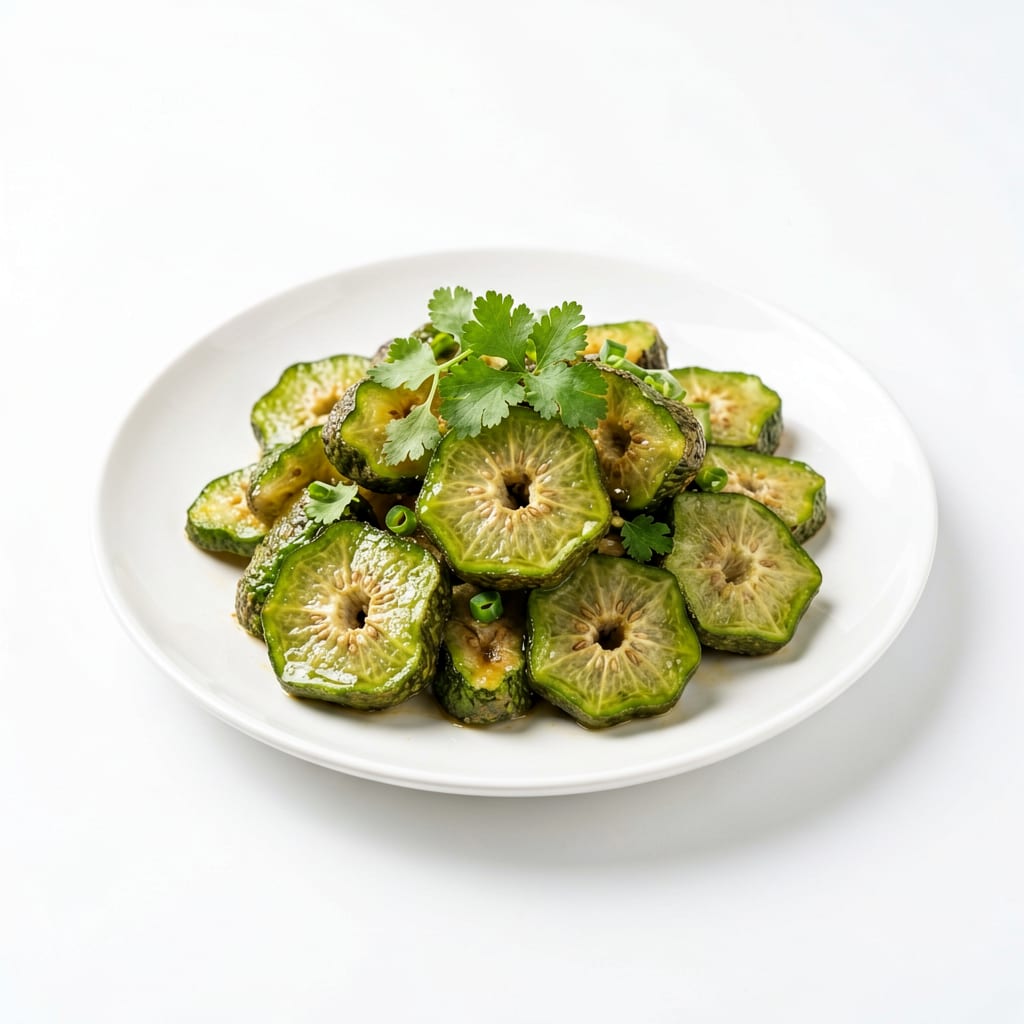
Fuzzy Gourd
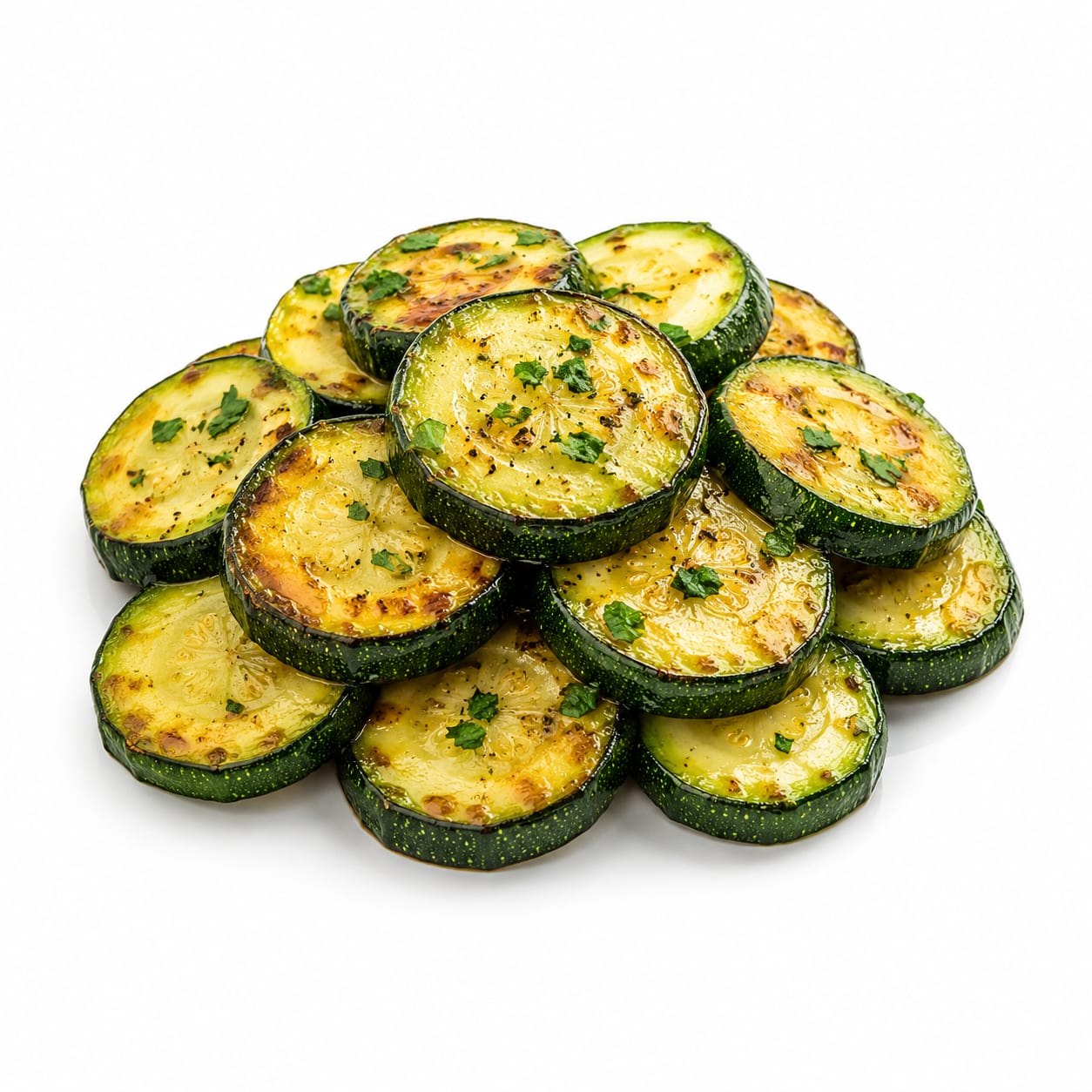
Zucchini
Zucchini wins on versatility, availability, and everyday practicality, while fuzzy gourd offers slightly more fiber and a unique cooling quality valued in Asian cuisine.
Zucchini scores higher primarily due to superior accessibility, culinary flexibility, and broader nutrient variety including more vitamin A and antioxidants. Fuzzy gourd remains a solid choice but is held back by limited availability and narrower culinary use.
Zucchini is the convenient, widely available choice that fits almost any dish. Fuzzy gourd rewards you with marginally better fiber and a distinct texture, but requires more effort to find and prepare.
At a glance
Executive summary
Overall
Zucchini
Healthier
Zucchini
More practical
Zucchini
Daily use
Zucchini
Key comparison lenses
vegetable selection for everyday cooking
Both are mild-flavored gourds used in similar dishes, so practicality and availability matter most
culinary versatility and ease of preparation
Zucchini is a kitchen staple while fuzzy gourd requires more specialized knowledge, making usability a key factor
nutritional density comparison
Users want to know which vegetable delivers more vitamins and minerals per serving
digestive and gut health benefits
Both vegetables are known for being gentle on digestion, but fiber type and content differ
weight management suitability
Low-calorie vegetables are often chosen for weight loss, so calorie density and satiety matter
Best choice for
Fuzzy Gourd
- People cooking traditional Asian soups and stews
- Those seeking a cooling vegetable per Traditional Chinese Medicine principles
- Anyone wanting to diversify their vegetable rotation beyond common options
- Home cooks exploring Cantonese or Southeast Asian recipes
Zucchini
- Busy households needing a quick-cooking, versatile vegetable
- Low-carb dieters looking for pasta alternatives like zoodles
- Anyone meal prepping on a budget with widely available produce
- Gardeners wanting an easy-to-grow summer squash
Least suitable for
Fuzzy Gourd
- People without access to Asian grocery stores
- Those unfamiliar with preparing hairy-skinned gourds
- Anyone needing a raw vegetable for salads or quick snacks
Zucchini
- Those with a zucchini allergy or sensitivity to cucurbits
- People seeking a vegetable with a more distinctive or robust flavor
Deep comparison
Dimension by dimension
Each lens scores both foods and breaks down who each option suits.
- Dimension 1 · Priority 85Zucchini
Nutritional Density
Fuzzy Gourd · 62Zucchini · 74Zucchini provides more vitamin A, vitamin C, and carotenoid antioxidants like lutein. Fuzzy gourd offers slightly more dietary fiber per serving but fewer micronutrients overall.
Tradeoff
Fuzzy gourd gives you a fiber edge, but zucchini delivers a wider spectrum of vitamins and eye-protective antioxidants.
Why it matters
A broader micronutrient profile supports more bodily functions, from immunity to vision, making zucchini the more complete daily vegetable.
Real-world impact
Eating zucchini regularly contributes more meaningfully to your daily vitamin needs without needing to supplement or eat additional vegetables.
Fuzzy Gourd
- Those prioritizing fiber intake for digestion
- People wanting a gentle, low-irritant vegetable
Better for
- Those relying on a single vegetable for broad micronutrient coverage
Worse for
Zucchini
- Anyone seeking more vitamins A and C from their vegetables
- People concerned about eye health and antioxidant intake
Better for
- Those specifically trying to maximize fiber per calorie
Worse for
- Dimension 2 · Priority 90Zucchini
Culinary Versatility
Fuzzy Gourd · 48Zucchini · 92Zucchini can be eaten raw, spiralized into noodles, grilled, baked into breads, sautéed, or roasted. Fuzzy gourd is almost always cooked and primarily used in soups and stir-fries.
Tradeoff
Fuzzy gourd excels in Asian soups and braised dishes with a pleasant texture that holds up well. Zucchini works in nearly every cooking method and cuisine.
Why it matters
A more versatile vegetable gets used more often, reducing food waste and making healthy eating easier to sustain.
Real-world impact
You can toss zucchini into a salad, a stir-fry, or a baked good without thinking twice. Fuzzy gourd requires a specific recipe and cooking plan.
Fuzzy Gourd
- Cooking traditional Asian soups where its texture shines
- Braised dishes where a firm, slightly spongy gourd is desired
Better for
- Anyone wanting a raw vegetable snack
- People who dislike planning meals around specific ingredients
Worse for
Zucchini
- Raw preparations like salads and crudités
- Low-carb pasta substitutes
- Baking into muffins or breads
- Quick weeknight sautés and grilling
Better for
- Those seeking a firm texture that holds up in long-simmered soups
Worse for
- Dimension 3 · Priority 88Zucchini
Availability and Convenience
Fuzzy Gourd · 35Zucchini · 95Zucchini is available year-round in virtually every grocery store. Fuzzy gourd is primarily found in Asian markets and specialty stores, with limited seasonal availability elsewhere.
Tradeoff
Fuzzy gourd offers a unique ingredient for adventurous cooks, but you will spend more time and money sourcing it.
Why it matters
The best vegetable for your health is the one you can actually buy and eat consistently.
Real-world impact
Most people can grab zucchini on any grocery run. Finding fuzzy gourd often means a separate trip to an Asian market or ordering online.
Fuzzy Gourd
- People living near well-stocked Asian grocery stores
- Cooking enthusiasts who enjoy ingredient hunting
Better for
- Rural or suburban shoppers without Asian markets nearby
- Anyone who values one-stop grocery convenience
Worse for
Zucchini
- Anyone shopping at a standard supermarket
- People with limited time for specialty shopping
- Meal preppers who need reliable weekly access
Better for
- Those who already shop at Asian markets and want variety
Worse for
- Dimension 4 · Priority 72Fuzzy Gourd
Digestive Friendliness
Fuzzy Gourd · 82Zucchini · 70Fuzzy gourd is traditionally regarded as a cooling, gut-soothing vegetable in Asian medicine. Its fiber is gentle and its texture is easy on sensitive stomachs. Zucchini is also well-tolerated but can cause bloating in some when eaten raw in large amounts.
Tradeoff
Fuzzy gourd is slightly more comforting for delicate digestion, while zucchini is still very gentle but has more potential for gas when consumed raw.
Why it matters
For people with IBS or sensitive stomachs, even small differences in digestibility affect daily comfort.
Real-world impact
A bowl of fuzzy gourd soup feels soothing and light. A large raw zucchini salad might leave some people feeling puffy.
Fuzzy Gourd
- People with sensitive digestion or IBS
- Those recovering from illness who need gentle foods
- Anyone seeking a cooling, comforting vegetable
Better for
- Those who prefer raw vegetables for convenience
Worse for
Zucchini
- People with normal digestion who tolerate raw vegetables well
Better for
- People prone to bloating from raw cruciferous or cucurbit vegetables
Worse for
- Dimension 5 · Priority 76It depends
Blood Sugar and Weight Management
Fuzzy Gourd · 74Zucchini · 76Both vegetables are extremely low in calories and have minimal impact on blood sugar. Zucchini has a slight edge for weight loss due to its raw snack potential and zoodle substitution, while fuzzy gourd's extra fiber provides marginally steadier satiety.
Tradeoff
Zucchini makes it easier to replace high-carb foods like pasta. Fuzzy gourd fills you up slightly more per serving due to fiber density.
Why it matters
For blood sugar management, both are excellent. The real difference is how each fits into your overall eating strategy.
Real-world impact
Replacing spaghetti with zoodles cuts hundreds of calories effortlessly. A fuzzy gourd soup before a meal helps you eat less of the main course.
Fuzzy Gourd
- Those who use soup as a satiety strategy before meals
- People who prefer warm, cooked vegetables over raw snacks
Better for
- Those looking for a direct pasta or noodle substitute
Worse for
Zucchini
- Low-carb dieters replacing grain-based foods
- People who like snacking on raw vegetables between meals
Better for
- People who find raw vegetable snacks unsatisfying
Worse for
- Dimension 6 · Priority 68Zucchini
Antioxidant and Anti-inflammatory Value
Fuzzy Gourd · 50Zucchini · 73Zucchini contains meaningful amounts of lutein, zeaxanthin, and vitamin A, particularly in the skin. Fuzzy gourd has some vitamin C but lacks the carotenoid profile that makes zucchini stand out.
Tradeoff
Zucchini's skin is an antioxidant goldmine. Fuzzy gourd's skin is hairy and typically peeled, removing what little antioxidant content it has.
Why it matters
Chronic inflammation drives many long-term health issues. Vegetables rich in carotenoids offer a simple daily defense.
Real-world impact
Eating zucchini with the skin on gives your eyes and cells extra protection at no calorie cost. Fuzzy gourd simply does not match that benefit.
Fuzzy Gourd
- Those who value vitamin C from gentle, cooked sources
Better for
- Those specifically seeking carotenoid-rich foods
Worse for
Zucchini
- People focused on eye health and anti-aging nutrition
- Anyone wanting to maximize antioxidant intake from common vegetables
Better for
- People who peel their zucchini, losing most of the antioxidant benefit
Worse for
Timeline
Health impact over time
Short-term
Hours to days
Fuzzy Gourd
- Gentle on the stomach when cooked, making it ideal after illness or digestive upset
- Provides mild hydration due to high water content
- Slightly filling due to fiber, which helps with portion control at meals
Zucchini
- Quick energy from easily digestible carbohydrates without blood sugar spikes
- Raw zucchini offers a hydrating, crunchy snack that curbs hunger between meals
- Can cause mild bloating or gas if eaten raw in large quantities by sensitive individuals
Long-term
Months to years
Fuzzy Gourd
- Regular consumption supports steady digestion and bowel regularity through gentle fiber
- Traditional use suggests a cooling, anti-inflammatory effect, though clinical evidence is limited
- Low calorie density supports weight maintenance when used as a soup or stir-fry base
Zucchini
- Lutein and zeaxanthin intake from the skin supports long-term eye health and may reduce macular degeneration risk
- Consistent use as a pasta substitute can meaningfully lower refined carbohydrate intake
- Vitamin C and carotenoids contribute to reduced oxidative stress over time
Risk profile
Safety & processing
Both fuzzy gourd and zucchini are whole, unprocessed vegetables typically sold fresh. Neither carries meaningful additive concerns. The only processing consideration is that fuzzy gourd is sometimes sold peeled and pre-cut in Asian markets, which slightly reduces freshness and nutrient retention.
Fuzzy Gourd
Pesticide residue on skin
mediumFuzzy gourd's hairy skin can trap pesticide residue more than smooth-skinned vegetables. Washing thoroughly or peeling reduces this risk significantly.
Spoilage from improper storage
lowLike all gourds, fuzzy gourd can soften and spoil if stored too long. Use within a few days of purchase for best quality.
Zucchini
Pesticide residue on skin
mediumZucchini consistently appears on produce lists with moderate pesticide residue. Choosing organic or washing thoroughly is advisable, especially since the skin is the most nutritious part.
Bitter zucchini toxicity
lowOccasionally, zucchini can contain elevated cucurbitacins causing extreme bitterness. This is rare but can cause digestive distress. If zucchini tastes unusually bitter, discard it immediately.
Who wins for whom
Audience fit
Same foods, different winners depending on your goal.
children
ZucchiniZucchini is milder, more familiar, and can be hidden in baked goods or served as fun zoodles. Fuzzy gourd's hairy appearance and unfamiliarity make it a harder sell to picky eaters.
daily consumption
ZucchiniZucchini's easy availability and culinary flexibility make it realistic to eat every day without recipe fatigue or sourcing challenges.
diabetes
ZucchiniZucchini's near-zero glycemic impact and its ability to replace higher-carb foods like pasta make it slightly more useful for blood sugar management in practice.
elderly
Fuzzy GourdFuzzy gourd's soft, cooked texture and gentle fiber make it easier to chew and digest for older adults with dental or digestive concerns.
muscle gain
It dependsNeither vegetable is a significant protein source. Both serve as low-calorie sides that complement protein-rich main dishes equally well.
weight loss
ZucchiniZucchini's versatility as a low-carb pasta substitute and raw snack makes it easier to create sustainable calorie deficits without feeling deprived.
Your move
Decision guide
Choose Fuzzy Gourd
- You regularly cook Asian soups, stir-fries, or braised dishes
- You have access to an Asian grocery store and want to expand your vegetable repertoire
- You or a family member has a sensitive stomach and benefits from gentle, cooling foods
- You enjoy the slightly spongy texture that absorbs broth flavors beautifully
Choose Zucchini
- You want a versatile vegetable that works in any cuisine or cooking method
- You are meal prepping on a budget and need reliable, affordable produce
- You are following a low-carb diet and want a pasta substitute
- You prefer having a vegetable you can eat raw, cooked, or baked
Either works if
- You simply need a low-calorie vegetable to bulk out a meal
- You are trying to eat more vegetables overall and both are available
- You want a mild-flavored vegetable that will not overpower other ingredients
Avoid both if
- You have a known allergy to cucurbits like cucumbers, melons, or squash
- You are seeking a high-protein or calorie-dense food for energy
Final recommendation
Keep zucchini as your everyday vegetable for its unmatched convenience and versatility. Add fuzzy gourd when you are cooking Asian-inspired meals or want something uniquely soothing for digestion. Both deserve a place in a varied diet, but zucchini is the one you will actually reach for consistently.
Practical
Consumer tips
- 1
Never peel zucchini if you want the full antioxidant benefit. The dark green skin is where most lutein and zeaxanthin live.
- 2
If fuzzy gourd's hairy skin bothers you, scrub it under running water with a clean brush, or simply peel it before cooking.
- 3
Both vegetables are over 90 percent water, so they shrink significantly when cooked. Buy more than you think you need.
- 4
Slice zucchini into ribbons with a vegetable peeler for a quick zoodle alternative if you do not own a spiralizer.
- 5
Fuzzy gourd absorbs broth flavors beautifully. Try it in a simple chicken soup with ginger for a comforting, gut-friendly meal.
- 6
For either vegetable, choose firm specimens with no soft spots. Both deteriorate quickly once cut.
- 7
If zucchini tastes unusually bitter, spit it out and discard the whole piece. This bitterness signals rare but real cucurbitacin toxicity.