
Nutrition comparison
Fuzzy Gourd vs Green Beans: Nutrition, Digestion, and Which to Choose
Compare fuzzy gourd and green beans side by side. Learn which vegetable wins for digestion, weight loss, diabetes, and everyday nutrition with practical tradeoff analysis.
Overall winner · Green Beans
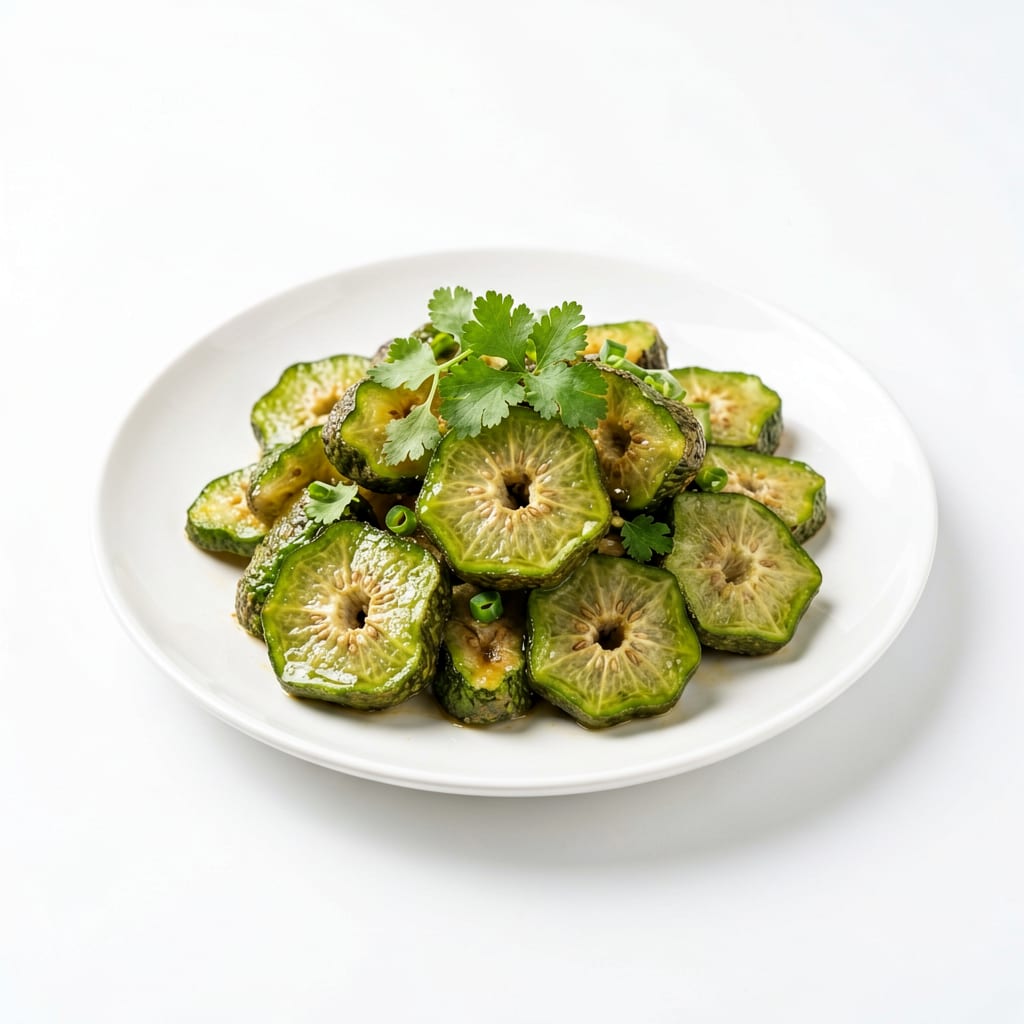
Fuzzy Gourd
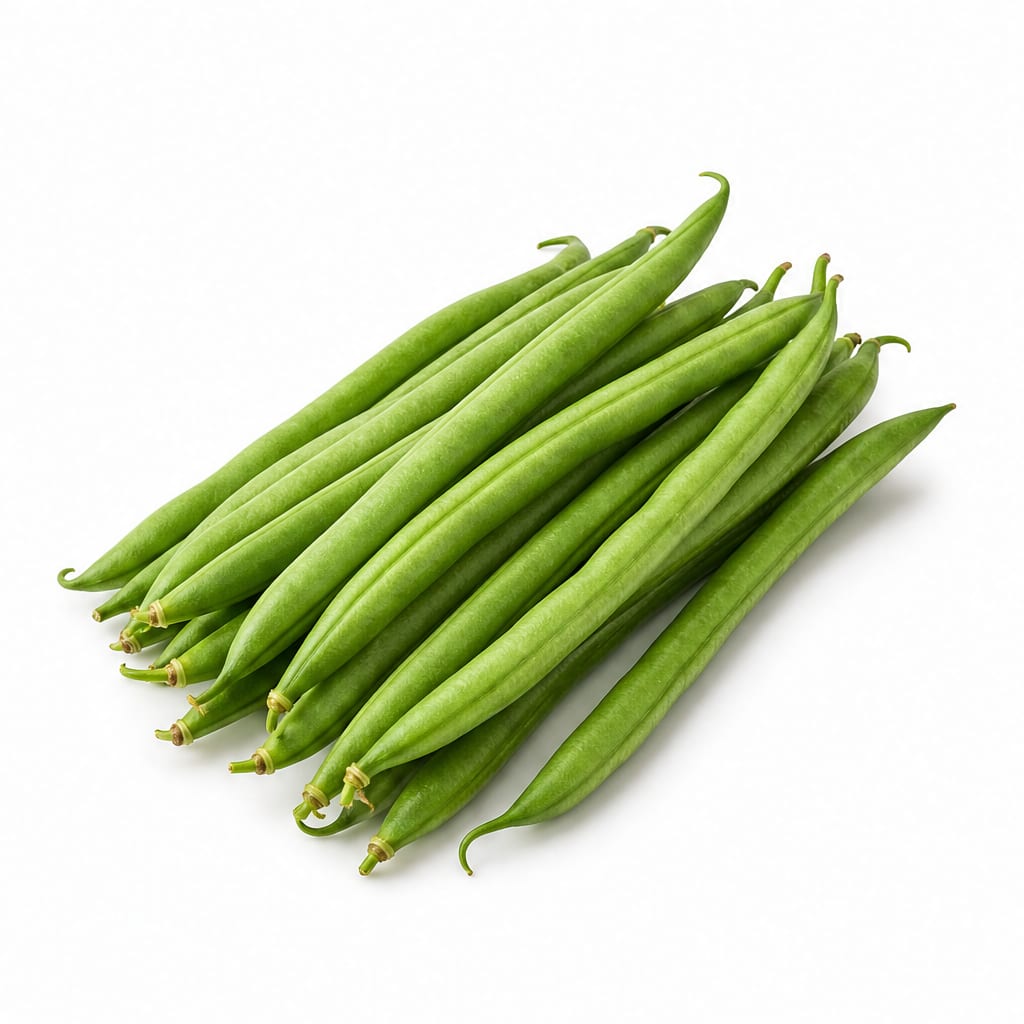
Green Beans
Green beans deliver more vitamins, minerals, and protein per calorie, making them the stronger everyday vegetable. Fuzzy gourd wins for digestive gentleness and hydration but falls short on nutrient density.
Green beans score notably higher due to superior vitamin K, folate, fiber, and protein content alongside universal availability. Fuzzy gourd remains valuable for specific digestive and culinary niches but offers less nutritional firepower per serving.
Fuzzy gourd is easier on the stomach and more hydrating, while green beans pack significantly more micronutrients and are far easier to find at any grocery store.
At a glance
Executive summary
Overall
Green Beans
Healthier
Green Beans
More practical
Green Beans
Daily use
Green Beans
Key comparison lenses
nutritional density
Both are low-calorie vegetables, so micronutrient content becomes the key differentiator
digestive comfort
Fuzzy gourd is known for being gentle on digestion while green beans can cause bloating in sensitive people
everyday practicality
Green beans are universally available; fuzzy gourd requires specialty stores and specific cooking knowledge
blood sugar management
Both are low-glycemic vegetables often recommended for diabetes management
culinary versatility
Green beans integrate into countless dishes; fuzzy gourd is more niche
Best choice for
Fuzzy Gourd
- People with IBS or sensitive digestion
- Anyone seeking a cooling, hydrating vegetable in hot weather
- Those following traditional Chinese medicine dietary approaches
- Home cooks exploring Asian soup recipes
Green Beans
- Anyone prioritizing vitamin K and folate intake
- Budget-conscious shoppers needing widely available produce
- Families wanting a kid-friendly vegetable
- People meal-prepping for the week
Least suitable for
Fuzzy Gourd
- People without access to Asian grocery stores
- Anyone needing high vitamin K for bone health
- Those wanting a protein-boosting vegetable side
- Busy cooks unfamiliar with gourd preparation
Green Beans
- People with severe legume sensitivities or lectin concerns
- Those prone to bloating from fibrous vegetables
- Anyone seeking a very mild-flavored base for delicate soups
Deep comparison
Dimension by dimension
Each lens scores both foods and breaks down who each option suits.
- Dimension 1 · Priority 92Green Beans
vitamin_and_mineral_density
Fuzzy Gourd · 45Green Beans · 82Green beans deliver substantially more vitamin K, folate, vitamin C, and manganese. Fuzzy gourd provides modest amounts of vitamin C and potassium but cannot compete on breadth or concentration.
Tradeoff
Fuzzy gourd offers a lighter micronutrient profile that feels gentler, while green beans act like a multivitamin in vegetable form.
Why it matters
Vitamin K supports bone density and blood clotting. Folate is critical for cell repair and pregnancy. These are nutrients many people under-consume.
Real-world impact
A cup of green beans covers roughly 25% of daily vitamin K needs. Fuzzy gourd covers a fraction of that, meaning you need other vegetables to fill the gap.
Fuzzy Gourd
- Those who already eat vitamin K-rich foods and want variety
- People seeking a low-intensity vegetable after illness
Better for
- Reliance on fuzzy gourd alone risks micronutrient gaps
Worse for
Green Beans
- Anyone needing to boost bone-supporting nutrients
- Pregnant women requiring folate
- People who eat few leafy greens
Better for
- Very high vitamin K can interfere with blood-thinning medications
Worse for
- Dimension 2 · Priority 88Fuzzy Gourd
digestive_tolerance
Fuzzy Gourd · 88Green Beans · 58Fuzzy gourd is famously gentle on the digestive system and is often recommended in traditional medicine for upset stomachs. Green beans contain lectins and fermentable fibers that can trigger bloating.
Tradeoff
Fuzzy gourd soothes digestion but provides less fiber overall. Green beans feed gut bacteria more effectively but may cause discomfort during the adjustment period.
Why it matters
For people with IBS, SIBO, or general digestive sensitivity, the wrong vegetable can mean hours of bloating and discomfort.
Real-world impact
A bowl of fuzzy gourd soup feels calming after a stomach upset. A serving of green beans might leave you reaching for digestive relief if your gut is sensitive.
Fuzzy Gourd
- IBS sufferers
- People recovering from gastrointestinal illness
- Anyone experiencing bloating from high-fiber vegetables
Better for
- May not provide enough fiber for optimal microbiome diversity
Worse for
Green Beans
- People with robust digestion wanting prebiotic fiber
- Those gradually increasing fiber intake for gut health
Better for
- Raw or undercooked green beans can cause nausea and digestive distress
Worse for
- Dimension 3 · Priority 82Green Beans
fiber_and_satiety
Fuzzy Gourd · 50Green Beans · 75Green beans provide roughly twice the fiber per serving, leading to better fullness and steadier blood sugar. Fuzzy gourd's high water content makes it less filling despite its volume.
Tradeoff
Fuzzy gourd fills your stomach with water weight that passes quickly. Green beans provide lasting satiety from structural fiber.
Why it matters
Fiber is the single most underrated nutrient for weight management, blood sugar control, and long-term gut health.
Real-world impact
A green bean side dish keeps you satisfied for hours. A fuzzy gourd dish feels light and refreshing but hunger returns sooner.
Fuzzy Gourd
- Anyone wanting a light, low-residue meal before exercise
- People who feel uncomfortably full from high-fiber meals
Better for
- Less helpful for appetite control between meals
Worse for
Green Beans
- Weight loss seekers needing sustained fullness
- People managing blood sugar spikes
- Anyone trying to hit daily fiber targets
Better for
- High fiber can be too much too fast if your body is not adapted
Worse for
- Dimension 4 · Priority 78Green Beans
availability_and_convenience
Fuzzy Gourd · 30Green Beans · 92Green beans are available year-round in virtually every grocery store worldwide. Fuzzy gourd requires Asian markets or specialty produce sections and is unfamiliar to most home cooks.
Tradeoff
Green beans are effortless to find and prepare. Fuzzy gourd rewards effort with unique texture and flavor but demands sourcing and cooking knowledge.
Why it matters
The healthiest vegetable is the one you actually buy and eat consistently. Availability directly impacts dietary habits.
Real-world impact
You can grab green beans at any supermarket in five minutes. Finding fuzzy gourd might mean a trip across town and a recipe search.
Fuzzy Gourd
- Home cooks near Asian markets who enjoy exploring new ingredients
- Anyone already cooking Chinese or Southeast Asian cuisine regularly
Better for
- Inconvenience leads to rarely eating it, negating any benefits
Worse for
Green Beans
- Busy families needing reliable weeknight vegetables
- People living in areas without specialty grocery access
- Meal preppers who buy in bulk at standard stores
Better for
- Ubiquity can lead to monotony and vegetable fatigue
Worse for
- Dimension 5 · Priority 75It depends
blood_sugar_impact
Fuzzy Gourd · 72Green Beans · 74Both vegetables have minimal glycemic impact. Fuzzy gourd's higher water content slightly dilutes its carbohydrate effect. Green beans' extra fiber slows glucose absorption marginally more.
Tradeoff
The difference is negligible for most people. Both are excellent choices for blood sugar management compared to nearly any other food group.
Why it matters
For diabetes management, choosing vegetables that do not spike blood sugar is foundational. Both pass this test easily.
Real-world impact
Neither vegetable will cause a blood sugar spike. Pair either with protein and healthy fat for the most stable post-meal glucose.
Fuzzy Gourd
- Those wanting the lightest possible glycemic load
- People eating multiple vegetable servings who want variety
Better for
- Lower fiber means slightly less prolonged blood sugar regulation
Worse for
Green Beans
- Diabetics who also want the fiber benefit for longer glucose stability
Better for
- Difference is minimal enough that this should not drive the decision alone
Worse for
- Dimension 6 · Priority 65Fuzzy Gourd
hydration_and_cooking_role
Fuzzy Gourd · 85Green Beans · 55Fuzzy gourd excels as a hydrating, soup-friendly vegetable that absorbs flavors beautifully. Green beans are more often a standalone side dish rather than a culinary building block.
Tradeoff
Fuzzy gourd transforms soups and braises with its spongy, flavor-absorbing texture. Green beans shine when they are the star of the plate, not a background player.
Why it matters
Hydration from food matters more than people realize, especially in hot climates or for elderly individuals who forget to drink water.
Real-world impact
Fuzzy gourd in a bone broth soup feels deeply nourishing and hydrating on a cold day. Green beans alongside grilled chicken feel like a solid, classic meal.
Fuzzy Gourd
- Soup enthusiasts wanting body and hydration
- Elderly individuals needing food-based hydration
- Cooks making slow-braised dishes
Better for
- Disappears texturally in dishes if overcooked
Worse for
Green Beans
- Casserole and salad builders
- People who prefer simple steamed or roasted sides
Better for
- Can become rubbery or stringy if not trimmed and cooked properly
Worse for
Timeline
Health impact over time
Short-term
Hours to days
Fuzzy Gourd
- Provides quick hydration due to very high water content
- Gentle on the stomach, unlikely to cause bloating or gas
- Low energy density means you feel light after eating
Green Beans
- Fiber provides noticeable fullness within 30 minutes of eating
- May cause temporary bloating if your gut is not accustomed to legume-family fiber
- Vitamin K contributes to normal blood clotting within hours of consumption
Long-term
Months to years
Fuzzy Gourd
- Consistent hydration support from food-based water intake
- May help maintain digestive comfort if replacing more irritating vegetables
- Risk of micronutrient gaps if used as a primary vegetable without variety
Green Beans
- Stronger bone density support from consistent vitamin K intake
- Better long-term gut microbiome diversity from prebiotic fiber
- Reduced constipation risk from reliable daily fiber contribution
Risk profile
Safety & processing
Both fuzzy gourd and green beans are whole, minimally processed vegetables typically sold fresh. Neither carries meaningful additive concerns when purchased as raw produce.
Fuzzy Gourd
Pesticide residue on skin
mediumThe fuzzy texture can trap pesticide residues more than smooth-skinned vegetables. Peeling or thorough washing reduces this significantly.
Spoilage and mold
lowHigh water content means fuzzy gourd spoils faster than green beans. Use within a few days of purchase and check for soft spots.
Green Beans
Lectin toxicity from raw consumption
mediumRaw green beans contain phytohaemagglutinin, which can cause nausea and vomiting. Always cook green beans thoroughly before eating.
Canned green bean sodium
mediumCanned varieties often contain 400-600mg sodium per serving. Choose frozen or fresh when possible, or rinse canned versions before use.
Who wins for whom
Audience fit
Same foods, different winners depending on your goal.
children
Green BeansGreen beans are more familiar, easier to prepare in kid-friendly ways, and provide more growth-supporting folate and vitamin K.
daily consumption
Green BeansGreen beans are easier to find, prepare, and rotate into meals consistently, making them the more sustainable daily vegetable choice.
diabetes
Green BeansBoth are excellent low-glycemic choices, but green beans offer more fiber for steadier post-meal blood sugar and better long-term glucose regulation.
elderly
It dependsFuzzy gourd is gentler on aging digestive systems and provides food-based hydration. Green beans offer stronger bone-supporting vitamin K. Choose based on the individual's primary concern.
muscle gain
Green BeansNeither vegetable is a significant protein source, but green beans contain roughly twice the protein per serving, offering marginally more support for muscle-preserving diets.
weight loss
Green BeansGreen beans provide more fiber and protein per calorie, creating stronger satiety signals that reduce overeating throughout the day.
Your move
Decision guide
Choose Fuzzy Gourd
- You have IBS or a sensitive stomach and need a soothing vegetable
- You regularly cook Asian soups and braises where fuzzy gourd shines
- You live near an Asian market and enjoy exploring new ingredients
- You want a cooling, hydrating vegetable for summer meals
Choose Green Beans
- You want maximum nutrition per calorie from your vegetables
- You need a reliable, affordable vegetable available at any store
- You are focused on bone health, pregnancy nutrition, or fiber intake
- You are meal-prepping and want a vegetable that stores and reheats well
Either works if
- You are managing blood sugar and need low-glycemic vegetable options
- You want to increase your daily vegetable variety beyond leafy greens
- You are building a vegetable-heavy soup or stew
Avoid both if
- You need a protein-rich vegetable alternative and should consider edamame or lentils instead
- You are looking for a calorie-dense food to support weight gain
Final recommendation
Make green beans your everyday vegetable for their nutritional density and convenience. Add fuzzy gourd when you find it fresh and want a digestive-friendly, hydrating change of pace. Both deserve a place in a diverse diet, but green beans earn the staple slot.
Practical
Consumer tips
- 1
Peel fuzzy gourd before cooking to reduce pesticide residue and improve texture in soups
- 2
Snap the ends off green beans and check for stringiness before cooking for the best texture
- 3
Steam green beans for 4-5 minutes to preserve vitamin C while deactivating lectins
- 4
Store fuzzy gourd in the crisper drawer and use within 3-4 days before it softens
- 5
Freeze green beans after blanching for easy weeknight use without quality loss
- 6
If trying fuzzy gourd for the first time, start with a simple soup alongside ginger and pork for a comforting introduction