
Nutrition comparison
Fuzzy Gourd vs Eggplant: Which Vegetable Is Healthier for You?
Compare fuzzy gourd and eggplant nutrition, health benefits, and digestion effects. Learn which is better for heart health, weight loss, and nightshade sensitivity.
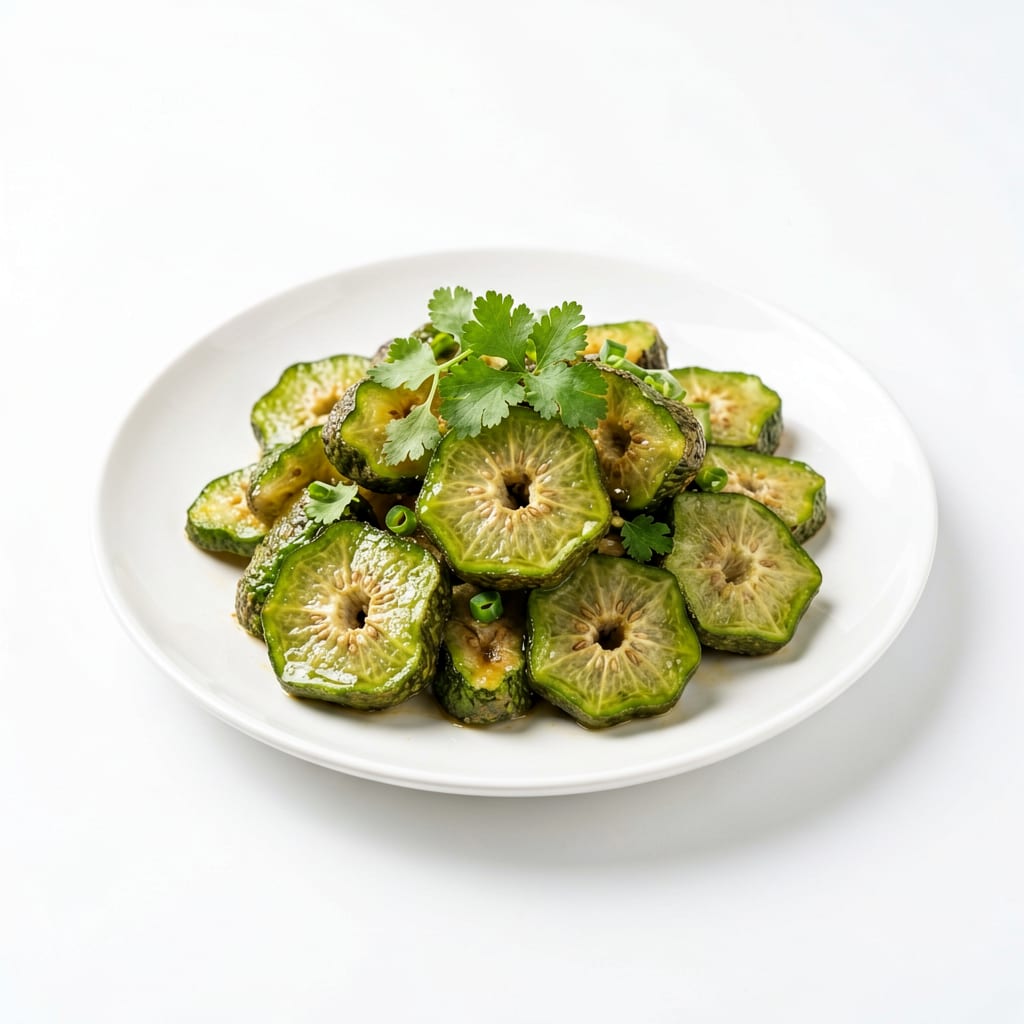
Fuzzy Gourd
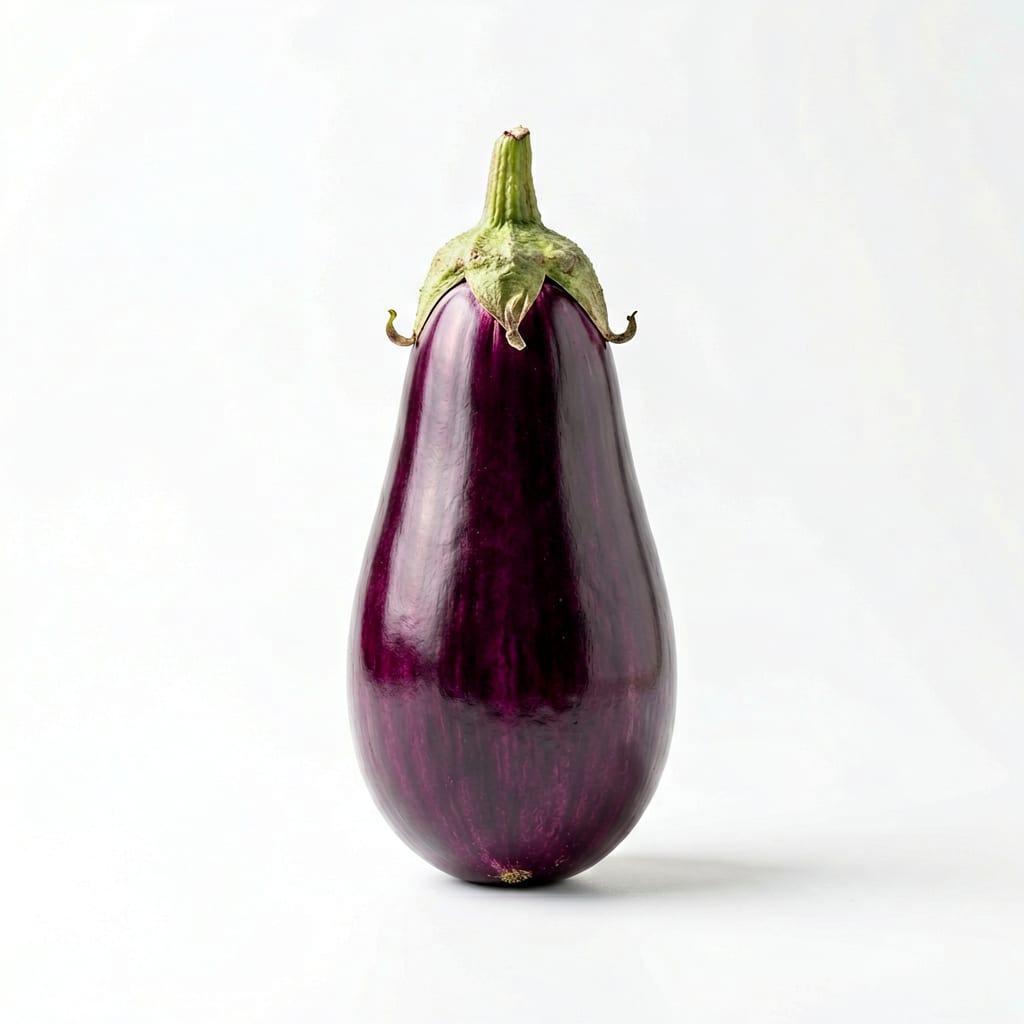
Eggplant
Eggplant delivers more antioxidants and culinary versatility, but fuzzy gourd is gentler on digestion and safer for nightshade-sensitive individuals.
Eggplant scores higher due to stronger antioxidant evidence, broader availability, and more research-backed health benefits. Fuzzy gourd remains valuable for specific populations but lacks the same depth of nutritional research and everyday practicality.
Eggplant gives you stronger cellular protection and broader recipe options, while fuzzy gourd offers easier digestion and fewer inflammatory triggers.
At a glance
Executive summary
Overall
It depends
Healthier
It depends
More practical
Eggplant
Daily use
Eggplant
Key comparison lenses
antioxidant density and longevity benefits
Eggplant's nasunin and chlorogenic acid are standout compounds for cellular protection, while fuzzy gourd offers milder antioxidant benefits
digestive comfort and gentleness
Fuzzy gourd is traditionally used for soothing digestion, while eggplant's nightshade compounds can irritate sensitive stomachs
cooking versatility and accessibility
Eggplant is a global kitchen staple with countless recipes, while fuzzy gourd is harder to find outside Asian markets
blood sugar and weight management
Both are low-calorie vegetables, but their fiber profiles and glycemic impacts differ meaningfully
nightshade sensitivity concerns
Eggplant contains solanine, which matters for people with joint pain or autoimmune conditions
Best choice for
Fuzzy Gourd
- People with nightshade sensitivity or joint inflammation
- Those seeking gentle digestion and cooling foods
- Anyone following traditional Chinese or Southeast Asian dietary therapy
- People with autoimmune conditions avoiding solanine
Eggplant
- Heart health and cardiovascular protection
- Antioxidant-focused anti-aging strategies
- Cooks wanting maximum recipe versatility
- Anyone prioritizing widely available affordable produce
Least suitable for
Fuzzy Gourd
- People without access to Asian grocery stores
- Those wanting robust flavor without heavy seasoning
- Anyone unfamiliar with cooking gourds
- Meal preppers needing long shelf life
Eggplant
- People with nightshade sensitivities or solanine intolerance
- Those with inflammatory arthritis flares
- Anyone prone to heartburn from acidic vegetables
- Individuals watching oil absorption in cooking
Deep comparison
Dimension by dimension
Each lens scores both foods and breaks down who each option suits.
- Dimension 1 · Priority 92Eggplant
antioxidant_power_and_cellular_protection
Fuzzy Gourd · 45Eggplant · 88Eggplant dominates this category thanks to nasunin in its skin and chlorogenic acid, both heavily studied for protecting cells and reducing oxidative damage.
Tradeoff
You get significantly more antioxidant firepower from eggplant, but you must eat the skin where most compounds concentrate.
Why it matters
Daily antioxidant intake compounds over years, meaning eggplant eaten regularly could meaningfully slow cellular aging compared to fuzzy gourd.
Real-world impact
Over months, choosing eggplant over fuzzy gourd gives your body more ammunition against everyday oxidative stress from pollution, stress, and poor sleep.
Fuzzy Gourd
- Milder antioxidant support without nightshade compounds
- People who react to eggplant's stronger phytochemicals
Better for
- Less researched antioxidant profile
- Fewer documented long-term protective effects
Worse for
Eggplant
- Long-term cellular protection and anti-aging
- Heart and brain health maintenance
- Reducing chronic inflammation markers
Better for
- Antioxidants concentrated in skin that some people peel
- Solanine may offset benefits for sensitive individuals
Worse for
- Dimension 2 · Priority 85Fuzzy Gourd
digestive_comfort_and_gut_gentleness
Fuzzy Gourd · 86Eggplant · 55Fuzzy gourd is a traditional remedy for digestive soothing, while eggplant can trigger heartburn or irritation in sensitive people due to its nightshade chemistry.
Tradeoff
Fuzzy gourd feels lighter and more comforting in the stomach, but offers less nutritional density in return.
Why it matters
If you have IBS, acid reflux, or a sensitive gut, the wrong vegetable can ruin your afternoon. Fuzzy gourd rarely causes problems.
Real-world impact
Choosing fuzzy gourd over eggplant means fewer bloating episodes and more comfortable digestion, especially at dinner.
Fuzzy Gourd
- Sensitive stomachs and IBS sufferers
- Post-illness recovery eating
- Hot weather cooling meals
Better for
- Less fiber diversity for gut microbiome feeding
- Minimal prebiotic effect compared to eggplant
Worse for
Eggplant
- Those with iron absorption concerns who tolerate it well
- People wanting more prebiotic fiber variety
Better for
- Nightshade compounds irritating sensitive digestive tracts
- Can trigger heartburn in prone individuals
- Solanine may worsen leaky gut symptoms
Worse for
- Dimension 3 · Priority 82Eggplant
heart_health_and_cardiovascular_protection
Fuzzy Gourd · 52Eggplant · 83Eggplant has more evidence linking it to improved cholesterol markers and blood vessel health, while fuzzy gourd's cardiovascular benefits are less documented.
Tradeoff
Eggplant offers stronger heart protection but requires healthy cooking methods to avoid turning it into an oil sponge.
Why it matters
Heart disease builds silently over decades. Vegetables with proven cardiovascular benefits earn their place in daily meals.
Real-world impact
Regularly eating eggplant instead of fuzzy gourd gives your arteries more protective compounds, but only if you avoid deep-frying it.
Fuzzy Gourd
- Lighter meals that won't feel heavy after eating
- Low-sodium cooking without needing heavy seasoning
Better for
- Lacks the specific heart-protective compounds found in eggplant
- Less potassium per serving
Worse for
Eggplant
- Cholesterol management through chlorogenic acid
- Blood vessel flexibility and nitric oxide support
- Potassium intake for blood pressure regulation
Better for
- Oil absorption during cooking can negate heart benefits
- High-sodium preparations common in restaurants
Worse for
- Dimension 4 · Priority 75Eggplant
blood_sugar_stability
Fuzzy Gourd · 70Eggplant · 78Both vegetables are low-glycemic and diabetes-friendly, but eggplant's higher fiber content and chlorogenic acid give it a slight edge for glucose regulation.
Tradeoff
The difference is modest. Both are excellent choices for blood sugar, but eggplant has marginally more research supporting its glucose-lowering effects.
Why it matters
For prediabetics and diabetics, every small advantage in glucose control compounds over years of daily eating.
Real-world impact
Either vegetable keeps blood sugar steady after meals. Eggplant might offer slightly better long-term glucose improvements.
Fuzzy Gourd
- Very low calorie option for calorie-restricted diabetic diets
- Gentler on stomachs when blood sugar drops cause nausea
Better for
- Less fiber means slightly faster gastric emptying
- Fewer studies on glucose-specific outcomes
Worse for
Eggplant
- Chlorogenic acid may improve insulin sensitivity
- More fiber slows glucose absorption further
- Better studied for metabolic syndrome management
Better for
- Breaded and fried preparations spike blood sugar
- Restaurant versions often include sugary sauces
Worse for
- Dimension 5 · Priority 80Eggplant
practical_availability_and_cooking_ease
Fuzzy Gourd · 35Eggplant · 85Eggplant is available in virtually every grocery store worldwide with endless recipe resources. Fuzzy gourd requires Asian markets and specialized knowledge.
Tradeoff
Eggplant wins on convenience and recipe variety, but fuzzy gourd rewards adventurous cooks with unique textures and milder flavor.
Why it matters
The healthiest vegetable is the one you actually cook and eat. Availability often determines what lands on your plate.
Real-world impact
Most people can grab eggplant any day of the week. Fuzzy gourd might require a special trip and recipe hunting.
Fuzzy Gourd
- Unique texture for adventurous home cooks
- Traditional recipe authenticity for Asian cuisine enthusiasts
Better for
- Hard to find outside Asian markets
- Limited recipe resources in English
- Shorter shelf life and more delicate
- Unfamiliar texture for many Western cooks
Worse for
Eggplant
- Available in every mainstream grocery store
- Thousands of recipes across every cuisine
- Easy to substitute in most vegetable dishes
- Longer shelf life in the refrigerator
Better for
- Requires salting or sweating to reduce bitterness in older varieties
- Acts as an oil sponge if not cooked properly
Worse for
- Dimension 6 · Priority 68Eggplant
mineral_and_vitamin_density
Fuzzy Gourd · 55Eggplant · 72Eggplant provides more potassium, manganese, and vitamin K, while fuzzy gourd offers slightly more vitamin C but falls short on most other micronutrients.
Tradeoff
Neither vegetable is a micronutrient powerhouse, but eggplant covers more nutritional bases per serving.
Why it matters
When vegetables form a large portion of your plate, their cumulative micronutrient contribution matters over time.
Real-world impact
Eggplant gives you a broader spectrum of minerals across the week, while fuzzy gourd contributes mainly vitamin C.
Fuzzy Gourd
- Vitamin C content supports immune function
- Lighter mineral load for kidney-restricted diets
Better for
- Lower overall mineral contribution
- Less micronutrient diversity per serving
Worse for
Eggplant
- Potassium for blood pressure and muscle function
- Manganese for bone health and metabolism
- Vitamin K for blood clotting and bone density
Better for
- Potassium content requires monitoring for kidney disease patients
- Not a significant vitamin C source
Worse for
Timeline
Health impact over time
Short-term
Hours to days
Fuzzy Gourd
- Light, comfortable digestion after meals
- Mild diuretic effect reducing water retention
- Refreshing and cooling sensation in hot weather
- Unlikely to cause bloating or gas
Eggplant
- Noticeable fullness from fiber content
- Possible heartburn in sensitive individuals
- Slight cholesterol-lowering effect after meals
- Potential oil-heavy preparation causing sluggishness
Long-term
Months to years
Fuzzy Gourd
- Consistent gentle digestive support
- Traditional use suggests kidney and urinary tract benefits
- Low cumulative inflammatory burden
- Minimal risk of developing food sensitivities
Eggplant
- Stronger cardiovascular protection over years
- Better cellular aging defense from antioxidants
- Potential nightshade sensitivity developing with heavy consumption
- Improved cholesterol markers with regular intake
Risk profile
Safety & processing
Both fuzzy gourd and eggplant are whole, unprocessed vegetables typically sold fresh. Neither carries significant additive concerns in their natural state. The main risk comes from how they are prepared, especially eggplant's tendency to absorb cooking oils and restaurant sauces with hidden sodium and sugar.
Fuzzy Gourd
pesticide_residue
mediumGourds can retain pesticide residue on their fuzzy skin. Washing thoroughly or peeling reduces exposure significantly.
spoilage_and_mold
mediumFuzzy gourd spoils faster than eggplant. Soft spots and discoloration appear quickly, indicating bacterial growth.
oxalate_content
lowContains moderate oxalates. Not a concern for most people but worth noting for kidney stone formers.
Eggplant
solanine_toxicity
mediumEggplant contains solanine, a nightshade alkaloid. Large amounts can cause joint pain or digestive upset in sensitive people. Cooking reduces but does not eliminate solanine.
oil_absorption_contamination
mediumEggplant acts like a sponge for cooking oils. If reheated or low-quality oils are used, oxidized fats and potential acrylamide formation become concerns.
histamine_intolerance
lowEggplant is a moderate histamine liberator. People with histamine intolerance may experience headaches or skin reactions.
Who wins for whom
Audience fit
Same foods, different winners depending on your goal.
children
EggplantEggplant's familiar taste and texture in kid-friendly dishes like baba ganoush or parmesan make it more practical, though neither is a common children's favorite.
daily consumption
EggplantEggplant's broader nutrient profile, antioxidant density, and easy availability make it more sustainable as a daily vegetable for most people.
diabetes
EggplantEggplant's higher fiber and chlorogenic acid provide slightly better glucose regulation, though both are excellent diabetic-friendly choices.
elderly
Fuzzy GourdFuzzy gourd's gentle digestibility and lower inflammatory potential make it more suitable for aging digestive systems and sensitive joints.
muscle gain
It dependsNeither vegetable significantly supports muscle gain directly. Both serve as low-calorie sides for protein-focused meals.
weight loss
Fuzzy GourdFuzzy gourd has fewer calories per serving and absorbs less cooking oil, making it easier to maintain a calorie deficit without feeling deprived.
Your move
Decision guide
Choose Fuzzy Gourd
- You have nightshade sensitivity, joint pain, or autoimmune flares
- Your digestion is easily upset and you need gentle foods
- You cook Asian cuisine regularly and want authentic ingredients
- You are sensitive to solanine or histamine
- You want the lowest-calorie vegetable option available
Choose Eggplant
- Heart health and antioxidant protection are top priorities
- You want a vegetable available at any grocery store
- Culinary versatility and recipe variety matter to you
- You are building a Mediterranean or anti-inflammatory diet
- You enjoy experimenting with grilling, roasting, and braising
Either works if
- You need low-calorie vegetables for weight management
- Blood sugar control is your main concern
- You enjoy both and can rotate them seasonally
- You are eating a diverse vegetable rotation already
Avoid both if
- You have severe oxalate restrictions for kidney stones
- You are on a very low-fiber diet for digestive recovery
- You cannot tolerate either without heavy oil or salt preparation
Final recommendation
Keep eggplant as your everyday vegetable for its proven health benefits and convenience, but add fuzzy gourd when your digestion needs a gentler option or you want nightshade-free variety. If joint pain or nightshade sensitivity runs in your family, lean toward fuzzy gourd more often.
Practical
Consumer tips
- 1
Salt eggplant slices and let them sit 20 minutes before cooking to reduce bitterness and oil absorption
- 2
Choose firm, shiny eggplants with no soft spots for the sweetest flavor and lowest solanine levels
- 3
Peel fuzzy gourd before cooking to remove the tough, fuzzy skin and reduce pesticide exposure
- 4
Store fuzzy gourd in the refrigerator and use within 3-4 days as it spoils quickly
- 5
Steam or stir-fry fuzzy gourd lightly to preserve its vitamin C and delicate texture
- 6
Roast eggplant with minimal olive oil rather than frying to keep its heart benefits intact
- 7
If you have arthritis, try eliminating eggplant for two weeks and note any changes in joint comfort
- 8
Both vegetables pair well with garlic and ginger, which add their own anti-inflammatory benefits