
Nutrition comparison
Fuzzy Gourd vs Chayote: Nutrition, Taste, and Which to Choose
Compare Fuzzy Gourd and Chayote side by side. Discover which gourd offers more folate, better culinary versatility, and the best fit for your cooking style and health goals.
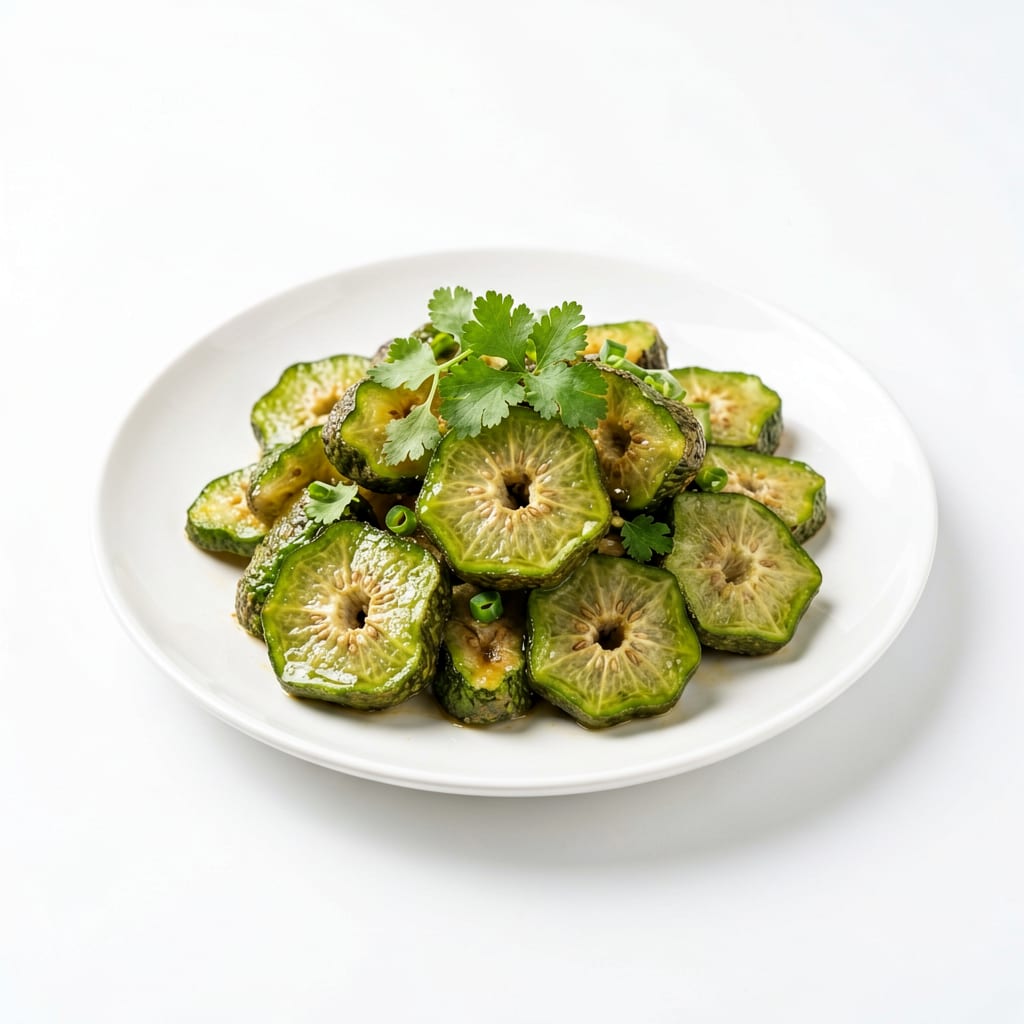
Fuzzy Gourd
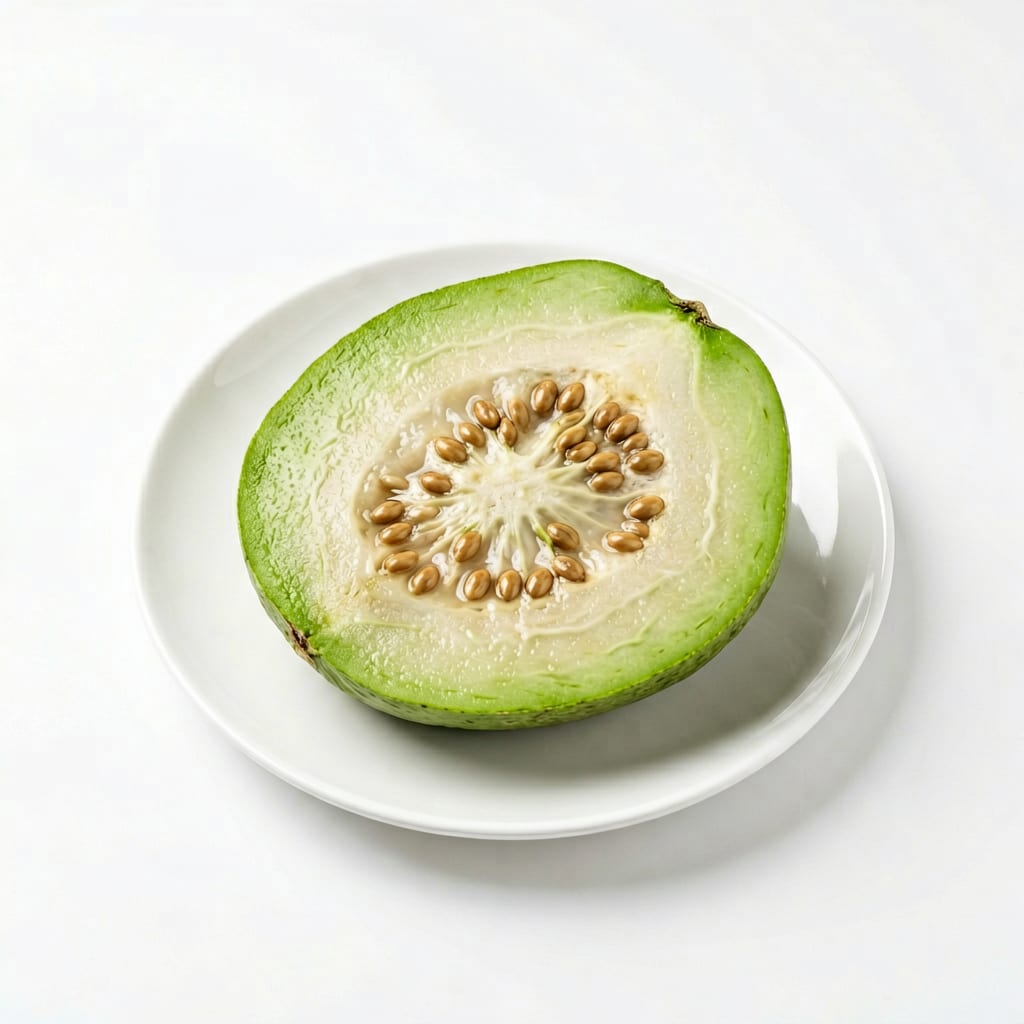
Chayote
Chayote edges ahead on folate and versatility, while Fuzzy Gourd offers slightly more traditional medicinal value and unique texture for soups.
Chayote scores moderately higher due to superior folate content, longer shelf life, and raw-versus-cooked versatility. Fuzzy Gourd remains valuable for its traditional medicinal role and softer cooked texture, but its limited availability and narrower culinary range hold it back slightly.
Chayote delivers more folate and broader culinary adaptability, but Fuzzy Gourd provides a softer texture prized in Asian healing soups and slightly more vitamin C.
At a glance
Executive summary
Overall
It depends
Healthier
Chayote
More practical
Chayote
Daily use
Chayote
Key comparison lenses
nutritional density comparison
Both are low-calorie gourds, so micronutrient differences become the deciding factor
digestive health benefits
Both vegetables are traditionally used for gut health and cooling properties in Asian and Latin cuisines
culinary versatility and accessibility
Availability and cooking methods differ significantly between these regional vegetables
blood sugar management
Both are low-glycemic options commonly recommended for diabetic diets
weight management suitability
Calorie-conscious users often choose between these as light vegetable options
Best choice for
Fuzzy Gourd
- People following Traditional Chinese Medicine-inspired diets
- Those wanting a soft, comforting soup vegetable
- Anyone seeking gentle digestive soothing in cooler months
- Cooking Asian-style braises and stews
Chayote
- Pregnant women needing folate
- People wanting a crisp, raw vegetable for salads
- Those seeking more culinary versatility across cuisines
- Anyone meal-prepping since Chayote stores longer
Least suitable for
Fuzzy Gourd
- People outside Asian markets where availability is limited
- Those wanting a vegetable that works raw in salads
- Anyone unfamiliar with peeling the fuzzy skin
Chayote
- People specifically seeking Traditional Chinese Medicine therapeutic effects
- Those wanting the softest, most comforting soup texture
Deep comparison
Dimension by dimension
Each lens scores both foods and breaks down who each option suits.
- Dimension 1 · Priority 88Chayote
micronutrient_density
Fuzzy Gourd · 65Chayote · 78Chayote provides significantly more folate and vitamin K, while Fuzzy Gourd offers slightly more vitamin C. Both are modest mineral sources.
Tradeoff
Fuzzy Gourd gives a small vitamin C edge, but Chayote's folate advantage is far more impactful for most populations, especially women of childbearing age.
Why it matters
Folate supports cell repair, DNA synthesis, and fetal development. Vitamin C helps immunity but is easily obtained from many other foods.
Real-world impact
Eating Chayote regularly contributes meaningfully to daily folate needs. Fuzzy Gourd's vitamin C boost is nice but less uniquely valuable.
Fuzzy Gourd
- Boosting vitamin C intake during cold season
- Adding variety to a vitamin C-focused eating pattern
Better for
- Relying on it as a primary folate source
Worse for
Chayote
- Meeting folate needs during pregnancy planning
- Supporting cardiovascular health through folate
- Improving overall micronutrient coverage on a budget
Better for
- Expecting significant vitamin C contribution
Worse for
- Dimension 2 · Priority 82It depends
fiber_and_digestive_health
Fuzzy Gourd · 72Chayote · 72Both provide gentle, comparable fiber. Fuzzy Gourd is traditionally used to soothe the digestive tract, while Chayote offers mild laxative effects.
Tradeoff
Fuzzy Gourd feels more comforting for sensitive stomachs. Chayote may help more with regularity for those needing gentle bowel support.
Why it matters
Digestive comfort affects daily quality of life more than most people realize. The right choice depends on whether you need soothing or stimulation.
Real-world impact
Fuzzy Gourd in soup feels like a warm blanket for an upset stomach. Chayote in a salad keeps things moving comfortably on sluggish days.
Fuzzy Gourd
- Soothing an irritated digestive tract
- Recovery from stomach illness
- Comfort food during cold weather
Better for
- Those wanting raw fiber benefits
Worse for
Chayote
- Supporting regular bowel movements
- Adding raw fiber to meals
- Light, refreshing digestive support in hot weather
Better for
- Anyone with an actively upset stomach needing soft foods
Worse for
- Dimension 3 · Priority 75It depends
blood_sugar_stability
Fuzzy Gourd · 76Chayote · 76Both are excellent low-glycemic choices with minimal carbohydrate load. Neither will spike blood sugar meaningfully.
Tradeoff
The difference is negligible. Both work equally well for diabetic meal plans. Preparation method matters more than the vegetable itself.
Why it matters
Consistent blood sugar control reduces cravings, fatigue, and long-term health risks.
Real-world impact
Either vegetable can be eaten freely by most people monitoring blood sugar. The real decision comes down to what dish you want to make.
Fuzzy Gourd
- Warm, cooked dishes for evening meals that feel grounding
Better for
Chayote
- Raw preparations for lighter daytime eating
Better for
- Dimension 4 · Priority 78Chayote
culinary_versatility
Fuzzy Gourd · 58Chayote · 82Chayote works raw in salads, pickled, baked, or stir-fried. Fuzzy Gourd is almost always cooked and primarily used in Asian soups and stews.
Tradeoff
Fuzzy Gourd excels in its niche of soft, comforting soups but lacks range. Chayote adapts to nearly any cuisine and cooking method.
Why it matters
A versatile vegetable gets eaten more often, reducing food waste and making healthy eating easier to sustain.
Real-world impact
Chayote can go into a Tuesday salad, a Wednesday stir-fry, and a Thursday soup. Fuzzy Gourd mostly lives in weekend braises and healing soups.
Fuzzy Gourd
- Traditional Asian soup recipes
- Braises where a soft, melting texture is desired
Better for
- Raw applications
- Quick-cooking weeknight meals where peeling feels tedious
Worse for
Chayote
- Raw salads and slaws
- Pickling and fermenting
- Latin American and Caribbean dishes
- Stir-fries where you want some crunch retained
Better for
- Traditional Chinese medicinal soup preparations
Worse for
- Dimension 5 · Priority 72Chayote
availability_and_practicality
Fuzzy Gourd · 52Chayote · 78Chayote is widely available in mainstream grocery stores across the Americas and increasingly worldwide. Fuzzy Gourd is mostly found in Asian markets.
Tradeoff
Fuzzy Gourd requires a specialty shopping trip for most people. Chayote is easy to find and stores well for weeks.
Why it matters
The healthiest vegetable is the one you actually buy and eat regularly. Availability directly impacts consistency.
Real-world impact
Chayote can be a regular grocery list staple. Fuzzy Gourd is more of a specialty ingredient you plan around finding.
Fuzzy Gourd
- Anyone living near well-stocked Asian markets
- Cooking traditional Chinese or Taiwanese recipes
Better for
- Rural areas without Asian grocery stores
- Anyone wanting same-day availability without planning
Worse for
Chayote
- One-stop grocery shopping convenience
- Meal planning on a regular schedule
- Living in areas with limited specialty store access
Better for
- Dimension 6 · Priority 68It depends
satiety_and_meal_satisfaction
Fuzzy Gourd · 70Chayote · 68Fuzzy Gourd's soft, water-rich texture in hot soups feels deeply comforting. Chayote's crunch feels lighter and more refreshing.
Tradeoff
Comfort versus refreshment. Fuzzy Gourd satisfies emotionally on cold days. Chayote satisfies physically with its crisp bite on warm days.
Why it matters
Emotional satisfaction from food determines whether a healthy eating pattern feels sustainable or feels like deprivation.
Real-world impact
A bowl of Fuzzy Gourd soup on a rainy evening feels like self-care. Chayote in a fresh salad on a summer afternoon feels energizing.
Fuzzy Gourd
- Emotional eating that still feels healthy
- Cold-weather comfort meals
Better for
- Anyone wanting a refreshing, light eating experience
Worse for
Chayote
- Hot-weather meals that feel light
- Crunchy texture cravings without junk food
Better for
- Seeking deep comfort food satisfaction
Worse for
Timeline
Health impact over time
Short-term
Hours to days
Fuzzy Gourd
- Gentle hydration from high water content
- Mild digestive soothing when consumed as soup
- Low blood sugar impact after meals
Chayote
- Refreshing hydration, especially when eaten raw
- Mild support for regularity due to gentle fiber
- Very low calorie intake helping daily targets
Long-term
Months to years
Fuzzy Gourd
- Consistent vitamin C intake supporting immune function over time
- Traditional use suggests cumulative digestive benefits when consumed regularly in soups
- Low calorie density supports weight maintenance
Chayote
- Meaningful folate contribution supporting cardiovascular and cellular health long-term
- Consistent fiber intake promoting gut microbiome diversity
- Vitamin K contribution to bone health over years
Risk profile
Safety & processing
Both Fuzzy Gourd and Chayote are whole, natural vegetables typically sold fresh and unprocessed. Neither carries meaningful additive concerns. The only processing involved is home preparation like peeling and cooking.
Fuzzy Gourd
pesticide_residue_on_skin
mediumThe fuzzy texture can trap pesticide residues more than smooth-skinned vegetables. Peeling reduces this significantly.
spoilage_due_to_high_moisture
lowFuzzy Gourd has a shorter shelf life than Chayote and can become mushy quickly if not used within a few days.
Chayote
pesticide_residue
lowChayote's smooth skin is easier to wash and typically retains less residue. Still, washing thoroughly is recommended.
mild_skin_irritation_when_peeling
lowSome people experience slight stickiness or numbness on hands when peeling raw Chayote. Wearing gloves prevents this.
Who wins for whom
Audience fit
Same foods, different winners depending on your goal.
children
ChayoteChayote's mild, slightly sweet flavor and crunchy raw texture appeal more to kids. It can be hidden in dishes or served as fun raw sticks.
daily consumption
ChayoteChayote's wider availability, longer shelf life, and culinary flexibility make it more practical for daily use without recipe fatigue.
diabetes
It dependsBoth have negligible glycemic impact and work equally well. Fuzzy Gourd suits warm cooked meals; Chayote suits lighter preparations.
elderly
Fuzzy GourdFuzzy Gourd's soft, cooked texture is easier to chew and digest for aging digestive systems. Its traditional use as a healing food aligns well with elderly nutritional needs.
muscle gain
It dependsNeither is a meaningful protein source. Both serve as low-calorie sides alongside protein-rich foods. Choose based on meal context.
weight loss
ChayoteBoth are extremely low in calories, but Chayote's versatility means you are more likely to eat it consistently in varied meals, supporting long-term adherence.
Your move
Decision guide
Choose Fuzzy Gourd
- You are cooking traditional Chinese soups or braises
- You want a soft, comforting vegetable for digestive soothing
- You have reliable access to an Asian grocery store
- You are cooking for elderly family members who need easy-to-chew foods
Choose Chayote
- You want one versatile vegetable for the whole week
- You are pregnant or planning pregnancy and need folate
- You enjoy raw salads and fresh preparations
- You shop at regular grocery stores without specialty access
- You want a vegetable that stores well for over a week
Either works if
- You need a low-calorie, low-glycemic vegetable side dish
- You are managing blood sugar and want safe options
- You enjoy exploring new vegetables and want variety
Avoid both if
- You are looking for a protein-rich vegetable — neither provides meaningful protein
- You need a high-fiber vegetable for significant daily fiber targets — both are only moderate sources
Final recommendation
Keep Chayote as your everyday vegetable for its versatility, folate, and convenience. Add Fuzzy Gourd when you want something deeply comforting or are cooking Asian soups specifically. Both deserve a place in a varied diet, but Chayote earns the regular rotation spot for most households.
Practical
Consumer tips
- 1
Peel Fuzzy Gourd under running water to remove the fuzzy texture easily and reduce pesticide residue
- 2
Wear gloves when peeling Chayote if you have sensitive skin — the sap can cause mild numbness
- 3
Store Chayote in the refrigerator crisper where it lasts up to three weeks; use Fuzzy Gourd within four to five days
- 4
Both vegetables absorb flavors well — try cooking them with ginger and garlic for a simple, healthy side
- 5
Chayote can replace jicama or water chestnut in recipes for a similar crunch
- 6
If Fuzzy Gourd is unavailable, zucchini makes a reasonable substitute in most soup recipes