
Nutrition comparison
Fuzzy Gourd vs Butternut Squash: Nutrition, Calories, and Health Comparison
Compare Fuzzy Gourd and Butternut Squash side by side. Discover which is better for weight loss, blood sugar, vitamin A, and everyday meals.
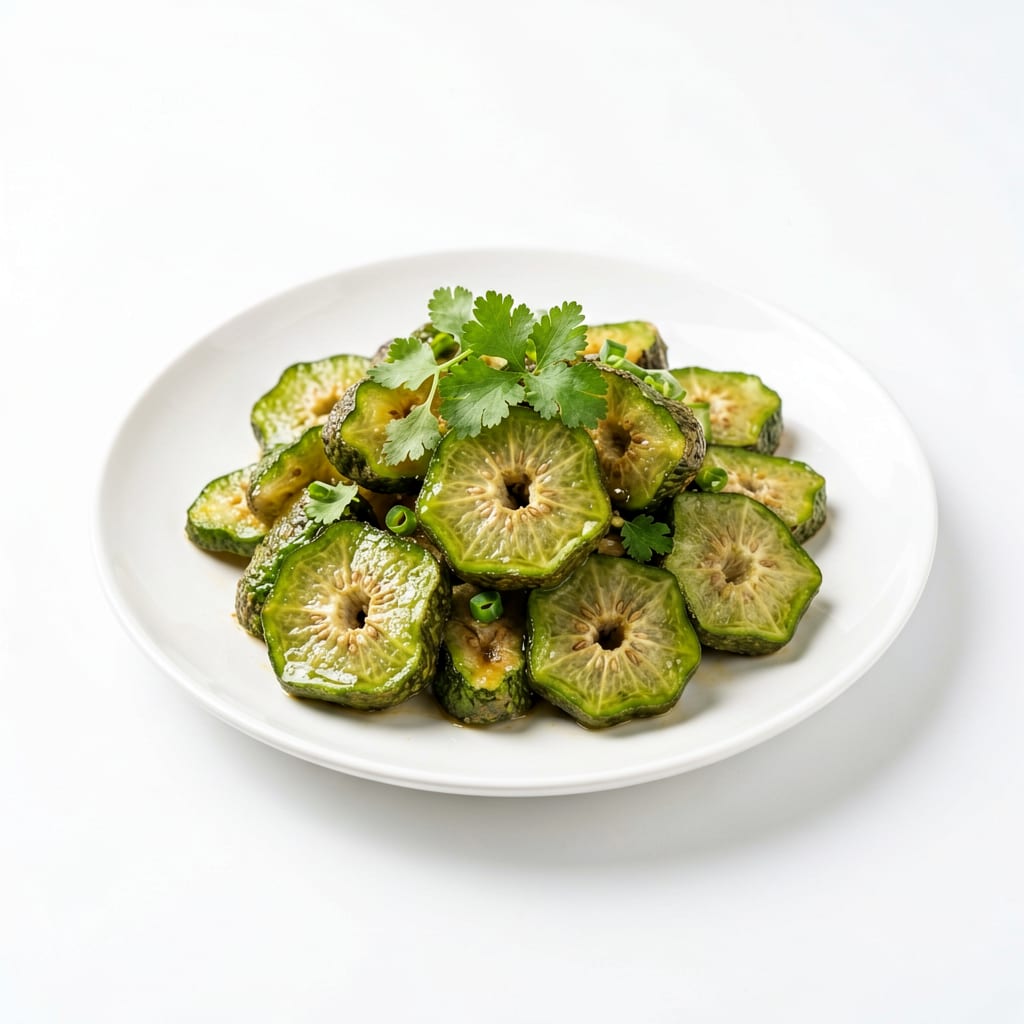
Fuzzy Gourd
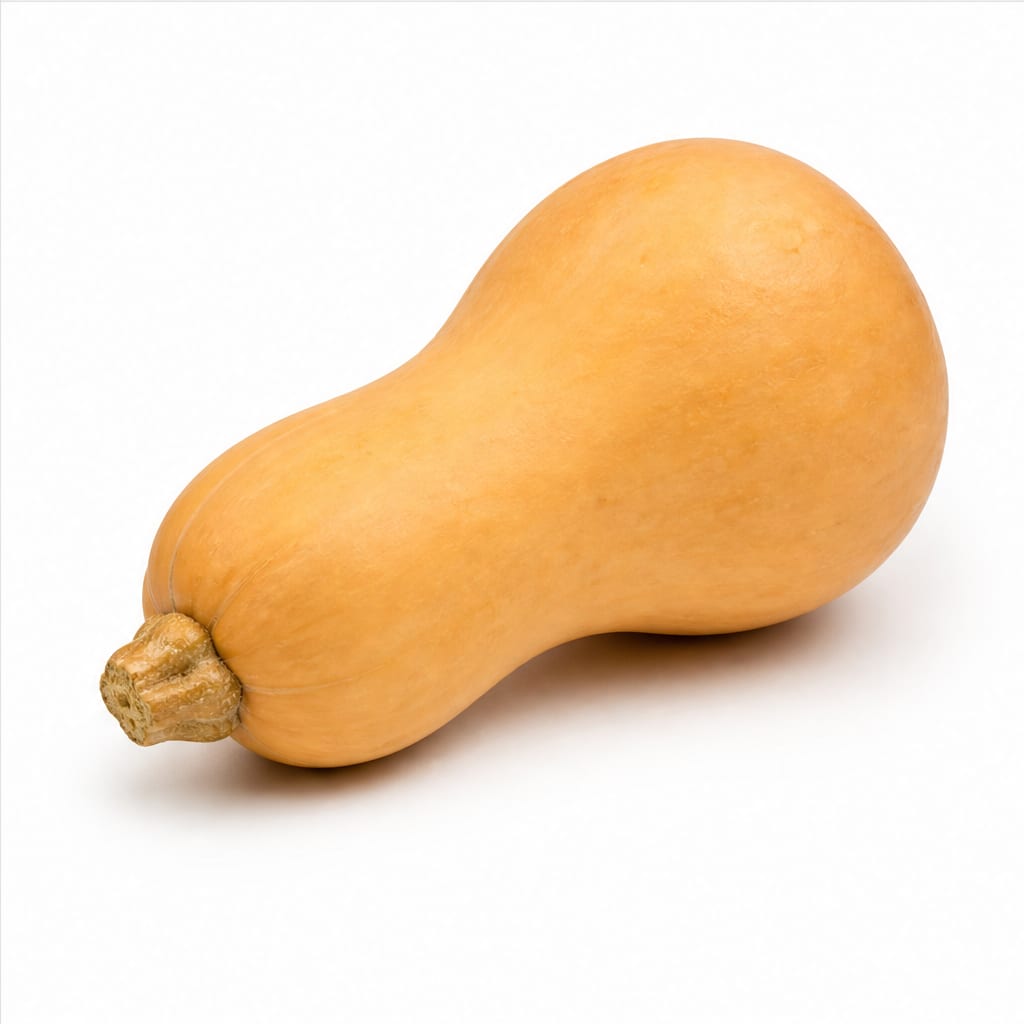
Butternut Squash
Butternut Squash wins on nutrient density and satisfaction; Fuzzy Gourd wins on calorie control and digestive lightness.
Butternut Squash scores higher due to superior nutrient density, fiber, and satiety. Fuzzy Gourd remains valuable for specific low-calorie contexts but offers less overall nutritional payoff per serving.
You choose between rich, filling nutrition (Butternut Squash) and ultra-low-calorie lightness (Fuzzy Gourd).
At a glance
Executive summary
Overall
It depends
Healthier
Butternut Squash
More practical
Butternut Squash
Daily use
Butternut Squash
Key comparison lenses
calorie density and weight management
Fuzzy Gourd is dramatically lower in calories, making it a key differentiator for anyone watching intake
vitamin A and antioxidant nutrition
Butternut Squash is a powerhouse of beta-carotene, while Fuzzy Gourd offers almost none
blood sugar impact
Carb content differs significantly, affecting glucose response and suitability for low-carb diets
culinary versatility and accessibility
Butternut Squash is widely available and versatile; Fuzzy Gourd is more niche and regional
digestive lightness and comfort
Fuzzy Gourd is extremely gentle on digestion, while Butternut Squash is heavier and more filling
Best choice for
Fuzzy Gourd
- People on strict calorie-restricted diets
- Those seeking very light, cooling meals in hot weather
- Anyone managing blood sugar who needs minimal carbs
- Fans of Asian soups and stir-fries wanting a low-calorie filler
Butternut Squash
- Anyone needing vitamin A and antioxidant support
- Families wanting a satisfying, naturally sweet vegetable
- People looking for a filling side that reduces overeating
- Meal preppers who want a versatile, store-friendly vegetable
Least suitable for
Fuzzy Gourd
- Those needing calorie-dense nourishment or weight gain
- People unfamiliar with Asian grocery shopping
- Anyone wanting a vegetable that tastes rich or sweet on its own
- Those seeking high vitamin A intake
Butternut Squash
- Strict low-carb dieters counting every gram
- People who find dense, sweet squash too heavy in warm weather
- Those on very low-calorie protocols under medical supervision
Deep comparison
Dimension by dimension
Each lens scores both foods and breaks down who each option suits.
- Dimension 1 · Priority 92Fuzzy Gourd
calorie_density_and_weight_management
Fuzzy Gourd · 93Butternut Squash · 52Fuzzy Gourd delivers roughly 13 calories per 100g versus Butternut Squash's 45 calories — a massive difference for volume eaters.
Tradeoff
You get more food volume with Fuzzy Gourd but far less nutritional substance per bite.
Why it matters
If you are cutting calories aggressively, Fuzzy Gourd lets you eat a large portion with almost no caloric cost.
Real-world impact
A heaping bowl of Fuzzy Gourd soup costs you the same calories as a few bites of roasted Butternut Squash.
Fuzzy Gourd
- Volume eaters who want large portions
- Strict calorie counters
- Intermittent fasters breaking fasts lightly
Better for
- Anyone who needs energy-dense meals to feel satisfied
Worse for
Butternut Squash
- People who need satisfying meals that prevent snacking later
- Active individuals who can afford the calories
Better for
- Those on 1200-calorie plans where every calorie must be maximized for volume
Worse for
- Dimension 2 · Priority 88Butternut Squash
vitamin_A_and_antioxidant_nutrition
Fuzzy Gourd · 12Butternut Squash · 96Butternut Squash is one of the best vegetable sources of beta-carotene, while Fuzzy Gourd contains negligible vitamin A.
Tradeoff
Choosing Fuzzy Gourd means you miss out on a major vitamin A source that supports vision, skin, and immune function.
Why it matters
A single serving of Butternut Squash can provide over 300% of your daily vitamin A needs. Fuzzy Gourd provides essentially zero.
Real-world impact
Regularly eating Butternut Squash can meaningfully improve your vitamin A status. Fuzzy Gourd will not move the needle.
Fuzzy Gourd
- No significant advantage in this dimension
Better for
- Anyone relying on it for vitamin A will be disappointed
Worse for
Butternut Squash
- Eye health support
- Skin health and repair
- Immune resilience during cold season
- Antioxidant protection against cellular stress
Better for
- Smokers should discuss high-dose beta-carotene supplementation with doctors, though dietary amounts are generally safe
Worse for
- Dimension 3 · Priority 85Fuzzy Gourd
blood_sugar_impact
Fuzzy Gourd · 88Butternut Squash · 58Fuzzy Gourd has minimal carbohydrates and almost no sugar. Butternut Squash contains moderate carbs that can raise glucose more.
Tradeoff
Fuzzy Gourd is safer for tight glucose control, but Butternut Squash's fiber helps moderate its own sugar impact somewhat.
Why it matters
For diabetics or keto adherents, the carb gap between these two is significant and directly affects meal planning.
Real-world impact
Fuzzy Gourd can be eaten freely without glucose concern. Butternut Squash requires portion awareness for blood sugar management.
Fuzzy Gourd
- Type 2 diabetics managing post-meal spikes
- Keto and very-low-carb dieters
- Those with insulin resistance
Better for
- No real downside here for blood sugar
Worse for
Butternut Squash
- Active people who benefit from natural carbs for energy
- Post-workout meals where some carbs are desired
Better for
- Those on strict keto will need to account for the carbs
- Diabetics should pair it with protein or fat to blunt glucose rise
Worse for
- Dimension 4 · Priority 80Butternut Squash
fiber_and_satiety
Fuzzy Gourd · 40Butternut Squash · 82Butternut Squash provides roughly 2g of fiber per 100g, while Fuzzy Gourd offers less than 1g. Butternut Squash keeps you fuller longer.
Tradeoff
Fuzzy Gourd's lightness is great for cooling meals but leaves you hungry sooner. Butternut Squash sustains you between meals.
Why it matters
Fiber is critical for gut health, satiety, and blood sugar regulation. This is a clear nutritional advantage for Butternut Squash.
Real-world impact
A Butternut Squash side at lunch can prevent the 3pm snack attack. Fuzzy Gourd likely will not.
Fuzzy Gourd
- Those who prefer light meals and eat frequently
Better for
- People who need meals that hold them for hours
Worse for
Butternut Squash
- People trying to reduce between-meal snacking
- Anyone improving fiber intake gradually
- Those who want one vegetable to do more satiety work
Better for
- No significant downside in this dimension
Worse for
- Dimension 5 · Priority 78Butternut Squash
culinary_versatility_and_accessibility
Fuzzy Gourd · 38Butternut Squash · 88Butternut Squash works in soups, roasts, salads, purées, and baked goods. Fuzzy Gourd is mostly limited to Asian soups and stir-fries.
Tradeoff
Butternut Squash is easier to find and cook in more ways. Fuzzy Gourd requires an Asian grocery and specific recipe knowledge.
Why it matters
The best vegetable for your health is the one you actually cook and eat regularly. Accessibility drives consistency.
Real-world impact
Butternut Squash is in every supermarket. Fuzzy Gourd may require a specialty store and recipe research.
Fuzzy Gourd
- Cooks experienced with Chinese or Southeast Asian cuisine
- Those near Asian grocery stores
Better for
- People without access to Asian markets
- Those unfamiliar with cooking gourds
Worse for
Butternut Squash
- Busy home cooks wanting easy options
- Meal preppers who roast a batch for the week
- Anyone shopping at standard grocery stores
- Bakers looking for vegetable-based moisture and sweetness
Better for
- No significant culinary downside
Worse for
- Dimension 6 · Priority 65Butternut Squash
potassium_and_electrolyte_support
Fuzzy Gourd · 42Butternut Squash · 80Butternut Squash provides roughly 350mg of potassium per 100g, supporting blood pressure and muscle function. Fuzzy Gourd offers less.
Tradeoff
Butternut Squash is a meaningful potassium source; Fuzzy Gourd contributes only modestly.
Why it matters
Most people under-consume potassium. Butternut Squash helps close that gap more effectively.
Real-world impact
A generous serving of Butternut Squash covers about 15% of daily potassium needs. Fuzzy Gourd covers much less.
Fuzzy Gourd
- Not a strong point for Fuzzy Gourd
Better for
- Those relying on it as a potassium source
Worse for
Butternut Squash
- People managing blood pressure through diet
- Active individuals needing electrolyte replenishment
- Older adults at risk of potassium deficiency
Better for
- Kidney disease patients who must limit potassium should consult their doctor
Worse for
Timeline
Health impact over time
Short-term
Hours to days
Fuzzy Gourd
- Very light feeling after eating, minimal digestive burden
- Almost no blood sugar impact after meals
- May not provide enough satiety to prevent hunger within 1-2 hours
- Cooling sensation valued in traditional Chinese medicine during hot weather
Butternut Squash
- Comforting, satisfying fullness after meals
- Steady energy from complex carbs and fiber
- Mild blood sugar rise that stabilizes within 1-2 hours when paired with protein
- Warm, grounding meal experience especially in colder months
Long-term
Months to years
Fuzzy Gourd
- Consistent low-calorie intake may support weight maintenance
- Minimal vitamin A contribution means you must source it elsewhere
- Traditional use suggests benefits for heat-related inflammation, though evidence is limited
- Low fiber intake from this vegetable alone may not support optimal gut health
Butternut Squash
- Strong vitamin A intake supports eye health, skin integrity, and immune function over time
- Fiber contributes to gut health and reduced cardiovascular risk
- Potassium supports long-term blood pressure management
- Consistent antioxidant intake may reduce oxidative stress markers
Risk profile
Safety & processing
Both vegetables are whole, unprocessed foods typically sold fresh. Neither carries significant additive concerns when purchased in their natural form.
Fuzzy Gourd
Bitter variety toxicity
mediumOccasionally, Fuzzy Gourd can develop extreme bitterness indicating cucurbitacin compounds, which can cause nausea and digestive distress. Taste a small piece before cooking; discard if unusually bitter.
Pesticide residue
lowAs a gourd with a relatively thick skin, pesticide exposure is moderate. Washing and peeling reduces risk further.
Butternut Squash
Pesticide residue on skin
lowButternut Squash has thick skin that protects the flesh. Peeling eliminates most surface residue concerns.
Mold after extended storage
lowImproperly stored squash can develop mold. Inspect before cutting and discard any soft or discolored spots.
Who wins for whom
Audience fit
Same foods, different winners depending on your goal.
children
Butternut SquashButternut Squash's natural sweetness and smooth texture when puréed make it far more appealing and nutrient-dense for growing kids.
daily consumption
Butternut SquashButternut Squash offers broader nutritional coverage and more satisfying meals, making it more sustainable as an everyday vegetable.
diabetes
Fuzzy GourdMinimal carbs and near-zero sugar make Fuzzy Gourd safer for glucose management, though Butternut Squash can fit in moderate portions.
elderly
Butternut SquashButternut Squash provides more vitamin A, potassium, and fiber — nutrients older adults often lack — and is easy to cook until soft.
muscle gain
Butternut SquashButternut Squash provides more carbs for training energy and more potassium for muscle function, supporting active muscle-building phases.
weight loss
Fuzzy GourdFuzzy Gourd's ultra-low calorie density allows larger portions with minimal caloric impact, making it easier to sustain a deficit.
Your move
Decision guide
Choose Fuzzy Gourd
- You are counting calories strictly and need maximum food volume
- You want a cooling, light vegetable for hot-weather meals
- You are managing blood sugar and need near-zero-carb options
- You enjoy cooking Asian soups and stir-fries and want an authentic ingredient
Choose Butternut Squash
- You want a nutrient-dense vegetable that does more heavy lifting per serving
- You need vitamin A, potassium, and fiber from whole food sources
- You are meal prepping for the week and want something versatile and store-friendly
- You are cooking for a family and need something kids will actually eat
- You want a satisfying side that prevents later snacking
Either works if
- You simply want more vegetable variety in your diet
- You are rotating seasonal produce and both are available
- You are building a soup and either could work as a base
Avoid both if
- You have a specific cucurbit allergy
- You are seeking a high-protein food source — neither delivers meaningful protein
Final recommendation
For most people, Butternut Squash is the better everyday choice due to its superior nutrient density, fiber, and culinary flexibility. Choose Fuzzy Gourd when you specifically need an ultra-low-calorie, light, or cooling vegetable — particularly in Asian-style dishes or during calorie-cutting phases.
Practical
Consumer tips
- 1
If a Fuzzy Gourd tastes unusually bitter, do not eat it — bitterness signals cucurbitacin toxins
- 2
Butternut Squash stores for weeks in a cool, dark place, making it great for bulk buying
- 3
Fuzzy Gourd is best used within a few days of purchase as it does not store as long
- 4
Roasting Butternut Squash with olive oil and salt enhances its natural sweetness and beta-carotene absorption
- 5
Fuzzy Gourd absorbs flavors well — pair it with ginger, garlic, and light broth for a comforting low-calorie soup
- 6
Peel Butternut Squash with a sturdy vegetable peeler rather than a knife for safer, easier prep
- 7
Both vegetables freeze well after cooking if you want to batch-prep for busy weeks