
Nutrition comparison
Fusilli vs Zucchini Noodles: Nutrition, Calories, and Health Comparison
Comparing Fusilli and Zucchini Noodles? Discover the calorie, carb, and satiety differences to find out which pasta alternative is better for weight loss and blood sugar.
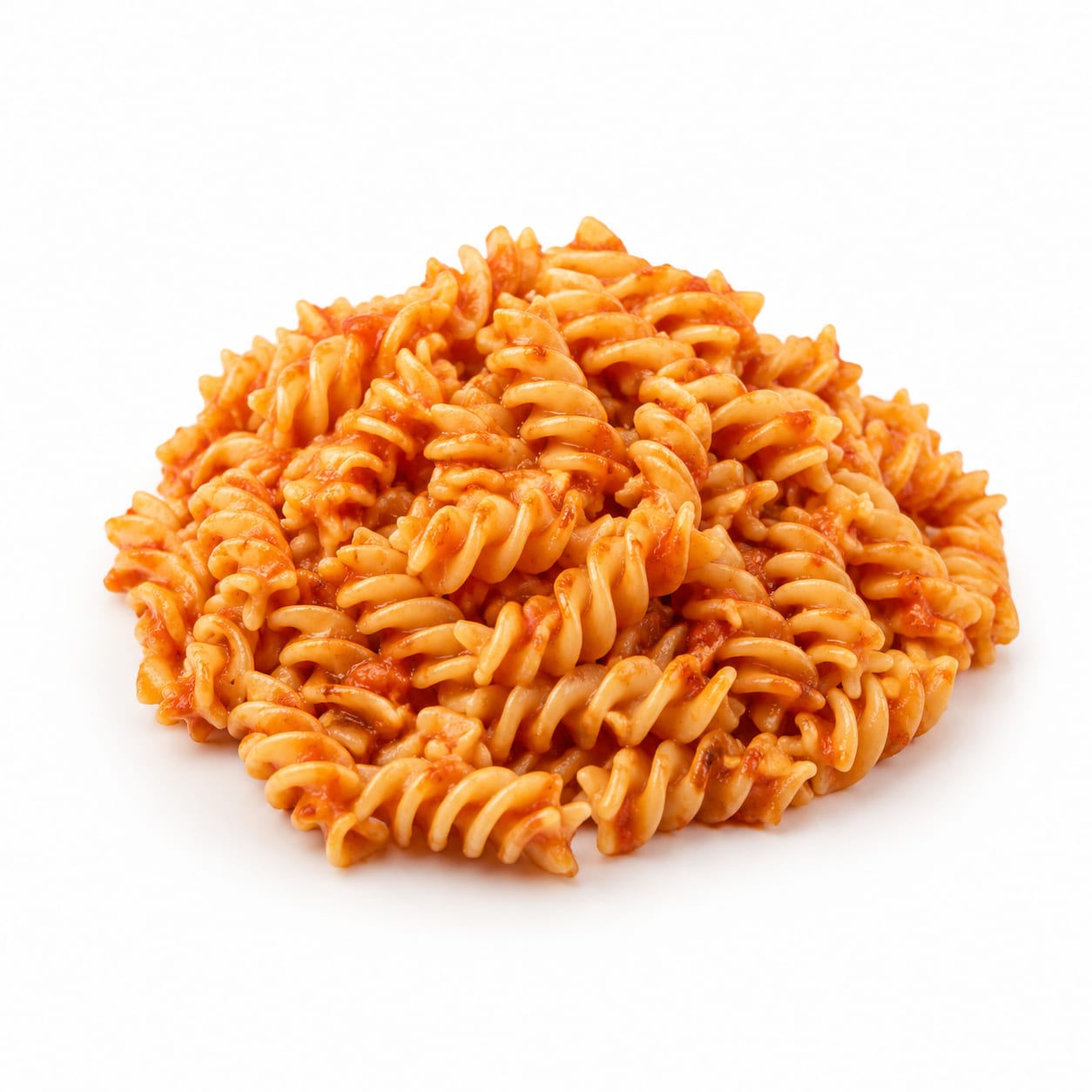
Fusilli
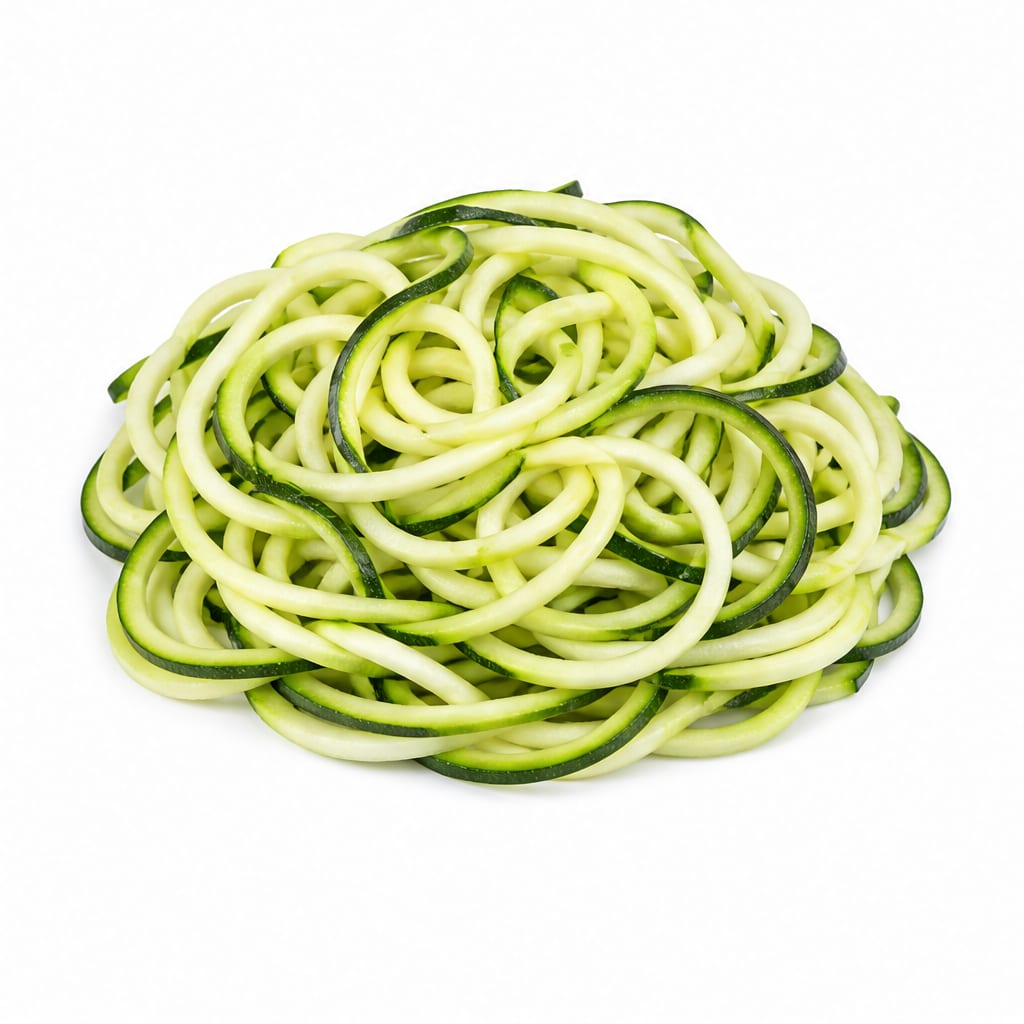
Zucchini Noodles
Fusilli delivers comforting, energy-dense fuel, while Zucchini Noodles offer a low-calorie, low-carb vehicle for sauces.
Zucchini Noodles score higher due to their low calorie density and blood sugar benefits, but Fusilli remains relevant for energy and satiety, keeping the gap moderate.
Satiety and energy from complex carbs in Fusilli versus the drastic calorie and carbohydrate savings of Zucchini Noodles.
At a glance
Executive summary
Overall
It depends
Healthier
Zucchini Noodles
More practical
Fusilli
Daily use
Zucchini Noodles
Key comparison lenses
Low-carb diet compatibility
The primary reason people swap traditional pasta for vegetable noodles is to drastically reduce carbohydrate intake.
Weight loss and calorie reduction
Zucchini Noodles offer massive calorie savings compared to Fusilli, making them a go-to for calorie restrictors.
Meal satisfaction and comfort
Fusilli provides the classic comforting, filling pasta experience, while Zucchini Noodles can feel light or unsatisfying without heavy sauces.
Best choice for
Fusilli
- Athletes needing carb fuel
- People wanting a filling, comforting meal
- Those with high caloric needs
Zucchini Noodles
- People managing blood sugar or diabetes
- Anyone cutting calories for weight loss
- Low-carb or keto dieters
Least suitable for
Fusilli
- People with insulin resistance or severe blood sugar issues
- Strict low-carb dieters
- Sedentary individuals watching their weight
Zucchini Noodles
- Athletes carb-loading before an event
- Those needing long-lasting energy from a meal
- People who feel unsatisfied by light meals
Deep comparison
Dimension by dimension
Each lens scores both foods and breaks down who each option suits.
- Dimension 1 · Priority 95Zucchini Noodles
Calorie Density & Weight Management
Fusilli · 25Zucchini Noodles · 98Zucchini Noodles are dramatically lower in calories, allowing you to eat a large volume for very few calories.
Tradeoff
You save hundreds of calories with Zucchini Noodles, but you lose the dense, stomach-filling physical presence of Fusilli.
Why it matters
If you are trying to lose weight, swapping Fusilli for Zucchini Noodles is one of the easiest ways to create a calorie deficit without reducing portion size.
Real-world impact
A massive plate of Zucchini Noodles with marinara feels like a huge meal but costs under 100 calories, whereas a similar plate of Fusilli can easily exceed 400 calories before sauce.
Fusilli
- Bulking up when you struggle to eat enough
Better for
- Easy to overeat calories
- Portion creep
Worse for
Zucchini Noodles
- Cutting calories without shrinking your plate
- Eating large volumes on a diet
Better for
- Struggling to meet daily calorie minimums
Worse for
- Dimension 2 · Priority 90Zucchini Noodles
Blood Sugar & Energy Stability
Fusilli · 35Zucchini Noodles · 95Fusilli causes a significant blood sugar spike, while Zucchini Noodles have virtually zero glycemic impact.
Tradeoff
Fusilli gives you quick, accessible energy but risks a crash later. Zucchini Noodles keep blood sugar flat but provide zero direct energy.
Why it matters
Stable blood sugar means fewer afternoon energy crashes and reduced cravings.
Real-world impact
Eating Fusilli at lunch might leave you sleepy by 2 PM, whereas Zucchini Noodles keep your energy steady, provided you add protein and healthy fats to the meal.
Fusilli
- Pre-workout carb loading
- Replenishing glycogen after intense exercise
Better for
- Triggering sugar cravings after the crash
- Spiking blood glucose
Worse for
Zucchini Noodles
- Managing insulin resistance
- Avoiding the afternoon energy crash
Better for
- Fueling high-intensity workouts without added carbs
Worse for
- Dimension 3 · Priority 85Fusilli
Satiety & Fullness
Fusilli · 88Zucchini Noodles · 45Fusilli is physically filling and takes longer to digest, while Zucchini Noodles are mostly water and digest quickly.
Tradeoff
Fusilli keeps you full for hours but is calorie-dense. Zucchini Noodles are low-calorie but can leave you hungry an hour later if eaten alone.
Why it matters
A meal that doesn't keep you full leads to snacking and higher overall daily intake.
Real-world impact
A bowl of Fusilli will likely keep you full until your next meal. A bowl of plain Zucchini Noodles might have you reaching for a snack shortly after.
Fusilli
- Staying full on long workdays
- Avoiding between-meal snacking
Better for
- Feeling overly stuffed or sluggish
Worse for
Zucchini Noodles
- Light meals before a workout
- Late-night eating when you want something light
Better for
- Feeling hungry again quickly
- Needing to add heavy sauces or proteins to feel satisfied
Worse for
- Dimension 4 · Priority 75Zucchini Noodles
Nutrient Density
Fusilli · 40Zucchini Noodles · 82Zucchini Noodles bring vitamins, minerals, and antioxidants, while Fusilli is mostly refined starch with minimal micronutrients unless enriched.
Tradeoff
You get actual vitamins from Zucchini Noodles, but you miss out on the fortified iron and B-vitamins found in some Fusilli.
Why it matters
Micronutrients support long-term health, immune function, and energy production.
Real-world impact
Choosing Zucchini Noodles contributes to your daily vegetable intake and provides vitamin C and potassium, whereas Fusilli acts purely as an energy source.
Fusilli
- Getting fortified iron and folate if using enriched pasta
Better for
- Empty calories if not enriched
- Lacking fiber unless whole wheat
Worse for
Zucchini Noodles
- Boosting daily vegetable intake
- Getting potassium and vitamin C
Better for
- Not a significant source of sustained energy
Worse for
- Dimension 5 · Priority 70Fusilli
Culinary Versatility & Satisfaction
Fusilli · 85Zucchini Noodles · 60Fusilli holds sauce beautifully and delivers the classic chewy pasta texture. Zucchini Noodles can get mushy and release water into sauces.
Tradeoff
Fusilli gives a superior mouthfeel and dining experience, while Zucchini Noodles require extra prep to avoid a watery, soggy dish.
Why it matters
If a healthy swap tastes terrible, you won't stick with it. Texture matters for long-term dietary satisfaction.
Real-world impact
Fusilli twirls perfectly on a fork and clings to thick sauces. Zucchini Noodles require salting and patting dry, and they still might water down your Alfredo.
Fusilli
- Hearty, comforting family dinners
- Dishes where sauce adhesion is key
Better for
- Feeling heavy after eating in hot weather
Worse for
Zucchini Noodles
- Light, refreshing summer meals
- Raw or barely-cooked dishes
Better for
- Turning into a watery mess in baked dishes
- Failing to satisfy a true pasta craving
Worse for
Timeline
Health impact over time
Short-term
Hours to days
Fusilli
- Quick energy boost from carbohydrates
- Potential feeling of heaviness or bloating after large portions
- Post-meal drowsiness due to blood sugar spike and drop
Zucchini Noodles
- Feeling light and energized after eating
- Potential hunger shortly after if not paired with protein or fat
- Immediate hydration from high water content
Long-term
Months to years
Fusilli
- Risk of weight gain if portions are not controlled
- Potential for worsened insulin sensitivity with frequent high-carb meals
- Sustained energy for highly active lifestyles
Zucchini Noodles
- Easier weight maintenance due to low calorie density
- Improved blood sugar control and reduced diabetes risk
- Better digestive regularity from water and fiber content
Risk profile
Safety & processing
Zucchini Noodles are a whole food, simply cut into a pasta shape. Fusilli is a processed food made from milled flour and water, though it contains minimal artificial additives.
Fusilli
Gluten intolerance
mediumTraditional Fusilli contains wheat, which triggers digestive issues for those with celiac disease or gluten sensitivity.
Zucchini Noodles
Pesticide residue
mediumZucchini is conventionally grown with pesticides; washing thoroughly or choosing organic reduces this exposure.
Bitter squash toxins
lowRarely, zucchini can produce cucurbitacins, causing extreme bitterness and stomach upset. If it tastes unusually bitter, spit it out.
Who wins for whom
Audience fit
Same foods, different winners depending on your goal.
children
FusilliKids need energy-dense foods for growth and are often put off by the texture of vegetable noodles, making Fusilli a more reliable choice.
daily consumption
Zucchini NoodlesEating Zucchini Noodles daily boosts vegetable intake and keeps calories in check, whereas daily Fusilli can easily lead to overconsumption of refined carbs.
diabetes
Zucchini NoodlesZucchini Noodles have virtually zero carbs and will not spike blood sugar, making them a safe pasta alternative.
elderly
Zucchini NoodlesZucchini Noodles are easier to chew, lower in calories, and help manage blood sugar, which is crucial for older adults.
muscle gain
FusilliFusilli provides the dense carbohydrates needed to fuel heavy training and replenish glycogen stores for muscle recovery.
weight loss
Zucchini NoodlesZucchini Noodles allow for massive portion sizes with minimal calories, making a calorie deficit effortless.
Your move
Decision guide
Choose Fusilli
- You are an athlete or highly active person needing carb fuel
- You want a deeply satisfying, comforting meal
- You are at a healthy weight and not worried about blood sugar
Choose Zucchini Noodles
- You are trying to lose weight or eat fewer calories
- You need to keep your blood sugar stable
- You want to increase your daily vegetable intake
Either works if
- You want a base for a protein-heavy sauce and don't mind mixing it up
- You are eating a balanced diet and just want a nice dinner
Avoid both if
- You have severe IBS and are sensitive to both wheat and FODMAPs in large amounts of zucchini
Final recommendation
Use Zucchini Noodles as your everyday base to keep calories low and nutrients high, but keep Fusilli in rotation for post-workout meals or when you truly crave the real thing. You can also mix them half-and-half for a compromise that boosts volume without losing all the comforting texture.
Practical
Consumer tips
- 1
Salt Zucchini Noodles and let them sit for 15 minutes, then squeeze out the water with a towel to prevent a soggy meal.
- 2
Pair Zucchini Noodles with a fat and protein source like ground turkey or olive oil to keep yourself full.
- 3
Opt for whole wheat or legume-based Fusilli if you want the pasta texture but need more fiber and protein.
- 4
Try mixing half Fusilli and half Zucchini Noodles to cut calories while maintaining the classic pasta chew.