
Nutrition comparison
Fusilli vs White Rice: Which Carb Is Better for Energy and Satiety?
Compare fusilli and white rice to see which is better for blood sugar, weight loss, and digestion. Learn the nutritional tradeoffs and when to choose each.
Overall winner · Fusilli
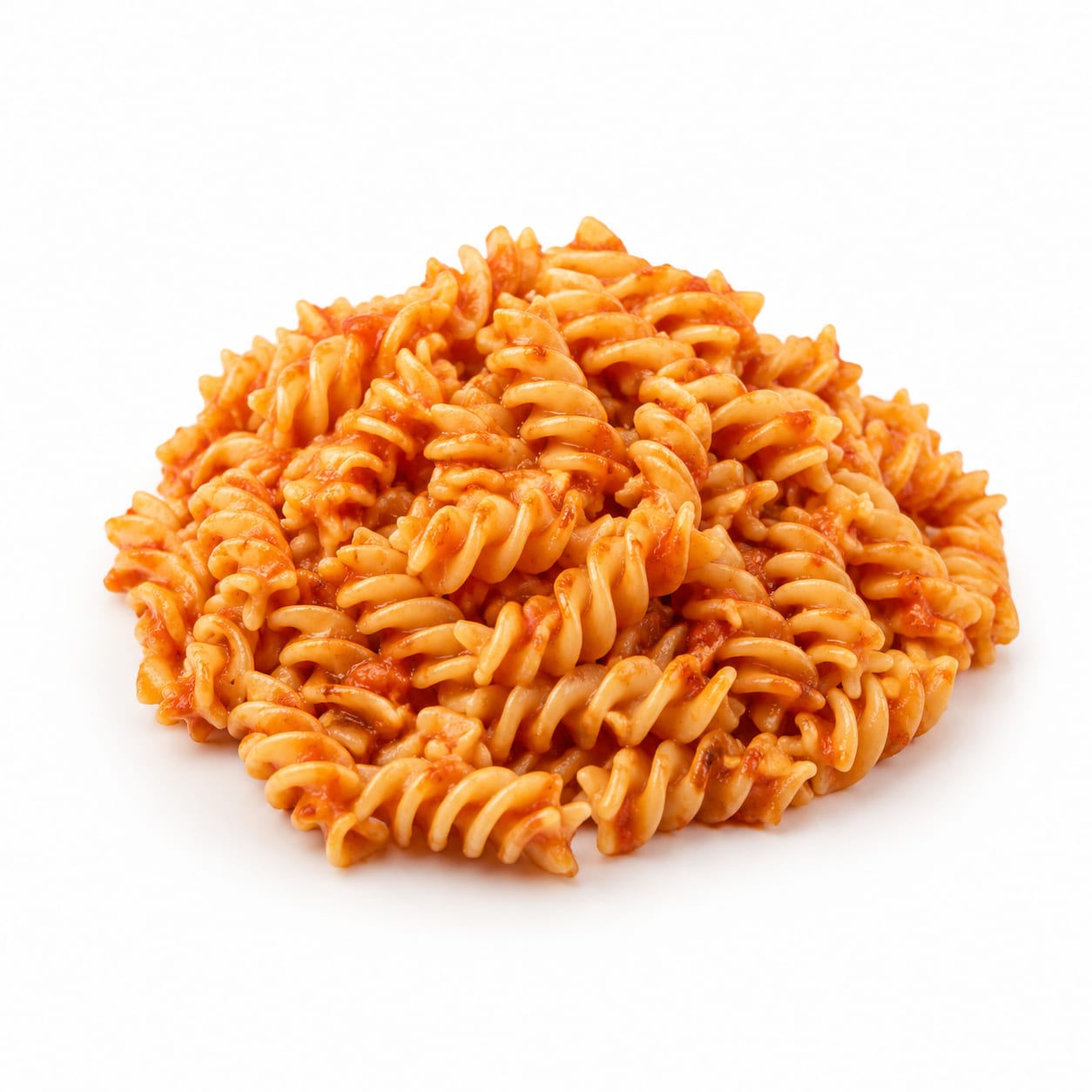
Fusilli
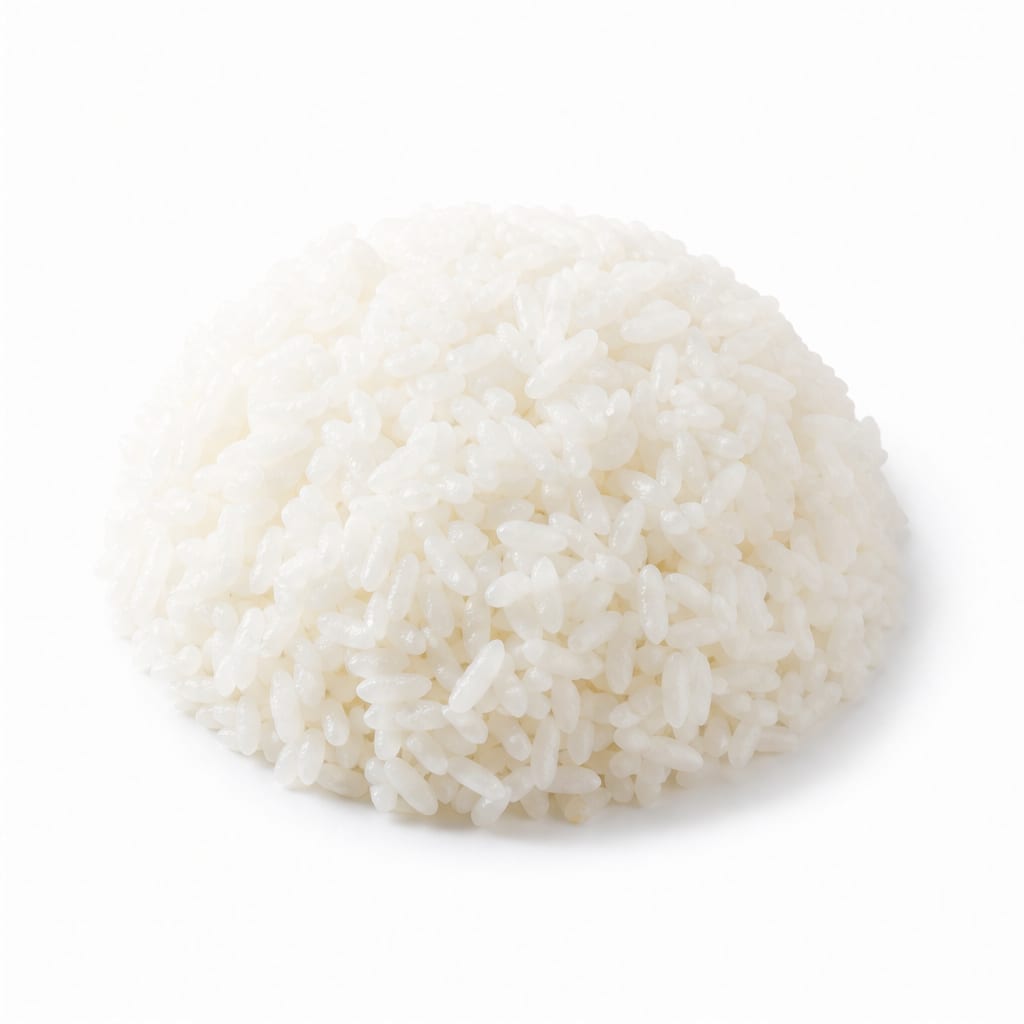
White Rice
Fusilli provides steadier energy and keeps you fuller longer, making it the better everyday carb, though white rice wins for quick digestion and immediate energy.
Fusilli scores higher due to its lower glycemic impact and higher satiety, though neither is a nutritional powerhouse since both are refined grains.
Sustained energy and satiety versus quick digestion and faster blood sugar spikes.
At a glance
Executive summary
Overall
Fusilli
Healthier
Fusilli
More practical
It depends
Daily use
Fusilli
Key comparison lenses
blood sugar stability
Both are refined carbohydrates, but their starch structures digest at very different rates, heavily impacting energy crashes.
satiety and portion control
It is very easy to overeat white rice, while fusilli's shape and protein content naturally curb portions.
digestive tolerance
White rice is a classic bland food for upset stomachs, whereas fusilli contains gluten and is heavier to digest.
meal versatility and pairing
Fusilli holds sauces well for hearty meals, while white rice acts as a neutral sponge for stir-fries and curries.
Best choice for
Fusilli
- Athletes needing sustained carb release
- People trying to control portions
- Anyone wanting a filling base for veggie-heavy sauces
White Rice
- Post-workout rapid glycogen replenishment
- Anyone with an upset stomach or digestive distress
- Gluten-free eaters
Least suitable for
Fusilli
- People with celiac disease or gluten intolerance
- Anyone needing a quick digesting pre-workout meal
White Rice
- People with diabetes or insulin resistance
- Those struggling with afternoon energy crashes
Deep comparison
Dimension by dimension
Each lens scores both foods and breaks down who each option suits.
- Dimension 1 · Priority 90Fusilli
blood sugar stability
Fusilli · 70White Rice · 40Fusilli digests much slower than white rice, preventing sharp blood sugar spikes and subsequent crashes.
Tradeoff
You get steadier energy with fusilli, but white rice delivers faster fuel if you are depleted after intense exercise.
Why it matters
Stable blood sugar means fewer cravings and better focus throughout the afternoon.
Real-world impact
Eating white rice at lunch often leads to a 3 PM energy slump, while fusilli keeps you cruising longer.
Fusilli
- Avoiding the afternoon crash
- Managing insulin resistance
- Staying full between meals
Better for
- Situations requiring instantly available glucose
Worse for
White Rice
- Rapid recovery after a marathon or heavy lift
- Quick energy before a short intense event
Better for
- Sedentary days where quick energy just turns into fat
- Anyone prone to sugar cravings
Worse for
- Dimension 2 · Priority 85Fusilli
satiety and fullness
Fusilli · 75White Rice · 50Fusilli is significantly more filling per calorie, largely due to its higher protein content and denser physical structure.
Tradeoff
You feel more satisfied after fusilli, but white rice leaves room in your stomach for more nutrient-dense sides like vegetables and lean proteins.
Why it matters
Feeling full naturally prevents overeating without requiring willpower.
Real-world impact
A bowl of white rice vanishes quickly, often prompting a second helping, whereas fusilli feels heavy and satisfying long after the meal.
Fusilli
- Weight management
- Reducing snacking between meals
- Feeling satisfied on a calorie deficit
Better for
- Trying to eat a large volume of food on a bulk
Worse for
White Rice
- Refeeding after illness when appetite is low
Better for
- Late-night meals where overeating disrupts sleep
Worse for
- Dimension 3 · Priority 75White Rice
digestive tolerance
Fusilli · 50White Rice · 90White rice is extremely gentle on the digestive tract, while fusilli contains gluten and requires more effort to break down.
Tradeoff
White rice is incredibly soothing for an upset stomach, but its low fiber means it contributes less to long-term gut health.
Why it matters
When your stomach is off, easily digestible carbs prevent further irritation and provide safe calories.
Real-world impact
White rice is a go-to comfort food when you are nauseous, whereas fusilli can feel heavy and bloating if you are already sensitive.
Fusilli
- Providing resistant starch if cooked and cooled
Better for
- Celiac disease or non-celiac gluten sensitivity
- Acute digestive upset
Worse for
White Rice
- Recovering from a stomach bug
- Easing gastrointestinal distress
- Low-residue diets
Better for
- Building a high-fiber gut-friendly diet
Worse for
- Dimension 4 · Priority 60Fusilli
nutrient density
Fusilli · 55White Rice · 45Fusilli contains slightly more protein and often more enriched iron and B vitamins compared to white rice.
Tradeoff
Neither is a nutritional standout, but fusilli offers marginally more building blocks for muscle and energy metabolism.
Why it matters
Even small differences in protein and micronutrients add up when a food is a dietary staple.
Real-world impact
A serving of fusilli contributes a small but useful amount of protein to a meal, while white rice offers almost purely carbohydrates.
Fusilli
- Supporting muscle maintenance
- Getting slightly more iron and B vitamins
Better for
- Replacing whole grains or legumes
Worse for
White Rice
- Pure carb loading without protein interference
Better for
- Risking nutrient deficiencies if eaten as a primary staple
Worse for
Timeline
Health impact over time
Short-term
Hours to days
Fusilli
- Provides steady, slow-burning energy
- Promotes a lasting feeling of fullness
- Can cause bloating in gluten-sensitive individuals
White Rice
- Delivers quick energy but may cause a blood sugar crash
- Leaves you hungry again sooner
- Very soothing for an upset stomach
Long-term
Months to years
Fusilli
- Better glycemic control reduces risk of metabolic syndrome
- Higher protein supports lean muscle retention
- Regular consumption of refined wheat may trigger inflammatory markers in sensitive people
White Rice
- Frequent high glycemic spikes increase risk of type 2 diabetes
- Very low fiber contributes to chronic constipation
- Arsenic accumulation is a concern with heavy rice consumption
Risk profile
Safety & processing
Both are refined grains stripped of their bran and germ, though neither typically contains artificial additives unless pre-seasoned.
Fusilli
Gluten intolerance and celiac reactions
highContains wheat gluten, which triggers severe autoimmune responses in celiac patients and discomfort in gluten-sensitive individuals.
White Rice
Arsenic exposure
mediumWhite rice, depending on origin, can accumulate inorganic arsenic from soil and water, posing long-term health risks if consumed daily in large amounts.
Who wins for whom
Audience fit
Same foods, different winners depending on your goal.
children
White RiceWhite rice is hypoallergenic, easy to chew, and gentle on developing digestive systems.
daily consumption
It dependsFusilli is better for active people needing sustained energy, while white rice suits those needing easily digestible calories or eating gluten-free.
diabetes
FusilliFusilli has a notably lower glycemic index, causing smaller blood sugar spikes than white rice.
elderly
White RiceWhite rice is softer, easier to chew, and much gentler on aging digestive tracts.
muscle gain
FusilliThe extra protein and steady carb release support muscle repair and glycogen replenishment without the crash.
weight loss
FusilliFusilli's higher satiety and protein content make it easier to eat fewer calories without feeling deprived.
Your move
Decision guide
Choose Fusilli
- You want to stay full and energized for hours
- You are cooking a hearty meal with a savory sauce
- You are trying to manage blood sugar or weight
Choose White Rice
- You need a gentle meal for an upset stomach
- You are eating gluten-free
- You just finished a grueling workout and need fast carbs
Either works if
- You are pairing it with a massive portion of vegetables and lean protein, making the carb choice less critical
- You are eating it only occasionally as a side dish
Avoid both if
- You are strictly limiting refined carbohydrates
- You have access to whole grain alternatives like brown rice or whole wheat pasta
Final recommendation
Choose fusilli for everyday meals where energy and fullness matter most. Opt for white rice when you need quick digestion, are recovering from illness, or require a gluten-free option. For the healthiest approach, cook your fusilli al dente and let your white rice cool before eating to boost resistant starch.
Practical
Consumer tips
- 1
Cook fusilli al dente to further lower its glycemic index and keep its satisfying chew.
- 2
Cool white rice in the fridge after cooking, then reheat it to create resistant starch, which feeds good gut bacteria and reduces the blood sugar spike.
- 3
Rinsing white rice before cooking can reduce arsenic levels by up to 30 percent.
- 4
Always pair either carb with a healthy fat and a protein to blunt the blood sugar response.
- 5
Swap to whole wheat fusilli or brown rice if you eat these foods more than twice a week to dramatically improve fiber intake.