
Nutrition comparison
Fusilli vs Spaghetti: Which Pasta Shape Is Better for Your Health and Meals?
Compare Fusilli and Spaghetti nutrition, sauce retention, glycemic impact, and cooking convenience. Learn which pasta shape fits your meals, diet goals, and lifestyle better.
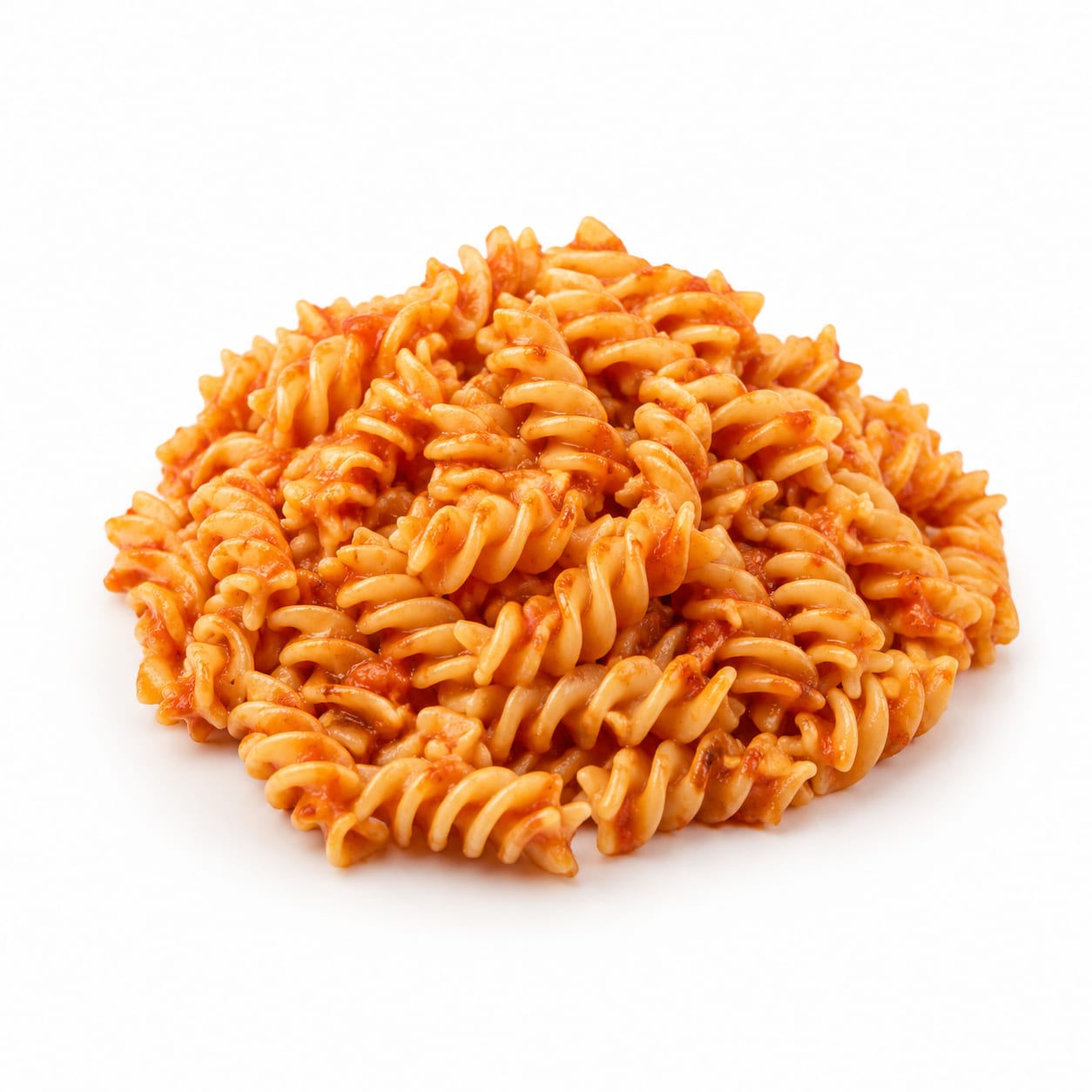
Fusilli
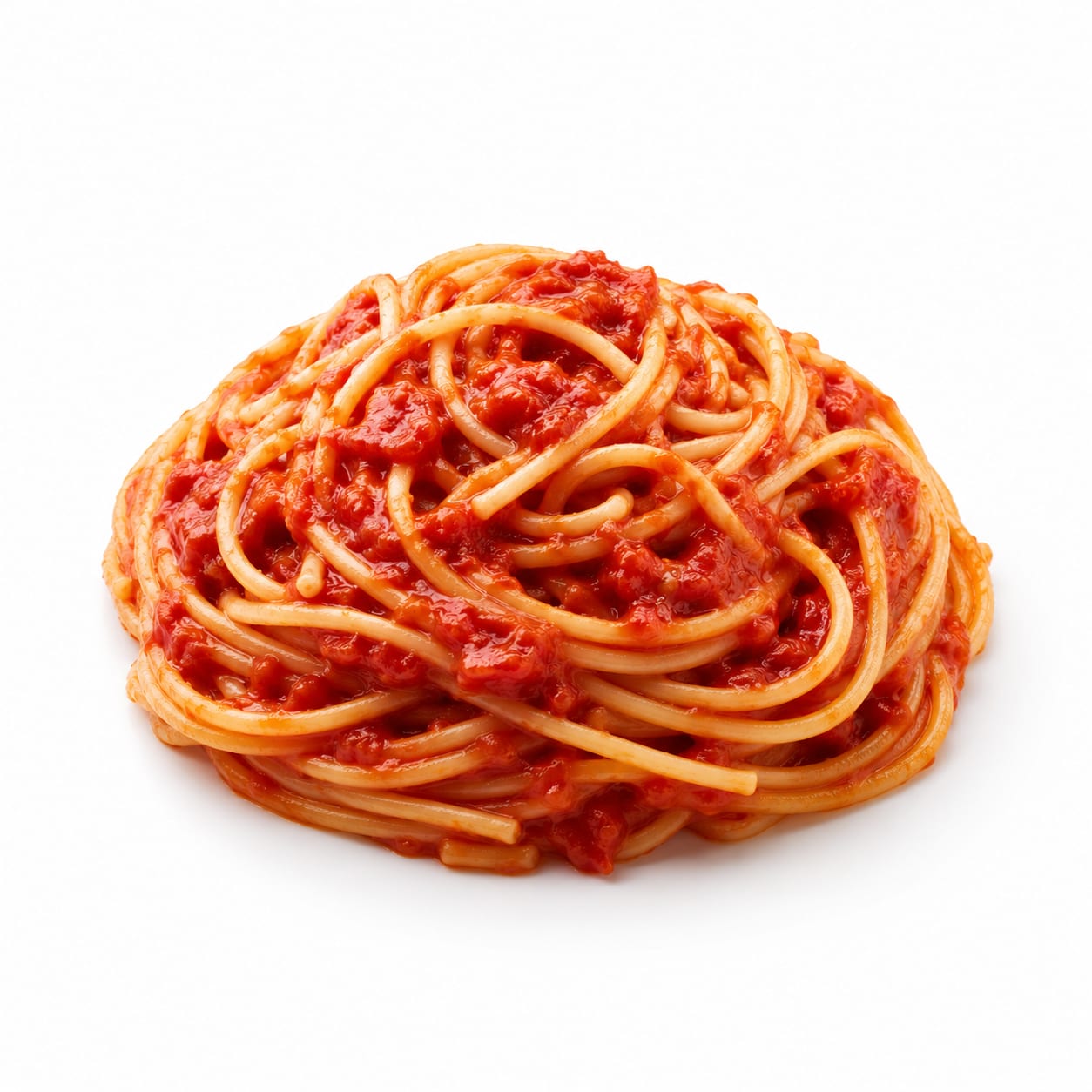
Spaghetti
Nutritionally near-identical, but Fusilli holds sauce better for more satisfying meals while Spaghetti offers faster cooking and classic versatility.
Scores are extremely close because both are made from identical ingredients. Fusilli edges ahead slightly due to better sauce retention leading to more satisfying meals with less added fat, but the margin is slim and context-dependent.
Fusilli gives you more flavor per bite and better sauce economy, but Spaghetti is quicker to cook and more traditional for certain dishes.
At a glance
Executive summary
Overall
It depends
Healthier
It depends
More practical
Spaghetti
Daily use
It depends
Key comparison lenses
sauce retention and meal satisfaction
The spiral shape of Fusilli dramatically changes how sauce clings, affecting both flavor and caloric intake from sauces
versatility across dishes
Users want to know which shape works better for everyday meals, cold salads, and different sauce types
glycemic impact and digestion rate
Shape density differences can slightly alter how quickly carbohydrates are broken down and absorbed
satiety and portion control
Texture and sauce interaction affect how satisfying a meal feels, impacting overeating risk
cooking convenience and consistency
Practical differences in cooking time, evenness, and ease of preparation matter for daily use
Best choice for
Fusilli
- Heavy, chunky sauces like bolognese or pesto
- Cold pasta salads for meal prep
- Families wanting more flavor with less sauce
- People who eat slowly and enjoy textured bites
Spaghetti
- Light oil-based or thin tomato sauces
- Quick weeknight dinners with minimal cleanup
- Classic Italian recipes requiring traditional presentation
- Anyone who twirls pasta and prefers longer strands
Least suitable for
Fusilli
- Dishes requiring delicate sauce coating without trapping chunks
- Very thin broth-based sauces where spirals feel heavy
- Quick 5-minute meal needs
Spaghetti
- Thick, chunky sauces that slide right off smooth strands
- Cold pasta salads where long strands tangle and clump
- Saucy casseroles where sauce pooling is a problem
Deep comparison
Dimension by dimension
Each lens scores both foods and breaks down who each option suits.
- Dimension 1 · Priority 92Fusilli
sauce retention and flavor delivery
Fusilli · 88Spaghetti · 55Fusilli's spirals trap sauce in every crevice, delivering more flavor per bite and requiring less sauce overall.
Tradeoff
You get bolder flavor with Fusilli, but this also means calorie-dense sauces cling more aggressively if you are not careful with portions.
Why it matters
Better sauce retention means you can use less sauce to achieve the same flavor impact, which can reduce added fat and calories from oil-heavy or cream-based sauces.
Real-world impact
A tablespoon of pesto goes further on Fusilli, potentially saving 80-100 calories per meal compared to the amount needed to coat Spaghetti evenly.
Fusilli
- Pesto and chunky vegetable sauces
- Meat sauces with small pieces
- Cream-based sauces where you want controlled richness
Better for
- Delicate sauces where you want even thin coating
- Very oily sauces that pool in spirals excessively
Worse for
Spaghetti
- Clam sauce with thin broth
- Simple garlic and oil where light coating is preferred
- Cacio e pepe where cheese clings to smooth surfaces
Better for
- Thick sauces that slide off leaving bland bites
- Chunky sauces where ingredients settle to the bottom
Worse for
- Dimension 2 · Priority 78Fusilli
satiety and meal satisfaction
Fusilli · 74Spaghetti · 66Fusilli tends to feel more filling per serving due to its denser texture and the way sauce integrates into each bite.
Tradeoff
More satisfying texture can help with portion control, but the denser shape may feel heavier if you prefer lighter meals.
Why it matters
Meals that feel more satisfying reduce the urge to snack later, which matters for weight management and emotional eating patterns.
Real-world impact
You might feel full 20-30 minutes longer after Fusilli because the textured bites slow eating pace and the sauce integration creates a more complete flavor experience per mouthful.
Fusilli
- Lunch meals where you need lasting fullness until dinner
- Post-workout meals where satisfaction matters
- Anyone who tends to overeat plain pasta
Better for
- Late-night eating when you want something light
- Small appetizer courses
Worse for
Spaghetti
- Light dinners before bed
- Hot days when heavy meals feel oppressive
- Appetizer portions where you want lightness
Better for
- Main meals where you find yourself hungry again quickly
- Situations where you eat too fast and overshoot fullness
Worse for
- Dimension 3 · Priority 72Fusilli
glycemic impact and blood sugar stability
Fusilli · 58Spaghetti · 52Fusilli's denser, more compact shape may digest slightly slower than Spaghetti's thinner strands, offering marginally steadier blood sugar.
Tradeoff
The difference is small and easily overwhelmed by sauce choice, portion size, and cooking time.
Why it matters
Even small differences in digestion rate can affect whether you feel energized or sluggish an hour after eating, especially for people sensitive to carb-heavy meals.
Real-world impact
The glycemic difference is modest—perhaps 2-4 points on the glycemic index—so sauce and portion choices matter far more than shape alone.
Fusilli
- People monitoring blood sugar who want every small advantage
- Afternoon meals where energy crashes are a concern
Better for
- Anyone expecting a meaningful glycemic improvement from shape alone
Worse for
Spaghetti
- Pre-workout meals where faster energy availability is desired
- Situations where quick digestion is preferred
Better for
- Blood sugar-sensitive individuals who overcook pasta, raising its glycemic load further
Worse for
- Dimension 4 · Priority 68Spaghetti
cooking convenience and speed
Fusilli · 60Spaghetti · 78Spaghetti generally cooks faster and more evenly, while Fusilli's thicker spirals can have slight texture inconsistency if not stirred well.
Tradeoff
Faster cooking saves a few minutes, but Fusilli's sturdier shape holds up better in leftovers and meal prep.
Why it matters
On busy weeknights, even 2-3 minutes less cooking time matters, and Spaghetti is less prone to clumping or uneven doneness.
Real-world impact
Spaghetti is typically al dente in 8-9 minutes versus 10-12 for Fusilli, and you rarely bite into an undercooked center with straight strands.
Fusilli
- Meal prep where pasta sits in sauce overnight
- Cold pasta salads that need sturdy texture
- Baked pasta dishes requiring structural integrity
Better for
- Impatient cooks who pull pasta too early
- Small pots where spirals clump together
Worse for
Spaghetti
- Rush-hour weeknight cooking
- One-pot meals where quick even cooking matters
- Beginners who struggle with timing pasta perfectly
Better for
- Leftovers where strands congeal into a solid mass
- Pasta salads that become a tangled mess
Worse for
- Dimension 5 · Priority 75It depends
versatility and dish range
Fusilli · 76Spaghetti · 74Fusilli excels in cold dishes and chunky sauces; Spaghetti dominates in classic hot preparations and Asian-inspired noodle dishes.
Tradeoff
Neither is truly universal—your sauce and serving style should dictate the choice more than any nutritional consideration.
Why it matters
Having the right shape for your dish makes meals more enjoyable, which supports long-term healthy eating habits because satisfying food reduces junk food cravings.
Real-world impact
Using Fusilli for pasta salad and Spaghetti for carbonara is the kind of practical choice that makes home cooking feel rewarding rather than frustrating.
Fusilli
- Pasta salads for picnics and lunches
- Baked ziti-style casseroles
- Soups where you want substantial bites
Better for
- Asian-style noodle bowls
- Dishes where delicate presentation matters
Worse for
Spaghetti
- Stir-fry adjacent noodle dishes
- Traditional Italian recipes
- Dishes where twirling is part of the experience
Better for
- Cold salads and picnic food
- Kid-friendly meals where long strands are frustrating
Worse for
Timeline
Health impact over time
Short-term
Hours to days
Fusilli
- More consistent flavor per bite reduces the urge to add extra sauce or cheese
- Denser texture slows eating pace, which helps recognize fullness sooner
- Slightly steadier energy release due to marginally slower digestion
Spaghetti
- Faster cooking means less starch breakdown, potentially slightly lower glycemic impact if cooked al dente
- Lighter mouthfeel can feel more comfortable before physical activity
- Long strands encourage slower twirling which can pace eating naturally
Long-term
Months to years
Fusilli
- Better sauce economy may reduce long-term added fat intake from heavy sauces
- Sturdier shape holds up in meal prep, supporting batch cooking habits that reduce processed food reliance
- Spiral shape encourages vegetable-packed sauces that tuck into crevices naturally
Spaghetti
- Classic pairing with olive oil and simple sauces supports Mediterranean-style eating patterns
- Faster cooking may encourage more home-cooked meals over takeout on busy nights
- Familiar format makes portion estimation easier for people tracking intake
Risk profile
Safety & processing
Both Fusilli and Spaghetti are typically made from the same simple ingredients—durum wheat semolina and water. Neither has inherent processing advantages. Quality differences come down to brand, not shape. Bronze-die extruded versions of either offer better texture and sauce adhesion than Teflon-extruded varieties.
Fusilli
undercooked centers in thick spirals
lowDense Fusilli can occasionally harbor slightly undercooked centers if not stirred during boiling, but this is a texture issue rather than a safety concern with dried pasta.
Spaghetti
clumping and uneven cooking in small pots
lowLong Spaghetti strands need ample water and stirring to prevent sticking, but undercooking is rare and not a safety issue for dried pasta.
Who wins for whom
Audience fit
Same foods, different winners depending on your goal.
children
FusilliShort spirals are easier for small hands to scoop and less frustrating than long strands that require twirling or cutting.
daily consumption
It dependsRotate between both for variety. Fusilli for chunky sauces and salads, Spaghetti for quick meals and classic preparations.
diabetes
FusilliFusilli's marginally slower digestion offers a tiny glycemic advantage, though sauce choice and portion control matter far more than shape.
elderly
FusilliFusilli is easier to manage with limited dexterity and requires less cutting, while sauce retention helps when reduced appetite makes every bite's flavor count.
muscle gain
It dependsBoth provide identical carbohydrate fuel for training. Choose based on what sauce you pair it with—protein-rich sauces matter more than pasta shape.
weight loss
FusilliFusilli's sauce-trapping ability lets you use less sauce for the same flavor impact, and the denser texture promotes slower eating and earlier fullness recognition.
Your move
Decision guide
Choose Fusilli
- You regularly make chunky, vegetable-heavy, or meat sauces
- You meal prep pasta salads or baked dishes
- You want more flavor with less added sauce
- You cook for children or anyone who struggles with long noodles
- You find yourself adding extra sauce or cheese to make plain pasta satisfying
Choose Spaghetti
- You prefer simple, quick-cooking weeknight meals
- You make thin, oil-based, or delicate sauces
- You love the ritual of twirling pasta
- You cook Asian-inspired noodle dishes
- You want pasta that cooks 2-3 minutes faster on busy nights
Either works if
- You are choosing between whole wheat or legume-based versions of either shape
- Your sauce works well with both short and long pasta
- You are meal planning and want variety throughout the week
- Nutritional differences are your primary concern rather than culinary experience
Avoid both if
- You have celiac disease or gluten sensitivity and are considering standard wheat versions
- You are strictly limiting refined carbohydrates for blood sugar management
- You tend to overeat pasta regardless of shape—consider smaller portions or vegetable-based alternatives
Final recommendation
Keep both in your pantry. Use Fusilli when sauce is the star and you want every bite coated. Use Spaghetti when speed and simplicity matter. The nutritional difference is negligible—your sauce choices and portion sizes determine the health outcome far more than whether your pasta is spiraled or straight.
Practical
Consumer tips
- 1
Choose bronze-die extruded pasta in either shape for better sauce adhesion and firmer texture
- 2
Cook either shape al dente to lower glycemic impact and preserve more resistant starch
- 3
Pair Fusilli with chunky vegetable sauces to naturally increase fiber and micronutrient intake
- 4
If using Spaghetti with heavy sauce, finish cooking the pasta in the sauce for better integration
- 5
For meal prep, Fusilli holds texture better overnight—Spaghetti tends to clump and stick
- 6
Whole wheat or chickpea versions of either shape offer more protein and fiber with the same culinary benefits
- 7
Reserve a half cup of pasta water before draining—starchy water helps any sauce cling to either shape