
Nutrition comparison
Fusilli vs Soba Noodles: Which is Healthier?
Compare Fusilli vs Soba Noodles for nutrition, blood sugar impact, and weight loss. Discover which noodle is better for your health goals.
Overall winner · Soba Noodles
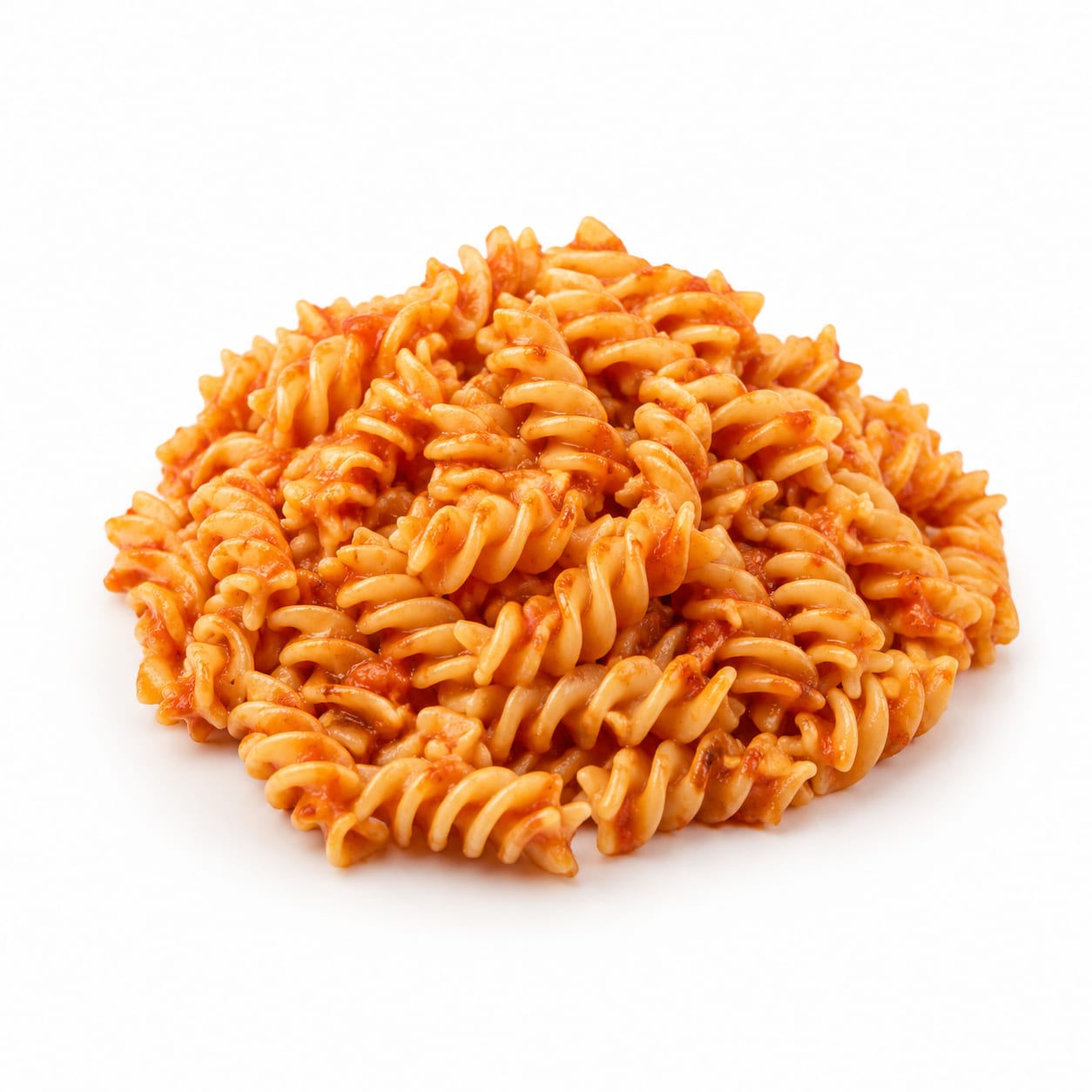
Fusilli
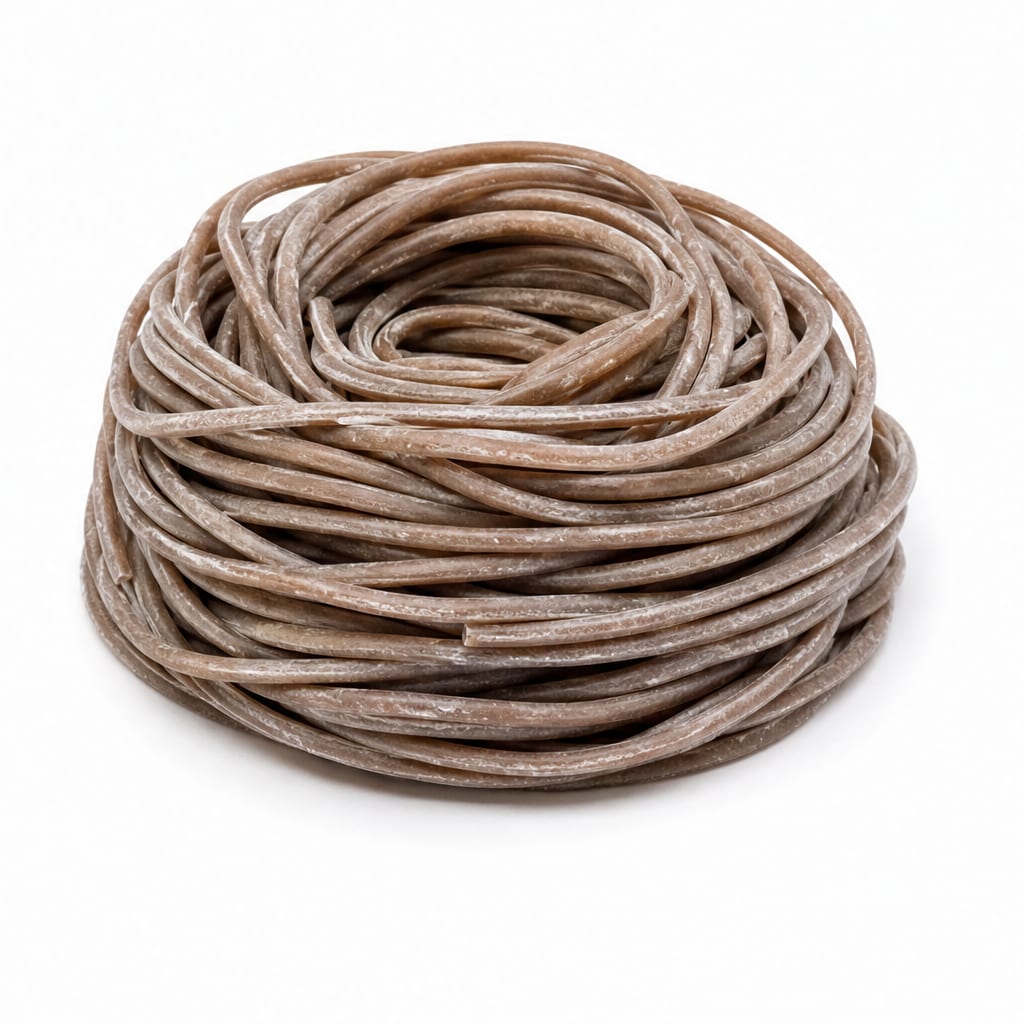
Soba Noodles
Soba Noodles edge out Fusilli with better blood sugar control and a richer micronutrient profile, though Fusilli wins for heartier, sauce-heavy meals.
Soba Noodles score higher due to the nutritional advantages of buckwheat, including better fiber and micronutrients, while Fusilli remains a solid but more basic refined carb option.
Light, nutrient-dense buckwheat comfort versus dense, sauce-loving wheat satisfaction.
At a glance
Executive summary
Overall
Soba Noodles
Healthier
Soba Noodles
More practical
It depends
Daily use
Soba Noodles
Key comparison lenses
Carb quality and blood sugar impact
Buckwheat offers a vastly different glycemic response compared to refined durum wheat.
Gluten and digestive tolerance
Soba can be gluten-free if pure buckwheat, while Fusilli is strictly high-gluten.
Nutritional density and micronutrients
Buckwheat provides unique antioxidants and minerals that standard wheat pasta lacks.
Meal lightness vs heartiness
Users often choose between a light noodle bowl and a heavy, comforting pasta dish.
Best choice for
Fusilli
- Hearty pasta cravings
- Thick sauce pairings
- High-calorie bulking
Soba Noodles
- Lighter meals
- Blood sugar management
- Gluten-sensitive diets (if 100% buckwheat)
Least suitable for
Fusilli
- Low-carb diets
- Gluten intolerance
- Blood sugar control
Soba Noodles
- Heavy comfort food cravings
- Rich cream sauce dishes
Deep comparison
Dimension by dimension
Each lens scores both foods and breaks down who each option suits.
- Dimension 1 · Priority 92Soba Noodles
Blood Sugar Stability
Fusilli · 55Soba Noodles · 78Soba Noodles cause a slower, steadier rise in blood sugar compared to traditional Fusilli.
Tradeoff
You get steadier energy with Soba, but miss out on the dense carb rush that fuels intense workouts.
Why it matters
Avoiding blood sugar spikes prevents that afternoon crash and keeps cravings in check.
Real-world impact
You feel satisfied longer after a Soba bowl instead of hunting for a snack an hour after a pasta lunch.
Fusilli
- Pre-workout carb loading
Better for
- Diabetes management
- Avoiding energy crashes
Worse for
Soba Noodles
- Steady afternoon energy
- Managing sugar cravings
Better for
- Quick energy recovery post-workout
Worse for
- Dimension 2 · Priority 85Soba Noodles
Nutrient Density
Fusilli · 40Soba Noodles · 82Buckwheat in Soba brings fiber, magnesium, and the antioxidant rutin, while Fusilli offers mostly empty carbs.
Tradeoff
Soba delivers actual vitamins and minerals, whereas Fusilli relies on what you pair it with for nutrition.
Why it matters
More nutrients per bite means better long-term health without extra effort.
Real-world impact
Eating Soba regularly supports heart health and circulation, thanks to rutin, without needing supplements.
Fusilli
- Preventing nutrient gaps
- Reducing inflammation
Worse for
Soba Noodles
- Heart health
- Meeting daily mineral needs
Better for
- Dimension 3 · Priority 88Soba Noodles
Digestive Tolerance
Fusilli · 50Soba Noodles · 75Pure buckwheat Soba is gluten-free and easier on the gut, while Fusilli's gluten and density can cause bloating.
Tradeoff
Soba is lighter on the stomach, but 100% buckwheat versions are more fragile and harder to cook perfectly.
Why it matters
Feeling light after eating instead of bloated makes a huge difference in your day.
Real-world impact
A Soba noodle salad leaves you comfortable, whereas a heavy Fusilli dish might have you unbuckling your belt.
Fusilli
- Sensitive stomachs
- Celiac or gluten intolerance
Worse for
Soba Noodles
- Gluten-sensitive individuals
- Avoiding post-meal bloating
Better for
- Dimension 4 · Priority 80Fusilli
Culinary Satisfaction & Versatility
Fusilli · 88Soba Noodles · 72Fusilli's spirals hold onto thick sauces beautifully, whereas Soba works best with lighter broths and dressings.
Tradeoff
Fusilli delivers that deeply satisfying, heavy meal feeling, while Soba leans lighter and more delicate.
Why it matters
Food should be enjoyable; sometimes only a hearty pasta hits the emotional spot.
Real-world impact
When you need a comforting bowl of bolognese, Fusilli delivers the experience Soba simply can't match.
Fusilli
- Comfort food cravings
- Heavy sauce recipes
Better for
- Hot summer meals
- Light eating goals
Worse for
Soba Noodles
- Cold noodle salads
- Light broths
Better for
- Hearty winter comfort meals
Worse for
Timeline
Health impact over time
Short-term
Hours to days
Fusilli
- Quick energy boost from refined carbs
- Potential post-meal heaviness or bloating
Soba Noodles
- Steady energy without the crash
- Light feeling in the stomach
Long-term
Months to years
Fusilli
- Risk of elevated blood sugar if eaten frequently without fiber or protein
- Potential for weight gain if portions are large
Soba Noodles
- Improved cardiovascular health from rutin
- Better blood sugar regulation over time
Risk profile
Safety & processing
Both are relatively simple foods, but Soba Noodles made from just buckwheat and water are closer to a whole food form than refined wheat Fusilli.
Fusilli
Gluten intolerance
mediumContains high gluten which triggers issues for those with celiac or sensitivity.
Soba Noodles
Hidden wheat in blends
mediumMany commercial Soba Noodles add wheat flour for texture, so they aren't always gluten-free unless labeled 100% buckwheat.
Who wins for whom
Audience fit
Same foods, different winners depending on your goal.
children
FusilliKids typically prefer the familiar texture and taste of Fusilli, and it's easier to hide veggies in the sauce.
daily consumption
Soba NoodlesThe superior nutritional profile and lighter digestive load make Soba a better everyday staple.
diabetes
Soba NoodlesBuckwheat has a lower glycemic index and improves glucose tolerance compared to durum wheat.
elderly
Soba NoodlesSoba is easier to digest, lighter on the stomach, and the rutin supports vascular health common in aging.
muscle gain
FusilliFusilli provides a denser, more abundant carb source to fuel heavy training and replenish glycogen.
weight loss
Soba NoodlesSoba's higher fiber and protein keep you full on fewer calories, and its lighter profile prevents overeating.
Your move
Decision guide
Choose Fusilli
- You are meal prepping for intense workouts
- You need a base for a rich, hearty sauce
- Comfort food is a priority tonight
Choose Soba Noodles
- You want a light but satisfying lunch
- You are managing blood sugar or weight
- You need a gluten-free option (ensure 100% buckwheat)
Either works if
- You are simply craving noodles
- You are building a balanced bowl with plenty of protein and veggies
Avoid both if
- You are on a strict keto or very low-carb diet
Final recommendation
Keep both in your pantry: Soba Noodles for lighter, nutrient-packed everyday meals, and Fusilli for when comfort and hearty sauces call.
Practical
Consumer tips
- 1
Check the label on Soba Noodles—look for 100% buckwheat if you want gluten-free and maximum nutrition.
- 2
Rinse Soba Noodles after cooking to remove excess starch and improve texture.
- 3
Pair Fusilli with protein and healthy fats to slow down the blood sugar spike.
- 4
Don't overcook Soba; it gets mushy much faster than Fusilli.