
Nutrition comparison
Fusilli vs Rotini: Which Spiral Pasta Should You Choose?
Fusilli and Rotini look similar but perform differently in the kitchen. Learn which spiral pasta holds sauce better, which has a more satisfying chew, and when to use each one.
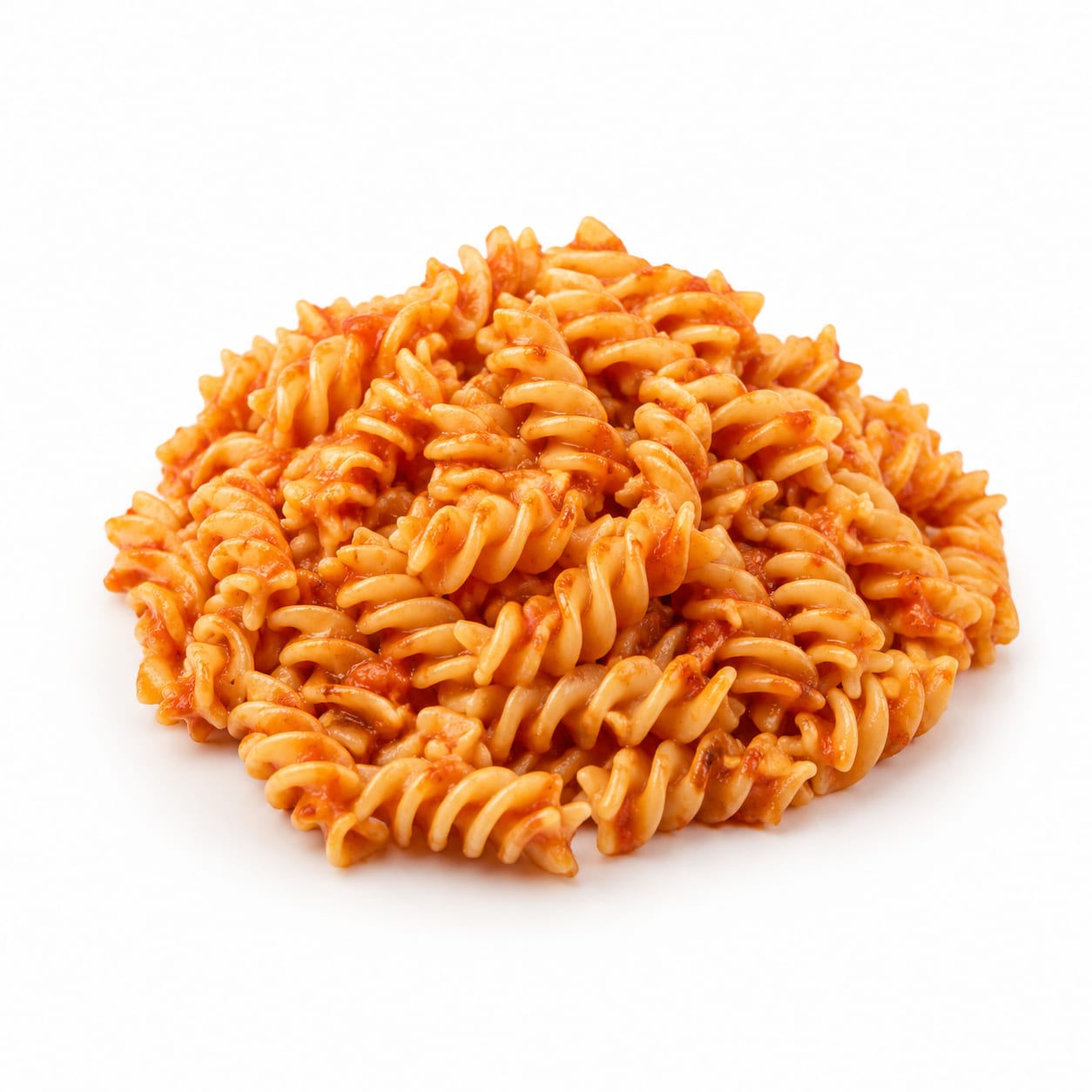
Fusilli
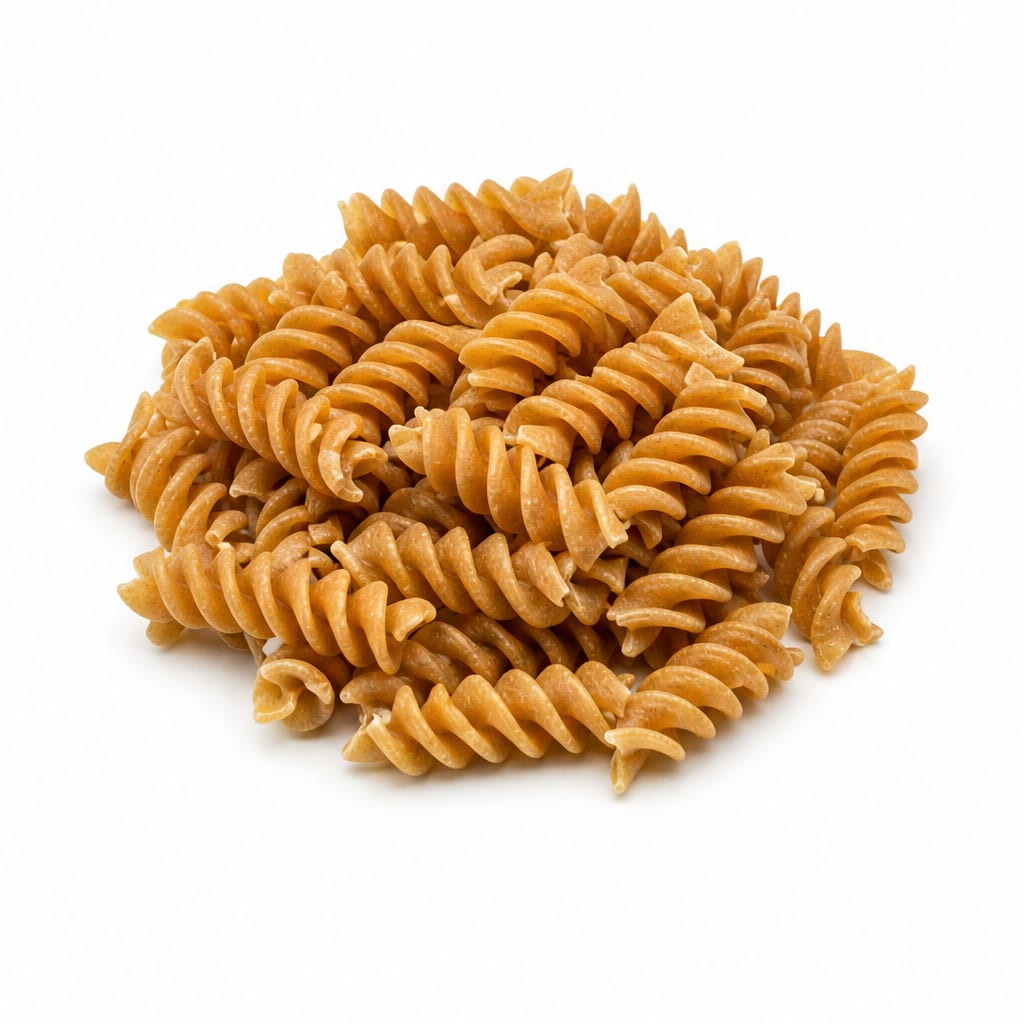
Rotini
Fusilli and Rotini are nutritionally near-identical. The real difference is texture: Fusilli has tighter, more elongated spirals, while Rotini has shorter, wider corkscrews that grab chunkier sauces better.
Scores are extremely close because Fusilli and Rotini are nutritionally equivalent. Rotini edges ahead slightly due to better sauce-gripping versatility and easier everyday practicality, but the gap is negligible.
Fusilli offers a more elegant, refined bite with smoother sauces; Rotini delivers bolder sauce-gripping power for hearty, chunky dishes.
At a glance
Executive summary
Overall
It depends
Healthier
It depends
More practical
Rotini
Daily use
It depends
Key comparison lenses
sauce holding ability
The main practical difference between these spiral pastas is how well they trap and carry sauce
texture and mouthfeel
Spiral tightness affects chew and how satisfying each bite feels
nutritional equivalence
Users want to know if shape affects nutrition or if this is purely a texture choice
cooking versatility
Different spiral shapes perform differently in cold salads, baked dishes, and soups
glycemic and satiety differences
Surface area and density may slightly affect digestion speed and fullness
Best choice for
Fusilli
- Light oil-based or cream sauces where you want the pasta texture to shine
- Pasta salads where a longer, more elegant shape looks appealing
- Dishes where you want a slightly firmer, more structured chew
Rotini
- Thick meat sauces, chunky vegetable ragùs, and heavy toppings
- Casseroles and baked pasta where sauce distribution matters most
- Kid-friendly meals where the shorter, wider spirals are easier to eat
Least suitable for
Fusilli
- Very chunky sauces that need deep grooves to hold onto
- Quick toddler meals where shorter pieces are easier to manage
Rotini
- Delicate, thin sauces where the wider grooves don't add much value
- Dishes where you want a longer, more visually elegant noodle presentation
Deep comparison
Dimension by dimension
Each lens scores both foods and breaks down who each option suits.
- Dimension 1 · Priority 85Rotini
sauce_adherence
Fusilli · 72Rotini · 85Rotini's wider, deeper grooves catch and hold more sauce per bite, especially chunky or textured sauces.
Tradeoff
Fusilli's tighter spirals create a smoother, more refined eating experience but let some sauce slip away.
Why it matters
Sauce-to-pasta ratio defines how flavorful each bite feels. If you're using a premium sauce, Rotini wastes less of it.
Real-world impact
A bowl of Rotini with bolognese delivers more meat and sauce per forkful. Fusilli with the same sauce feels slightly drier.
Fusilli
- Thin cream or oil-based sauces where you want a cleaner finish
- Dishes where pasta texture should be the star, not the sauce
Better for
- Thick, hearty sauces that pool at the bottom of the bowl
Worse for
Rotini
- Chunky meat sauces, pesto with pine nuts, vegetable-heavy ragùs
- Any dish where maximum flavor per bite matters
Better for
- Delicate sauces where aggressive grip adds no real benefit
Worse for
- Dimension 2 · Priority 75It depends
texture_and_chew
Fusilli · 78Rotini · 76Fusilli's tighter spiral creates a slightly firmer, more structured bite. Rotini feels a bit more tender and springy.
Tradeoff
Fusilli gives more resistance when chewed, which some find more satisfying. Rotini yields more easily and feels lighter.
Why it matters
Chew satisfaction affects how full you feel. A firmer bite can make a smaller portion feel more substantial.
Real-world impact
If you tend to eat pasta quickly, Fusilli's firmer chew may slow you down slightly and help you feel satisfied with less.
Fusilli
- Diners who enjoy a more substantial, al dente chew
- Slower eaters who appreciate texture nuance
Better for
- Anyone who finds firmer pasta tiring to chew in large portions
Worse for
Rotini
- Those who prefer a softer, more tender pasta experience
- People with mild jaw or dental sensitivity
Better for
- Diners who feel soft pasta is less satisfying
Worse for
- Dimension 3 · Priority 70It depends
nutritional_profile
Fusilli · 75Rotini · 75When made from the same flour, Fusilli and Rotini are nutritionally identical. Same calories, same protein, same fiber.
Tradeoff
Any nutritional difference comes from the flour used, not the shape. Whole wheat versions of either outperform refined versions of either.
Why it matters
Don't expect health benefits from choosing one spiral over the other. The real nutritional lever is ingredient quality, not shape.
Real-world impact
Switching from regular to whole wheat Rotini or Fusilli matters far more than choosing between the two shapes.
Fusilli
- No nutritional advantage over Rotini when using the same flour
Better for
- Not a meaningful way to improve your diet
Worse for
Rotini
- No nutritional advantage over Fusilli when using the same flour
Better for
- Not a meaningful way to improve your diet
Worse for
- Dimension 4 · Priority 65Rotini
versatility_across_dishes
Fusilli · 70Rotini · 80Rotini adapts better to more dish types: cold salads, baked casseroles, soups, and heavy sauced dishes.
Tradeoff
Fusilli excels in fewer contexts but delivers a more refined experience in those specific dishes.
Why it matters
If you keep one spiral pasta in your pantry, Rotini handles a wider range of weeknight meals without disappointment.
Real-world impact
Rotini works in pasta salad, mac and cheese, soup, and bolognese. Fusilli is best in lighter dishes where its elegance shows.
Fusilli
- Elegant dinner presentations with lighter sauces
- Cold pasta salads where a longer shape looks more intentional
Better for
- One-pot meals where shorter, wider spirals distribute better
Worse for
Rotini
- All-purpose weeknight cooking across many dish types
- Baked pasta dishes where sauce distribution is critical
Better for
- Plated dishes where a longer, more graceful shape elevates presentation
Worse for
- Dimension 5 · Priority 55Fusilli
satiety_and_digestion
Fusilli · 68Rotini · 65Fusilli's denser, tighter spiral may slow eating slightly, giving your brain more time to register fullness.
Tradeoff
The difference is small and mostly behavioral rather than physiological. Both have identical glycemic impact when made from the same flour.
Why it matters
Eating speed matters more than people think. Even a 10% slower eating pace can reduce overconsumption.
Real-world impact
If you tend to inhale pasta, Fusilli's firmer chew might buy you a few extra minutes to feel full before going for seconds.
Fusilli
- Fast eaters who benefit from food that naturally slows them down
- Those tracking portions who want more satisfaction per bite
Better for
- Anyone expecting a significant metabolic or glycemic difference
Worse for
Rotini
- No meaningful satiety advantage over Fusilli
Better for
- Slightly less chewing resistance may contribute to faster eating
Worse for
Timeline
Health impact over time
Short-term
Hours to days
Fusilli
- Same blood sugar response as Rotini when made from identical flour
- Slightly more chewing required, which may slow eating pace marginally
- Equal energy boost post-meal compared to Rotini
Rotini
- Same blood sugar response as Fusilli when made from identical flour
- Slightly easier to eat quickly due to more tender bite structure
- Equal energy boost post-meal compared to Fusilli
Long-term
Months to years
Fusilli
- No distinct long-term health advantage over Rotini
- Health outcomes depend entirely on flour type and portion size, not spiral shape
Rotini
- No distinct long-term health advantage over Fusilli
- Health outcomes depend entirely on flour type and portion size, not spiral shape
Risk profile
Safety & processing
Both Fusilli and Rotini are traditionally made from just durum wheat semolina and water. Neither contains artificial additives in their classic form. Processing level and ingredient concerns are identical.
Fusilli
Undercooking leading to harder digestion
lowFusilli's tighter spirals can occasionally hide slightly undercooked centers. Cook to full al dente to avoid mild digestive discomfort.
Rotini
Undercooking leading to harder digestion
lowRotini's wider grooves cook more evenly, making undercooked centers less likely than with Fusilli.
Who wins for whom
Audience fit
Same foods, different winners depending on your goal.
children
RotiniRotini's shorter length and wider spirals are easier for small hands to scoop and small mouths to chew.
daily consumption
It dependsBoth are equally suitable for regular eating. Rotate based on the sauce you're using rather than health concerns.
diabetes
It dependsGlycemic impact is the same for both shapes. Whole wheat or legume-based versions of either are far better choices than refined versions.
elderly
RotiniRotini's slightly more tender chew and shorter shape make it gentler for those with dental or swallowing concerns.
muscle gain
It dependsProtein and carbohydrate content are identical. Pair either with a protein-rich sauce for muscle recovery meals.
weight loss
It dependsNeither has a caloric or metabolic advantage. Choose whole wheat versions of either for more fiber and better satiety.
Your move
Decision guide
Choose Fusilli
- You're making a refined dish with a light, smooth sauce
- You prefer a firmer, more structured chew in your pasta
- You're serving a plated dinner where visual elegance matters
- You're making a cold pasta salad and want a longer, more graceful shape
Choose Rotini
- You're cooking with thick, chunky, or meaty sauces
- You want one versatile spiral pasta that works in almost any dish
- You're feeding kids who need shorter, easier-to-eat shapes
- You're making baked pasta or casserole where sauce distribution is key
Either works if
- You're using a simple tomato or butter sauce where both perform well
- You're meal-prepping and just need a reliable spiral pasta
- You're making a one-pot dish with moderate sauce thickness
- You found one on sale and want to save money
Avoid both if
- You need a gluten-free option and can only find wheat versions
- You're strictly limiting refined carbohydrates and only have white flour versions available
- You're making a dish that specifically calls for a different pasta shape like penne or spaghetti
Final recommendation
Keep Rotini as your everyday spiral pasta. Its wider grooves and shorter shape handle more sauces and cooking methods reliably. Save Fusilli for occasions where you want a slightly more elegant presentation with lighter sauces. Nutritionally, focus on buying whole wheat or legume-based versions of either shape rather than stressing over which spiral to pick.
Practical
Consumer tips
- 1
If you're watching blood sugar, choose whole wheat or chickpea-based versions of either shape. The flour matters far more than the spiral.
- 2
Rotini tends to cook slightly more evenly due to its wider grooves. Stir Fusilli a bit more to prevent sticking in the tighter spirals.
- 3
For pasta salad, both work well but Rotini holds dressing more aggressively while Fusilli looks more polished on a buffet table.
- 4
Don't pay more for one over the other. If your store charges different prices, buy the cheaper one. The cooking difference is minimal.
- 5
If switching to whole wheat, start with Rotini. Its stronger sauce-gripping ability helps mask the slightly nuttier taste transition.