
Nutrition comparison
Fusilli vs Quinoa: Which is Healthier?
Compare Fusilli and Quinoa to see which is better for weight loss, blood sugar, and protein. Discover the nutritional tradeoffs between pasta and quinoa.
Overall winner · Quinoa
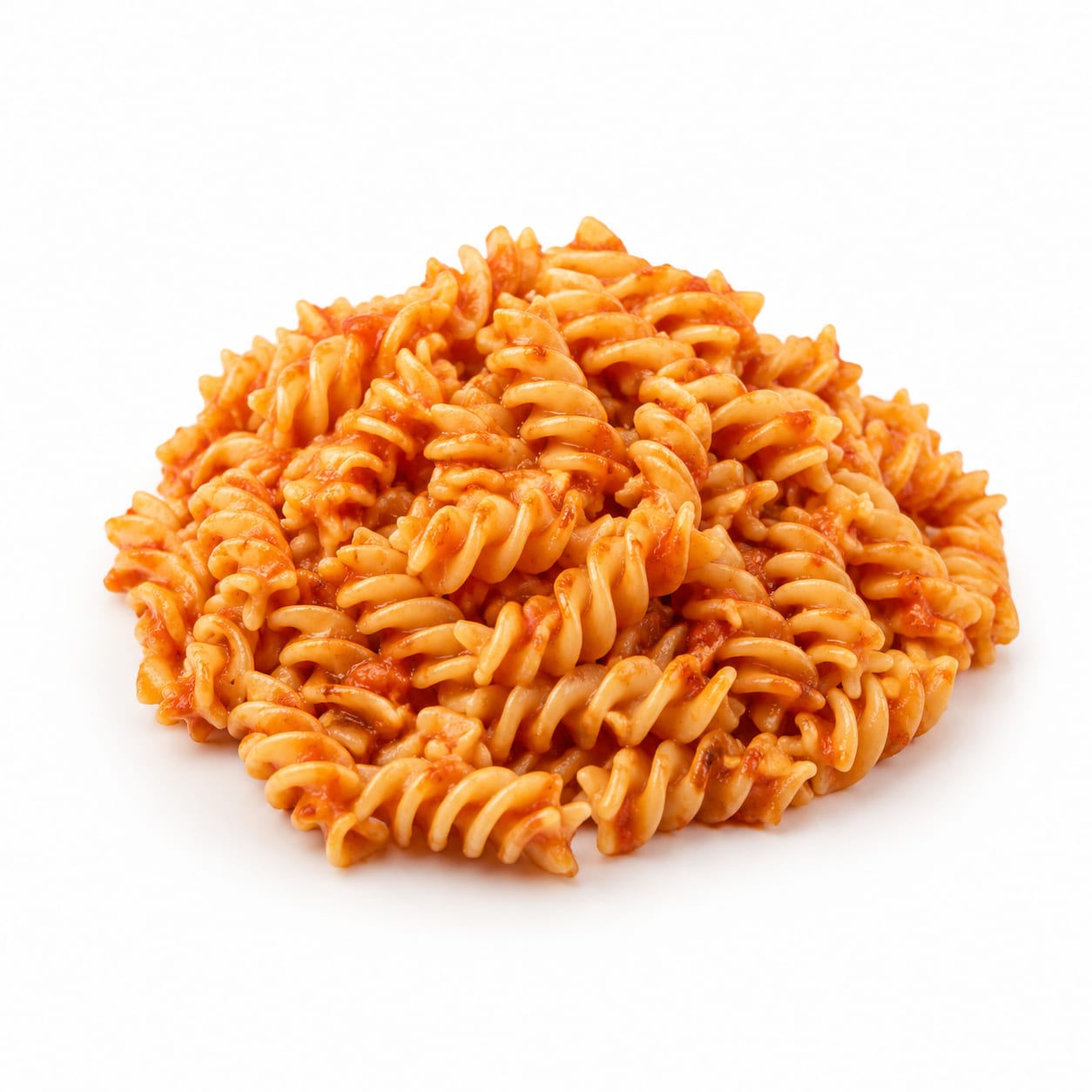
Fusilli
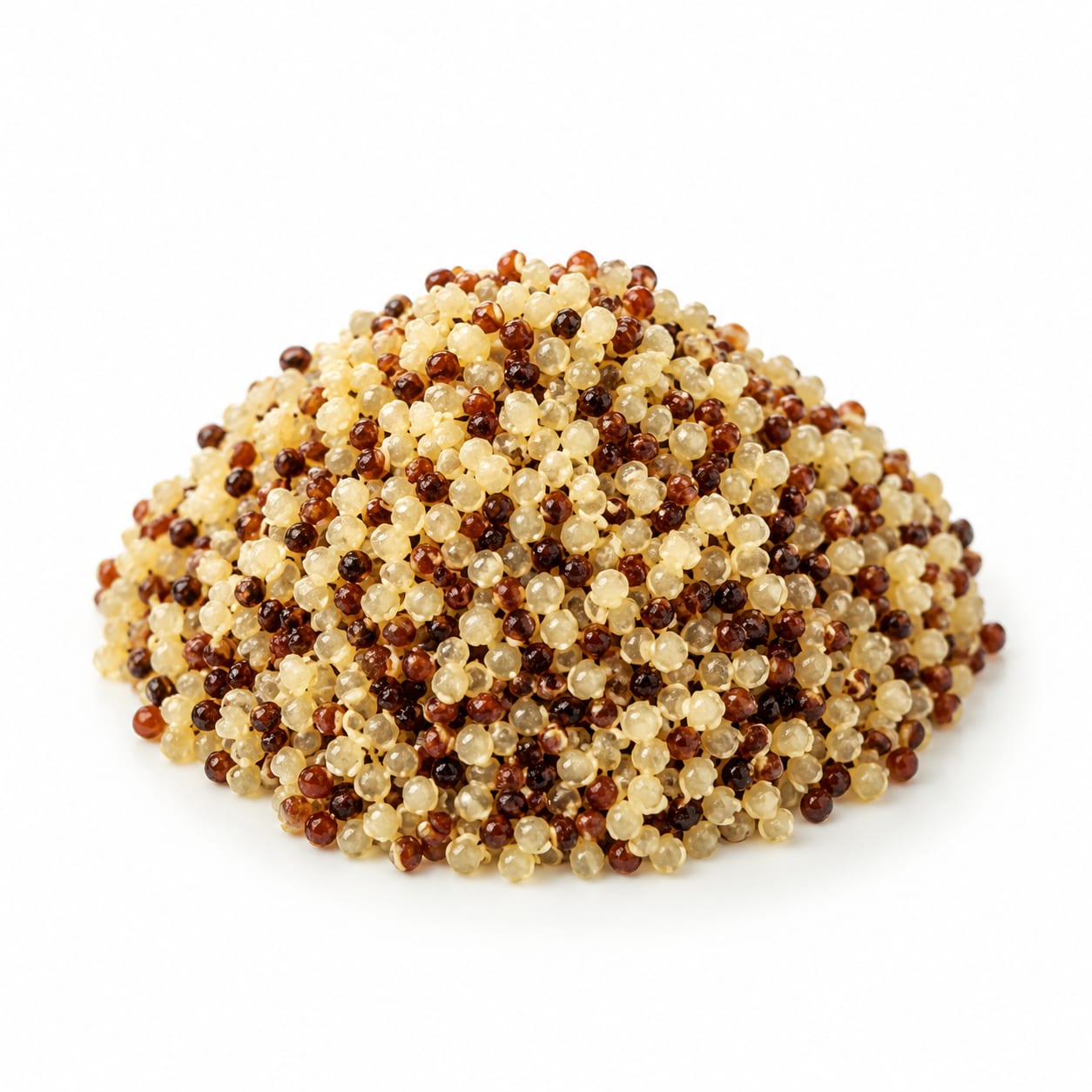
Quinoa
Quinoa dominates on nutrition and sustained energy, while Fusilli wins on comfort, cost, and culinary familiarity.
Quinoa scores significantly higher due to its complete protein profile, higher fiber, and mineral density. Fusilli remains a popular staple but offers mostly refined carbohydrates with fewer micronutrients unless whole grain is chosen.
You trade the comforting bite and lower cost of Fusilli for the superior protein, fiber, and blood sugar stability of Quinoa.
At a glance
Executive summary
Overall
Quinoa
Healthier
Quinoa
More practical
Fusilli
Daily use
Quinoa
Key comparison lenses
blood sugar management
Refined carbohydrates like traditional Fusilli spike blood sugar differently than whole seeds like Quinoa
protein quality and satiety
Quinoa offers complete protein while Fusilli relies on incomplete wheat protein, affecting fullness
gluten-free dietary needs
Quinoa is naturally gluten-free whereas Fusilli contains gluten, a major deciding factor for many
meal versatility and convenience
Both are pantry staples but differ in cooking time, cost, and culinary roles
Best choice for
Fusilli
- Budget-friendly family dinners
- Comforting pasta cravings
- Carb-loading before endurance events
Quinoa
- Balanced blood sugar and steady energy
- Plant-based complete protein needs
- Gluten-free or celiac diets
Least suitable for
Fusilli
- People with gluten intolerance or celiac disease
- Low-carb or keto diets
- Those struggling with insulin resistance
Quinoa
- Strict budget grocery shopping
- Picky eaters who dislike earthy flavors
- Rush cooking when time is extremely tight
Deep comparison
Dimension by dimension
Each lens scores both foods and breaks down who each option suits.
- Dimension 1 · Priority 95Quinoa
Nutritional Density
Fusilli · 40Quinoa · 95Quinoa is packed with magnesium, iron, zinc, and folate, while traditional Fusilli is largely stripped of these during refining.
Tradeoff
You get more vitamins and minerals per calorie with Quinoa, but Fusilli provides quicker, more accessible energy.
Why it matters
Nutrient-dense foods reduce the need for supplementation and keep your body functioning smoothly long-term.
Real-world impact
Eating Quinoa instead of Fusilli means you are actually fueling your body, not just filling your stomach.
Fusilli
- Quick pre-workout energy
Better for
- Micronutrient gaps if eaten too frequently
Worse for
Quinoa
- Preventing nutrient deficiencies
- Supporting immune function
Better for
- Overconsuming calories if you eat large portions assuming it is a free pass
Worse for
- Dimension 2 · Priority 90Quinoa
Blood Sugar Stability
Fusilli · 35Quinoa · 82Quinoa has a much lower glycemic index, providing steady energy. Fusilli causes a faster blood sugar spike and crash.
Tradeoff
Fusilli gives you a rapid energy surge, but you will feel hungry again sooner. Quinoa keeps you fuller for longer.
Why it matters
Avoiding blood sugar spikes prevents the afternoon energy crash and reduces cravings for sugary snacks.
Real-world impact
A Quinoa lunch keeps you focused through the 3 PM slump, whereas Fusilli might have you reaching for coffee.
Fusilli
- Immediate post-workout glycogen replenishment
Better for
- Triggering hunger cycles
- Worsening metabolic syndrome
Worse for
Quinoa
- Sustained energy for long workdays
- Managing insulin resistance
Better for
- Not ideal if you need fast-absorbing carbs during intense physical activity
Worse for
- Dimension 3 · Priority 85Quinoa
Protein Quality
Fusilli · 45Quinoa · 90Quinoa is a rare plant-based complete protein, containing all nine essential amino acids. Fusilli lacks sufficient lysine.
Tradeoff
Quinoa supports muscle repair and cell function on its own, while Fusilli needs to be paired with beans or meat to complete its amino acid profile.
Why it matters
Complete proteins are crucial for maintaining muscle mass, especially on plant-forward diets.
Real-world impact
If you eat mostly plant-based, Quinoa makes hitting your protein goals much easier than Fusilli.
Fusilli
- Casual meals where protein comes from other dish components
Better for
- Reliance on other foods to make a complete protein
Worse for
Quinoa
- Vegan and vegetarian diets
- Post-workout recovery meals
Better for
- Slightly lower total protein per calorie compared to animal sources
Worse for
- Dimension 4 · Priority 70Fusilli
Convenience and Cost
Fusilli · 88Quinoa · 60Fusilli is significantly cheaper and a universal crowd-pleaser. Quinoa is pricier and requires rinsing to remove bitter saponins.
Tradeoff
Fusilli is the affordable, easy choice for feeding a family. Quinoa is an investment in nutrition that requires a bit more prep.
Why it matters
Budget and cooking time are real-world barriers to healthy eating that cannot be ignored.
Real-world impact
A box of Fusilli costs dollars and cooks effortlessly; Quinoa can strain a tight grocery budget and needs careful rinsing.
Fusilli
- Large family meals on a budget
- Picky eaters and children
Better for
- Relying on it too heavily due to convenience at the expense of nutrition
Worse for
Quinoa
- Meal prep where nutritional value is the top priority
Better for
- Skipping the rinse step, resulting in a bitter taste that ruins the meal
Worse for
Timeline
Health impact over time
Short-term
Hours to days
Fusilli
- Quick burst of energy followed by a potential crash
- Immediate satisfaction from comforting carbohydrates
Quinoa
- Steady, sustained energy without the crash
- High satiety that reduces snacking between meals
Long-term
Months to years
Fusilli
- Frequent consumption may contribute to insulin resistance if not paired with fiber and protein
- Potential for weight gain if portions are not controlled
Quinoa
- Supports cardiovascular health through magnesium and fiber
- Aids in long-term weight management due to high satiety
Risk profile
Safety & processing
Traditional Fusilli is made from refined wheat flour, stripping away the bran and germ. Quinoa is a whole seed eaten in its natural state, requiring only harvesting and cleaning.
Fusilli
Gluten intolerance
highContains gluten, which triggers autoimmune responses in those with celiac disease and discomfort for those with sensitivities.
Quinoa
Saponin residue
mediumNaturally coated in bitter saponins that can cause digestive upset and a soapy taste if not rinsed thoroughly before cooking.
Who wins for whom
Audience fit
Same foods, different winners depending on your goal.
children
FusilliKids generally prefer the mild taste and fun shape of Fusilli over the earthy, slightly crunchy texture of Quinoa.
daily consumption
QuinoaDaily Quinoa intake supports metabolic health and provides sustained energy, whereas daily refined Fusilli may spike blood sugar too frequently.
diabetes
QuinoaQuinoa has a lower glycemic index and higher fiber, preventing dangerous blood sugar spikes.
elderly
QuinoaQuinoa's superior nutrient density helps combat age-related muscle loss and provides essential minerals for bone health.
muscle gain
QuinoaQuinoa provides a complete protein profile with all essential amino acids necessary for muscle repair.
weight loss
QuinoaQuinoa's high fiber and protein content keep you full on fewer calories, reducing the urge to overeat.
Your move
Decision guide
Choose Fusilli
- You are cooking for a family on a tight budget
- You need a comforting, traditional pasta meal
- You are carb-loading before a big athletic event
Choose Quinoa
- You want steady energy without the afternoon crash
- You follow a gluten-free or plant-based diet
- You are focused on weight management or blood sugar control
Either works if
- You are mixing them into a heavy vegetable and protein sauce where the base grain is just a backdrop
- You want variety in your weekly meal prep rotation
Avoid both if
- You are on a strict ketogenic or very low-carb diet
- You are looking for a high-protein main dish without adding other protein sources
Final recommendation
Make Quinoa your everyday staple for its nutritional benefits and blood sugar stability, but keep Fusilli in the pantry for comforting weekend meals or when feeding a crowd on a budget. If you choose Fusilli, opt for whole-wheat versions to close the fiber gap.
Practical
Consumer tips
- 1
Always rinse Quinoa under cold water for 30 seconds to remove the bitter saponin coating.
- 2
Cook Quinoa in broth instead of water to add savory depth without extra effort.
- 3
If choosing Fusilli, go for whole-wheat varieties to triple the fiber and slow down sugar absorption.
- 4
Mix half Fusilli and half Quinoa in a dish to ease picky eaters into the texture of Quinoa while boosting nutrition.