
Nutrition comparison
Fusilli vs Penne: Which Pasta Shape Is Better for Your Meal?
Compare Fusilli and Penne pasta on sauce retention, satiety, cooking reliability, and versatility. Learn which shape fits your cooking style and health goals.
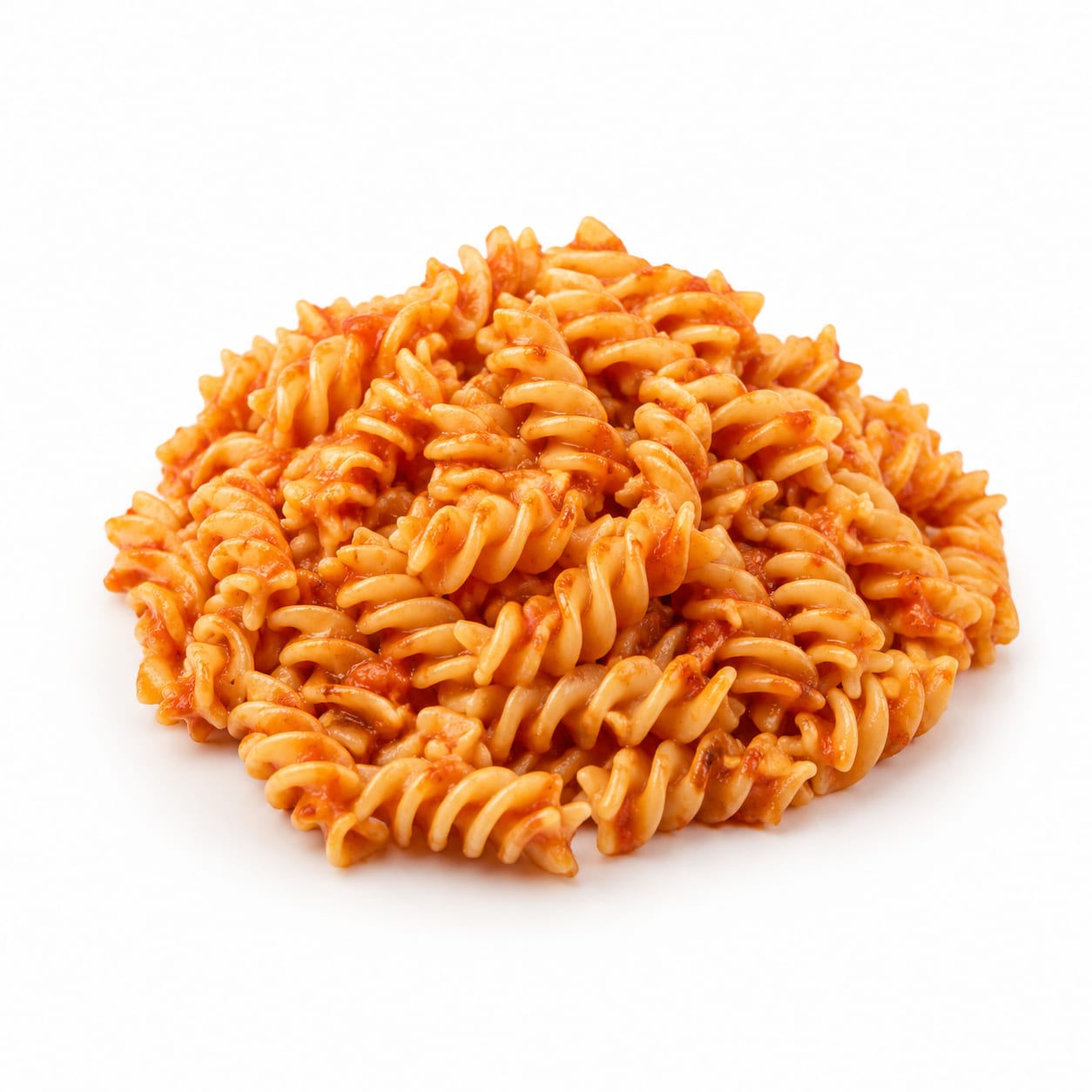
Fusilli
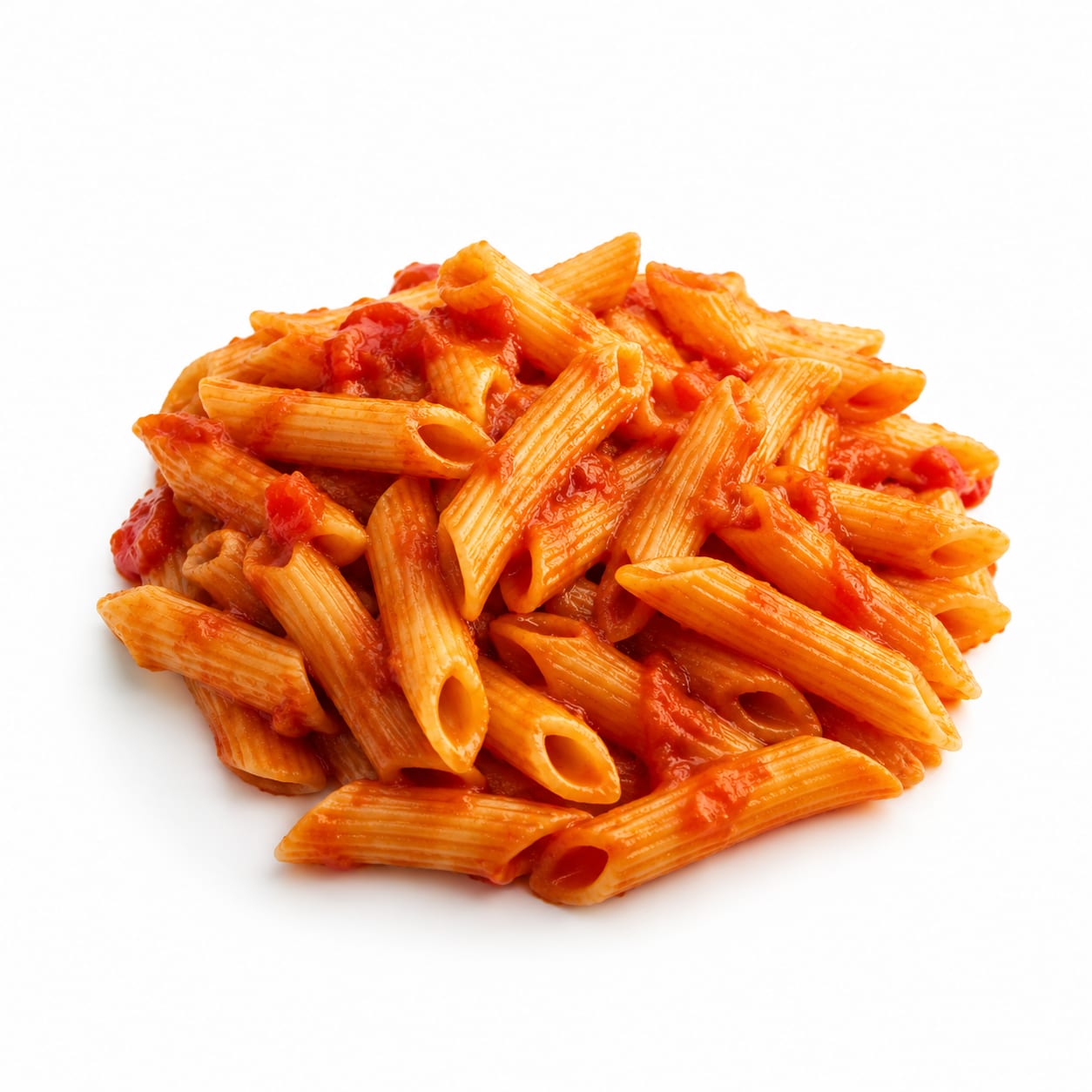
Penne
Fusilli and Penne are nutritionally twins — the real choice is about sauce pairing, texture preference, and how you eat pasta.
Scores are nearly tied because Fusilli and Penne share the same nutritional profile. Penne edges ahead slightly on versatility and cooking consistency, but the gap is small and context-dependent.
Fusilli traps sauce in its spirals for more flavor per bite; Penne offers a cleaner, more structured bite that works better with chunky vegetables and baked dishes.
At a glance
Executive summary
Overall
It depends
Healthier
It depends
More practical
Penne
Daily use
Penne
Key comparison lenses
sauce pairing and flavor delivery
Shape is the main differentiator between these pastas, directly affecting how sauce clings and flavor distributes
satiety and eating experience
Spiral vs tube shape changes bite density, eating speed, and how full you feel afterward
meal versatility
Home cooks want to know which shape works across more recipes without buying both
glycemic and digestive differences
Nutritionally near-identical, but shape slightly affects starch gelation and digestion speed
Best choice for
Fusilli
- Pasta salad lovers who want dressing distributed evenly
- Light sauce dishes where every bit of flavor matters
- Families with kids who find spirals fun to eat
- Cold leftover pasta — Fusilli holds up better in the fridge
Penne
- Hearty ragùs and meat sauces that need a sturdy base
- Baked pasta dishes like penne alla vodka or pasta al forno
- Meal preppers who want uniform cooking every time
- Anyone who prefers a more substantial, structured bite
Least suitable for
Fusilli
- Thick, chunky sauces where spirals get overwhelmed
- Dishes requiring precise plating and clean presentation
- Very thick cheese sauces that clump in the grooves
Penne
- Delicate oil-based sauces that slide off smooth surfaces
- Cold pasta salads where the tube shape feels dense
- Quick meals where you want sauce distributed without stirring effort
Deep comparison
Dimension by dimension
Each lens scores both foods and breaks down who each option suits.
- Dimension 1 · Priority 92Fusilli
sauce_retention_and_flavor_delivery
Fusilli · 88Penne · 76Fusilli's spirals act as flavor traps, pulling sauce deep into each corkscrew. Penne's ridges help, but the smooth interior tube lets some sauce slide away.
Tradeoff
Fusilli gives more intense flavor per bite but can hold too much heavy sauce, making dishes feel heavier than intended.
Why it matters
When you're counting calories from sauce, Fusilli's efficiency means you can use less dressing and still get full flavor.
Real-world impact
A light vinaigrette on Fusilli tastes as satisfying as a heavier dressing on Penne — same flavor experience with fewer calories from oil.
Fusilli
- Oil-based sauces like aglio e olio
- Pesto that needs nooks to settle into
- Light cream sauces where every drop counts
Better for
- Very thick sauces that make spirals feel gummy and heavy
Worse for
Penne
- Chunky vegetable sauces with pieces that need a flat surface
- Thick meat ragùs where sauce sits on top rather than inside
- Cheese-heavy bakes where structure matters more than sauce trapping
Better for
- Thin sauces that pool at the bottom of the bowl instead of coating pasta
Worse for
- Dimension 2 · Priority 78Fusilli
satiety_and_eating_pace
Fusilli · 74Penne · 68Fusilli's irregular shape slows eating slightly and creates more volume perception per bite, making portions feel larger.
Tradeoff
Slower eating with Fusilli can feel more satisfying but may frustrate people who eat quickly or want a fast meal.
Why it matters
Eating speed directly affects how full you feel before overeating. Even small slowdowns help portion control.
Real-world impact
A standard 2oz dry serving of Fusilli feels like more food on the plate and in your mouth compared to the same weight of Penne.
Fusilli
- Mindful eaters who benefit from naturally slower pacing
- Portion-conscious meals where visual volume matters
Better for
- Hungry teenagers who find the spiral pace annoying
Worse for
Penne
- Quick weeknight dinners where eating speed is prioritized
- Athletes needing efficient calorie intake post-workout
Better for
- Anyone who tends to overeat pasta — the smooth bite encourages faster consumption
Worse for
- Dimension 3 · Priority 70Penne
cooking_reliability
Fusilli · 72Penne · 84Penne cooks more evenly and consistently. Fusilli's spirals can leave the inner curves slightly firmer than the outer edges.
Tradeoff
Penne's consistency means fewer surprises, but Fusilli's slight texture variation can actually be pleasant when al dente is the goal.
Why it matters
Inconsistent cooking means some bites are mushy while others are chalky — frustrating for anyone who cares about texture.
Real-world impact
If you've ever had pasta where some pieces are perfect and others are overcooked, that's more likely with Fusilli in large batches.
Fusilli
- Small-batch cooking where you can monitor closely
- Dishes where varied texture adds rustic appeal
Better for
- Large pots where stirring can't reach every spiral evenly
Worse for
Penne
- Meal prep batches cooked in bulk
- Cooking for crowds where consistency matters
- Pasta beginners who want foolproof results
Better for
- None significant — Penne is reliably consistent
Worse for
- Dimension 4 · Priority 75Penne
versatility_across_cuisines
Fusilli · 70Penne · 80Penne appears in more global recipes — Italian bakes, American mac-style dishes, and Mediterranean bowls. Fusilli is more niche.
Tradeoff
Penne's ubiquity means more recipe options but less personality. Fusilli stands out but fits fewer dishes naturally.
Why it matters
If you keep only one pasta shape in your pantry, versatility determines how often you actually use it.
Real-world impact
Penne works in everything from cold salads to baked casseroles to quick stovetop sauces. Fusilli excels in fewer scenarios.
Fusilli
- Mediterranean pasta salads
- Light Italian summer dishes
- Kid-friendly presentations
Better for
- Asian-fusion noodle dishes where the spiral shape feels out of place
Worse for
Penne
- Baked pasta casseroles
- Hearty winter pasta dishes
- One-pot meals where pasta cooks in sauce
Better for
- Very few — Penne adapts to most contexts reasonably well
Worse for
- Dimension 5 · Priority 40It depends
glycemic_impact
Fusilli · 62Penne · 60Both shapes have nearly identical glycemic impact when made from the same flour. Any difference comes from cooking time and sauce pairing, not the shape itself.
Tradeoff
Fusilli's slightly longer cooking time for even doneness may marginally increase starch gelation, but the effect is negligible in real meals.
Why it matters
Only relevant for people managing blood sugar precisely — and even then, sauce and portion size matter far more than shape.
Real-world impact
Eating either pasta with protein, fiber, and healthy fat matters 20x more than choosing between these two shapes for blood sugar.
Fusilli
- No meaningful advantage
Better for
- Overcooked Fusilli breaks down faster, slightly quicker glucose absorption
Worse for
Penne
- No meaningful advantage
Better for
- Overcooked Penne has the same issue — shape is not the variable here
Worse for
Timeline
Health impact over time
Short-term
Hours to days
Fusilli
- Similar blood sugar rise as any refined wheat pasta — moderate spike followed by a gradual dip
- More filling per visual portion due to spiral volume, which may reduce second-helping urges
Penne
- Nearly identical blood sugar response to Fusilli when portions and cooking match
- Slightly faster eating pace may lead to consuming more before feeling full
Long-term
Months to years
Fusilli
- No unique long-term risks beyond standard refined pasta concerns — glycemic load and low fiber content
- Potential for slightly better portion awareness over time due to visual volume cues
Penne
- Same long-term considerations as Fusilli — refined carbohydrate intake, low fiber unless whole grain version is chosen
- More frequent use in baked dishes with cheese may increase saturated fat intake indirectly
Risk profile
Safety & processing
Both Fusilli and Penne are made from the same ingredients — typically durum wheat semolina and water. Processing level and additive exposure are identical. Choose whole grain versions of either for better nutrition without changing the shape comparison.
Fusilli
Uneven cooking in spiral interior
lowRaw flour in undercooked spiral centers is a minor concern, especially for vulnerable populations. Cook thoroughly and stir well.
Penne
Starchy water residue inside tubes
lowPenne tubes can trap starchy water if not drained well, slightly increasing surface for bacterial growth in leftovers. Cool and refrigerate promptly.
Who wins for whom
Audience fit
Same foods, different winners depending on your goal.
children
FusilliKids often find spirals more fun to eat, which can reduce mealtime resistance and encourage better eating habits.
daily consumption
PennePenne's versatility across more recipes and more consistent cooking makes it a more reliable everyday pantry staple.
diabetes
It dependsShape difference is irrelevant for blood sugar management. What matters is choosing whole grain versions, controlling portions, and pairing with protein and fiber.
elderly
PennePenne's uniform shape and softer bite when cooked is easier to chew and swallow for those with dental or swallowing concerns.
muscle gain
PennePenne's efficient shape lets you eat more carbohydrate quickly post-workout, and it pairs more easily with dense meat sauces for protein intake.
weight loss
FusilliFusilli's spiral shape creates more visual volume and slightly slower eating, both of which help with portion awareness and satisfaction on fewer calories.
Your move
Decision guide
Choose Fusilli
- You eat pasta with light, oil-based, or pesto sauces most often
- You want to feel more satisfied with smaller portions
- You're making pasta salad or cold dishes regularly
- You have kids who are picky about food presentation
Choose Penne
- Hearty meat sauces and baked pasta dishes are your go-to
- You meal prep in large batches and need cooking consistency
- You want one pasta shape that handles almost any recipe reasonably well
- You prefer a structured, substantial bite over a twirly texture
Either works if
- Nutrition is your primary concern — they're functionally identical
- You're buying whole grain pasta regardless of shape
- You plan to pair it with plenty of vegetables and lean protein anyway
Avoid both if
- You have celiac disease or gluten sensitivity and are considering standard wheat versions
- You're strictly limiting refined carbohydrates for metabolic health reasons
- You're following a low-glycemic or keto-style eating approach
Final recommendation
Keep Penne as your everyday pasta for reliability and versatility, but stock Fusilli for pasta salads and light sauce nights. If budget or pantry space forces one choice, Penne handles more situations competently. If you're choosing whole grain versions, pick whichever shape you'll actually enjoy eating — consistency matters more than shape for health outcomes.
Practical
Consumer tips
- 1
Always choose whole grain or legume-based versions of either shape for 2-3x more fiber and protein with the same sauce compatibility
- 2
Reserve a quarter cup of pasta water before draining — the starch helps any sauce cling to either shape better than oil ever could
- 3
Stop cooking pasta 1-2 minutes before the package says — residual heat continues cooking, and firmer pasta has a lower glycemic impact
- 4
Pair either shape with at least 20g of protein and a generous serving of vegetables to stabilize blood sugar and increase fullness
- 5
For Fusilli, stir more frequently during cooking to prevent spirals from nesting together and cooking unevenly
- 6
For Penne, cut tubes in half for pasta salads — the shorter pieces distribute dressing more evenly and are easier to eat cold