
Nutrition comparison
Fusilli vs Chickpea Pasta: Which Is Actually Better for You?
Chickpea pasta doubles the protein and triples the fiber of regular fusilli, but is it worth the taste tradeoff? A practical comparison of nutrition, blood sugar impact, and real-world eating experience.
Overall winner · Chickpea Pasta
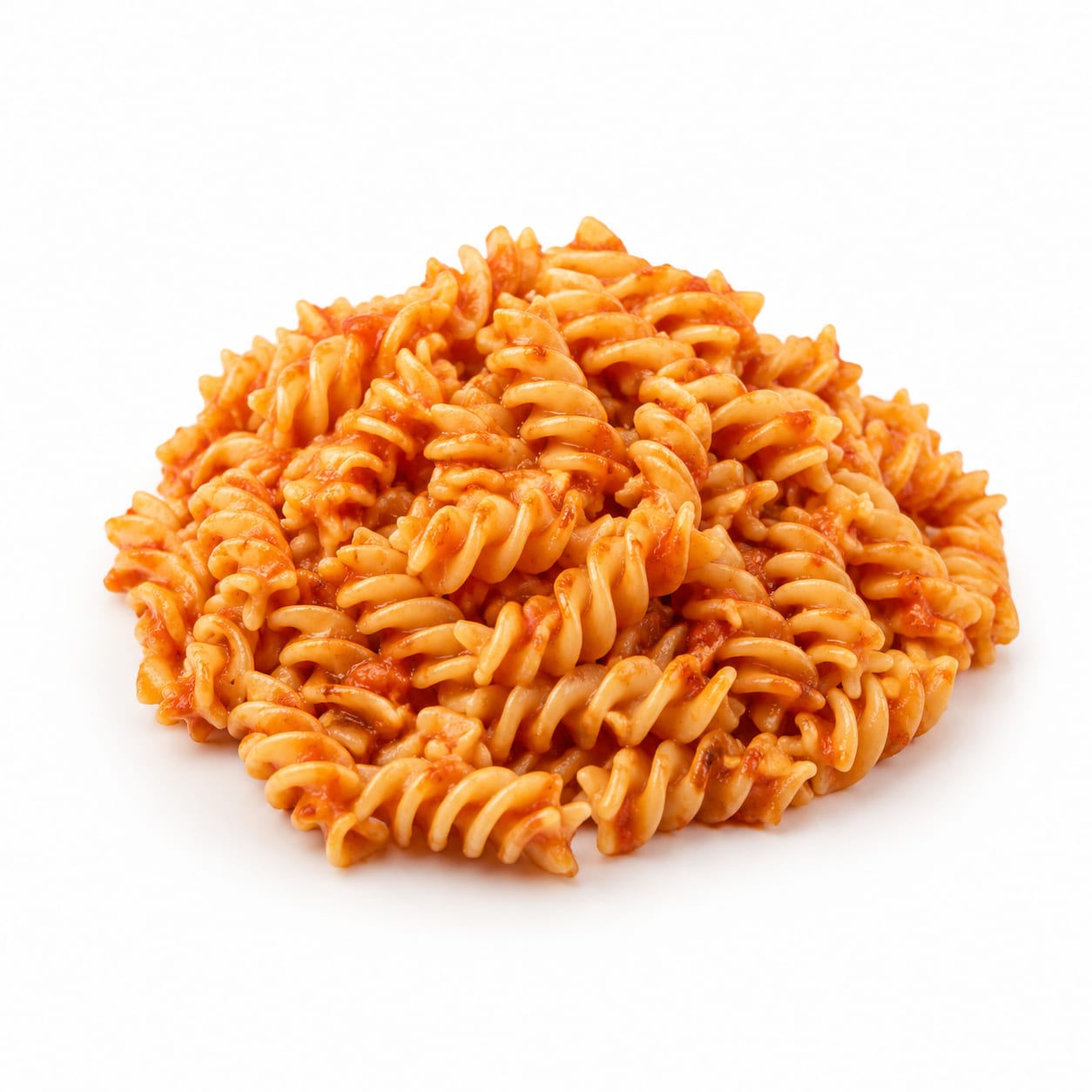
Fusilli
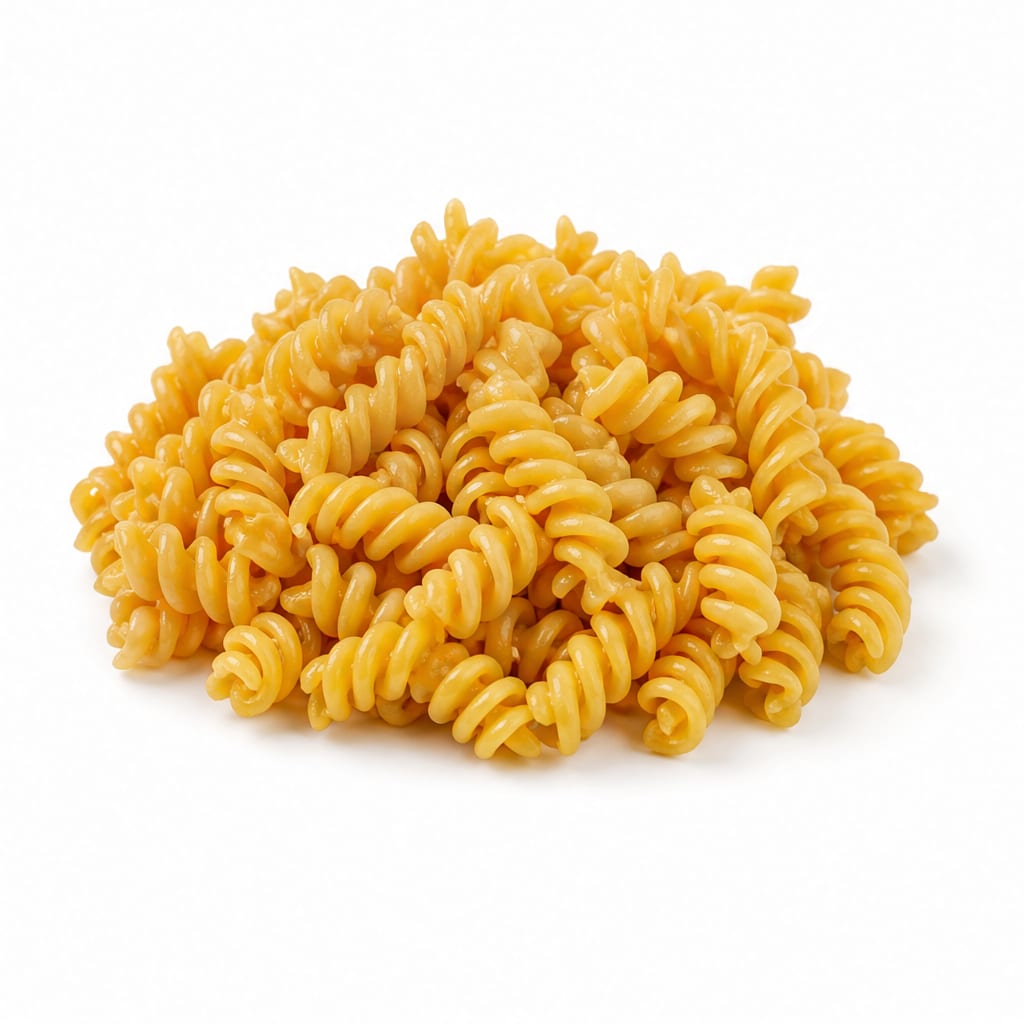
Chickpea Pasta
Chickpea pasta wins on nutrition across nearly every metric that matters—protein, fiber, blood sugar control, and micronutrients—but traditional fusilli still delivers the familiar taste and texture many people genuinely prefer.
Chickpea pasta scores substantially higher due to its protein, fiber, micronutrient, and blood sugar advantages. Fusilli remains competitive on taste, texture, and digestive comfort but falls behind on nearly every health metric.
You trade the classic pasta experience for significantly better metabolic and nutritional outcomes. Chickpea pasta is the smarter choice for your body; fusilli is the easier choice for your palate.
At a glance
Executive summary
Overall
Chickpea Pasta
Healthier
Chickpea Pasta
More practical
Fusilli
Daily use
Chickpea Pasta
Key comparison lenses
blood sugar and glycemic impact
Chickpea pasta dramatically changes the blood sugar equation compared to regular wheat fusilli, making this the most consequential difference for most users
protein and satiety comparison
Chickpea pasta roughly doubles the protein, which shifts how filling a pasta meal feels and how long energy lasts
fiber and digestive health
The fiber gap between these two is substantial and affects digestion, fullness, and gut health meaningfully
taste and texture tradeoff
Chickpea pasta has a distinct flavor and texture that not everyone prefers, making enjoyment a real factor in sustainability
weight management suitability
Different calorie-to-satiety ratios make each pasta better suited for different weight goals
nutrient density beyond macros
Chickpea pasta brings iron, folate, and potassium that traditional fusilli lacks
Best choice for
Fusilli
- Traditional pasta lovers who prioritize taste familiarity
- Those with digestive sensitivity to legumes
- People seeking a lighter meal feel
- Anyone cooking for picky eaters or children unused to alternative pasta
- Budget-conscious shoppers where chickpea pasta is significantly pricier
Chickpea Pasta
- Anyone managing blood sugar concerns or prediabetes
- People wanting more protein without adding meat
- Those seeking longer-lasting fullness from meals
- Vegetarians and vegans needing iron and folate boosts
- Anyone trying to increase fiber intake effortlessly
Least suitable for
Fusilli
- People with diabetes or insulin resistance
- Those needing high-protein meals from carb sources
- Anyone struggling with afternoon energy crashes after pasta lunches
- People trying to increase daily fiber intake
Chickpea Pasta
- People with legume allergies or sensitivities
- Those who strongly dislike earthy or beany flavors
- Anyone prone to bloating from high-fiber foods when unaccustomed
- Strict traditionalists who find alternative pasta textures off-putting
Deep comparison
Dimension by dimension
Each lens scores both foods and breaks down who each option suits.
- Dimension 1 · Priority 92Chickpea Pasta
Blood Sugar Stability
Fusilli · 35Chickpea Pasta · 78Chickpea pasta causes a noticeably slower and smaller blood sugar rise. Traditional fusilli can spike glucose quickly, especially eaten alone.
Tradeoff
Fusilli with a rich sauce and vegetables blunts the spike somewhat, but chickpea pasta starts from a much better baseline regardless of what you pair it with.
Why it matters
Steadier blood sugar means no post-meal crash, fewer cravings an hour later, and better long-term metabolic health.
Real-world impact
A fusilli lunch might leave you hungry again by 3pm. Chickpea pasta keeps you satisfied until dinner.
Fusilli
- Pre-workout meals where quick energy is actually desired
- Endurance athletes carb-loading before events
Better for
- Sedentary evenings when quick carbs just sit unused
- Eating alone without protein or fiber companions
Worse for
Chickpea Pasta
- Anyone with prediabetes or diabetes
- People who get sleepy after carb-heavy meals
- Those trying to reduce sugar cravings throughout the day
- Office workers wanting steady afternoon focus
Better for
- Right before intense exercise when fast energy helps
Worse for
- Dimension 2 · Priority 88Chickpea Pasta
Protein Content & Satiety
Fusilli · 30Chickpea Pasta · 82Chickpea pasta delivers roughly double the protein per serving. That translates directly into feeling fuller for longer.
Tradeoff
The higher protein comes with a slightly earthier flavor that takes adjustment. Some people find chickpea pasta more filling than they want for a light meal.
Why it matters
Protein is the most satiating macronutrient. More protein from your pasta means less snacking later and easier portion control.
Real-world impact
A bowl of chickpea pasta at dinner can replace the urge for a second helping or late-night snack.
Fusilli
- Light meals where you do not want to feel overly full
- Situations where protein comes from other dish components
Better for
- Meals that are pasta-heavy with minimal other protein sources
Worse for
Chickpea Pasta
- Vegetarians trying to hit protein targets
- Anyone replacing meat with plant-based meals
- People who find regular pasta unsatisfying on its own
- Meal prep where one dish needs to do the heavy lifting nutritionally
Better for
- Small appetites where the heaviness feels uncomfortable
Worse for
- Dimension 3 · Priority 85Chickpea Pasta
Fiber & Digestive Health
Fusilli · 25Chickpea Pasta · 85Chickpea pasta provides roughly three times the fiber of regular fusilli. That is a meaningful daily difference from a single meal.
Tradeoff
Suddenly increasing fiber can cause bloating and gas if your body is not used to it. Transitioning gradually helps.
Why it matters
Fiber feeds gut bacteria, supports regular digestion, and amplifies fullness. Most people fall far short of daily recommendations.
Real-world impact
One serving of chickpea pasta can cover a quarter to a third of your daily fiber needs. Fusilli barely makes a dent.
Fusilli
- Sensitive digestive systems that struggle with high fiber
- Recovery from gastrointestinal issues requiring low-residue diets
Better for
- Contributing to the widespread fiber deficit most adults face
Worse for
Chickpea Pasta
- Anyone chronically short on fiber intake
- People with sluggish digestion or irregularity
- Gut health optimization efforts
Better for
- Causing discomfort if you jump from low fiber to high fiber too quickly
Worse for
- Dimension 4 · Priority 80Fusilli
Taste & Texture Experience
Fusilli · 85Chickpea Pasta · 58Traditional fusilli delivers the classic al dente bite and neutral flavor that pairs effortlessly with any sauce. Chickpea pasta has an earthier taste and slightly grainier texture.
Tradeoff
Chickpea pasta works well with robust sauces that mask its flavor, but delicate preparations expose the difference more clearly.
Why it matters
If you do not enjoy eating it, the nutritional advantages become irrelevant because you will not stick with it.
Real-world impact
A picky eater might refuse chickpea pasta entirely. An adventurous eater might not notice or might even prefer the nuttier flavor.
Fusilli
- Classic Italian recipes where authenticity matters
- Cooking for guests who expect traditional pasta
- Delicate sauces like carbonara or cacio e pepe
- Children or adults resistant to new textures
Better for
- Situations where you are eating pasta plain or with minimal sauce
Worse for
Chickpea Pasta
- Hearty sauces like marinara or pesto that complement earthy notes
- Anyone who enjoys legume flavors
- People who prioritize function over familiarity
Better for
- Refined dishes where the pasta flavor needs to stay neutral
Worse for
- Dimension 5 · Priority 72Chickpea Pasta
Micronutrient Density
Fusilli · 28Chickpea Pasta · 80Chickpea pasta brings meaningful amounts of iron, folate, potassium, and magnesium. Regular fusilli is mostly empty carbs with minimal micronutrients.
Tradeoff
Enriched fusilli has added folic acid and iron, but chickpea pasta delivers these naturally alongside a broader nutrient profile.
Why it matters
Getting nutrients from food rather than fortification generally means better absorption and co-nutrients that work together.
Real-world impact
A serving of chickpea pasta contributes meaningfully to your daily iron and folate needs. Fusilli requires you to get those elsewhere.
Fusilli
- Situations where enrichment covers the basics adequately
Better for
- Meals that are nutritionally the weakest link in an already poor diet
Worse for
Chickpea Pasta
- Women of childbearing age needing folate
- Vegetarians and vegans at risk for iron deficiency
- Anyone wanting more nutrition per calorie consumed
Better for
- People who already take supplements covering these nutrients
Worse for
- Dimension 6 · Priority 68Fusilli
Digestive Tolerance
Fusilli · 82Chickpea Pasta · 55Regular fusilli is gentle on most digestive systems. Chickpea pasta can cause bloating and gas, especially for those unaccustomed to high-fiber legume foods.
Tradeoff
The digestive discomfort usually decreases over a few weeks as gut bacteria adapt. The long-term gut health benefits may outweigh short-term adjustment.
Why it matters
Feeling bloated after meals reduces quality of life immediately, regardless of long-term nutritional advantages.
Real-world impact
Someone switching from fusilli to chickpea pasta might experience a gassy first week. Starting with smaller portions eases the transition.
Fusilli
- Sensitive stomachs and IBS sufferers
- Low-FODMAP diet phases
- Post-illness recovery when digestion is fragile
Better for
- Contributing nothing to improving gut health over time
Worse for
Chickpea Pasta
- Healthy guts that adapt quickly to fiber increases
- People already eating legumes regularly
Better for
- First-time users eating a full portion immediately
- Those with known legume sensitivities
Worse for
- Dimension 7 · Priority 65It depends
Calorie Efficiency
Fusilli · 60Chickpea Pasta · 62Calorie counts are surprisingly similar per dry serving. Chickpea pasta packs more nutrition into roughly the same calories, but fusilli feels lighter in the stomach.
Tradeoff
Chickpea pasta gives you more nutrients per calorie but can feel heavier. Fusilli feels lighter but delivers less nutritional value per bite.
Why it matters
For weight management, what matters is whether the calories keep you satisfied or leave you hunting for more food shortly after.
Real-world impact
Both pastas land around 200 calories per serving. The difference is that chickpea pasta makes those calories work harder for satiety.
Fusilli
- Small or light meals where you want less digestive weight
- Hot days when heavy meals feel unappealing
Better for
- Calories that do not keep you full, leading to overeating later
Worse for
Chickpea Pasta
- Weight loss efforts where satiety per calorie matters most
- Active people who need their calories to last
Better for
- Portions that feel too heavy despite reasonable calorie counts
Worse for
Timeline
Health impact over time
Short-term
Hours to days
Fusilli
- Quick energy that may fade within an hour or two
- Light stomach feel that some find pleasant and others find unsatisfying
- Minimal digestive discomfort for most people
- Potential for post-meal sleepiness if eaten in large portions
Chickpea Pasta
- Steadier energy with less crash risk
- Noticeable fullness that reduces between-meal snacking
- Possible bloating or gas during the first week of switching
- More satisfying meal experience that reduces second-helping urges
Long-term
Months to years
Fusilli
- Regular blood sugar spikes that may contribute to insulin resistance over time
- Consistent fiber shortfall if fusilli replaces higher-fiber alternatives regularly
- Minimal contribution to gut microbiome diversity
- Enriched versions help prevent folate and iron deficiencies but less effectively than whole food sources
Chickpea Pasta
- Better blood sugar control that supports metabolic health long-term
- Improved gut microbiome from consistent high fiber intake
- Meaningful contribution to iron and folate status, especially important for vegetarians
- Potential reduction in cardiovascular risk markers from higher fiber and protein intake
Risk profile
Safety & processing
Both are processed foods—neither is a whole food in its final form. Traditional fusilli is refined wheat shaped into pasta. Chickpea pasta is ground chickpeas shaped into pasta. Chickpea pasta retains more of the original food's nutrients, making it closer to a whole food despite similar processing steps.
Fusilli
Gluten exposure for celiacs
highTraditional fusilli contains gluten and is unsafe for anyone with celiac disease or serious gluten sensitivity.
Glyphosate residue
mediumConventional wheat is commonly treated with glyphosate as a desiccant. Choosing organic fusilli reduces this concern significantly.
Enrichment additives
lowIron and folic acid added during enrichment are generally safe but are synthetic forms some people prefer to avoid.
Chickpea Pasta
Cross-contamination with wheat
mediumMany chickpea pasta brands process on shared equipment with wheat. Check labels carefully if you have celiac disease.
Legume allergen exposure
mediumChickpea allergies exist and can be serious. This is not a safe swap for anyone with legume allergies.
Pesticide residue on chickpeas
lowChickpeas generally have lower pesticide loads than conventional wheat, but organic options are still preferable.
Who wins for whom
Audience fit
Same foods, different winners depending on your goal.
children
FusilliKids generally prefer the familiar taste and texture of traditional pasta. The nutritional advantages of chickpea pasta only matter if the child actually eats it.
daily consumption
Chickpea PastaDaily repetition amplifies nutritional differences. Eating chickpea pasta regularly delivers compounding benefits in fiber, protein, and micronutrient intake.
diabetes
Chickpea PastaLower glycemic impact and higher fiber slow glucose absorption, making chickpea pasta significantly safer for blood sugar management.
elderly
Chickpea PastaOlder adults benefit more from the extra protein, fiber, and micronutrients, especially folate and iron, provided digestion tolerates it.
muscle gain
Chickpea PastaDouble the protein supports muscle recovery better, though neither is a primary protein source for serious athletes.
weight loss
Chickpea PastaHigher protein and fiber make chickpea pasta more satiating per calorie, reducing the urge to overeat or snack later.
Your move
Decision guide
Choose Fusilli
- You genuinely dislike the taste or texture of chickpea pasta and will not stick with it
- You have legume sensitivities or allergies that make chickpea pasta uncomfortable
- You are cooking for a crowd that expects traditional pasta and you want zero complaints
- You are carb-loading before endurance activity and want fast, familiar energy
- You eat pasta rarely enough that the nutritional differences barely accumulate
Choose Chickpea Pasta
- You want steadier energy and fewer afternoon crashes after pasta meals
- You are trying to increase protein or fiber without changing your meal structure
- You have blood sugar concerns or a family history of diabetes
- You are vegetarian or vegan and need more iron and folate from everyday foods
- You eat pasta multiple times per week and want those meals to work harder for your health
Either works if
- You pair pasta with plenty of vegetables, lean protein, and healthy fats regardless of type
- You eat pasta only occasionally as a treat rather than a staple
- You are at a healthy weight with good metabolic markers and no specific dietary concerns
Avoid both if
- You have celiac disease and cannot verify gluten-free status of the chickpea pasta brand
- You are on a strict very-low-carb or ketogenic diet
- You have severe IBS and are in a flare requiring low-fiber foods
Final recommendation
Make chickpea pasta your default if you eat pasta regularly. The protein, fiber, and blood sugar advantages compound over time and require zero extra effort beyond a shelf swap. Keep traditional fusilli for occasions where the classic experience matters more—dinner parties, family recipes, or the nights you just want the real thing. Perfection is not required; consistency is.
Practical
Consumer tips
- 1
If switching to chickpea pasta, start with half-and-half mixed with regular pasta to ease the flavor and digestion transition
- 2
Pair chickpea pasta with robust sauces like marinara, arrabbiata, or pesto that complement its earthy flavor
- 3
Rinse chickpea pasta after cooking if the surface starch bothers you—it reduces the slightly gummy texture
- 4
Check chickpea pasta labels for cross-contamination warnings if gluten is a concern for you
- 5
Organic versions of both pastas reduce glyphosate exposure meaningfully for a small price difference
- 6
Do not overcook chickpea pasta—it breaks down faster than wheat pasta and gets mushy past al dente
- 7
If chickpea pasta causes bloating, try smaller portions initially and increase gradually over two weeks