
Nutrition comparison
Fonio vs White Rice: Which Grain Is Actually Better for You?
Fonio delivers more fiber, minerals, and steadier energy than white rice, but costs more and is harder to find. Compare nutrition, blood sugar impact, and real-world tradeoffs.
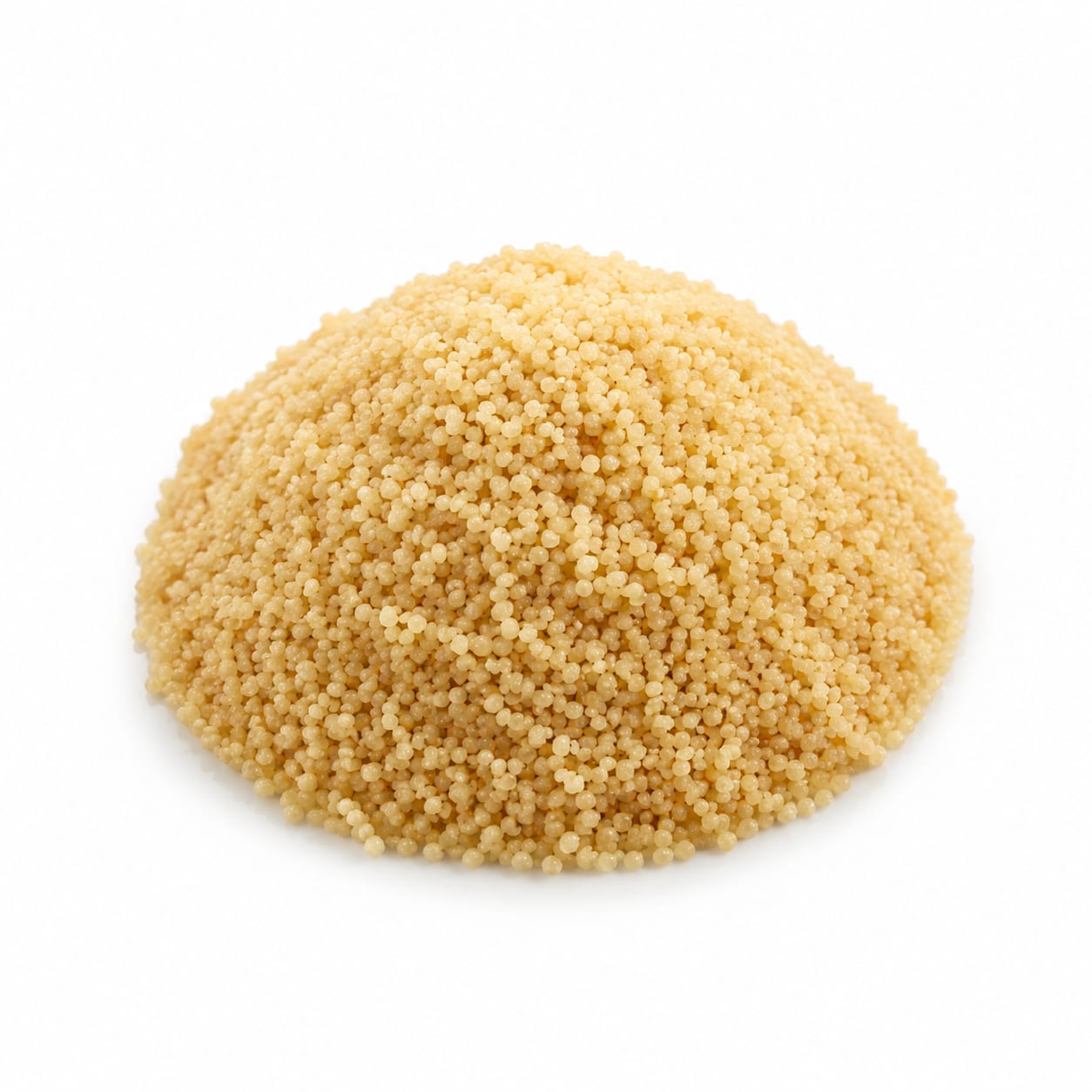
Fonio
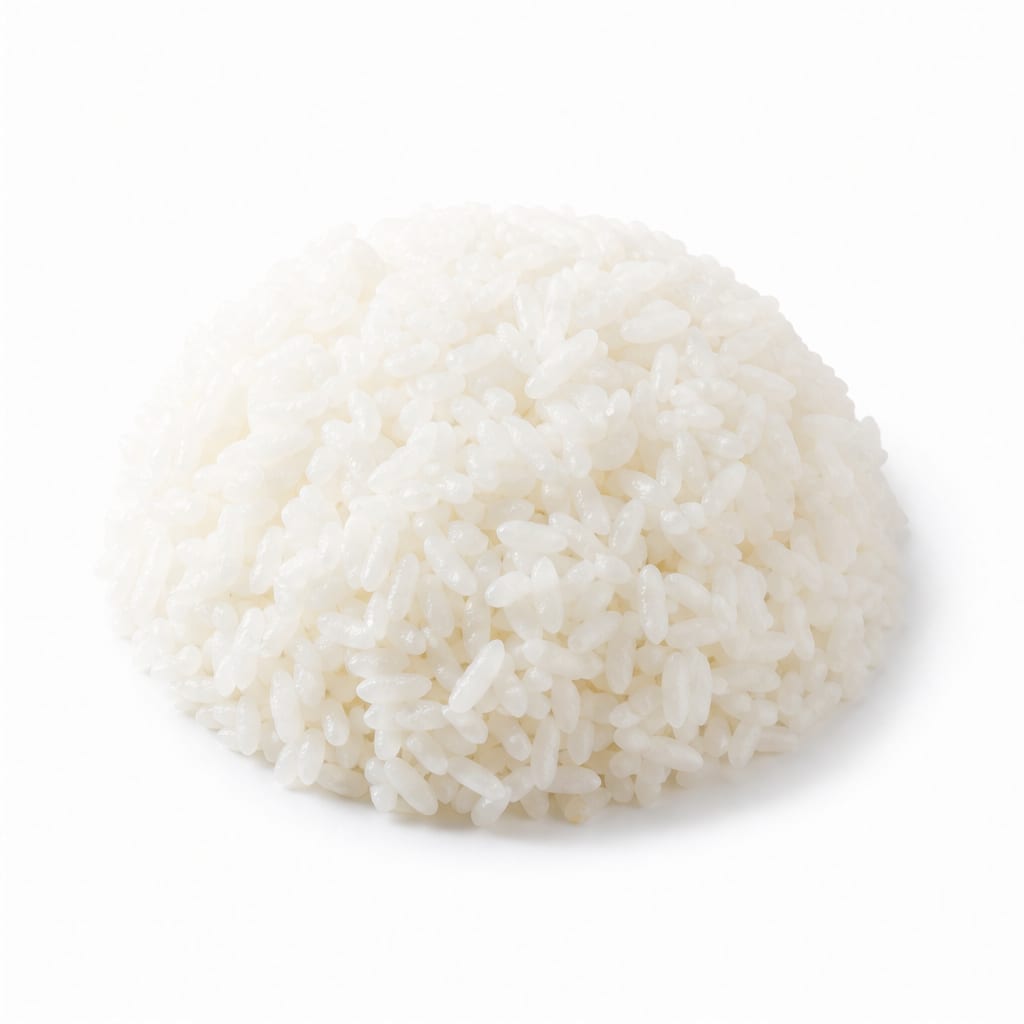
White Rice
Fonio is the clear nutritional winner, but white rice wins on convenience, cost, and availability. The right choice depends on what you value most.
Fonio scores substantially higher on health metrics like blood sugar control, fiber, and micronutrient density. White rice scores lower overall but remains practical and affordable. The gap reflects fonio's nutritional superiority, not white rice being inherently bad.
You trade affordability and convenience for significantly better blood sugar control, more fiber, and richer micronutrients when you choose fonio over white rice.
At a glance
Executive summary
Overall
It depends
Healthier
Fonio
More practical
White Rice
Daily use
It depends
Key comparison lenses
blood sugar management
White rice is notorious for spiking blood sugar, while fonio is a low-glycemic ancient grain that provides steadier energy
nutrient density tradeoff
Fonio delivers significantly more minerals and amino acids per calorie, making it a rare nutrient-dense carb source
everyday practicality and cost
White rice is cheap and everywhere; fonio is expensive and harder to find, which matters for daily decision-making
digestive sensitivity
White rice is a go-to for upset stomachs, while fonio's fiber content may not suit acute digestive distress
sustainability and ethics
Fonio supports West African farming communities and thrives in poor soil with little water, giving it an ethical edge
Best choice for
Fonio
- People managing diabetes or insulin resistance
- Anyone seeking more nutrients from their carb sources
- Those wanting steadier energy without afternoon crashes
- Gluten-sensitive individuals looking for versatile grains
- Consumers prioritizing sustainable and ethical food choices
White Rice
- Households on tight budgets
- People recovering from stomach illness who need easily digestible food
- Athletes needing quick glycogen replenishment post-workout
- Anyone living where fonio is unavailable or unaffordable
- Bulk meal preppers feeding large families
Least suitable for
Fonio
- Budget-conscious families who need affordable staples
- People with severe digestive flares who need low-fiber foods temporarily
- Anyone who cannot source fonio locally or online
White Rice
- People with diabetes or prediabetes
- Those trying to lose weight while staying full
- Anyone seeking nutrient-dense calories rather than empty carbs
Deep comparison
Dimension by dimension
Each lens scores both foods and breaks down who each option suits.
- Dimension 1 · Priority 95Fonio
Blood Sugar Stability
Fonio · 82White Rice · 25Fonio has a low glycemic index and releases energy slowly, while white rice causes rapid blood sugar spikes followed by crashes.
Tradeoff
White rice's quick digestion is useful after intense exercise but problematic for sedentary meals or metabolic conditions.
Why it matters
Blood sugar roller coasters drive cravings, fatigue, and long-term metabolic damage. Steady energy feels better and protects your health.
Real-world impact
A fonio lunch keeps you alert through the afternoon. A white rice lunch often leads to a 2pm energy dip and a vending machine visit.
Fonio
- Sustained focus during work hours
- Managing diabetes or prediabetes
- Avoiding mid-afternoon energy crashes
Better for
- Situations requiring immediate fast energy
Worse for
White Rice
- Rapid glycogen reload after intense training
- Quick energy before endurance events
Better for
- Sedentary office workers prone to afternoon fatigue
- Anyone monitoring fasting blood sugar
- People prone to sugar cravings after meals
Worse for
- Dimension 2 · Priority 90Fonio
Nutrient Density
Fonio · 78White Rice · 20Fonio contains significantly more iron, zinc, magnesium, and essential amino acids like methionine and cysteine. White rice is largely stripped of nutrients during processing.
Tradeoff
Fortified white rice adds back some nutrients like folic acid and iron, but fonio delivers them naturally with better absorption cofactors.
Why it matters
Getting nutrients from your carb source means fewer deficiencies without supplements. It makes every calorie work harder.
Real-world impact
Eating fonio regularly contributes meaningfully to your iron and zinc intake. White rice contributes calories but almost nothing else.
Fonio
- Women prone to iron deficiency
- Vegans and vegetarians needing more minerals
- Anyone eating limited food variety
Better for
- Not a significant concern
Worse for
White Rice
- Those eating fortified white rice alongside nutrient-rich dishes
Better for
- People relying on rice as a primary calorie source without diverse sides
- Those at risk for micronutrient deficiencies
Worse for
- Dimension 3 · Priority 85Fonio
Fiber and Satiety
Fonio · 70White Rice · 15Fonio provides meaningful fiber that keeps you full longer. White rice is nearly fiber-free, making it easy to overeat.
Tradeoff
Fonio's fiber is great for daily regularity and fullness, but white rice's low fiber makes it gentler during acute digestive illness.
Why it matters
Fiber is the difference between a meal that satisfies for hours and one that leaves you hungry again in 90 minutes.
Real-world impact
A fonio bowl at noon can carry you to dinner. White rice often has you snacking by 3pm.
Fonio
- Weight management through natural portion control
- Gut health and regular digestion
- Staying full between meals without snacking
Better for
- Acute digestive flares where fiber irritates
Worse for
White Rice
- Recovery from diarrhea or stomach bugs
- Days when your digestive system needs a break
Better for
- Chronic overeating due to low satiety
- Constipation-prone individuals
Worse for
- Dimension 4 · Priority 85White Rice
Convenience and Availability
Fonio · 30White Rice · 92White rice is available everywhere, costs pennies per serving, and cooks in 15-20 minutes. Fonio is specialty-priced, harder to find, and unfamiliar to most cooks.
Tradeoff
Fonio actually cooks faster than white rice (about 5 minutes), but you have to find and afford it first.
Why it matters
The healthiest grain in the world does nothing for you if you cannot buy it or afford it regularly.
Real-world impact
White rice is a 10-minute grocery run. Fonio might require online ordering, specialty stores, and paying 4-5x more per serving.
Fonio
- Quick cook time once you have it (5 minutes)
- Impressive unique dish for dinner parties
Better for
- Hard to find in most conventional stores
- Expensive for regular use
- Unfamiliar cooking process for most people
Worse for
White Rice
- Available at any grocery store worldwide
- Affordable for daily consumption at scale
- Familiar cooking methods everyone knows
Better for
- Not applicable for this dimension
Worse for
- Dimension 5 · Priority 75White Rice
Digestive Tolerance
Fonio · 55White Rice · 88White rice is one of the most easily digested foods available, making it a universal comfort food for illness. Fonio digests well for most people but has more fiber that can irritate sensitive guts.
Tradeoff
What makes white rice easy on the stomach is also what makes it nutritionally weak. Easy digestion comes from removing everything complex.
Why it matters
When your stomach is upset, you need food that passes gently. When you are healthy, you want food that works harder for you.
Real-world impact
Sick days call for white rice. Healthy Tuesday dinners call for fonio.
Fonio
- Normal digestion with benefits from fiber
- Everyday meals when your gut is healthy
Better for
- Acute gastrointestinal illness
- Severe IBS during flare-ups
Worse for
White Rice
- Recovery from stomach flu or food poisoning
- IBS flare-ups requiring low-fiber foods
- Post-surgical bland diets
Better for
- Long-term gut health maintenance
Worse for
- Dimension 6 · Priority 70Fonio
Sustainability and Ethics
Fonio · 85White Rice · 40Fonio thrives in poor soil with minimal water and supports West African smallholder farmers. White rice requires heavy irrigation and is often produced in water-stressed regions.
Tradeoff
Fonio's sustainability advantage is real, but its low yield means it cannot currently replace rice as a global staple.
Why it matters
Your food choices affect more than your body. Water usage and farmer livelihoods matter for long-term food security.
Real-world impact
Buying fonio supports drought-resistant agriculture and African farming communities. White rice contributes to significant water consumption.
Fonio
- Supporting sustainable agriculture in arid regions
- Empowering West African smallholder farmers
- Choosing crops that need less water
Better for
- Cannot scale to replace global rice demand currently
Worse for
White Rice
- Feeding large populations efficiently with established supply chains
Better for
- High water consumption in drought-prone areas
- Methane emissions from flooded rice paddies
Worse for
Timeline
Health impact over time
Short-term
Hours to days
Fonio
- Steadier energy after meals without sugar crashes
- Better fullness that reduces between-meal snacking
- Mild digestive adjustment period if transitioning from low-fiber diet
White Rice
- Quick energy spike followed by potential fatigue within 1-2 hours
- Easy digestion with minimal gut discomfort
- Likely hunger returning sooner, prompting extra snacking
Long-term
Months to years
Fonio
- Better blood sugar regulation reducing diabetes risk
- Improved mineral intake supporting immune and bone health
- Healthier gut microbiome from consistent fiber intake
- Support for sustainable farming systems
White Rice
- Increased risk of type 2 diabetes with frequent consumption, especially in sedentary people
- Potential micronutrient gaps if rice displaces nutrient-dense foods
- Higher likelihood of overeating due to low satiety signals
- Contribution to water stress in rice-growing regions
Risk profile
Safety & processing
Fonio is a whole grain eaten essentially as grown, with minimal processing. White rice is milled and polished to remove the bran and germ, stripping away most nutrients and fiber. Neither typically contains artificial additives, but white rice's processing itself is the concern.
Fonio
Arsenic contamination
lowFonio generally shows lower arsenic levels than rice since it is not grown in flooded paddies where arsenic accumulates.
Limited food safety regulation in some producing regions
lowSmall-scale West African farming may have less standardized testing, though fonio's growing conditions are naturally low-risk.
White Rice
Arsenic contamination
mediumRice absorbs arsenic more than other grains because it grows in flooded soil. Regular consumption of white rice, especially from certain regions, contributes to cumulative arsenic exposure.
Fortification additives
lowFortified white rice adds synthetic vitamins and minerals. Generally safe, but some people prefer naturally occurring nutrients.
Who wins for whom
Audience fit
Same foods, different winners depending on your goal.
children
It dependsFonio offers better nutrition for growing bodies, but white rice is easier for picky eaters and gentler on sensitive toddler digestive systems. Rotate both when possible.
daily consumption
It dependsFonio is nutritionally superior for daily use, but white rice's affordability and availability make it the realistic daily staple for most people worldwide. Choose fonio when budget and access allow.
diabetes
FonioFonio's low glycemic index and higher fiber make it significantly safer for blood sugar management. White rice is one of the worst grain choices for diabetics.
elderly
It dependsFonio provides more nutrients that elderly people often lack, like iron and zinc. But white rice is easier to chew and digest for those with dental or digestive issues.
muscle gain
White RiceWhite rice provides fast-digesting carbs ideal for post-workout glycogen replenishment when you need calories quickly, though fonio's amino acid profile is actually better.
weight loss
FonioFonio's fiber and protein content keep you full longer, naturally reducing overall calorie intake. White rice's low satiety makes portion control harder.
Your move
Decision guide
Choose Fonio
- You want steadier energy and fewer afternoon crashes
- You are managing blood sugar, insulin resistance, or diabetes
- You can afford the premium price and find it locally or online
- You care about supporting sustainable and ethical food systems
- You want more nutrition from your carb sources without supplements
Choose White Rice
- Budget is a primary concern for your household
- You need easily digestible food during illness recovery
- You are an athlete needing quick post-workout carbs
- Fonio is simply not available where you live
- You are cooking for a large family and need affordable bulk calories
Either works if
- You rotate grains anyway and want variety in your diet
- You pair grains with protein, healthy fats, and vegetables that offset white rice's weaknesses
- You cook for different household members with different needs
Avoid both if
- You are on a strict low-carb or ketogenic diet
- You have a grain allergy or sensitivity to millet-family plants (for fonio)
- You are seeking protein-dominant foods rather than carb sources
Final recommendation
Make fonio your default grain when you can access and afford it. Its blood sugar stability, fiber, and mineral content make it genuinely superior for everyday health. Keep white rice for sick days, post-workout meals, and budget-stretched weeks. If white rice is your daily reality, pair it with fiber-rich vegetables, healthy fats, and protein to blunt its blood sugar impact. The best diet includes both, with fonio leading when possible.
Practical
Consumer tips
- 1
Rinse white rice thoroughly before cooking to reduce arsenic levels by up to 30%
- 2
Cook fonio like couscous: boil water, stir in grain, cover and let steam for 5 minutes
- 3
Mix fonio and white rice together to transition your palate while managing cost
- 4
Pair white rice with vinegar (like sushi) to lower its glycemic impact
- 5
Buy fonio in bulk online to reduce the per-serving cost significantly
- 6
If white rice is your staple, choose basmati or jasmine varieties which have slightly lower glycemic indices than short-grain types
- 7
Add vegetables and legumes to white rice dishes to compensate for its missing fiber and nutrients