
Nutrition comparison
Fonio vs Teff: Which Ancient African Grain Is Better for You?
Compare fonio and teff nutrition, cooking time, iron content, and health benefits. Discover which gluten-free grain fits your diet and lifestyle best.
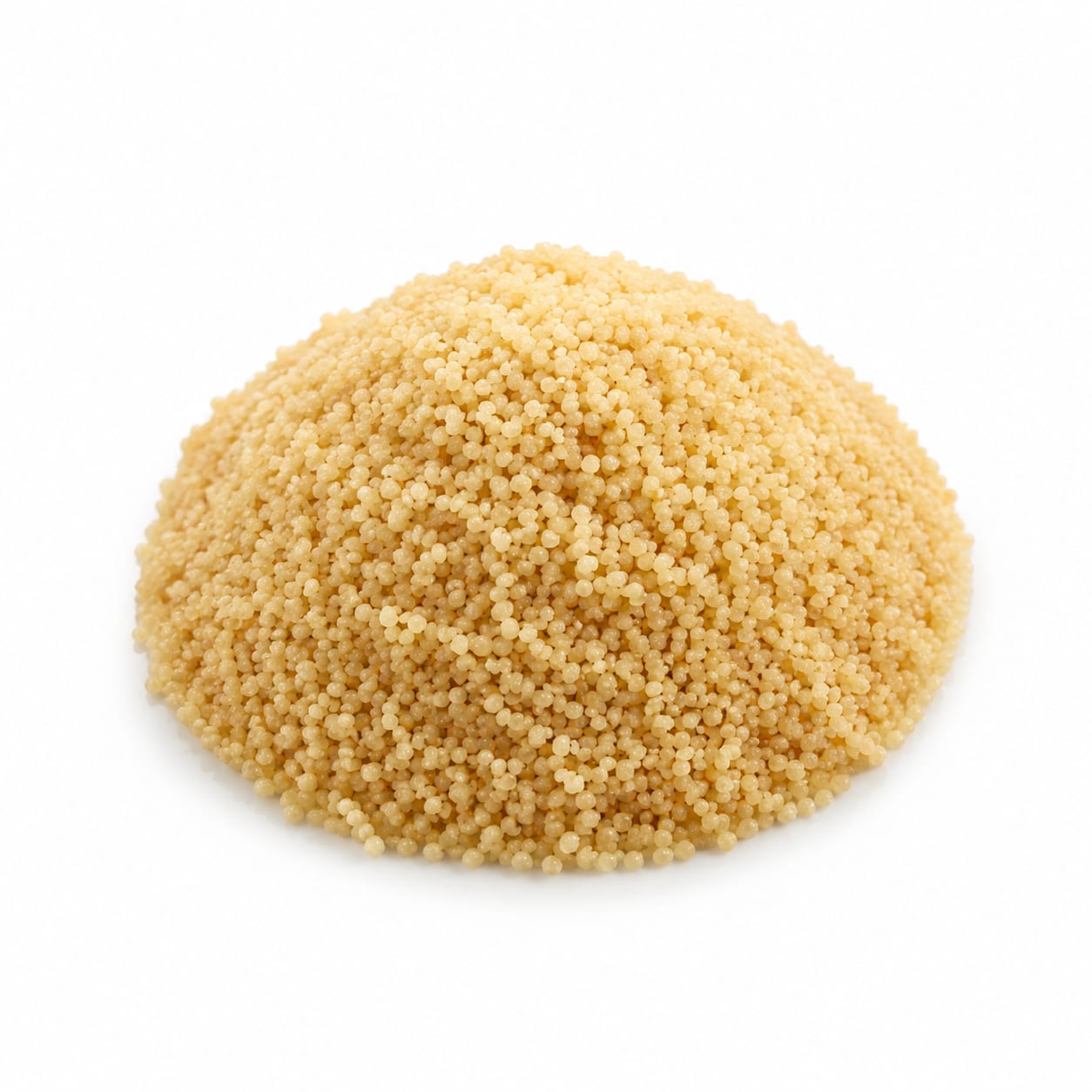
Fonio
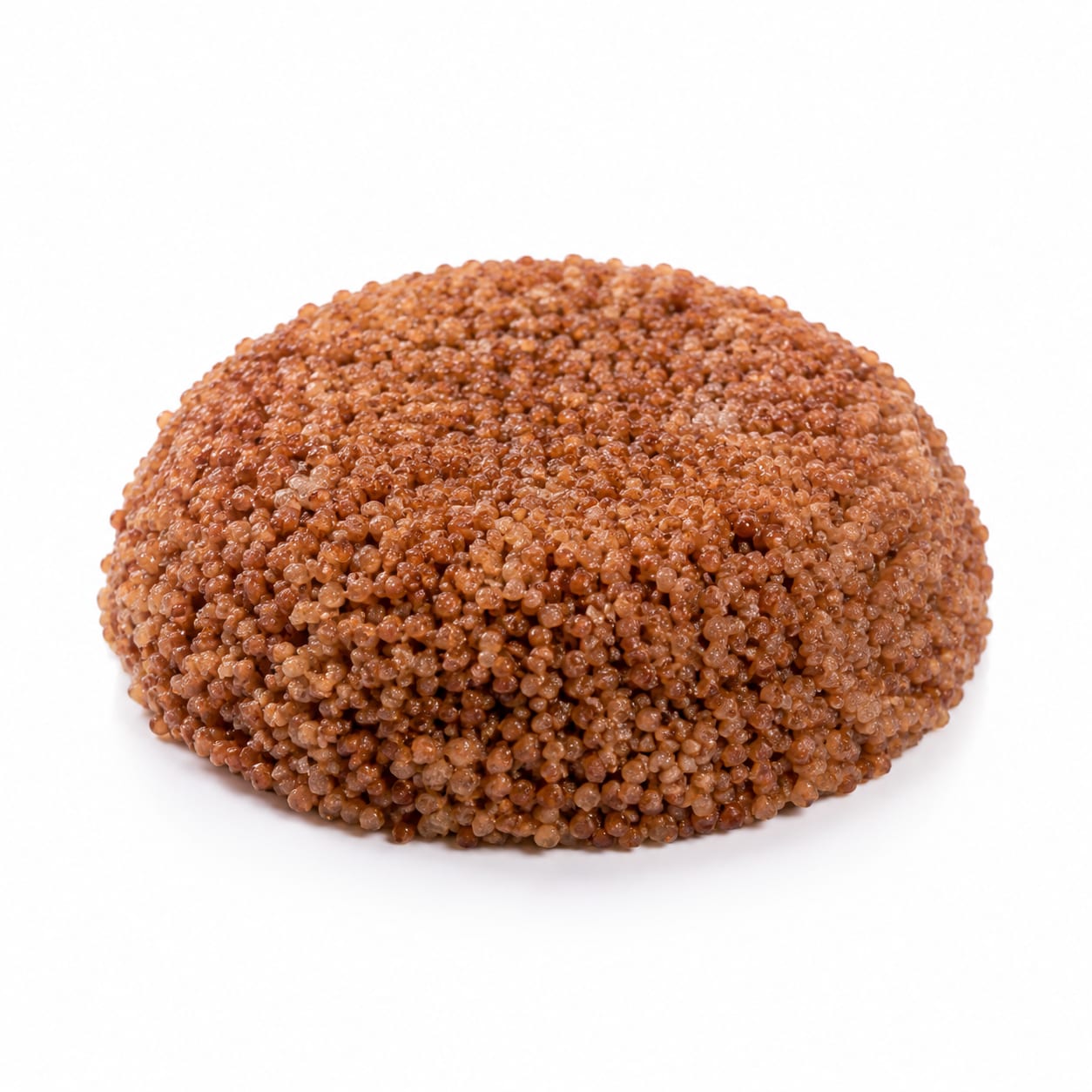
Teff
Teff delivers more protein, iron, and calcium per serving, while fonio wins on cooking speed and digestibility. Choose teff for nutritional punch, fonio for convenience and lighter meals.
Teff scores higher due to its superior protein, iron, calcium, and fiber content. Fonio remains competitive through cooking convenience and digestibility, but nutritionally it cannot match teff's density. The gap is meaningful but not overwhelming—fonio still outperforms most refined grains.
Teff offers superior mineral density and protein but requires longer cooking; fonio is ready in minutes and easier on the stomach but nutritionally lighter.
At a glance
Executive summary
Overall
It depends
Healthier
Teff
More practical
Fonio
Daily use
It depends
Key comparison lenses
ancient grain nutritional density comparison
Both are nutrient-dense African heritage grains, so users want to know which packs more nutrition per serving
gluten-free grain selection
Both are naturally gluten-free, making them popular for celiac and gluten-sensitive users choosing between options
cooking convenience and versatility
Fonio cooks dramatically faster than teff, which matters for everyday meal preparation decisions
mineral and iron supplementation through food
Teff is renowned for iron content, a key differentiator for anemia-prone individuals
blood sugar management with whole grains
Both are complex carbohydrates, but users managing diabetes need to know which provides steadier energy
Best choice for
Fonio
- People who need quick-cooking weeknight grains
- Those with sensitive digestion who find heavier grains uncomfortable
- Anyone wanting a light, fluffy side dish instead of dense porridge
- Busy home cooks who want whole-grain nutrition without the wait
Teff
- Anyone needing iron support, especially women with heavy periods
- Athletes and active people seeking higher plant protein from grains
- Those looking to boost calcium intake without dairy
- Bakers making injera or gluten-free baked goods with structural integrity
Least suitable for
Fonio
- People prioritizing maximum iron and mineral intake from food
- Those wanting a single grain to carry most of their nutritional needs
- Anyone on a tight grocery budget where fonio's premium price hurts
Teff
- People who want fast-cooking grains for busy weeknights
- Those who find dense, heavier grains sit uncomfortably in their stomach
- Anyone unfamiliar with cooking small grains who might struggle with teff's mushy texture if overcooked
Deep comparison
Dimension by dimension
Each lens scores both foods and breaks down who each option suits.
- Dimension 1 · Priority 92Teff
Protein Content and Quality
Fonio · 55Teff · 82Teff provides roughly 40% more protein per serving than fonio, making it a more substantial plant protein source.
Tradeoff
You sacrifice fonio's lightness for teff's more muscle-supporting protein profile.
Why it matters
For plant-based eaters, every gram of protein from grains counts toward daily targets.
Real-world impact
A teff bowl after exercise feels more replenishing; fonio feels more like a light side than a recovery meal.
Fonio
- Light meals where protein isn't the priority
- Situations where you're getting protein from other dish components
Better for
- Using fonio as a primary protein source in a meal
- Relying on it for satiety in protein-forward diets
Worse for
Teff
- Plant-based diets needing grain protein contribution
- Post-workout meals where protein matters
- Vegetarian meal prep where every protein source counts
Better for
- Meals where you want a light, non-heavy grain base
- Hot weather eating where dense foods feel overwhelming
Worse for
- Dimension 2 · Priority 95Teff
Iron and Mineral Density
Fonio · 48Teff · 90Teff is one of the richest grain sources of iron available, with roughly 5-6 times more iron than fonio. It also delivers significantly more calcium.
Tradeoff
If iron status is a concern, teff is clearly superior. Fonio's mineral profile is modest by comparison.
Why it matters
Iron deficiency is the world's most common nutrient deficiency, especially affecting women. Getting iron from food is gentler than supplements.
Real-world impact
Regular teff consumption can meaningfully move the needle on iron intake; fonio contributes but won't be your iron anchor grain.
Fonio
- People with hemochromatosis or iron overload concerns
- Those already meeting iron needs through red meat or supplements
Better for
- Relying on fonio as an iron source in a plant-based diet
- Using it during pregnancy when iron needs spike
Worse for
Teff
- Menstruating women with higher iron needs
- Pregnant women seeking food-based iron sources
- Vegetarians and vegans who struggle with iron intake
- Anyone diagnosed with or borderline for iron-deficiency anemia
Better for
- People with iron overload conditions
- Those taking iron supplements who risk excess intake
Worse for
- Dimension 3 · Priority 88Fonio
Cooking Convenience and Speed
Fonio · 92Teff · 55Fonio cooks in 5 minutes compared to teff's 20-30 minutes, making it one of the fastest whole grains available.
Tradeoff
Fonio's speed comes from its tiny size and lower density—nutritionally lighter but practically much faster.
Why it matters
On busy weeknights, a 5-minute grain actually gets cooked while a 30-minute grain often gets skipped for something processed.
Real-world impact
Fonio is realistic for Tuesday night dinner; teff requires planning ahead or batch cooking on weekends.
Fonio
- Weeknight cooking when time is tight
- Last-minute grain additions to soups or salads
- Meal prep beginners who want quick wins
Better for
- Situations where you want a grain that holds firm texture for hours in a dish
Worse for
Teff
- Weekend batch cooking for the week ahead
- Slow-cooked stews and porridges where cook time doesn't matter
- Traditional injera preparation which is a planned activity
Better for
- Spontaneous cooking when you didn't plan ahead
- Quick lunch preparation during a work break
Worse for
- Dimension 4 · Priority 80Fonio
Digestibility and Stomach Comfort
Fonio · 85Teff · 68Fonio is traditionally given to infants and recovering patients in West Africa because it digests so easily. Teff is well-tolerated but denser and heavier.
Tradeoff
Fonio's lightness makes it gentler on sensitive stomachs; teff's density can feel heavy if you're not used to it.
Why it matters
For people with IBS, post-illness recovery, or sensitive digestion, grain heaviness directly affects comfort.
Real-world impact
After a stomach bug, fonio porridge feels comforting and easy; teff porridge might feel like too much too soon.
Fonio
- Post-illness recovery eating
- People with sensitive digestion or IBS
- Infants and elderly who need easy-to-digest foods
- Hot days when heavy meals feel oppressive
Better for
- Active people who find light grains unsatisfying
Worse for
Teff
- Robust appetites where density is satisfying, not uncomfortable
- Cold weather meals where heaviness feels warming
Better for
- Anyone recovering from gastrointestinal illness
- People who experience bloating from dense grains
Worse for
- Dimension 5 · Priority 85Teff
Fiber and Blood Sugar Stability
Fonio · 62Teff · 80Teff contains more fiber and resistant starch, which slows sugar absorption and feeds gut bacteria more effectively than fonio.
Tradeoff
Teff keeps blood sugar steadier for longer, but fonio's lower fiber makes it less filling.
Why it matters
Steadier blood sugar means fewer energy crashes and better hunger control between meals.
Real-world impact
A teff breakfast keeps you full until lunch; fonio may leave you reaching for a snack by mid-morning.
Fonio
- Pre-workout meals where you want faster-available energy
- Light dinners when you don't want fiber before bed
Better for
- Using fonio as a standalone breakfast for blood sugar management
- Relying on it for long-lasting satiety
Worse for
Teff
- Diabetes management where glycemic control matters
- Breakfast for sustained morning energy
- Gut health optimization through resistant starch
Better for
- Pre-workout meals where you want quick energy availability
- Evening meals for people who find fiber disruptive to sleep
Worse for
- Dimension 6 · Priority 78Teff
Culinary Versatility
Fonio · 65Teff · 82Teff works in porridge, injera, baked goods, and thickened dishes. Fonio excels as a fluffy side or porridge but has less structural range.
Tradeoff
Teff's stickiness and density make it more versatile for baking and fermented foods; fonio's fluffiness limits it to lighter applications.
Why it matters
A grain you can use in more dishes is easier to keep in your pantry without waste.
Real-world impact
Teff flour works in pancakes, cookies, and flatbreads; fonio flour is less common and harder to bake with successfully.
Fonio
- Fluffy grain bowls and pilaf-style dishes
- Quick breakfast porridge with a light texture
- Replacing couscous or rice in side dishes
Better for
- Gluten-free baking applications
- Dishes where you need the grain to bind or hold together
Worse for
Teff
- Gluten-free baking where grain structure matters
- Making injera and other fermented flatbreads
- Thickening soups and stews with a nutritious grain
- Puddings and dense porridge where creaminess is desired
Better for
- Recipes calling for a light, separate grain texture
- Dishes where you want each grain distinct and fluffy
Worse for
- Dimension 7 · Priority 72Teff
Availability and Cost
Fonio · 45Teff · 65Teff has a more established supply chain in Western markets due to Ethiopian diaspora demand. Fonio remains niche and often more expensive.
Tradeoff
Both are premium-priced compared to rice or oats, but teff is easier to find in stores and online.
Why it matters
A grain you can't find or afford regularly won't become a dietary staple regardless of its nutrition.
Real-world impact
Teff is available at most Whole Foods and health food stores; fonio often requires online ordering or specialty shops.
Fonio
- Living in West African communities where fonio is staple and affordable
Better for
- Rural areas with limited specialty food access
- Tight grocery budgets where premium grain prices are hard to justify
Worse for
Teff
- Most Western consumers who need reliable store access
- Online shoppers who want multiple brand options
- Budget-conscious buyers comparing prices between ancient grains
Better for
- Communities where teff hasn't penetrated the market yet
Worse for
Timeline
Health impact over time
Short-term
Hours to days
Fonio
- Quick energy from easily digested carbohydrates
- Light feeling in the stomach after eating
- Less post-meal fullness, which may trigger earlier snacking
Teff
- Longer-lasting satiety from higher protein and fiber
- Steadier energy without the quick rise and fall
- Heavier feeling in the stomach that some find comforting, others find sluggish
Long-term
Months to years
Fonio
- Consistent whole grain intake supports heart health, though less robustly than higher-fiber options
- Easy digestibility makes long-term daily consumption comfortable
- Iron and calcium intake may need supplementation if fonio is your primary grain
Teff
- Superior iron intake supports energy levels and reduces anemia risk over time
- Higher calcium contributes to bone density maintenance
- Resistant starch feeds beneficial gut bacteria, supporting microbiome diversity
- More effective blood sugar management reduces long-term metabolic disease risk
Risk profile
Safety & processing
Both fonio and teff are whole grains typically sold with minimal processing. Neither commonly contains additives, preservatives, or artificial ingredients. They represent some of the most natural grain options available in Western markets.
Fonio
Cross-contamination with gluten grains
mediumFonio is naturally gluten-free but may be processed on shared equipment. Celiacs should verify certified gluten-free labeling.
Aflatoxin contamination from improper storage
lowAs with any grain grown in humid tropical regions, poor storage can lead to mold. Reputable suppliers test for this.
Teff
Cross-contamination with gluten grains
mediumTeff is naturally gluten-free but shared processing facilities create risk. Certified gluten-free teff is widely available.
Heavy soil mineral concentration
lowTeff's impressive mineral content comes from its ability to pull minerals from soil, which could include unwanted metals in contaminated growing regions. Ethiopian-sourced teff from reputable suppliers is generally safe.
Who wins for whom
Audience fit
Same foods, different winners depending on your goal.
children
FonioFonio's easy digestibility and mild flavor make it ideal for introducing whole grains to young children. It's traditionally used as infant food in West Africa for good reason.
daily consumption
It dependsTeff is nutritionally superior for daily use, but fonio's convenience makes it more realistic to actually eat daily. The best choice is whichever you'll consistently prepare.
diabetes
TeffTeff's higher fiber and resistant starch slow glucose absorption more effectively, leading to steadier blood sugar responses.
elderly
FonioFonio's gentle digestibility suits aging digestive systems that struggle with denser grains. Teff's iron is beneficial but its heaviness can be uncomfortable.
muscle gain
TeffTeff provides more protein per serving and pairs well with legumes for complete amino acid profiles in muscle-building meals.
weight loss
TeffTeff's higher protein and fiber create stronger satiety signals, reducing the urge to overeat. Fonio's lighter profile may leave you hungry sooner.
Your move
Decision guide
Choose Fonio
- You want a quick-cooking whole grain for busy weeknights
- You have sensitive digestion or are recovering from illness
- You're feeding children who need gentle, easy-to-digest grains
- You prefer light, fluffy grain textures over dense and creamy
- You want a couscous replacement that's gluten-free
Choose Teff
- Iron intake is a priority, especially for women or plant-based eaters
- You want more protein from your grain choices
- You enjoy making injera or gluten-free baked goods
- You're managing blood sugar and need steady, long-lasting energy
- You're willing to batch-cook grains for the week ahead
Either works if
- You want a gluten-free ancient grain rotation for variety
- You're exploring African heritage grains and want to try both
- You're looking for alternatives to quinoa or rice
Avoid both if
- You have a tight grocery budget and rice or oats would serve you better financially
- You can't find either grain locally and shipping costs are prohibitive
- You expect a neutral white-rice flavor—both have distinct earthy tastes
Final recommendation
Keep both in your rotation if budget allows: fonio for quick weeknight meals and light dishes, teff for nutrient-dense breakfasts and baking. If you must choose one, teff delivers more health value per serving, but only if you'll actually cook it. Fonio's 5-minute cook time means it's far more likely to become a daily habit.
Practical
Consumer tips
- 1
Buy fonio in bulk online where prices are significantly lower than specialty store markups
- 2
Soak teff overnight to cut cooking time in half and improve mineral absorption
- 3
Toast both grains dry in a pan for 2 minutes before cooking to deepen flavor
- 4
If new to teff, start with porridge—it's the most forgiving preparation and masks the earthy flavor if unfamiliar
- 5
Look for certified gluten-free labels on both grains if you have celiac disease, as cross-contamination is common
- 6
Mix fonio and teff together for a bowl that balances lightness and nutritional density
- 7
Freeze cooked teff in portions for quick reheating during busy weeks—this eliminates its main disadvantage