
Nutrition comparison
Fonio vs Sorghum: Which Ancient Grain Is Better for You?
Compare fonio and sorghum nutrition, cooking time, fiber, protein, and health benefits. Find out which African grain fits your diet, budget, and lifestyle best.
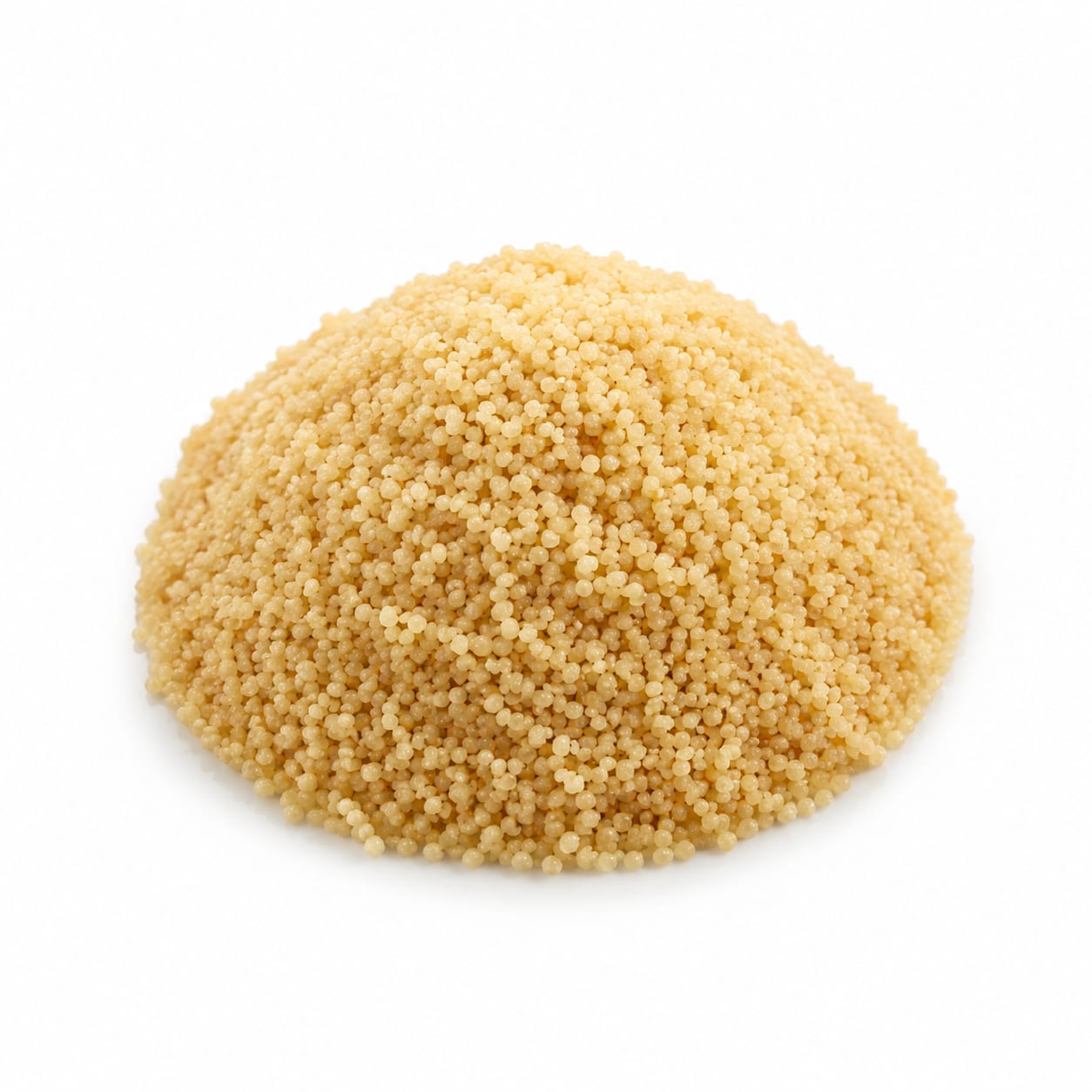
Fonio
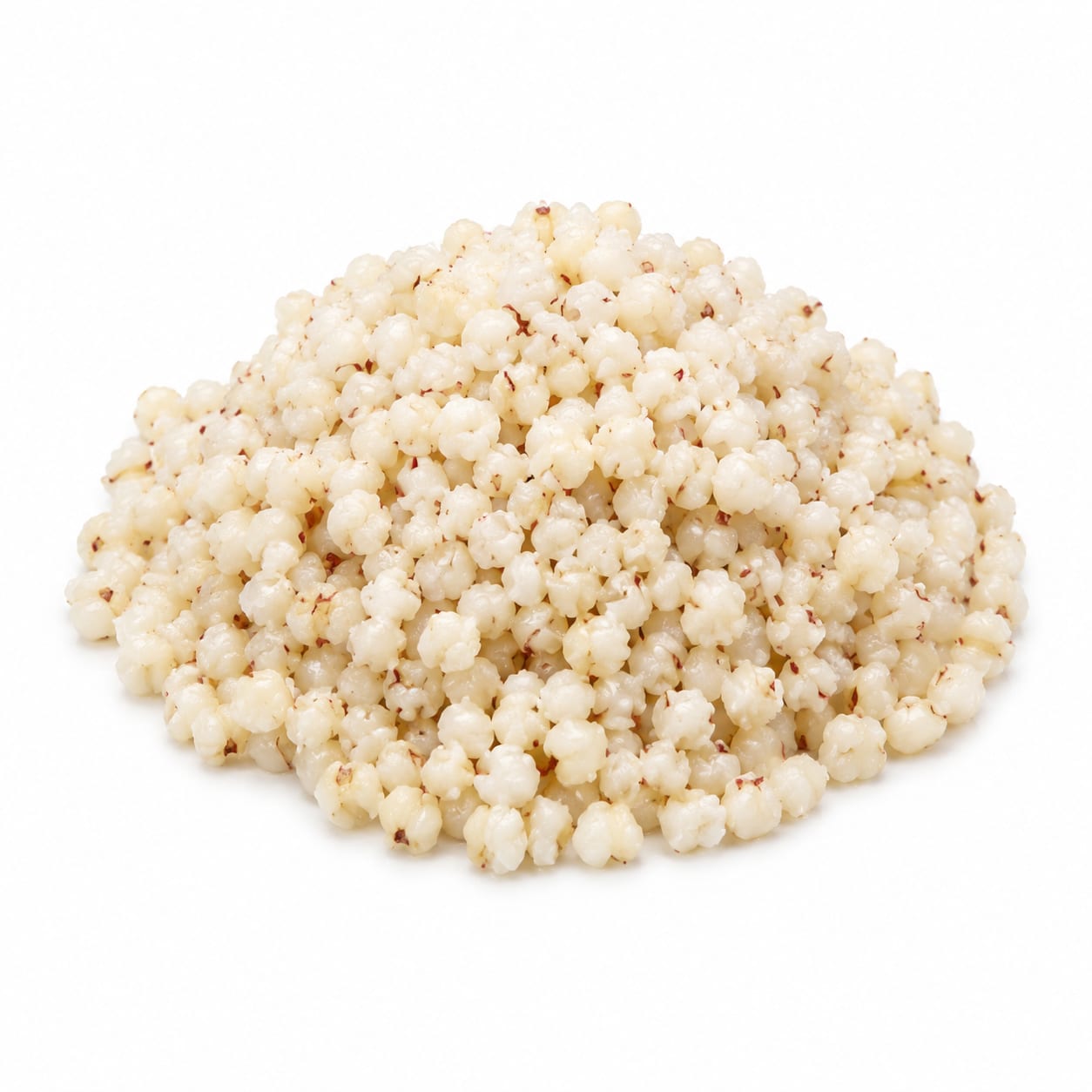
Sorghum
Sorghum wins on nutrition, fiber, and value. Fonio wins on speed, digestibility, and lightness. Your pick depends on what your day demands.
Sorghum scores higher due to superior fiber, protein, antioxidants, and affordability. Fonio remains competitive through unmatched cooking speed and gentler digestion, but its lower nutrient density and higher cost narrow its everyday appeal.
Sorghum feeds you longer and richer, but Fonio gets dinner on the table in five minutes and sits lighter in your stomach.
At a glance
Executive summary
Overall
It depends
Healthier
Sorghum
More practical
Fonio
Daily use
Sorghum
Key comparison lenses
ancient grain nutritional value comparison
Both are heritage African grains gaining modern attention, so nutrient density and unique benefits are primary decision drivers
blood sugar management
Both are gluten-free grains often chosen by people managing diabetes or metabolic concerns
practicality and cooking convenience
Fonio cooks in minutes while sorghum takes much longer, a major real-world deciding factor
satiety and weight management
Fiber and protein differences significantly affect how full you feel after eating
budget and accessibility
Fonio remains niche and expensive while sorghum is increasingly affordable and available
Best choice for
Fonio
- Weeknight cooks who need a grain in 5 minutes
- People with sensitive digestion who find heavier grains uncomfortable
- Those wanting a light, fluffy side dish that won't weigh down a meal
- Anyone new to ancient grains who wants an easy entry point
Sorghum
- Meal preppers who cook grains in bulk for the week
- Athletes and active people needing sustained energy and more protein
- Budget-conscious shoppers wanting maximum nutrition per dollar
- People prioritizing antioxidant intake and long-term disease prevention
Least suitable for
Fonio
- Those on tight grocery budgets
- People wanting high fiber intake from their grain serving
- Anyone who finds tiny grains fiddly or unsatisfying
- Large families where cost per serving matters significantly
Sorghum
- Anyone who needs a grain ready in under 15 minutes
- People who find dense, chewy grains heavy or bloating
- Cooks without a pressure cooker or 45+ minutes of stovetop patience
- Those wanting a delicate texture to pair with light sauces
Deep comparison
Dimension by dimension
Each lens scores both foods and breaks down who each option suits.
- Dimension 1 · Priority 95Sorghum
Nutrient Density
Fonio · 58Sorghum · 82Sorghum delivers noticeably more protein, fiber, iron, and antioxidants per serving than fonio.
Tradeoff
Fonio offers slightly better amino acid balance with methionine and cysteine, but sorghum's overall nutritional package is stronger.
Why it matters
When a grain is your main carb source, nutrient density determines whether it actively nourishes you or just fills you up.
Real-world impact
A sorghum bowl keeps you fueled and satisfied for hours. A fonio bowl tastes great but you may be hungry again sooner.
Fonio
- Getting specific amino acids that many grains lack
Better for
- Relying on it as a primary protein source
- Meeting fiber goals from whole grains alone
Worse for
Sorghum
- Meeting daily protein needs from plant sources
- Getting enough fiber without supplements
- Maximizing iron and mineral intake naturally
Better for
- Absorbing all its iron due to tannin interference in darker varieties
Worse for
- Dimension 2 · Priority 90Sorghum
Blood Sugar Stability
Fonio · 70Sorghum · 82Both are low-glycemic gluten-free grains, but sorghum's higher fiber and slower digestion give it an edge for steadier blood sugar.
Tradeoff
Fonio digests faster, which feels lighter but means a slightly quicker blood sugar rise compared to sorghum's slow burn.
Why it matters
Steady blood sugar means no afternoon crash, fewer cravings, and better energy throughout your day.
Real-world impact
Sorghum as a lunch base helps you avoid the 3pm energy dip. Fonio is still far better than white rice but requires more protein pairing.
Fonio
- Quick pre-workout energy when you need carbs that digest easily
Better for
- Eating it alone without protein or fat for blood sugar balance
Worse for
Sorghum
- Managing diabetes or insulin resistance
- Avoiding afternoon energy crashes
- Reducing sugar cravings between meals
Better for
- Needing quick energy right before intense exercise
Worse for
- Dimension 3 · Priority 85Sorghum
Satiety and Fullness
Fonio · 55Sorghum · 83Sorghum's chewy texture, higher protein, and abundant fiber make it significantly more filling than fonio.
Tradeoff
Fonio's lightness is pleasant when you want a gentle meal, but it means you will likely eat more or get hungry sooner.
Why it matters
How full a grain keeps you directly affects snacking behavior, portion control, and whether you actually stick to your eating plan.
Real-world impact
A sorghum grain bowl at noon can easily carry you to dinner. A fonio bowl at noon often needs a snack bridge by 3pm.
Fonio
- Light eaters who feel uncomfortable after heavy meals
- Hot days when dense food sounds unappealing
Better for
- Anyone prone to overeating when meals do not feel substantial
Worse for
Sorghum
- Weight management through natural portion control
- Long workdays without snack access
- Athletes needing sustained fuel
Better for
- People who feel sluggish after heavy, high-fiber meals
Worse for
- Dimension 4 · Priority 85Fonio
Cooking Convenience
Fonio · 92Sorghum · 40Fonio cooks in 5 minutes. Sorghum takes 45 to 60 minutes on the stovetop, or 20 minutes in a pressure cooker.
Tradeoff
Fonio's speed is a genuine weeknight advantage, but sorghum rewards batch cooking and meal prep beautifully.
Why it matters
The best grain nutritionally is useless if you never cook it because it takes too long on a Tuesday evening.
Real-world impact
Fonio is a realistic substitute for rice or couscous any night. Sorghum requires planning or a pressure cooker to be practical.
Fonio
- Last-minute dinners after long workdays
- Camping and travel cooking with limited time
- Beginners intimidated by cooking whole grains
Better for
- Situations where a chewy, substantial grain texture is desired
Worse for
Sorghum
- Weekend meal prep sessions
- Slow cooker or pressure cooker owners
- Anyone who cooks grains in large batches
Better for
- Spontaneous weeknight cooking
- Anyone without 45 minutes or a pressure cooker
Worse for
- Dimension 5 · Priority 80Sorghum
Antioxidant Content
Fonio · 45Sorghum · 88Sorghum, especially darker varieties, is exceptionally rich in antioxidants like tannins, phenolic compounds, and 3-deoxyanthocyanidins.
Tradeoff
Sorghum's tannins boost antioxidant power but can slightly reduce mineral absorption. Fonio has minimal antioxidant content.
Why it matters
Antioxidants from whole grains contribute meaningfully to long-term protection against chronic diseases and cellular aging.
Real-world impact
Regularly choosing sorghum adds a quiet layer of long-term health protection that fonio simply does not match.
Fonio
- Minimal concern about tannin interference with iron absorption
Better for
- Anyone relying on their grain choice for antioxidant support
Worse for
Sorghum
- Long-term anti-inflammatory benefits
- Reducing oxidative stress from aging or intense training
- Adding disease-fighting variety to a plant-forward diet
Better for
- Iron-deficient individuals eating sorghum at every meal without vitamin C pairing
Worse for
- Dimension 6 · Priority 75Fonio
Digestive Tolerance
Fonio · 85Sorghum · 65Fonio is notably easy to digest, with a soft texture and lower fiber load that sits gently in sensitive stomachs.
Tradeoff
Sorghum's high fiber is great for most people but can cause bloating or gas if you are not used to it or have IBS.
Why it matters
A grain that causes discomfort will not stay in your rotation regardless of its nutritional profile.
Real-world impact
Fonio feels like a comfort food when your stomach is delicate. Sorghum can feel heavy until your gut adapts to the fiber.
Fonio
- Recovery from illness when digestion is weak
- IBS or sensitive gut management
- Elderly individuals with reduced digestive capacity
Better for
- Anyone wanting to increase fiber intake for gut health
Worse for
Sorghum
- Building a healthier gut microbiome over time
- Improving bowel regularity
Better for
- Sudden introduction in large amounts without gradual adaptation
Worse for
- Dimension 7 · Priority 75Sorghum
Cost and Availability
Fonio · 35Sorghum · 72Sorghum is widely available and affordable. Fonio remains a specialty import with premium pricing and limited retail presence.
Tradeoff
Fonio's scarcity reflects genuine supply chain reality, not just marketing. Supporting fonio helps West African farmers but costs more.
Why it matters
A grain you cannot find or afford will not become a dietary staple no matter how good it is.
Real-world impact
Sorghum is easy to order online or find at health food stores. Fonio often requires specialty shops or direct online ordering at higher prices.
Fonio
- Supporting West African agricultural economies
- Occasional specialty meals where cost matters less
Better for
- Households where grocery costs are a primary concern
Worse for
Sorghum
- Weekly grocery budgets for families
- Consistent daily consumption without financial strain
- Finding grains at regular supermarkets
Better for
- None significant — sorghum is broadly accessible
Worse for
- Dimension 8 · Priority 70Sorghum
Culinary Versatility
Fonio · 60Sorghum · 78Sorghum works as a whole grain, flour, popped snack, syrup, and even beer. Fonio is more limited to porridge and side dishes.
Tradeoff
Fonio excels at being a delicate, fluffy base but does not transform well into other forms. Sorghum adapts to nearly any recipe.
Why it matters
A versatile grain reduces food waste and keeps your meals interesting over months of eating.
Real-world impact
You can bake with sorghum flour, pop sorghum like popcorn, and simmer it as a grain bowl base. Fonio does one thing very well but only one thing.
Fonio
- Delicate side dishes where a light texture shines
- West African traditional recipes
Better for
- Anyone wanting one grain that can do everything
Worse for
Sorghum
- Gluten-free baking
- Snack making with popped sorghum
- Grain bowls, soups, stews, and salads
Better for
- Recipes requiring a light, couscous-like texture
Worse for
Timeline
Health impact over time
Short-term
Hours to days
Fonio
- Quick, light energy without heaviness or bloating
- Gentle on sensitive stomachs and easy to digest within an hour
- May feel less satisfying and trigger snacking within 2-3 hours if eaten alone
Sorghum
- Sustained fullness that reduces between-meal hunger
- Can cause temporary bloating or gas if fiber intake is increased too quickly
- Steady energy release without the crash that comes from refined grains
Long-term
Months to years
Fonio
- Consistent gentle digestion support for sensitive guts
- Lower long-term disease protection compared to higher-antioxidant grains
- Supports dietary diversity as a less common grain choice
Sorghum
- Meaningful reduction in chronic disease risk from high antioxidant intake
- Improved gut microbiome diversity from consistent high-fiber consumption
- Better long-term blood sugar management reducing diabetes progression risk
Risk profile
Safety & processing
Both fonio and sorghum are whole, ancient grains typically sold with minimal processing. Neither commonly contains artificial additives, preservatives, or fortification. This is as close to unprocessed as grains get in modern commerce.
Fonio
Limited regulatory oversight in some supply chains
lowFonio imports from West Africa may have less consistent quality monitoring than domestic grains, though reputable brands test for contaminants.
Potential mycotoxin exposure from storage conditions
lowSmall-scale farming and storage in humid climates can introduce mold risk, but this is rare in commercially exported fonio.
Sorghum
Tannin interference with mineral absorption
mediumDark sorghum varieties contain tannins that can reduce iron and zinc absorption by 10-20%. Pairing with vitamin C foods mitigates this significantly.
Pesticide residue on conventionally grown sorghum
lowSorghum is relatively pest-resistant and requires fewer pesticides than most grains, but conventional varieties are not residue-free.
Who wins for whom
Audience fit
Same foods, different winners depending on your goal.
children
FonioFonio's soft texture and mild flavor are more kid-friendly, and its easy digestibility suits developing digestive systems better than dense sorghum.
daily consumption
SorghumSorghum's nutritional completeness, affordability, and availability make it more sustainable as a daily staple grain.
diabetes
SorghumSorghum's slower digestion and higher fiber create a more gradual blood sugar rise, giving better glycemic control over fonio.
elderly
FonioFonio's gentle digestion and soft cooked texture are ideal for aging digestive systems that struggle with high-fiber, chewy grains.
muscle gain
SorghumSorghum provides more protein per serving and pairs better with legumes for complete amino acid profiles needed for muscle repair.
weight loss
SorghumSorghum's higher fiber and protein create stronger satiety signals, naturally reducing overall calorie intake without willpower struggle.
Your move
Decision guide
Choose Fonio
- You want a grain that cooks as fast as instant rice
- Your digestion is sensitive and heavy grains cause discomfort
- You are introducing ancient grains to picky eaters or children
- You occasionally want a light, fluffy side dish for West African-inspired meals
- Budget is not a primary constraint for your grocery choices
Choose Sorghum
- You want maximum nutrition, fiber, and antioxidants from your grain
- You meal prep on weekends and cook grains in batches
- You are managing blood sugar, weight, or long-term disease risk actively
- You want one versatile grain for flour, popping, porridge, and grain bowls
- Affordability and availability matter for your weekly grocery routine
Either works if
- You are avoiding gluten and want alternatives to rice and quinoa
- You enjoy rotating different whole grains for dietary diversity
- You want to support sustainable, drought-resistant agriculture
Avoid both if
- You have a severe grain allergy beyond gluten
- You need a grain with a complete protein profile on its own — pair both with legumes
- You are on a very low-carb or ketogenic diet
Final recommendation
Make sorghum your everyday grain and fonio your quick-cooking specialty. Sorghum gives you more nutrition, more fullness, and more value per serving for regular use. Keep fonio on hand for nights when you have five minutes and want something gentle. If you can only choose one, sorghum is the stronger all-around choice — but fonio earns its place in a well-stocked pantry for speed and digestive comfort alone.
Practical
Consumer tips
- 1
Pair sorghum with vitamin C foods like tomatoes or bell peppers to offset tannin-related iron absorption reduction
- 2
Start with small sorghum portions and increase gradually over two weeks to let your gut adapt to the fiber without bloating
- 3
Use a pressure cooker for sorghum to cut cooking time from 55 minutes to about 20 minutes
- 4
Toast fonio dry in the pan for two minutes before adding water to bring out a nuttier flavor
- 5
Pop sorghum in a hot dry pan just like popcorn for a fun, antioxidant-rich snack
- 6
Mix both grains: cook sorghum in batches for the week and use fonio for fresh meals on busy nights
- 7
Look for whole grain sorghum rather than pearled to get the full fiber and antioxidant benefit
- 8
If buying fonio, choose brands that specify single-origin West African sourcing for better quality control