
Nutrition comparison
Fonio vs Couscous: Which Grain Is Healthier for You?
Compare fonio and couscous on gluten content, blood sugar impact, nutrition, and convenience. Find out which grain fits your diet and lifestyle better.
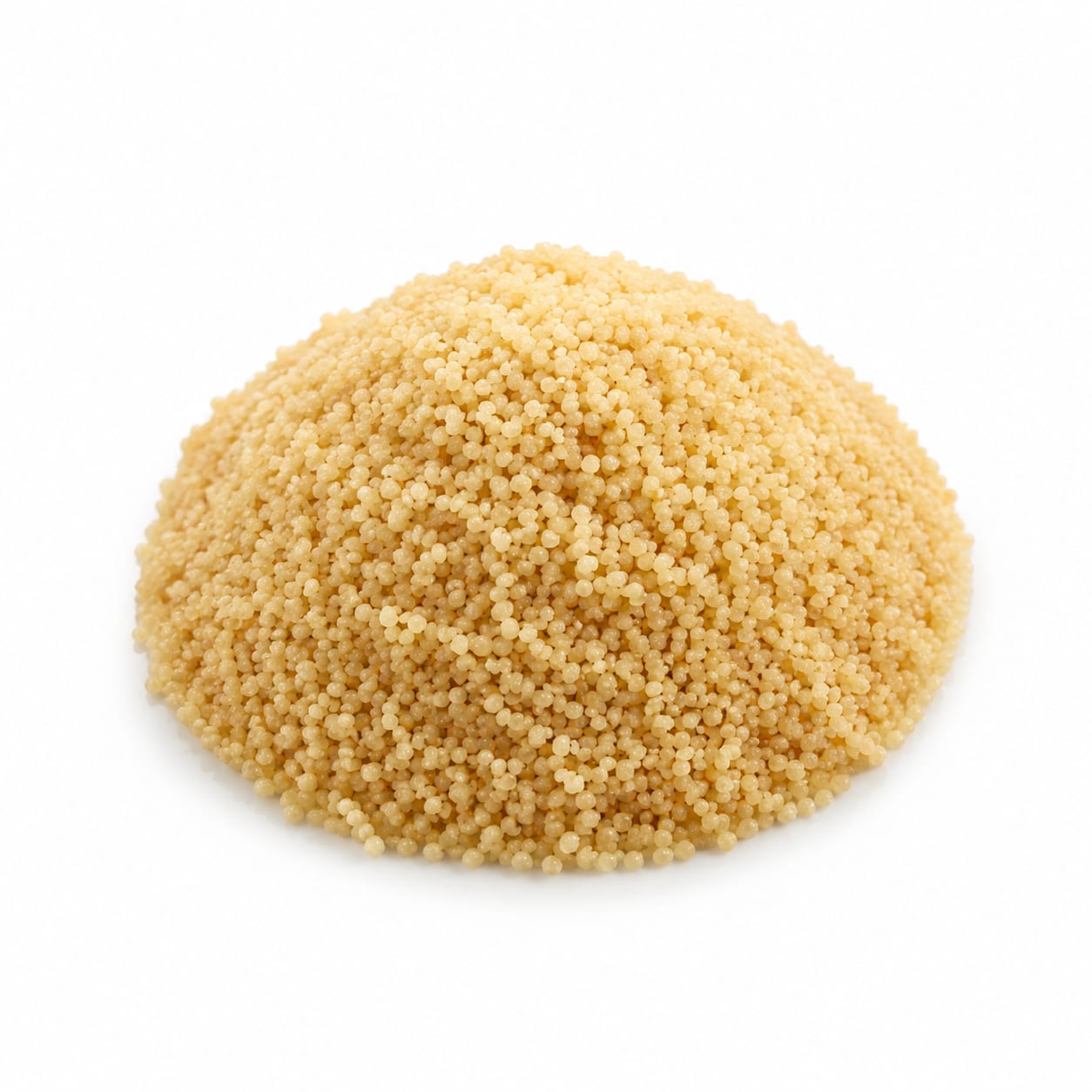
Fonio
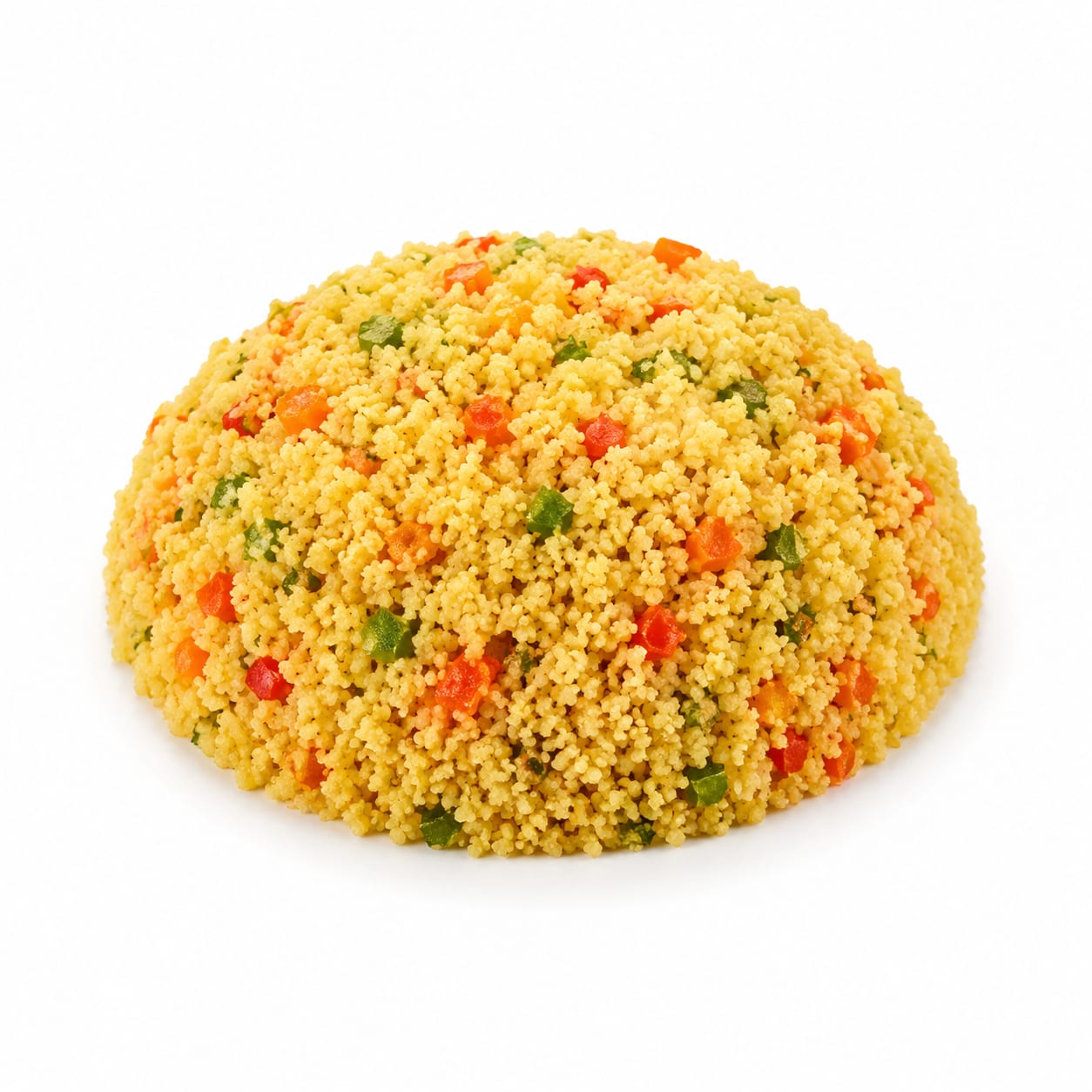
Couscous
Fonio wins on nutrition and gluten-free compatibility; couscous wins on convenience and accessibility. Your priority determines the winner.
Fonio scores higher due to its gluten-free nature, lower glycemic impact, and richer mineral profile. Couscous remains competitive through unmatched convenience and affordability, but its wheat content and faster blood sugar spike narrow its health edge.
Fonio offers superior blood sugar stability and mineral content but costs more and cooks slower. Couscous is cheap and instant but spikes blood sugar faster and contains gluten.
At a glance
Executive summary
Overall
It depends
Healthier
Fonio
More practical
Couscous
Daily use
It depends
Key comparison lenses
gluten tolerance and digestive comfort
Fonio is naturally gluten-free while couscous is wheat-based, making this the single most decisive factor for many consumers
blood sugar management
Both are grain-based carbs but fonio has a notably lower glycemic impact, which matters for sustained energy and diabetes risk
convenience and weeknight practicality
Instant couscous is one of the fastest-cooking grains available; fonio requires more time and is harder to find
nutrient density per calorie
Fonio delivers more minerals and amino acids per serving, while couscous is more calorie-dense with fewer micronutrients
culinary versatility and availability
Couscous is a pantry staple in most grocery stores; fonio remains niche and requires specialty sourcing
Best choice for
Fonio
- Anyone avoiding gluten or with celiac disease
- People managing blood sugar or insulin resistance
- Those seeking more iron, zinc, and B vitamins from grains
- Adventurous cooks exploring West African cuisine
- Anyone wanting steadier energy without afternoon crashes
Couscous
- Busy households needing a 5-minute side dish
- Budget-conscious shoppers feeding a family
- People without gluten sensitivity who want familiar flavors
- Meal preppers who value shelf stability and easy storage
- Anyone new to cooking grains who wants foolproof results
Least suitable for
Fonio
- People on a tight grocery budget
- Those who need ingredients available at any supermarket
- Anyone intolerant to waiting 15+ minutes for a side dish
Couscous
- Anyone with celiac disease or gluten intolerance
- People managing diabetes who need low-glycemic carbs
- Those avoiding wheat for inflammatory or autoimmune reasons
Deep comparison
Dimension by dimension
Each lens scores both foods and breaks down who each option suits.
- Dimension 1 · Priority 92Fonio
Blood Sugar Stability
Fonio · 78Couscous · 52Fonio digests slowly and releases glucose gradually. Couscous, made from refined semolina, hits your bloodstream faster and can cause sharper energy dips.
Tradeoff
You get steadier, longer-lasting energy with fonio but sacrifice the instant satisfaction of a quick-cooking carb.
Why it matters
If you have ever felt sleepy or sluggish 90 minutes after a grain-heavy meal, that is likely a blood sugar crash. Fonio minimizes that risk noticeably.
Real-world impact
A fonio lunch keeps you alert through the afternoon. A couscous lunch may have you reaching for coffee by 3pm.
Fonio
- Diabetics and pre-diabetics
- Anyone prone to afternoon energy crashes
- People doing intermittent fasting who want stable glucose
Better for
- Situations requiring immediate carbohydrate replenishment
Worse for
Couscous
- Athletes who need quick carbs right after training
- Endurance athletes mid-event who need rapid refueling
Better for
- Sedentary office workers eating large couscous portions
- Late-night meals where blood sugar spikes disrupt sleep
Worse for
- Dimension 2 · Priority 95Fonio
Gluten and Digestive Tolerance
Fonio · 95Couscous · 25Fonio is naturally gluten-free and well-tolerated by nearly everyone. Couscous is made from wheat semolina and is off-limits for anyone with gluten issues.
Tradeoff
If gluten is not a concern for you, this dimension becomes irrelevant and couscous regains ground. But for a significant minority, this is the only dimension that matters.
Why it matters
Even mild gluten sensitivity can cause bloating, brain fog, and fatigue. Many people do not realize couscous is wheat-based and mistake it for a rice-like grain.
Real-world impact
If you have ever felt uncomfortably bloated after a Moroccan restaurant meal, couscous may be the culprit. Fonio eliminates that risk entirely.
Fonio
- Celiac disease patients
- People with non-celiac gluten sensitivity
- Anyone with IBS triggered by wheat
Better for
- No real downside here — fonio is universally digestible
Worse for
Couscous
- People with no gluten sensitivity who enjoy wheat products
Better for
- Anyone who must avoid gluten for medical reasons
- People exploring elimination diets to identify triggers
Worse for
- Dimension 3 · Priority 82Couscous
Convenience and Preparation Speed
Fonio · 45Couscous · 92Instant couscous is ready in 5 minutes with just boiling water. Fonio takes 15-20 minutes and requires more attention while cooking.
Tradeoff
Couscous is the ultimate weeknight shortcut grain. Fonio demands more planning but rewards with better nutrition.
Why it matters
On a Tuesday night when you are exhausted, the difference between 5 minutes and 20 minutes is the difference between cooking and ordering takeout.
Real-world impact
Couscous is a reliable backup plan in every busy kitchen. Fonio requires intention and is better suited for weekend meals or batch cooking.
Fonio
- Meal preppers who cook grains in bulk on Sundays
- People who enjoy slow cooking as a mindful practice
Better for
- Last-minute dinner emergencies
- Cooking while simultaneously handling kids or work calls
Worse for
Couscous
- Working parents with 20 minutes to get dinner on the table
- College students in dorms with limited cooking equipment
- Anyone who frequently needs a side dish in under 10 minutes
Better for
- Slow-cooked traditional recipes where texture depth matters
Worse for
- Dimension 4 · Priority 78Fonio
Mineral and Micronutrient Density
Fonio · 80Couscous · 50Fonio delivers more iron, zinc, magnesium, and B vitamins per serving. Couscous, especially refined versions, loses much of its mineral content during processing.
Tradeoff
You get more nutritional value per bite from fonio, but you pay a premium for it at checkout.
Why it matters
If you rely on grains as a significant calorie source, the mineral gap adds up over months and years. Iron and zinc deficiency are surprisingly common even in wealthy countries.
Real-world impact
Choosing fonio over couscous is like choosing a multivitamin-fortified cereal over sugary puffs — the difference is not dramatic per meal but compounds over time.
Fonio
- Vegetarians and vegans who need plant-based iron and zinc
- Women of reproductive age at risk for iron deficiency
- Anyone eating grain-heavy diets who needs mineral density
Better for
- Budget-limited households where mineral supplements are more cost-effective
Worse for
Couscous
- People who get minerals from other abundant food sources
- Anyone already taking a comprehensive mineral supplement
Better for
- Those relying on grains as their primary mineral source
Worse for
- Dimension 5 · Priority 70Fonio
Protein Quality and Amino Acid Profile
Fonio · 74Couscous · 55Fonio is unusually rich in methionine and cysteine, two amino acids most grains lack. Couscous has decent protein but a less complete amino acid profile.
Tradeoff
Neither grain is a protein powerhouse, but fonio complements bean and legume dishes better by filling amino acid gaps.
Why it matters
If you eat mostly plant-based meals, pairing grains and legumes strategically matters. Fonio plus black beans is a more complete protein than couscous plus chickpeas.
Real-world impact
For plant-based eaters, fonio quietly improves protein quality without needing to think about it. Couscous works fine but leaves a small nutritional gap.
Fonio
- Vegans and vegetarians combining grains with legumes
- Anyone eating plant-forward meals who wants better protein synergy
Better for
- Those expecting grain-level protein to meaningfully build muscle
Worse for
Couscous
- Omnivores who already get complete protein from animal sources
Better for
- Plant-based eaters who do not strategically combine protein sources
Worse for
- Dimension 6 · Priority 75Couscous
Affordability and Accessibility
Fonio · 35Couscous · 88Couscous is cheap, available everywhere, and stores indefinitely. Fonio is expensive, often requires online ordering or specialty stores, and is harder to find consistently.
Tradeoff
You pay a real premium for fonio's nutritional advantages. Whether that premium is worth it depends on your budget and health priorities.
Why it matters
The healthiest food only works if you can actually buy it and keep buying it. Couscous wins on sustainability of habit.
Real-world impact
A box of couscous costs a few dollars at any grocery store. Fonio can cost two to three times more and may require a special trip or shipping wait.
Fonio
- People with higher grocery budgets who prioritize nutrition
- Those who enjoy supporting emerging sustainable agriculture
Better for
- SNAP or tight-budget households
- People who live far from urban specialty markets
Worse for
Couscous
- Families feeding four or more people on a budget
- Rural shoppers with limited access to specialty stores
- Anyone who values consistent availability week to week
Better for
- No real accessibility downside — couscous is universally available
Worse for
Timeline
Health impact over time
Short-term
Hours to days
Fonio
- Steadier energy with less post-meal drowsiness
- Lower likelihood of bloating or digestive discomfort
- More gradual satisfaction — you feel full without feeling heavy
Couscous
- Quick energy that may fade within 1-2 hours
- Possible bloating in gluten-sensitive individuals
- Light, fast-digesting meal that may leave you hungry again sooner
Long-term
Months to years
Fonio
- Better blood sugar regulation with consistent consumption
- Improved iron and zinc status over months, especially for plant-based eaters
- Lower cumulative inflammatory load from avoiding wheat
Couscous
- Potential for gradual blood sugar dysregulation if eaten in large portions frequently
- Risk of chronic low-grade inflammation in gluten-sensitive people who are undiagnosed
- Convenient grain habit that may displace more nutrient-dense options over time
Risk profile
Safety & processing
Whole fonio is essentially just a harvested and cleaned grain with minimal intervention. Instant couscous undergoes steaming, rolling, and drying that strips some nutrients and qualifies it as processed, though not ultra-processed. Neither contains artificial additives, but fonio is closer to its natural state.
Fonio
Cross-contamination with gluten grains during processing
mediumSome fonio is processed in facilities that also handle wheat. Celiacs should verify certified gluten-free labeling before trusting a brand.
Limited regulatory oversight for a niche product
lowFonio supply chains are smaller and less standardized than major grains, meaning quality can vary between brands and batches.
Couscous
Gluten exposure for sensitive individuals
highCouscous is wheat semolina. Even small amounts trigger reactions in celiacs and can cause symptoms in those with non-celiac gluten sensitivity.
Pesticide residue from conventional wheat farming
mediumConventionally grown wheat is among the more pesticide-treated crops. Organic couscous reduces this concern significantly.
Who wins for whom
Audience fit
Same foods, different winners depending on your goal.
children
It dependsCouscous is easier to prepare for busy parents and has a mild, kid-friendly texture. Fonio is nutritionally superior but harder to find and more expensive for growing families on a budget.
daily consumption
It dependsIf you have no gluten issues and prioritize convenience, couscous is easier to eat daily. If you value long-term metabolic health and can afford it, fonio is the better daily grain.
diabetes
FonioFonio's lower glycemic load makes it meaningfully safer for blood sugar management. Couscous can spike glucose more sharply, especially in large portions.
elderly
FonioOlder adults benefit more from fonio's mineral density, easier digestion, and blood sugar stability. The convenience of couscous is nice but less impactful than the health advantages.
muscle gain
It dependsNeither grain is a significant protein source. Couscous offers faster carbs useful post-workout, while fonio provides slightly better amino acids. Pair either with a real protein source for muscle goals.
weight loss
FonioFonio's slower digestion and lower glycemic impact help control appetite between meals. Couscous digests quickly and may trigger sooner hunger.
Your move
Decision guide
Choose Fonio
- You are gluten-free or gluten-sensitive and miss eating grain-based sides
- You want steadier energy and fewer blood sugar roller coasters
- You are plant-based and need better mineral intake from grains
- You enjoy exploring new ingredients and do not mind specialty shopping
- You are willing to pay more for a nutritionally superior grain
Choose Couscous
- You need a reliable, cheap, 5-minute side dish for busy weeknights
- Gluten is not a concern for you and you want familiar comfort food
- You are feeding a family on a budget and need affordable staples
- You want something widely available at any grocery store anytime
- You are meal-prepping and need a grain that stores and reheats effortlessly
Either works if
- You are an omnivore who gets plenty of protein and minerals from other sources
- You rotate grains regularly and do not rely on one staple exclusively
- You enjoy both and can use fonio for health-focused meals and couscous for convenience meals
Avoid both if
- You are strictly low-carb or keto — both are high-carb grains
- You have a severe grain allergy beyond just gluten
- You are looking for a significant protein source — neither delivers enough
Final recommendation
Keep couscous in your pantry for busy nights and stock fonio for meals where nutrition matters more than speed. If you must pick one, fonio is the healthier long-term choice, but only if you can afford it and find it consistently. The best grain is the one you will actually cook and eat.
Practical
Consumer tips
- 1
Look for certified gluten-free fonio if you have celiac disease — cross-contamination is a real risk with some brands
- 2
Try whole wheat couscous as a middle ground — it has more fiber and a lower glycemic impact than regular couscous
- 3
Cook fonio in batch on weekends and refrigerate portions for quick weekday meals — it reheats well
- 4
Toast fonio in a dry pan for 2 minutes before adding water for a nuttier, more satisfying flavor
- 5
Add olive oil and lemon to couscous to slow down its glycemic impact slightly — fat and acid help
- 6
If fonio is too expensive, millet is a cheaper gluten-free grain with a similar nutritional profile
- 7
Check the ingredient list on instant couscous — some brands add salt or preservatives you may not want