
Nutrition comparison
Fettuccine vs Zucchini Noodles: Which Is Better for Weight Loss and Blood Sugar?
Complete nutritional comparison of Fettuccine vs Zucchini Noodles. Covers calories, carbs, blood sugar impact, satiety, and practical advice for choosing between traditional pasta and veggie noodles.
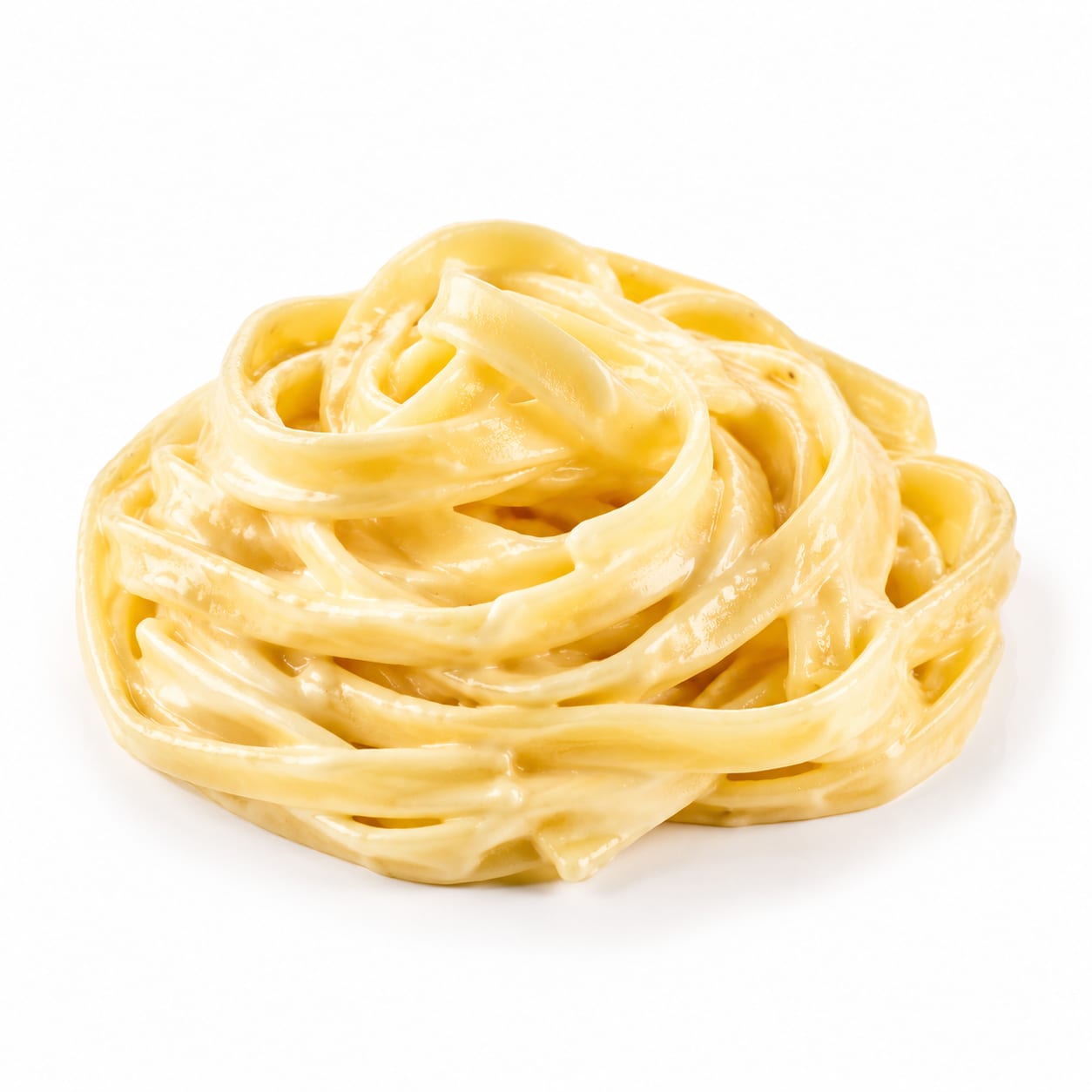
Fettuccine
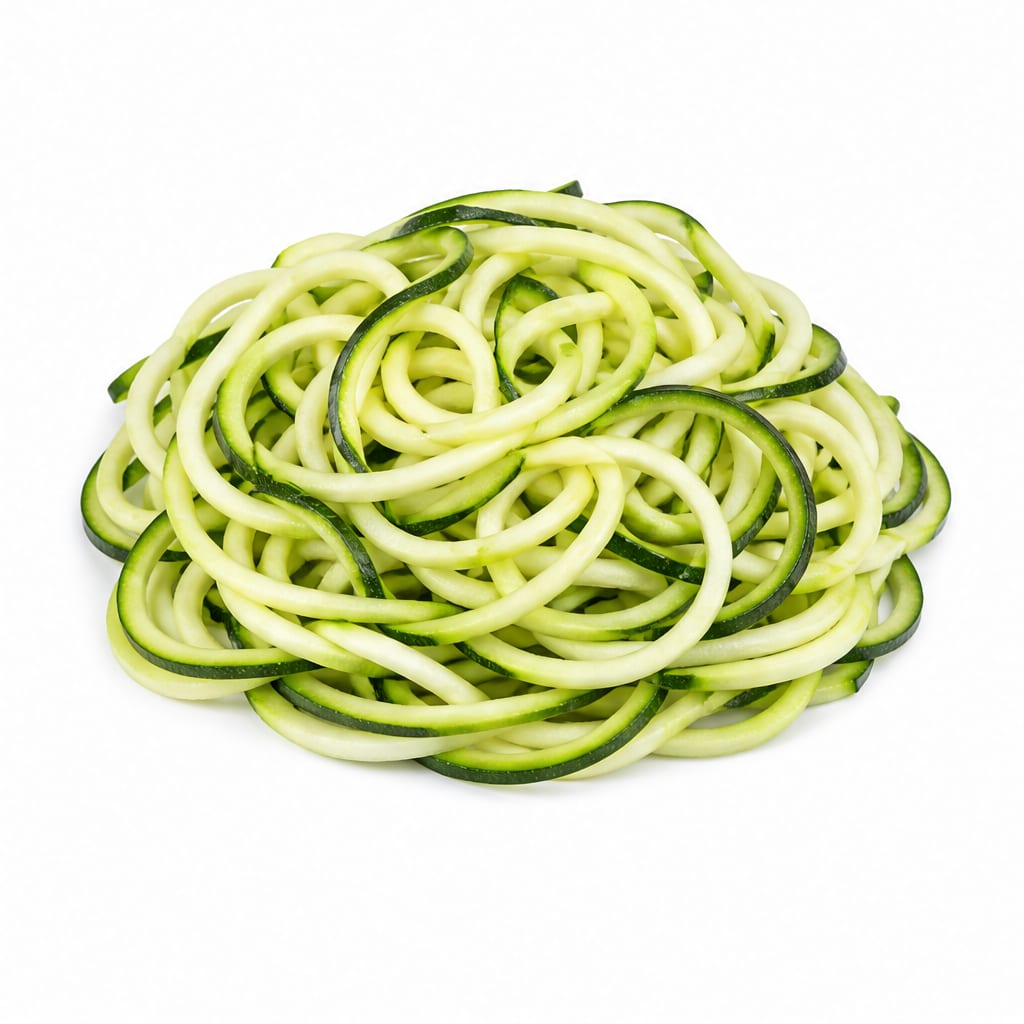
Zucchini Noodles
Zucchini noodles win for weight loss and blood sugar control, but Fettuccine delivers genuine meal satisfaction that zucchini cannot replicate.
Zucchini noodles score significantly higher due to low calorie density, blood sugar stability, and micronutrient content. Fettuccine scores lower because refined carbohydrates and high calorie density work against most modern health goals. However, Fettuccine still has legitimate roles for active people and emotional satisfaction.
You trade comfort and satiety for drastically fewer calories and carbs. Neither is wrong — it depends on what your body needs today.
At a glance
Executive summary
Overall
It depends
Healthier
Zucchini Noodles
More practical
Fettuccine
Daily use
Zucchini Noodles
Key comparison lenses
low carb diet compatibility
This is the primary reason most people consider swapping pasta for zucchini noodles
weight management
Calorie density difference between these two is massive and directly impacts weight goals
blood sugar control
Refined wheat pasta spikes blood sugar; zucchini barely registers glycogenically
meal satisfaction and comfort
Pasta is deeply comforting; zucchini noodles often feel like a compromise emotionally
nutrient density
Zucchini offers more micronutrients per calorie, but pasta provides energy-dense fuel
practicality and preparation
Fettuccine is pantry-stable and easy; zucchini noodles require fresh produce and prep
Best choice for
Fettuccine
- Athletes needing carb fuel before or after intense training
- People recovering from illness who need easy calorie intake
- Family dinners where food familiarity matters
- Anyone underweight or struggling to eat enough
Zucchini Noodles
- Anyone actively trying to lose weight
- People managing type 2 diabetes or insulin resistance
- Low-carb and keto dieters
- Those wanting lighter meals that won't cause afternoon energy crashes
Least suitable for
Fettuccine
- People with diabetes or prediabetes
- Anyone on a low-carb or keto diet
- Those trying to reduce refined carbohydrate intake
- People seeking lighter evening meals
Zucchini Noodles
- Endurance athletes who need glycogen replenishment
- Growing teenagers with high caloric needs
- Anyone finding that low-calorie meals leave them bingeing later
- People who feel unsatisfied and deprived on vegetable-based substitutes
Deep comparison
Dimension by dimension
Each lens scores both foods and breaks down who each option suits.
- Dimension 1 · Priority 95Zucchini Noodles
calorie_density_and_weight_management
Fettuccine · 25Zucchini Noodles · 95A cup of cooked Fettuccine delivers roughly 220 calories. A cup of zucchini noodles delivers about 20. That is a 10x difference per serving.
Tradeoff
Zucchini noodles let you eat a large volume for almost no caloric cost, but you may feel hungry again within an hour without adding protein or fat.
Why it matters
If you are trying to eat less without feeling restricted, zucchini noodles give you the visual and mechanical experience of a big pasta meal for a fraction of the energy cost.
Real-world impact
Someone eating Fettuccine three times a week could easily consume 600+ extra calories weekly compared to zucchini noodles — that is nearly a pound of weight gain per month if not offset.
Fettuccine
- Weight gain when that is the goal
- Endurance fueling before long physical events
- Recovering from illness with appetite loss
Better for
- Anyone counting calories
- Late-night meals where excess energy gets stored as fat
- Sedentary days with low energy expenditure
Worse for
Zucchini Noodles
- Steady weight loss without portion obsession
- Large satisfying meals that stay under calorie targets
- Cutting calories without cutting plate size
Better for
- Rebuilding after significant weight loss from illness
- Teenagers who need calorie surplus for growth
- Highly active people who burn through low-calorie meals fast
Worse for
- Dimension 2 · Priority 90Zucchini Noodles
blood_sugar_and_insulin_impact
Fettuccine · 20Zucchini Noodles · 95Fettuccine is refined wheat with a glycemic index around 50-60. Zucchini noodles have virtually zero glycemic impact.
Tradeoff
Fettuccine gives you quick energy but comes with an insulin spike and potential crash. Zucchini noodles avoid the spike entirely but provide no energy from carbs.
Why it matters
Blood sugar crashes after pasta meals lead to fatigue, cravings, and overeating later. Stable blood sugar makes it easier to go hours between meals without thinking about food.
Real-world impact
That 2pm energy crash after a pasta lunch is not in your head. It is your blood sugar dropping after the insulin surge. Zucchini noodles eliminate that cycle entirely.
Fettuccine
- Pre-workout carb loading for high-intensity exercise
- Quick recovery fuel within 30 minutes after training
- Situations where you genuinely need fast energy
Better for
- Prediabetes and metabolic syndrome
- Anyone monitoring HbA1c levels
- Evening meals where insulin sensitivity is lowest
Worse for
Zucchini Noodles
- Type 2 diabetes management
- Insulin resistance reversal protocols
- Avoiding the carb crash-crave cycle
- Steady energy throughout the afternoon
Better for
- Hypoglycemic individuals who need steady carb intake
- Athletes mid-endurance event who need glucose
Worse for
- Dimension 3 · Priority 82Fettuccine
satiety_and_meal_satisfaction
Fettuccine · 78Zucchini Noodles · 35Fettuccine is genuinely satisfying in a way that zucchini noodles rarely achieve alone. The chew, the weight, the starch — it all signals fullness to your brain.
Tradeoff
You feel fuller after Fettuccine, but that fullness comes with a heavy caloric price tag. Zucchini noodles leave you lighter but often wanting more food within an hour.
Why it matters
Meals that do not satisfy you lead to snacking, grazing, and eventually consuming more calories than the original pasta would have cost. Satisfaction is not indulgent — it is practical.
Real-world impact
Many people who switch to zucchini noodles find themselves eating again 90 minutes later. The calories you save at dinner can come right back as late-night snacking.
Fettuccine
- Meals where you need to stay full for 4-5 hours
- Comfort eating that actually resolves the craving
- Social meals where feeling deprived triggers overeating later
Better for
- Hot days when heavy meals feel oppressive
- Anyone who tends to overeat when food is highly palatable
Worse for
Zucchini Noodles
- Light summer meals where heaviness feels uncomfortable
- Multi-course dinners where pasta would be excessive
- Days when you prefer grazing over large meals
Better for
- Emotional eaters who feel punished by substitutions
- People who find that unsatisfying meals trigger binge episodes
- Anyone who needs one meal to carry them through a long work shift
Worse for
- Dimension 4 · Priority 75Zucchini Noodles
micronutrient_density
Fettuccine · 18Zucchini Noodles · 82Fettuccine is essentially refined flour with minimal vitamins or minerals left after processing. Zucchini brings vitamin C, potassium, manganese, and antioxidants.
Tradeoff
Zucchini noodles offer real nutrition per calorie, but you would need to eat a massive volume to get meaningful amounts. Fettuccine is often enriched with iron and B vitamins, partially compensating for refinement losses.
Why it matters
Nutrient-dense foods reduce cravings because your body gets what it actually needs. Empty calories leave your cells underfed even when your stomach is full.
Real-world impact
A plate of zucchini noodles contributes to your daily vitamin and mineral needs. A plate of Fettuccine contributes almost nothing beyond raw energy.
Fettuccine
- Iron needs if eating enriched pasta varieties
- B-vitamin intake from fortified flour
Better for
- Anyone relying on pasta as a staple without diverse vegetables
- Long-term nutrient gap risk from refined grain dependence
Worse for
Zucchini Noodles
- Potassium for blood pressure regulation
- Vitamin C for immune support
- Antioxidant intake from skin-on zucchini
- Manganese for bone health and metabolism
Better for
- Situations where volume needed for adequate micronutrients is impractical
Worse for
- Dimension 5 · Priority 68Zucchini Noodles
digestive_tolerance
Fettuccine · 40Zucchini Noodles · 80Zucchini is gentle on digestion and provides water and fiber that support gut health. Fettuccine can cause bloating, especially for those with gluten sensitivity or wheat intolerance.
Tradeoff
Zucchini noodles are easier on the gut for most people, but large amounts of raw zucchini can cause gas in sensitive individuals. Fettuccine is well-tolerated by many but problematic for anyone with gluten issues.
Why it matters
Chronic bloating after meals is not normal and often traces back to refined wheat. Switching to zucchini noodles can reveal whether pasta was causing silent digestive stress.
Real-world impact
If you regularly feel bloated or sluggish after pasta dinners, trying zucchini noodles for a week may noticeably improve how your stomach feels.
Fettuccine
- People with no gluten sensitivity who digest wheat well
- Those who find cooked vegetables harder to digest than grains
Better for
- Celiac disease and non-celiac gluten sensitivity
- Wheat-dependent exercise-induced anaphylaxis
- FODMAP-sensitive individuals
Worse for
Zucchini Noodles
- Anyone with gluten intolerance or celiac disease
- People with IBS who tolerate low-FODMAP vegetable portions
- Those experiencing post-meal bloating from wheat
Better for
- Raw zucchini can be gas-producing in large quantities
- People with severe oral allergy syndrome to raw zucchini
Worse for
- Dimension 6 · Priority 60Fettuccine
convenience_and_practicality
Fettuccine · 85Zucchini Noodles · 50Fettuccine is a pantry staple that stores for years and cooks in 10 minutes. Zucchini noodles require fresh produce, spiralizing or pre-cut purchase, and spoil within days.
Tradeoff
Fettuccine is always ready when you need it. Zucchini noodles demand planning, prep, and quick use before they go watery and limp.
Why it matters
The most nutritious option only works if you actually make it. Convenience often determines what you eat on tired, busy weeknights.
Real-world impact
On a Wednesday at 8pm after a long workday, boiling Fettuccine takes 12 minutes from cabinet to plate. Making zucchini noodles requires washing, spiralizing, and sautéing — or paying premium prices for pre-cut versions that go bad in two days.
Fettuccine
- Emergency pantry meals
- Meal prep for the week that stays fresh
- Budget-conscious households
- Camping and travel cooking
Better for
- Those trying to eat more fresh whole foods
- People who find pantry staples lead to repetitive meals
Worse for
Zucchini Noodles
- Farm share or CSA subscribers with abundant zucchini
- Summer gardeners with more zucchini than they can use
- People who enjoy meal prep and cooking rituals
Better for
- Anyone without reliable fresh produce access
- Busy households where prep time is a real barrier
- Budget shoppers who find pre-spiralized zucchini overpriced
Worse for
Timeline
Health impact over time
Short-term
Hours to days
Fettuccine
- Quick energy from easily digested carbohydrates
- Potential blood sugar spike followed by energy dip within 2-3 hours
- Comfort and satisfaction from familiar starchy texture
- Possible bloating if gluten-sensitive
Zucchini Noodles
- Light feeling after eating with no heaviness or sluggishness
- Stable blood sugar with no crash
- Possible hunger returning within 60-90 minutes if eaten alone
- Hydrating due to high water content
Long-term
Months to years
Fettuccine
- Regular consumption linked to increased visceral fat from refined carb intake
- Higher risk of insulin resistance with frequent large portions
- Potential nutrient gaps if pasta displaces vegetables regularly
- Enriched varieties provide some iron and B vitamins as a modest benefit
Zucchini Noodles
- Improved blood sugar regulation over months of replacing refined carbs
- Lower caloric intake supporting sustainable weight management
- Better hydration and fiber intake supporting gut health
- Risk of inadequate caloric intake if used as a wholesale replacement without adding fats and proteins
Risk profile
Safety & processing
Fettuccine is processed from refined wheat flour, stripping away the bran and germ. Most commercial varieties contain only wheat and sometimes eggs, so additives are minimal. Zucchini noodles are simply a whole vegetable cut into strips — as natural as it gets. Neither raises significant additive concerns, but zucchini noodles are clearly closer to their whole-food origin.
Fettuccine
Gluten contamination for celiac individuals
highFettuccine contains wheat gluten, which is dangerous for those with celiac disease and problematic for those with non-celiac gluten sensitivity.
Mycotoxin exposure from stored grain
lowImproperly stored wheat products can develop mold toxins, though this is rare in commercially produced dried pasta stored properly.
Zucchini Noodles
Pesticide residue on conventionally grown zucchini
mediumZucchini is not on the highest-pesticide lists but conventionally grown varieties can carry residues. Washing and peeling reduces this, but peeling also removes nutrients.
Foodborne illness from raw or lightly cooked preparation
lowZucchini is sometimes served barely warmed. Inadequate cooking can leave surface bacteria intact, though the risk is low compared to animal products.
Who wins for whom
Audience fit
Same foods, different winners depending on your goal.
children
FettuccineKids generally accept Fettuccine readily and need the caloric fuel for growth. Zucchini noodles are often rejected as a poor substitute, which can create mealtime battles and inadequate intake.
daily consumption
Zucchini NoodlesZucchini noodles can be eaten daily without metabolic consequences. Daily Fettuccine consumption increases refined carb load substantially and is not recommended for most sedentary or moderately active adults.
diabetes
Zucchini NoodlesZucchini noodles have negligible carbohydrate content and essentially zero glycemic impact. Fettuccine raises blood sugar meaningfully and requires careful portioning and pairing for diabetic diets.
elderly
It dependsElderly individuals with diabetes or weight concerns benefit from zucchini noodles. Those with poor appetite or difficulty maintaining weight benefit more from the caloric density of Fettuccine.
muscle gain
FettuccineBuilding muscle requires caloric surplus and glycogen-replenishing carbs. Fettuccine supports both. Zucchini noodles would need significant additions of protein and fat to serve this goal.
weight loss
Zucchini NoodlesZucchini noodles deliver the pasta experience at roughly 10% of the calories. For anyone in a caloric deficit, this swap is one of the easiest high-impact changes possible.
Your move
Decision guide
Choose Fettuccine
- You are an athlete training hard and need carb fuel
- You are at a healthy weight and eat pasta occasionally without issues
- You are cooking for kids who need calories and familiarity
- You genuinely love pasta and a substitution would make you miserable and binge later
- You are recovering from illness and need easy calories
Choose Zucchini Noodles
- You are actively trying to lose weight
- You have diabetes, prediabetes, or insulin resistance
- You feel sluggish and bloated after regular pasta meals
- You want a lighter dinner that will not interfere with sleep
- You are eating low-carb or keto
Either works if
- You mix both in the same bowl for reduced calories with some real pasta satisfaction
- You rotate based on activity level — pasta on training days, zucchini on rest days
- You are cooking for a household with different dietary needs
Avoid both if
- You have a wheat allergy and are also allergic to zucchini or other cucurbits
- You have severe gastroparesis and struggle with either refined carbs or raw vegetables
Final recommendation
The best approach for most people is not an all-or-nothing choice. Try replacing half your Fettuccine with zucchini noodles — you get the comfort of real pasta with significantly fewer calories and carbs. Over time, you may naturally shift the ratio further toward zucchini as your palate adjusts. If you are managing diabetes or actively losing weight, go fully with zucchini noodles and add olive oil, parmesan, and grilled chicken to make it a complete satisfying meal.
Practical
Consumer tips
- 1
Spiralize zucchini fresh — pre-cut versions go watery and limp within 1-2 days
- 2
Salt zucchini noodles and let them sit for 10 minutes, then squeeze out moisture before cooking to avoid a soggy plate
- 3
Sauté zucchini noodles for just 2-3 minutes. Overcooking turns them into mush
- 4
Mix half Fettuccine and half zucchini noodles for a compromise that feels satisfying while cutting calories by roughly 40%
- 5
Choose whole wheat or legume-based Fettuccine if you want real pasta with more fiber and protein
- 6
Toss zucchini noodles with a tablespoon of olive oil and parmesan — the fat makes them far more satisfying than eating them plain
- 7
If zucchini noodles leave you hungry, the problem is not the noodles — you need to add protein and healthy fat to the meal
- 8
Buy a countertop spiralizer if you plan to make zucchini noodles regularly. Handheld versions are frustrating for large quantities