
Nutrition comparison
Fettuccine vs Whole Wheat Fettuccine: Which Is Healthier?
Compare Fettuccine and Whole Wheat Fettuccine on fiber, blood sugar impact, taste, and nutrition. Find out which pasta is better for weight loss, diabetes, and daily meals.
Overall winner · Whole Wheat Fettuccine
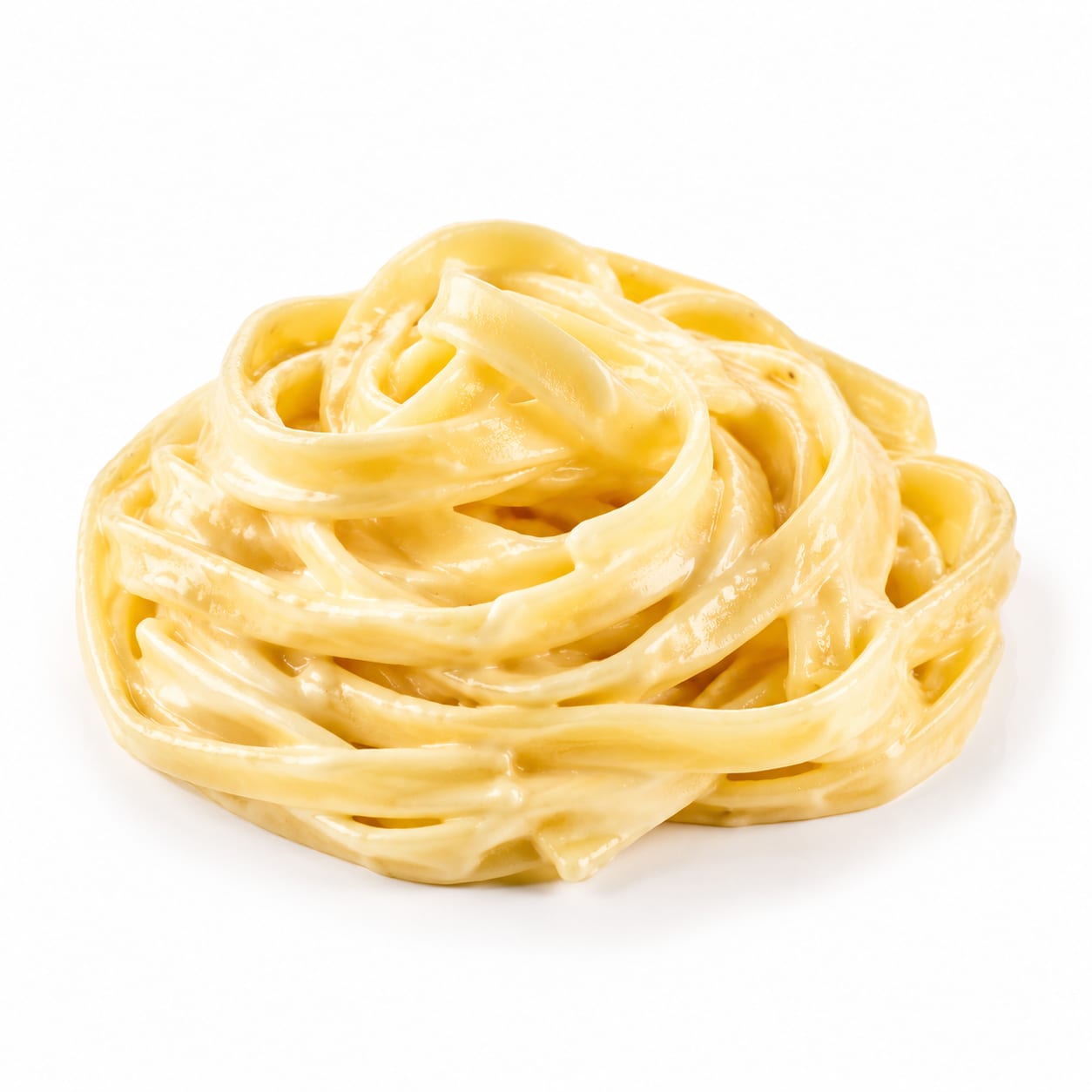
Fettuccine
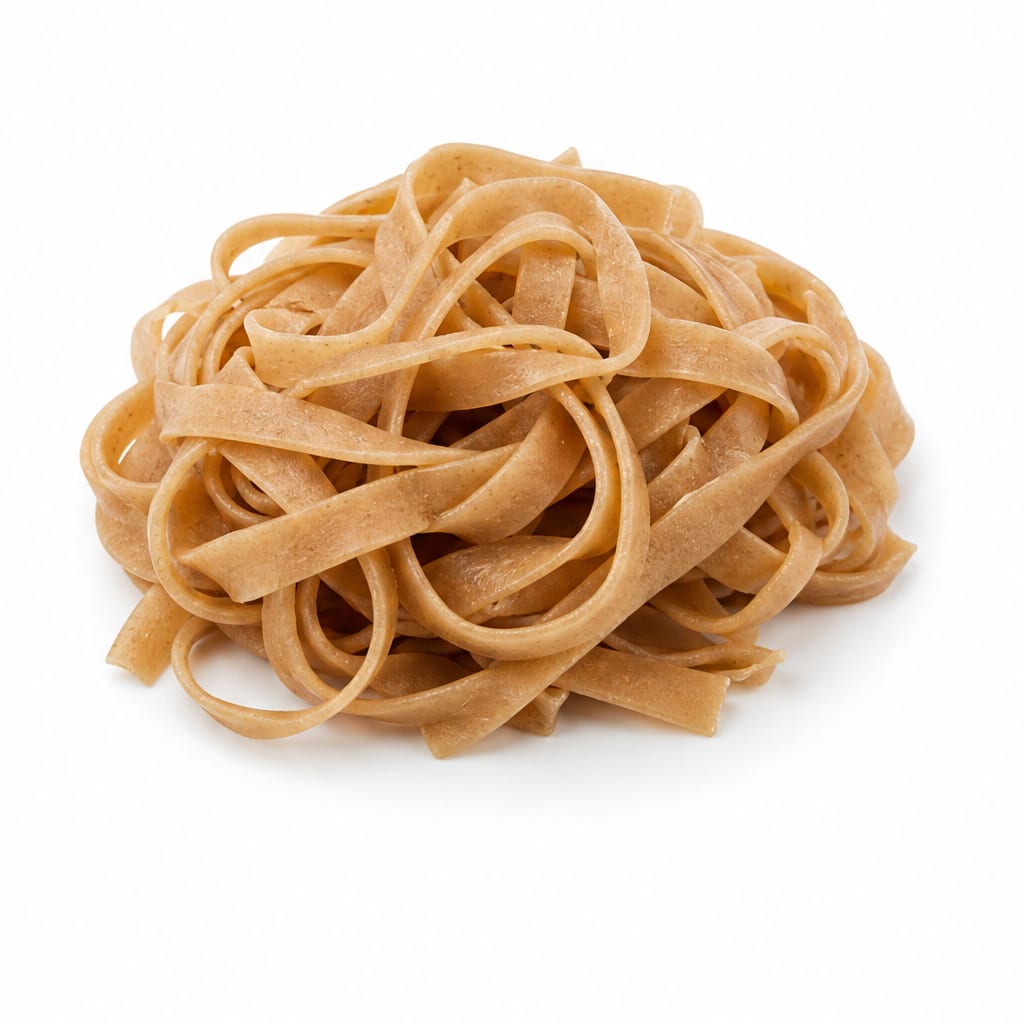
Whole Wheat Fettuccine
Whole Wheat Fettuccine wins on nutrition and staying power, but regular Fettuccine wins on taste and comfort. The gap is meaningful but not dramatic.
Whole Wheat Fettuccine scores notably higher due to fiber, blood sugar stability, and nutrient retention. Regular Fettuccine remains competitive on taste and quick energy availability but falls behind on most health dimensions.
You trade smoother texture and familiar flavor for steadier energy, more fiber, and better long-term health outcomes.
At a glance
Executive summary
Overall
Whole Wheat Fettuccine
Healthier
Whole Wheat Fettuccine
More practical
Fettuccine
Daily use
Whole Wheat Fettuccine
Key comparison lenses
blood sugar and energy stability
The refined vs whole grain difference directly impacts how quickly carbs hit your bloodstream and how long energy lasts
fiber and digestive health
Whole wheat provides significantly more fiber, affecting fullness, gut health, and long-term disease risk
taste and meal satisfaction
Regular Fettuccine has a smoother texture and milder flavor that many people prefer, making adherence a real factor
weight management and satiety
Fiber content changes how filling a plate of pasta feels and how soon hunger returns
nutrient density tradeoffs
Whole wheat retains B vitamins and minerals lost in refining, but the difference is modest per serving
Best choice for
Fettuccine
- Picky eaters who refuse whole grain pasta
- Special occasion meals where texture matters most
- Those with digestive sensitivity to extra fiber
- Recovery meals after intense endurance training when quick carbs help
Whole Wheat Fettuccine
- Anyone managing blood sugar or prediabetes
- People trying to eat more filling meals with fewer calories
- Daily lunch or dinner where sustained energy matters
- Anyone prioritizing long-term heart and gut health
Least suitable for
Fettuccine
- People with diabetes or insulin resistance
- Those trying to increase daily fiber intake
- Anyone prone to afternoon energy crashes after carb-heavy meals
Whole Wheat Fettuccine
- People with irritable bowel syndrome sensitive to fiber
- Children or adults who strongly dislike the taste and would skip the meal entirely
- Traditional Italian recipes where texture authenticity matters
Deep comparison
Dimension by dimension
Each lens scores both foods and breaks down who each option suits.
- Dimension 1 · Priority 92Whole Wheat Fettuccine
blood sugar stability
Fettuccine · 35Whole Wheat Fettuccine · 72Whole Wheat Fettuccine digests more slowly, giving you steadier energy instead of a spike and crash.
Tradeoff
Regular Fettuccine delivers quick energy when you need it fast, but leaves you hungry sooner.
Why it matters
If you have ever felt sleepy or sluggish an hour after a big pasta lunch, that is the blood sugar rollercoaster. Whole wheat softens that ride considerably.
Real-world impact
A Whole Wheat Fettuccine lunch keeps you focused through the afternoon. Regular Fettuccine may have you reaching for a snack by 3pm.
Fettuccine
- Post-marathon carb reloading
- Quick pre-workout energy when eating 60-90 minutes before exercise
Better for
- Sustained energy throughout the day
- Blood sugar management
Worse for
Whole Wheat Fettuccine
- Office lunch where afternoon focus matters
- Prediabetes or diabetes management
- Anyone tired of the post-pasta energy crash
Better for
- Situations requiring rapid carbohydrate availability
Worse for
- Dimension 2 · Priority 88Whole Wheat Fettuccine
fiber and fullness
Fettuccine · 15Whole Wheat Fettuccine · 75Whole Wheat Fettuccine has roughly three times the fiber, making each bowl noticeably more filling.
Tradeoff
That extra fiber can cause bloating if your body is not used to it. Transitioning gradually helps.
Why it matters
Fiber is the difference between a meal that satisfies for two hours versus four hours. It also feeds your gut bacteria, which influences everything from immunity to mood.
Real-world impact
You are likely to eat a smaller portion of Whole Wheat Fettuccine naturally because it fills you faster. That alone can support weight goals without counting calories.
Fettuccine
- Low-fiber diets during digestive flare-ups
- People transitioning to more fiber who need a gentle starting point
Better for
- Anyone not meeting daily fiber targets
- Long-term digestive health
Worse for
Whole Wheat Fettuccine
- Weight management through natural portion control
- Gut health and regular digestion
- Reducing between-meal snacking
Better for
- Sudden large increases in fiber intake without adjustment
Worse for
- Dimension 3 · Priority 80Fettuccine
taste and texture
Fettuccine · 88Whole Wheat Fettuccine · 58Regular Fettuccine is silky, tender, and plays beautifully with any sauce. Whole Wheat Fettuccine is chewier with a nuttier, earthier flavor that some love and others tolerate.
Tradeoff
If the whole wheat version tastes like cardboard to you, the health benefits do not matter because you will not eat it consistently.
Why it matters
The best healthy food is the one you actually eat. Taste adherence is a real nutritional factor, not a vanity concern.
Real-world impact
A pasta dinner that feels like a comfort meal is more satisfying emotionally. If Whole Wheat Fettuccine feels like a chore, you may overeat later seeking satisfaction.
Fettuccine
- Date nights and dinner parties
- Picky eaters and children
- Classic Italian dishes where texture is central
Better for
- Nutritional optimization
Worse for
Whole Wheat Fettuccine
- Hearty rustic sauces like bolognese or mushroom that complement the nutty flavor
- People who enjoy earthier, more robust flavors
Better for
- Light delicate sauces where the grain flavor overpowers
- Emotional or comfort eating when only classic pasta will do
Worse for
- Dimension 4 · Priority 72Whole Wheat Fettuccine
nutrient density
Fettuccine · 30Whole Wheat Fettuccine · 68Refining strips away most B vitamins, vitamin E, magnesium, and zinc. Whole wheat retains them, though pasta is still not a primary vitamin source for most people.
Tradeoff
The nutrient gap is real but modest per serving. You can close it with vegetables and protein in the same meal.
Why it matters
If pasta is a frequent staple in your diet, those small differences compound over years of eating.
Real-world impact
Over a decade of eating pasta twice weekly, the accumulated B vitamin and mineral difference from whole wheat is meaningful but not life-changing on its own.
Fettuccine
- Meals already rich in vegetables and nutrient-dense sauces where pasta is just a base
Better for
- Nutrient-conscious eaters who want every calorie to count
Worse for
Whole Wheat Fettuccine
- Simple meals where pasta carries more nutritional responsibility
- Long-term dietary patterns where small advantages compound
Better for
- Situations where the nutrient difference is negligible compared to the overall meal quality
Worse for
- Dimension 5 · Priority 65It depends
digestive tolerance
Fettuccine · 70Whole Wheat Fettuccine · 55Regular Fettuccine is gentler on sensitive stomachs. Whole Wheat Fettuccine can cause gas or bloating if you are not accustomed to higher fiber intake.
Tradeoff
Short-term discomfort from increasing fiber usually passes within a week or two as your gut adapts.
Why it matters
If you have IBS or a sensitive digestive system, the wrong pasta can ruin your evening. But for most people, gradual adaptation solves this.
Real-world impact
Starting with a half-and-half blend of both pastas lets your digestion adjust without shock.
Fettuccine
- Active IBS flare-ups
- Post-surgical low-fiber diets
- Anyone newly increasing fiber who needs a transition
Better for
- Chronic constipation
- Sluggish digestion
Worse for
Whole Wheat Fettuccine
- Long-term gut health and microbiome diversity
- Preventing constipation
Better for
- Fiber-sensitive IBS
- Sudden dietary changes without gradual introduction
Worse for
Timeline
Health impact over time
Short-term
Hours to days
Fettuccine
- Quick energy boost within 30-60 minutes
- Likely hunger return within 2-3 hours
- Possible post-meal drowsiness from blood sugar spike and dip
- Gentle on the stomach with minimal bloating risk
Whole Wheat Fettuccine
- Gradual sustained energy release over 3-4 hours
- Greater fullness immediately after eating
- Possible mild bloating or gas if fiber intake jumped suddenly
- More stable mood and focus after the meal
Long-term
Months to years
Fettuccine
- Higher cumulative blood sugar exposure may increase diabetes risk if eaten frequently
- Lower fiber intake contributes to chronic constipation and reduced gut microbiome diversity
- Refined grain diets are associated with slightly higher cardiovascular risk over decades
- Missing out on B vitamins and minerals that compound over years of regular consumption
Whole Wheat Fettuccine
- Better long-term blood sugar regulation and reduced diabetes risk
- Improved gut microbiome diversity and digestive regularity
- Modest cardiovascular protection from higher fiber and nutrient intake
- Greater satiety may support healthier body weight over time
Risk profile
Safety & processing
Both are simple grain-based pastas with minimal additives. The key difference is that regular Fettuccine uses refined flour stripped of bran and germ, while Whole Wheat Fettuccine uses the complete grain. Neither contains concerning artificial ingredients, but Whole Wheat Fettuccine is closer to the natural state of the grain.
Fettuccine
glyphosate residue
lowConventional wheat may carry trace pesticide residues. Choosing organic reduces this concern for either pasta type.
enrichment additives
lowRegular Fettuccine is typically enriched with synthetic folic acid and iron. These are safe for most people but differ from naturally occurring nutrients in whole wheat.
Whole Wheat Fettuccine
glyphosate residue
lowSame low-level concern as conventional wheat. Organic whole wheat pasta eliminates this.
mold and mycotoxin exposure
lowWhole grains retain the bran layer, which can harbor slightly more mycotoxins if storage conditions are poor. Reputable brands test for this.
Who wins for whom
Audience fit
Same foods, different winners depending on your goal.
children
It dependsRegular Fettuccine is more likely to be eaten without complaint, but Whole Wheat Fettuccine builds better habits early. A half-and-half blend is often the smartest move.
daily consumption
Whole Wheat FettuccineThe fiber, nutrient retention, and blood sugar stability make Whole Wheat Fettuccine the better everyday staple for most people.
diabetes
Whole Wheat FettuccineThe fiber slows glucose absorption significantly, reducing blood sugar spikes. This is one of the clearest wins for whole wheat.
elderly
Whole Wheat FettuccineOlder adults benefit most from fiber for digestion and B vitamins for cognitive health, provided they tolerate it well.
muscle gain
FettuccineQuick-digesting carbs after training help replenish glycogen faster, though the difference is small and either works in a high-protein meal.
weight loss
Whole Wheat FettuccineHigher fiber means you feel full on smaller portions and stay satisfied longer, naturally reducing overall calorie intake.
Your move
Decision guide
Choose Fettuccine
- You genuinely dislike the taste of whole wheat pasta and would rather skip the meal
- You are eating pasta right after intense endurance exercise
- You have a sensitive stomach and extra fiber causes discomfort
- It is a special occasion and you want the classic experience
Choose Whole Wheat Fettuccine
- You want steady energy and fewer cravings between meals
- Blood sugar management is a priority for you
- You eat pasta regularly and want each serving to work harder for your health
- You enjoy or can learn to enjoy the nuttier flavor
Either works if
- You are loading the pasta with vegetables, lean protein, and healthy fat anyway
- You only eat pasta occasionally and the nutritional difference is minimal
- You are cooking for a group with mixed preferences
Avoid both if
- You have celiac disease or confirmed gluten intolerance
- You are strictly limiting carbohydrates for ketogenic or very low-carb diets
- You have a wheat allergy
Final recommendation
Choose Whole Wheat Fettuccine as your everyday pasta. It keeps you fuller, stabilizes energy, and supports long-term health. Keep regular Fettuccine for occasions when taste and tradition matter most. If you are transitioning, start by mixing both together. Your palate and digestion will adapt within a couple of weeks, and you will likely stop noticing the difference.
Practical
Consumer tips
- 1
Mix regular and whole wheat Fettuccine half-and-half while transitioning. It eases both taste and digestion adjustments.
- 2
Pair Whole Wheat Fettuccine with robust sauces like marinara, bolognese, or pesto. The nuttier flavor complements bold ingredients better than delicate cream sauces.
- 3
Check the ingredient list. True whole wheat pasta should list whole durum wheat flour as the first ingredient, not a blend with refined flour.
- 4
Cook Whole Wheat Fettuccine 1-2 minutes longer than the package suggests. The extra time softens the chewier texture.
- 5
If organic matters to you, prioritize it for whole wheat pasta since the bran layer holds more of any pesticide residue.
- 6
Do not rinse either pasta after cooking. The starch helps sauce cling and adds body to the dish.