
Nutrition comparison
Fettuccine vs Spaghetti: Which Pasta is Healthier?
Compare Fettuccine vs Spaghetti to see which pasta fits your health goals. Learn how shape affects sauce pairing, calories, and satiety.
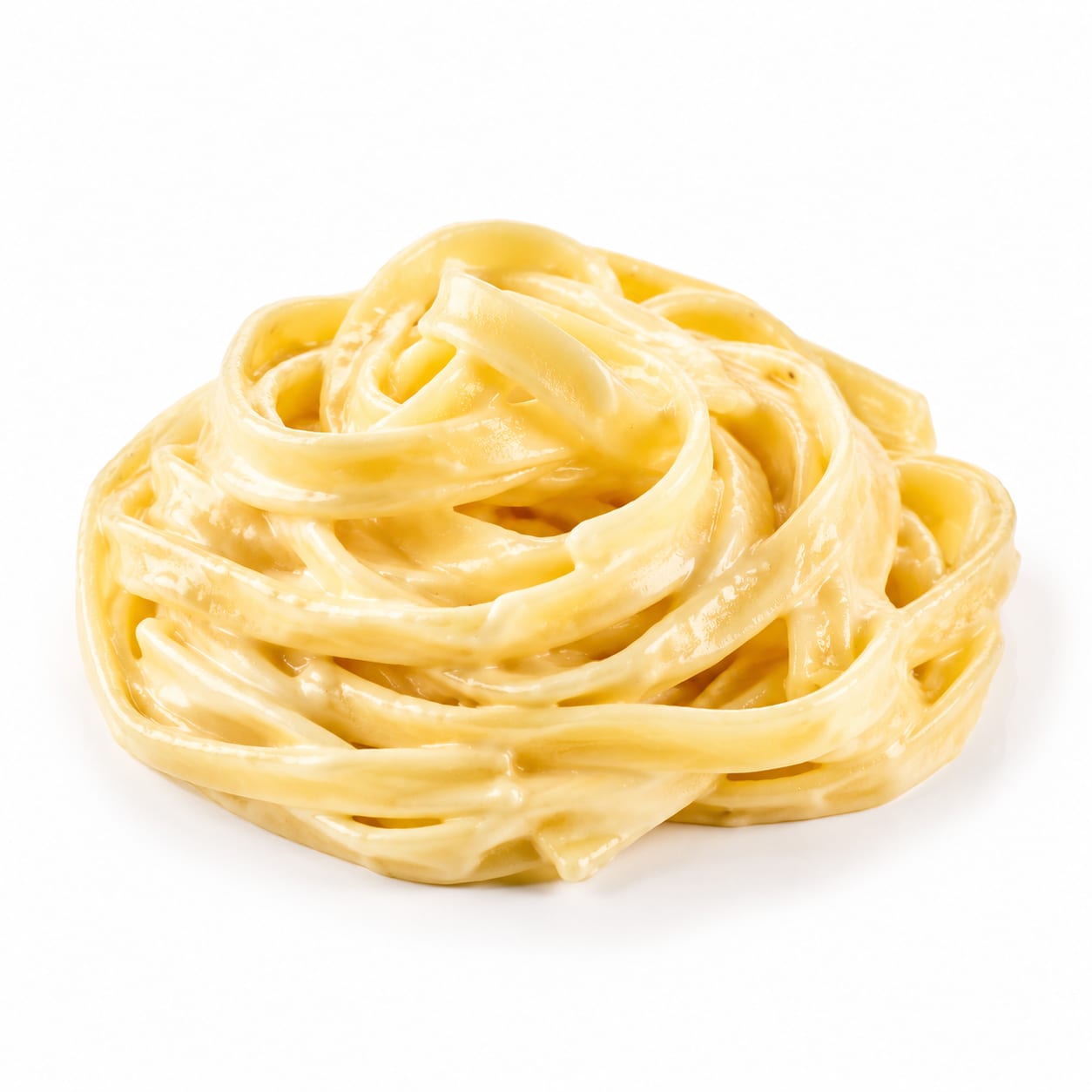
Fettuccine
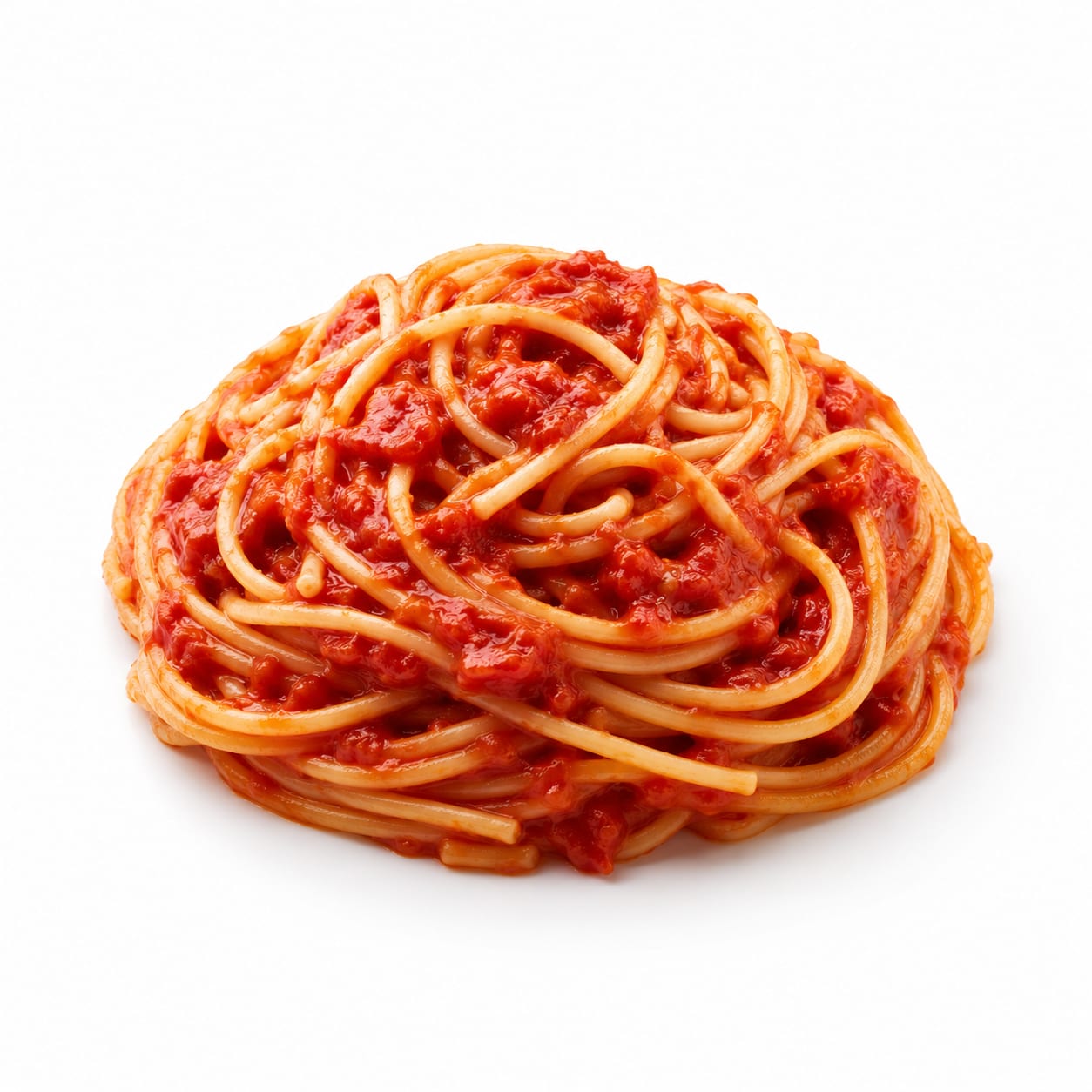
Spaghetti
The noodles themselves are nearly identical, but their shapes lead to very different meals. Spaghetti leans lighter, while Fettuccine invites richer, heavier sauces.
Spaghetti scores slightly higher because its typical pairings are lighter and more vegetable-heavy, making it easier to fit into a balanced diet. Fettuccine is just as valid nutritionally, but its common cream-based pairings make it a heavier choice.
Spaghetti pairs best with lighter tomato or oil-based sauces, keeping calories down. Fettuccine holds thick cream sauces beautifully, but that comes with a heavy caloric cost.
At a glance
Executive summary
Overall
It depends
Healthier
Spaghetti
More practical
Spaghetti
Daily use
Spaghetti
Key comparison lenses
Sauce pairing and meal richness
The shape dictates the sauce, which completely changes the health profile of the dish.
Satiety and eating pace
Flat noodles feel heavier and are eaten slower than thin round ones, affecting fullness.
Blood sugar impact
Density and cooking time slightly alter how quickly the starches break down.
Best choice for
Fettuccine
- Comfort meals and creamy sauces
- Hearty, cold-weather dinners
- Those wanting a heavier, more filling meal
Spaghetti
- Everyday family meals
- Lighter, vegetable-forward dishes
- Quick weeknight cooking
Least suitable for
Fettuccine
- Light summer meals
- Calorie-controlled diets
Spaghetti
- Thick, heavy cream sauces
- Those seeking a dense, heavy comfort meal
Deep comparison
Dimension by dimension
Each lens scores both foods and breaks down who each option suits.
- Dimension 1 · Priority 95Spaghetti
Sauce Compatibility and Caloric Impact
Fettuccine · 40Spaghetti · 85Fettuccine is built for heavy cream sauces like Alfredo, while Spaghetti shines with lighter tomato or olive oil bases.
Tradeoff
You get a richer, more indulgent mouthfeel with Fettuccine, but Spaghetti naturally steers you toward lower-calorie meals.
Why it matters
The sauce usually determines the health profile of a pasta dish more than the pasta itself.
Real-world impact
A bowl of Spaghetti with marinara feels light and energizing. A bowl of Fettuccine Alfredo sits heavy and can cause an afternoon slump.
Fettuccine
- Holding thick, rich sauces
- Creating indulgent comfort food
Better for
- Calorie-conscious dining
- Light, fresh summer dishes
Worse for
Spaghetti
- Lighter, everyday meals
- Keeping overall dish calories manageable
Better for
- Carrying heavy cream or cheese sauces
Worse for
- Dimension 2 · Priority 80Fettuccine
Satiety and Eating Experience
Fettuccine · 75Spaghetti · 65Fettuccine's flat, broad shape creates a denser bite that feels more substantial and takes longer to chew.
Tradeoff
Fettuccine feels more filling per bite, but Spaghetti's lighter texture makes it easier to eat larger portions before feeling full.
Why it matters
A denser bite can help you feel satisfied with less food, assuming you don't drown it in sauce.
Real-world impact
You might feel satisfied with a smaller portion of Fettuccine, whereas Spaghetti can disappear quickly if you're slurping it down.
Fettuccine
- Feeling full on smaller portions
- Slow, deliberate eating
Better for
- Eating when you have a low appetite
Worse for
Spaghetti
- Quick, easy meals
- Post-workout carb loading when you need volume
Better for
- Mindless overeating due to fast consumption
Worse for
- Dimension 3 · Priority 70Fettuccine
Blood Sugar Stability
Fettuccine · 60Spaghetti · 55Fettuccine is slightly denser and often cooked a bit more firmly, which can slow down starch digestion compared to thin Spaghetti.
Tradeoff
Fettuccine might offer a marginally steadier blood sugar curve, but the sauce you pair it with will easily override this small advantage.
Why it matters
Faster-digesting carbs can lead to quicker blood sugar spikes and crashes.
Real-world impact
If eaten plain, Spaghetti might leave you hungry an hour sooner. In real life, the sauce makes the bigger difference.
Fettuccine
- Slightly steadier energy if paired with a low-sugar sauce
Better for
- Heavy cream sauces can spike blood sugar and cause crashes
Worse for
Spaghetti
- Quick energy replenishment after intense exercise
Better for
- Thin noodles digest quickly on their own
Worse for
- Dimension 4 · Priority 85Spaghetti
Practicality and Versatility
Fettuccine · 55Spaghetti · 90Spaghetti is the ultimate pantry staple. It works in everything from simple garlic and oil to baked casseroles.
Tradeoff
Spaghetti adapts to almost any flavor profile, while Fettuccine is more of a specialist.
Why it matters
A versatile ingredient makes healthy home cooking easier and more sustainable.
Real-world impact
Spaghetti is easier to twirl, easier for kids to eat, and fits into almost any leftover-vegetable situation in your fridge.
Fettuccine
- Upscale, restaurant-style presentations
Better for
- Messy eating for kids
- Baked pasta dishes
Worse for
Spaghetti
- Quick weeknight dinners
- Picky eaters and children
- Using up random leftover ingredients
Better for
- Gourmet cream-based dishes
Worse for
Timeline
Health impact over time
Short-term
Hours to days
Fettuccine
- Highly filling due to dense texture and rich sauces
- Can cause sluggishness if paired with heavy cream
Spaghetti
- Provides quick, accessible energy
- Feels lighter in the stomach, especially with tomato sauce
Long-term
Months to years
Fettuccine
- Frequent consumption with cream sauces increases risk of weight gain and high cholesterol
- Choosing olive oil or tomato-based sauces makes it perfectly healthy long-term
Spaghetti
- Easy to incorporate into a Mediterranean-style diet
- Portion control is key, as it is easy to overeat
Risk profile
Safety & processing
Both are typically made from the same simple ingredients: durum wheat and water. Unless buying fresh pasta with eggs or flavored varieties, both are equally minimally processed within the dried pasta category.
Fettuccine
Sauce-borne bacteria
mediumFettuccine is often paired with dairy-based sauces that spoil faster at room temperature than tomato sauces.
Spaghetti
Overcooking nutrient loss
lowThin Spaghetti can quickly overcook, slightly reducing its already minimal fiber and vitamin content.
Who wins for whom
Audience fit
Same foods, different winners depending on your goal.
children
SpaghettiSpaghetti is easier for kids to eat and pairs well with simple, hidden-vegetable sauces.
daily consumption
SpaghettiSpaghetti's versatility and lighter sauce pairings make it a more sustainable everyday choice.
diabetes
SpaghettiSpaghetti is typically served with tomato-based sauces that have less saturated fat and fewer calories, reducing insulin resistance risk, though the pasta itself is very similar.
elderly
FettuccineFettuccine is easier to cut and chew for those with dental issues, and the softer texture when cooked is gentler on the stomach.
muscle gain
FettuccineFettuccine's dense texture and common pairing with high-calorie cream sauces make it easier to hit a caloric surplus for bulking.
weight loss
SpaghettiSpaghetti pairs naturally with lower-calorie tomato and vegetable sauces, making it easier to maintain a calorie deficit.
Your move
Decision guide
Choose Fettuccine
- You are craving a rich, comforting, and indulgent meal
- You want a denser, more filling pasta bite
- You are making a cream or cheese-based sauce
Choose Spaghetti
- You want a lighter, everyday meal
- You are meal prepping for the week
- You prefer tomato, oil, or vegetable-based sauces
Either works if
- You are eating whole wheat or legume-based pasta, where shape matters less than ingredients
- You are simply using up pantry staples
Avoid both if
- You have a severe gluten intolerance or celiac disease (unless using gluten-free alternatives)
- You are on a strict very-low-carb or keto diet
Final recommendation
Let the sauce decide. If you are reaching for tomatoes, garlic, and olive oil, grab the Spaghetti. If you are making something rich and creamy, Fettuccine is your friend. For everyday health and versatility, Spaghetti is the easier choice to keep in your routine.
Practical
Consumer tips
- 1
Choose whole wheat or chickpea versions of either pasta to boost fiber and protein, which stabilizes blood sugar.
- 2
If you love Fettuccine Alfredo, try lightening the sauce with blended cauliflower or white beans instead of heavy cream.
- 3
Always cook pasta al dente. It tastes better, holds its texture, and digests slower to keep you full longer.
- 4
Fill half your plate with vegetables regardless of which pasta you choose. The sauce should be a vehicle for veggies, not just fat.