
Nutrition comparison
Fettuccine vs Soba Noodles: Which Is Healthier?
Compare Fettuccine and Soba Noodles on nutrition, blood sugar impact, and satiety. Discover which noodle is better for weight loss, diabetes, and daily eating.
Overall winner · Soba Noodles
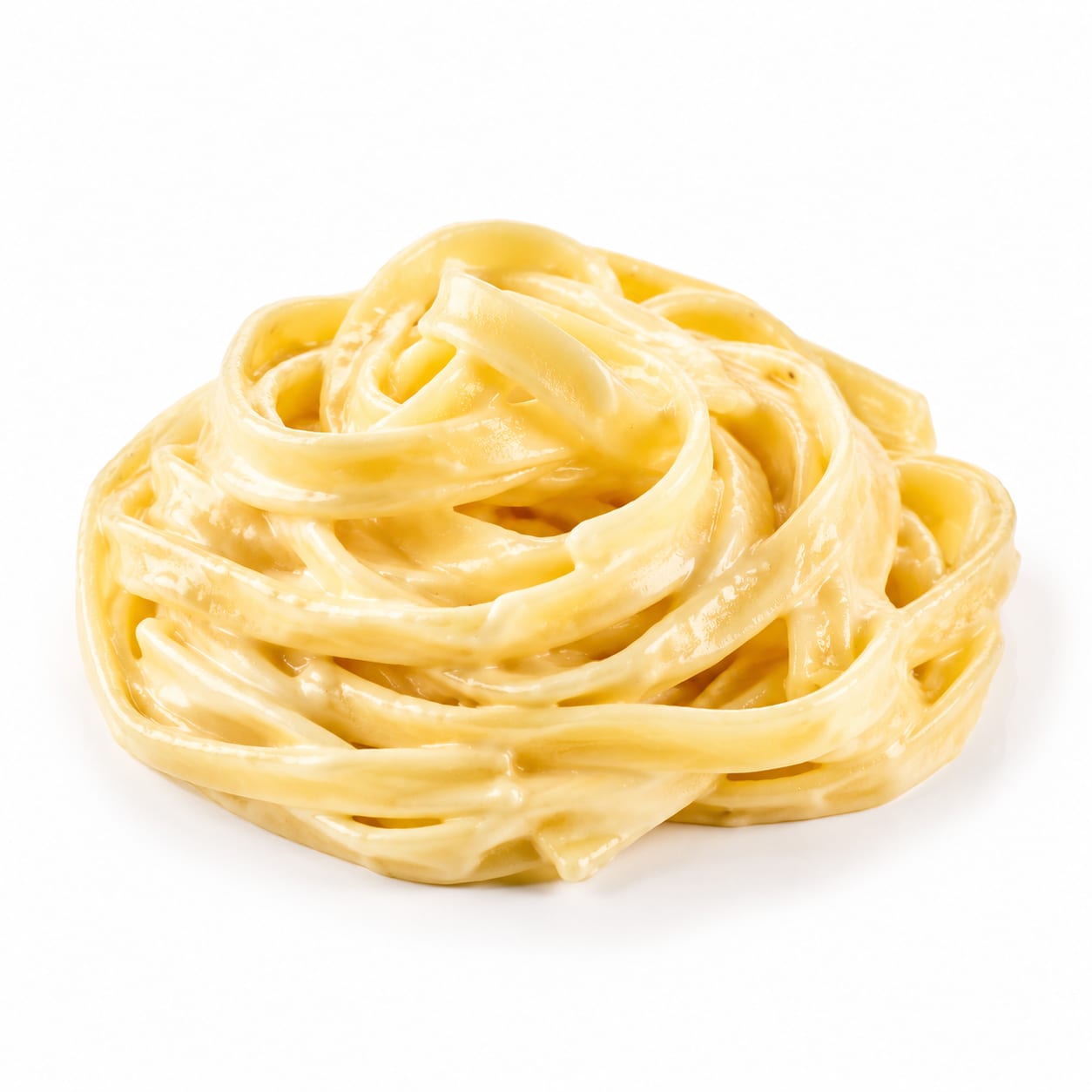
Fettuccine
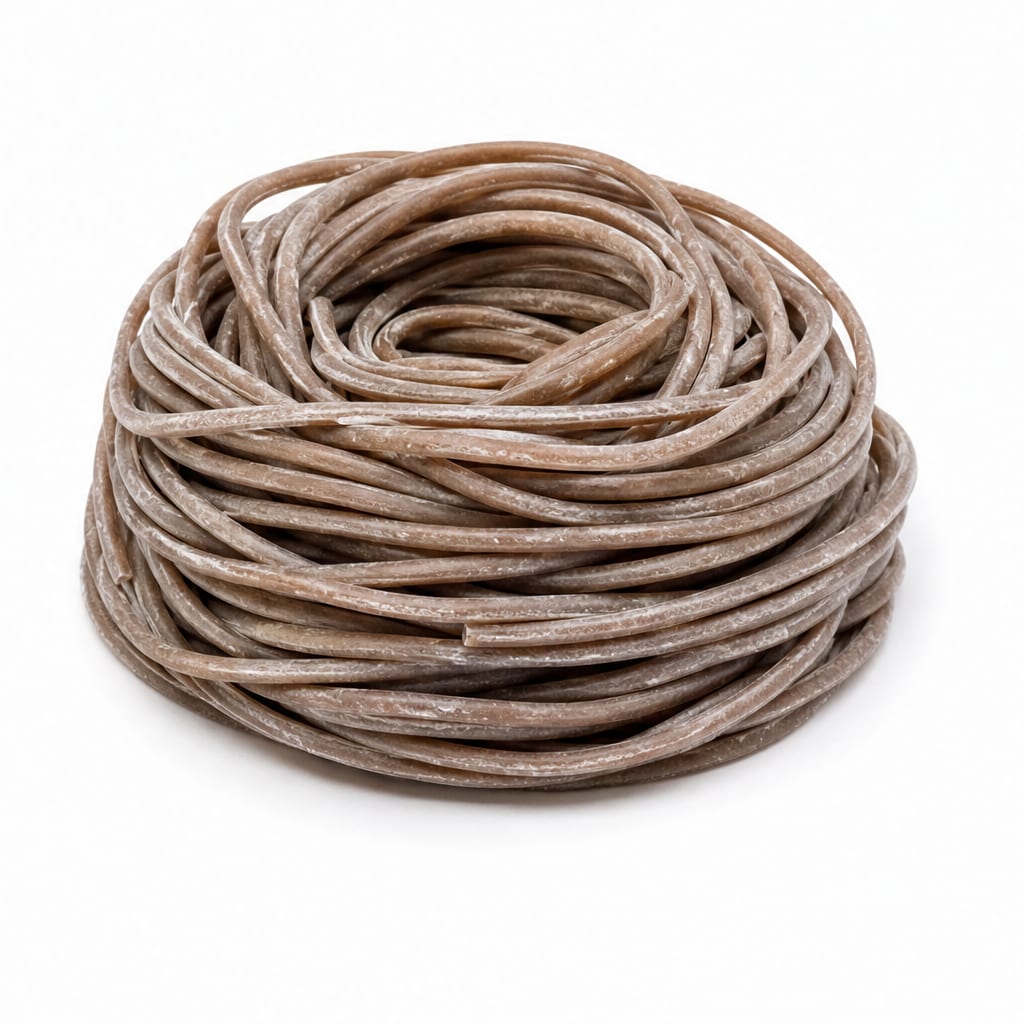
Soba Noodles
Soba Noodles deliver more protein, fiber, and minerals with steadier energy, while Fettuccine offers comforting familiarity but spiking blood sugar.
Soba Noodles score significantly higher due to superior fiber, protein, mineral content, and lower glycemic impact. Fettuccine is not unhealthy but offers fewer nutritional advantages per calorie.
You trade the creamy, indulgent satisfaction of Fettuccine for the lighter, nuttier, more nutrient-dense profile of Soba Noodles.
At a glance
Executive summary
Overall
Soba Noodles
Healthier
Soba Noodles
More practical
It depends
Daily use
Soba Noodles
Key comparison lenses
blood sugar and energy stability
Both are carb-heavy staples, so glycemic impact is the dominant concern for most eaters
nutrient density tradeoffs
Buckwheat offers minerals and antioxidants that refined wheat pasta lacks
gluten and digestive tolerance
Soba can be gluten-free if pure buckwheat, making it relevant for sensitive eaters
weight management and satiety
Fiber and protein differences affect how full you feel after eating
meal versatility and cultural preference
Both pair with very different flavor profiles and cooking traditions
Best choice for
Fettuccine
- Comforting Italian-style dinners with rich sauces
- Carb-loading before endurance events
- Picky eaters who prefer mild flavors
- Creamy or oil-based sauce pairings
Soba Noodles
- Steady energy without afternoon crashes
- Gluten-sensitive eaters (if 100% buckwheat)
- Lighter meals that still feel satisfying
- Cold noodle salads and Asian-inspired bowls
Least suitable for
Fettuccine
- People managing diabetes or insulin resistance
- Anyone seeking nutrient-dense carb sources
- Gluten-free diets
Soba Noodles
- Those with buckwheat allergies
- Diners expecting classic Italian pasta texture
- Budget-conscious shoppers in areas where buckwheat is expensive
Deep comparison
Dimension by dimension
Each lens scores both foods and breaks down who each option suits.
- Dimension 1 · Priority 92Soba Noodles
Blood Sugar Stability
Fettuccine · 35Soba Noodles · 70Soba Noodles cause a slower, gentler blood sugar rise compared to Fettuccine's sharper spike.
Tradeoff
Fettuccine gives quick energy but crashes faster; Soba keeps you steadier longer.
Why it matters
Sharp blood sugar spikes lead to energy crashes, cravings, and over time, insulin resistance.
Real-world impact
After Fettuccine you may feel sleepy an hour later; after Soba you stay alert through the afternoon.
Fettuccine
- Quick pre-workout fueling
Better for
- Late-night eating when you want stable blood sugar
- Anyone insulin resistant
Worse for
Soba Noodles
- Avoiding the 2pm energy crash
- Managing prediabetes or diabetes
- Sustained focus during long work sessions
Better for
- Immediate post-workout glycogen replenishment where fast carbs help
Worse for
- Dimension 2 · Priority 88Soba Noodles
Nutrient Density
Fettuccine · 25Soba Noodles · 78Buckwheat brings manganese, magnesium, copper, and the antioxidant rutin. Refined Fettuccine is mostly empty carbs.
Tradeoff
Fettuccine is often enriched with B vitamins and iron, but Soba naturally contains a broader mineral profile.
Why it matters
Every calorie is an opportunity to nourish or to just fill up.
Real-world impact
Regular Soba eaters get more minerals per bite, which supports energy, bones, and circulation without supplements.
Fettuccine
- Getting fortified iron and folate if those are specific deficiencies
Better for
- Reliance on synthetic fortification instead of whole-food nutrients
Worse for
Soba Noodles
- Supporting cardiovascular health via rutin
- Improving magnesium intake for sleep and muscle recovery
- Broad-spectrum mineral nourishment
Better for
- None significant
Worse for
- Dimension 3 · Priority 78Soba Noodles
Satiety and Fullness
Fettuccine · 40Soba Noodles · 72More fiber and protein in Soba means you feel full longer on fewer calories.
Tradeoff
Fettuccine feels heavier in the moment but digests quickly, leaving you hungry sooner.
Why it matters
Foods that keep you full reduce snacking and make portion control effortless.
Real-world impact
A Soba bowl at noon keeps you satisfied until dinner; Fettuccine may have you reaching for a snack by 3pm.
Fettuccine
- Heavy meal satisfaction when you want to feel stuffed
Better for
- Easy to overeat because low-fiber carbs bypass fullness signals
Worse for
Soba Noodles
- Weight management without counting calories
- Avoiding late-afternoon snacking
- Smaller portions that still feel complete
Better for
- May feel too light if you expect a heavy meal
Worse for
- Dimension 4 · Priority 80Soba Noodles
Digestive Tolerance
Fettuccine · 38Soba Noodles · 75Pure buckwheat Soba is gluten-free and easier on sensitive digestive systems.
Tradeoff
Many commercial Soba brands add wheat flour, so you must check labels for 100% buckwheat if gluten is a concern.
Why it matters
Bloating, gas, and fatigue after meals often trace back to gluten or refined wheat.
Real-world impact
Switching to pure Soba can eliminate post-meal bloating for gluten-sensitive people without giving up noodles.
Fettuccine
- No concern if you tolerate gluten well
Better for
- Common trigger for IBS symptoms and bloating
Worse for
Soba Noodles
- Gluten-sensitive or celiac individuals (100% buckwheat only)
- People who feel bloated after regular pasta
- Lighter digestion before physical activity
Better for
- Buckwheat allergy, though rare, can be severe
Worse for
- Dimension 5 · Priority 65It depends
Versatility and Culinary Fit
Fettuccine · 70Soba Noodles · 68Fettuccine excels with rich sauces; Soba shines in broths, cold dishes, and light dressings.
Tradeoff
Neither substitutes well for the other's signature dishes without disappointing texture or flavor.
Why it matters
The best healthy food is one you actually enjoy eating regularly.
Real-world impact
Fettuccine pairs naturally with Alfredo and Bolognese; Soba belongs in dashi broth or with sesame dressing. Cross-pairing feels wrong.
Fettuccine
- Creamy and oil-based Italian sauces
- Baked pasta dishes
- Comfort food cravings
Better for
- Cold salads and Asian-flavor pairings
Worse for
Soba Noodles
- Cold noodle salads for meal prep
- Light brothy soups
- Quick stir-fry noodle dishes
Better for
- Heavy cream sauces that clump on thin noodles
Worse for
- Dimension 6 · Priority 72Soba Noodles
Calorie Efficiency
Fettuccine · 40Soba Noodles · 68Soba delivers more nutrition per calorie, making each bite work harder for you.
Tradeoff
Calorie counts are similar per dry serving, but Soba's fiber means net absorbable carbs are lower.
Why it matters
When calories are similar, the food with more fiber and micronutrients always wins for health.
Real-world impact
Both are roughly 350-400 calories per dry cup, but Soba gives you minerals and antioxidants as a bonus.
Fettuccine
- Situations where you need maximum calories for weight gain
Better for
- Empty calories that crowd out nutrient-dense foods
Worse for
Soba Noodles
- Cutting calories while keeping meals satisfying
- Getting more nutritional value from each meal
Better for
- None significant
Worse for
Timeline
Health impact over time
Short-term
Hours to days
Fettuccine
- Quick energy spike followed by a crash within 1-2 hours
- Post-meal drowsiness due to rapid blood sugar rise
- Possible bloating if gluten-sensitive
Soba Noodles
- Steady energy for 3-4 hours without crashes
- Light feeling in the stomach after eating
- Improved digestion from higher fiber intake
Long-term
Months to years
Fettuccine
- Higher risk of insulin resistance with frequent consumption
- Potential nutrient gaps if Fettuccine displaces whole foods
- Increased inflammatory markers from refined wheat
Soba Noodles
- Better blood vessel health from rutin antioxidant
- Improved mineral status especially magnesium and manganese
- Lower long-term diabetes risk due to gentler glycemic load
Risk profile
Safety & processing
Traditional Fettuccine is refined wheat stripped of bran and germ, then sometimes enriched back. Soba Noodles made from whole buckwheat flour retain their natural nutrient package. Check Soba labels though — many brands cut buckwheat with wheat flour to reduce cost.
Fettuccine
Glyphosate residue on conventional wheat
mediumNon-organic wheat is commonly sprayed with glyphosate as a desiccant before harvest. Choose organic to minimize exposure.
Mycotoxin contamination in stored wheat
lowImproper storage can lead to mold toxins, but commercial pasta production has strong quality controls.
Soba Noodles
Buckwheat allergy
highThough rare, buckwheat allergy can cause severe anaphylactic reactions. First-time eaters should be cautious.
Hidden wheat in mixed Soba
mediumMost commercial Soba contains 20-80% wheat flour. Only 100% buckwheat Soba (juwari soba) is gluten-free.
Who wins for whom
Audience fit
Same foods, different winners depending on your goal.
children
FettuccineKids generally prefer the mild taste and soft texture of Fettuccine, and the fortified iron and folate support growth.
daily consumption
Soba NoodlesThe nutrient density and steady energy make Soba a more sustainable daily staple without metabolic downsides.
diabetes
Soba NoodlesLower glycemic impact and more fiber slow glucose absorption, making blood sugar management easier.
elderly
Soba NoodlesBetter mineral density supports bone health, and gentler blood sugar response reduces fatigue and diabetes risk in aging bodies.
muscle gain
FettuccineFettuccine's faster-digesting carbs are useful post-workout, and the higher glycemic load helps replenish glycogen quickly.
weight loss
Soba NoodlesHigher fiber and protein keep you full on fewer calories, reducing the urge to snack between meals.
Your move
Decision guide
Choose Fettuccine
- You crave rich, creamy Italian sauces and nothing else hits the spot
- You need fast carbs after intense exercise
- Cooking for kids who resist new flavors
- You're carb-loading before an endurance event
Choose Soba Noodles
- You want steady energy without crashes
- You're managing blood sugar, weight, or inflammation
- You enjoy Asian flavors and lighter meals
- Gluten sensitivity runs in your family
- You want more nutrition per calorie from your carbs
Either works if
- You tolerate both well and rotate based on the cuisine you're cooking
- You pair either with plenty of vegetables and protein to balance the meal
Avoid both if
- You're strictly low-carb or keto
- You have both celiac disease and buckwheat allergy
Final recommendation
Make Soba Noodles your default weekly staple for the nutritional edge and steadier energy. Keep Fettuccine for occasional comfort meals with rich sauces. If switching feels drastic, start by replacing one pasta night per week with Soba and see how your body responds.
Practical
Consumer tips
- 1
Look for 100% buckwheat Soba (juwari soba) if you want gluten-free — most grocery brands mix in wheat flour
- 2
Rinse Soba after cooking to remove surface starch and improve texture, especially for cold dishes
- 3
Choose whole wheat Fettuccine if you stick with pasta — it narrows the nutritional gap significantly
- 4
Pair either noodle with protein and vegetables to slow digestion and reduce blood sugar impact
- 5
Organic wheat Fettuccine avoids glyphosate desiccant residue common on conventional wheat
- 6
Dried Soba cooks in about 4 minutes versus 10-12 for Fettuccine — faster weeknight option
- 7
Soba's rutin antioxidant is heat-sensitive, so slightly undercooking preserves more of it