
Nutrition comparison
Fettuccine vs Shirataki Noodles: Which Is Better for Weight Loss, Blood Sugar, and Satisfaction?
Compare Fettuccine and Shirataki Noodles on calories, carbs, blood sugar impact, taste, and digestive tolerance. Find out which pasta alternative fits your health goals.
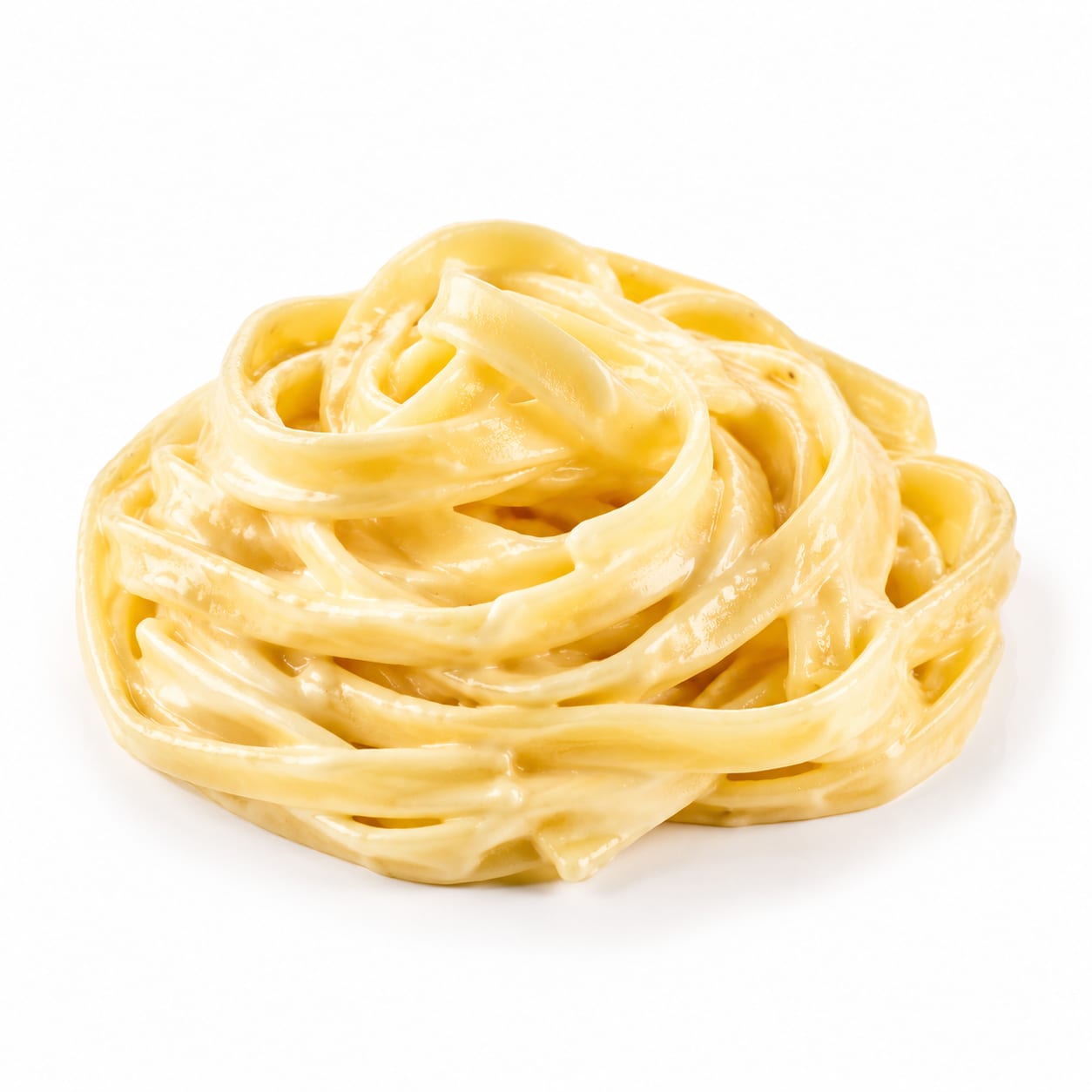
Fettuccine
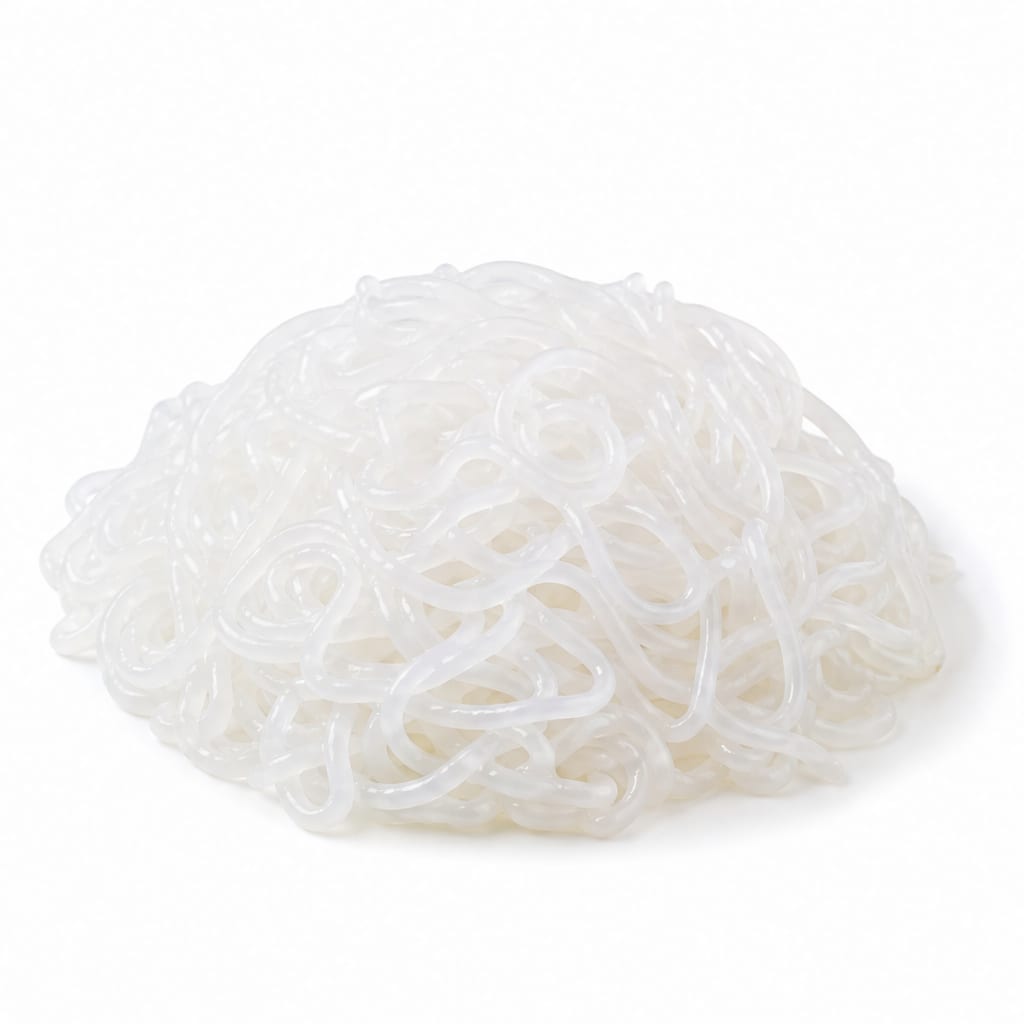
Shirataki Noodles
Shirataki Noodles slash calories and carbs to near zero, but Fettuccine delivers real satisfaction and energy. Your choice depends entirely on what you're optimizing for.
Fettuccine scores slightly higher overall because it provides real energy, broader usability, and better satisfaction. Shirataki Noodles excel in narrow contexts like weight loss and blood sugar control but fall short on nutrition, enjoyment, and digestive comfort.
Calorie cutting versus eating satisfaction — Shirataki Noodles win on the scale, Fettuccine wins at the table.
At a glance
Executive summary
Overall
It depends
Healthier
It depends
More practical
Fettuccine
Daily use
Fettuccine
Key comparison lenses
weight loss carb reduction
Shirataki noodles are famous as a near-zero-calorie pasta substitute, making this the primary reason most people compare them
blood sugar management
The massive carbohydrate gap between these two makes this critical for anyone monitoring glucose
satiety and satisfaction
A near-zero-calorie food often fails to satisfy, which determines long-term adherence
nutritional value per bite
Shirataki noodles provide almost no nutrients, while Fettuccine at least offers some energy and fortification
digestive tolerance
Shirataki's glucomannan fiber can cause bloating and discomfort, especially for new users
Best choice for
Fettuccine
- Athletes needing carb fuel before or after training
- People who find low-calorie substitutes leave them hungry
- Anyone seeking a comforting, familiar meal experience
- Families wanting a shared dinner everyone enjoys
Shirataki Noodles
- Weight loss seekers tracking every calorie
- People with diabetes managing blood sugar spikes
- Keto or very-low-carb dieters craving a pasta-like texture
- Anyone eating in a caloric deficit who wants volume without energy
Least suitable for
Fettuccine
- Strict keto dieters who must stay under 20g carbs
- People with severe blood sugar control issues
- Anyone in a aggressive calorie-cutting phase
- Those with gluten intolerance or celiac disease
Shirataki Noodles
- Athletes or active people needing real energy from meals
- Anyone prone to overeating later after unsatisfying meals
- People with sensitive digestion or IBS
- Children who need calorie-dense, nutrient-rich foods
Deep comparison
Dimension by dimension
Each lens scores both foods and breaks down who each option suits.
- Dimension 1 · Priority 95Shirataki Noodles
calorie_density_and_weight_management
Fettuccine · 25Shirataki Noodles · 98Shirataki Noodles contain roughly 10-20 calories per serving compared to Fettuccine's 220+ calories. This is the most lopsided advantage in the entire comparison.
Tradeoff
You save hundreds of calories but may feel hungry again within an hour, risking compensation eating later.
Why it matters
For someone eating in a calorie deficit, Shirataki Noodles can feel like a cheat code — until the hunger catches up.
Real-world impact
A Shirataki Noodle dinner might leave you raiding the pantry at 9 PM, erasing the calorie savings you earned at 6 PM.
Fettuccine
- Maintaining weight without obsessive tracking
- Avoiding the binge-restrict cycle triggered by under-eating
Better for
- Aggressive fat loss phases requiring large calorie deficits
Worse for
Shirataki Noodles
- Strict calorie-counting diets where every calorie matters
- Volume eating — large portions with minimal energy intake
Better for
- People who compensate for low-calorie meals with late-night snacking
Worse for
- Dimension 2 · Priority 88Shirataki Noodles
blood_sugar_stability
Fettuccine · 30Shirataki Noodles · 95Fettuccine causes a significant blood sugar spike due to its high glycemic load. Shirataki Noodles have virtually zero glycemic impact.
Tradeoff
Stable blood sugar with Shirataki, but no sustained energy either — you get neutrality instead of fuel.
Why it matters
For people with diabetes or insulin resistance, Fettuccine can trigger a glucose rollercoaster. Shirataki Noodles keep things flat.
Real-world impact
After Fettuccine, you might feel a brief energy surge followed by an afternoon crash. After Shirataki Noodles, your blood sugar stays flat — but you may feel flat too.
Fettuccine
- Post-workout recovery when you actually want glucose replenishment
Better for
- Anyone monitoring HbA1c or fasting glucose
Worse for
Shirataki Noodles
- Type 2 diabetes management
- Preventing energy crashes during sedentary workdays
- Metabolic syndrome and insulin resistance
Better for
- Athletes who need carbohydrates to replenish glycogen after intense exercise
Worse for
- Dimension 3 · Priority 85Fettuccine
satiety_and_meal_satisfaction
Fettuccine · 78Shirataki Noodles · 35Fettuccine provides genuine fullness from carbohydrates and a satisfying chew. Shirataki Noodles feel light to the point of emptiness.
Tradeoff
Fettuccine fills you up with calories. Shirataki Noodles fill your bowl but not your stomach.
Why it matters
Meals that don't satisfy often lead to eating again sooner, which defeats the purpose of choosing a low-calorie option.
Real-world impact
You can eat a massive bowl of Shirataki Noodles and feel physically full for 30 minutes, then wonder why you're hungry again. Fettuccine keeps you satisfied for hours.
Fettuccine
- People who need one meal to carry them for 4-5 hours
- Emotional eaters who find low-cal substitutes unsatisfying
- Busy professionals who cannot snack between meals
Better for
- Anyone who wants to feel light after eating rather than full
Worse for
Shirataki Noodles
- Those who prefer grazing and eating frequently throughout the day
- People who like large portion sizes and do not mind eating again soon
Better for
- Anyone prone to rebound hunger after low-calorie meals
- Late-night eaters who will snack regardless of dinner volume
Worse for
- Dimension 4 · Priority 78Fettuccine
nutritional_value
Fettuccine · 55Shirataki Noodles · 20Fettuccine provides usable carbohydrates, some protein, and often added B vitamins and iron. Shirataki Noodles offer almost nothing nutritionally except soluble fiber.
Tradeoff
Fettuccine gives you real fuel and modest nutrients. Shirataki Noodles give you fiber and essentially nothing else.
Why it matters
If you replace too many meals with Shirataki Noodles, you risk undernourishment — not from toxins, but from emptiness.
Real-world impact
A Fettuccine meal with sauce and vegetables delivers a balanced plate. A Shirataki Noodle meal is only as nutritious as whatever you pair it with — the noodles contribute almost zero.
Fettuccine
- Active people who need carbohydrate energy to function
- Anyone not eating enough nutrient-dense foods elsewhere
- Enriched pasta provides folate, iron, and B vitamins
Better for
- Those who over-rely on refined carbs as their primary energy source
Worse for
Shirataki Noodles
- Getting glucomannan fiber, which supports gut health and cholesterol
- People already meeting all nutrient needs from other foods
Better for
- Anyone at risk of nutritional deficiency from restrictive eating
- People using Shirataki Noodles as a meal replacement rather than a component
Worse for
- Dimension 5 · Priority 72Fettuccine
digestive_tolerance
Fettuccine · 70Shirataki Noodles · 40Fettuccine is gentle on most stomachs. Shirataki Noodles contain glucomannan, a highly fermentable fiber that causes gas, bloating, and cramping in many people.
Tradeoff
Glucomannan fiber has health benefits but comes with real digestive discomfort, especially at first.
Why it matters
A food that saves you 200 calories but makes you bloated for three hours may not be worth it.
Real-world impact
First-time Shirataki Noodle eaters often report stomach cramping, gas, or loose stools if they eat a full portion. Fettuccine rarely causes acute digestive distress unless you have gluten sensitivity.
Fettuccine
- People with sensitive digestion or IBS
- Anyone new to high-fiber diets who needs gradual adjustment
Better for
- People with celiac disease or gluten intolerance
Worse for
Shirataki Noodles
- People with constipation who benefit from glucomannan's bulking effect
- Those who tolerate soluble fiber well
Better for
- Anyone with a history of bowel obstruction — glucomannan has caused esophageal and intestinal blockages
- People with IBS or fermentable carbohydrate sensitivity
Worse for
- Dimension 6 · Priority 70Fettuccine
taste_and_texture_enjoyment
Fettuccine · 82Shirataki Noodles · 35Fettuccine has a familiar, comforting chew that absorbs sauce beautifully. Shirataki Noodles have a rubbery, slightly gelatinous texture that many find off-putting.
Tradeoff
You trade culinary pleasure for calorie savings. For some, this makes Shirataki Noodles unsustainable long-term.
Why it matters
Food that feels like a sacrifice rarely becomes a habit. Enjoyment determines whether you stick with a choice.
Real-world impact
Many people try Shirataki Noodles once and go back to regular pasta within a week. The texture is the number one complaint.
Fettuccine
- Food lovers who refuse to eat meals they do not enjoy
- Social dining where you want food everyone likes
- Date nights, dinner parties, and comfort meals
Better for
- Anyone who finds traditional pasta too heavy
Worse for
Shirataki Noodles
- People who prioritize results over experience
- Those who can mask the texture with strong sauces and preparation techniques
Better for
- Picky eaters, texture-sensitive eaters, and children
Worse for
- Dimension 7 · Priority 60Fettuccine
preparation_and_convenience
Fettuccine · 75Shirataki Noodles · 55Fettuccine is boil-and-serve with predictable results. Shirataki Noodles require rinsing, dry-roasting, and careful sauce pairing to avoid a watery mess.
Tradeoff
Shirataki Noodles demand more technique for a worse result. Fettuccine is effortless by comparison.
Why it matters
Extra preparation steps for a less satisfying outcome makes Shirataki Noodles a hard sell for weeknight cooking.
Real-world impact
You can cook Fettuccine on autopilot. Shirataki Noodles require a learning curve — skip the rinsing step and your meal tastes like fishy water.
Fettuccine
- Weeknight cooking when you are tired
- Beginner cooks who want reliable results
Better for
- Those avoiding gluten who cannot use traditional wheat pasta
Worse for
Shirataki Noodles
- Meal prep scenarios where you can batch-prepare and season properly
- Experienced cooks willing to learn specific techniques
Better for
- Impatient cooks who skip preparation steps
- People unfamiliar with konjac-based products
Worse for
Timeline
Health impact over time
Short-term
Hours to days
Fettuccine
- Noticeable blood sugar rise within 30-60 minutes of eating
- Sustained energy for 2-3 hours from carbohydrate content
- Comforting, satisfying meal experience that reduces immediate cravings
Shirataki Noodles
- Minimal blood sugar impact — nearly flat glucose response
- Possible bloating, gas, or stomach cramping from glucomannan fermentation
- Likely hunger returning within 1-2 hours despite a full plate
Long-term
Months to years
Fettuccine
- Regular high-carb meals may contribute to insulin resistance if overconsumed
- Potential for gradual weight gain if portions are not managed
- Fortified varieties provide consistent B vitamin and iron intake
Shirataki Noodles
- Glucomannan fiber may improve cholesterol levels and support gut health over time
- Risk of nutritional deficiency if used as a staple without nutrient-dense accompaniments
- Possible improvement in constipation for those who tolerate it well
Risk profile
Safety & processing
Fettuccine is a simple processed food — wheat and water, sometimes with eggs. Shirataki Noodles undergo more processing to transform konjac root into a shelf-stable product, often packed in lime water with preservatives. Neither is a whole food, but Fettuccine is closer to a traditional kitchen ingredient.
Fettuccine
Gluten exposure for sensitive individuals
highTraditional Fettuccine contains wheat gluten, which triggers autoimmune reactions in people with celiac disease and discomfort in those with gluten sensitivity.
Glycemic overload
mediumLarge portions can cause significant blood sugar spikes, particularly dangerous for uncontrolled diabetes.
Shirataki Noodles
Choking or bowel obstruction from glucomannan
highGlucomannan expands dramatically in water. Taking it without adequate fluid or eating large quantities has caused esophageal and intestinal blockages, particularly in supplement form.
Digestive distress
mediumGas, bloating, cramping, and loose stools are common, especially when first introducing Shirataki Noodles or eating large portions.
Preservative exposure from packaging liquid
lowShirataki Noodles are typically packaged in lime water (calcium hydroxide) which is safe but can cause mild stomach upset if not rinsed properly.
Who wins for whom
Audience fit
Same foods, different winners depending on your goal.
children
FettuccineChildren need calorie-dense, nutrient-rich foods for growth. Shirataki Noodles provide empty volume and pose a choking risk from glucomannan expansion.
daily consumption
FettuccineFettuccine provides consistent energy and satisfaction for daily meals. Shirataki Noodles are better used occasionally as a tool, not a daily staple.
diabetes
Shirataki NoodlesNear-zero carbohydrates mean near-zero glycemic impact. Fettuccine is one of the worst choices for blood sugar management.
elderly
FettuccineOlder adults often struggle with appetite and need calorie-dense, easy-to-eat foods. Shirataki Noodles may worsen undernutrition and cause digestive discomfort.
muscle gain
FettuccineBuilding muscle requires caloric surplus and carbohydrate energy. Fettuccine provides both. Shirataki Noodles provide neither.
weight loss
Shirataki NoodlesShirataki Noodles provide pasta-like volume with almost zero calories, making them a powerful tool for calorie restriction — as long as you manage rebound hunger.
Your move
Decision guide
Choose Fettuccine
- You want a satisfying meal that keeps you full for hours
- You are active and need carbohydrate fuel for energy
- You value taste and texture over calorie savings
- You are cooking for others and want a crowd-pleaser
- You have no blood sugar concerns and eat balanced meals
Choose Shirataki Noodles
- You are in a strict calorie deficit and every calorie counts
- You have diabetes or insulin resistance and must minimize carb intake
- You are on a keto or very-low-carb diet
- You can tolerate the texture and are willing to prepare them properly
- You pair them with protein and healthy fats to improve satiety
Either works if
- You want pasta occasionally and can moderate portions of either
- You mix half Fettuccine and half Shirataki Noodles for a compromise on calories and satisfaction
Avoid both if
- You have celiac disease — both may contain gluten or cross-contaminants depending on the brand
- You are seeking a nutrient-dense whole food — neither qualifies as a health food
- You have a history of bowel obstruction — glucomannan is risky, and large pasta meals can also be problematic
Final recommendation
Use Shirataki Noodles strategically — perhaps once or twice a week when you need a low-calorie meal — and enjoy Fettuccine the rest of the time with proper portion control. The best approach for most people is a 50/50 blend: half Fettuccine for satisfaction and energy, half Shirataki Noodles for volume and calorie reduction. This gives you the comfort of real pasta without the full carbohydrate load.
Practical
Consumer tips
- 1
Rinse Shirataki Noodles thoroughly for at least 2 minutes under cold water to remove the fishy packaging odor
- 2
Dry-roast Shirataki Noodles in a hot pan for 2-3 minutes before adding sauce — this improves texture and reduces wateriness
- 3
Start with a small portion of Shirataki Noodles to test your digestive tolerance before eating a full serving
- 4
Pair Shirataki Noodles with protein-rich sauces and healthy fats to improve satiety and make the meal actually filling
- 5
Choose whole wheat or legume-based Fettuccine for more fiber and protein if you want a middle ground
- 6
Never take glucomannan supplements alongside Shirataki Noodles — the combined fiber load is dangerous
- 7
Mix half regular Fettuccine and half Shirataki Noodles for a compromise that preserves taste while cutting calories by roughly 40%