
Nutrition comparison
Fettuccine vs Rice Noodles: Nutrition, Satiety, and Gluten-Free Comparison
Comparing fettuccine and rice noodles? Discover the key differences in protein, gluten, blood sugar impact, and which pasta fits your diet best.
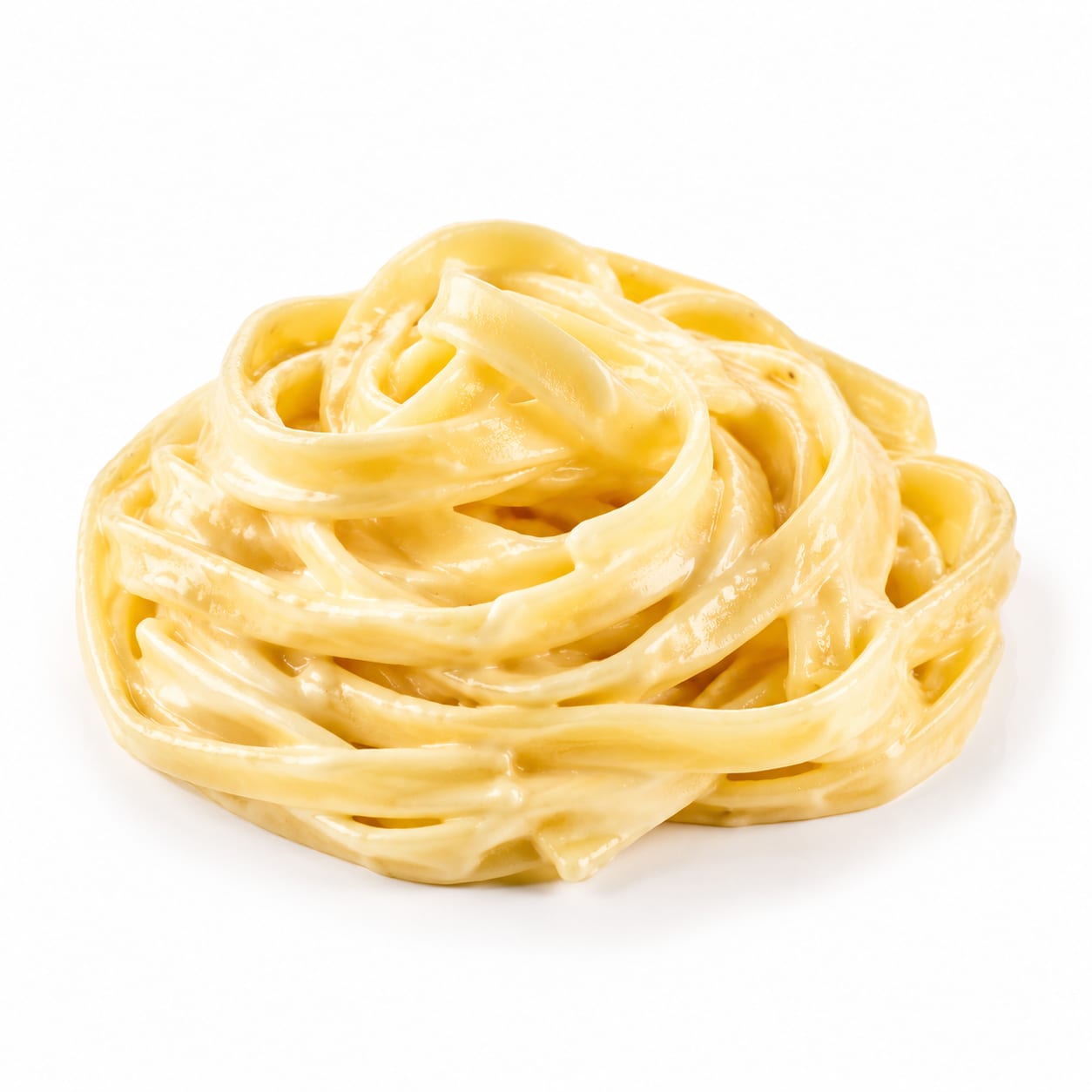
Fettuccine
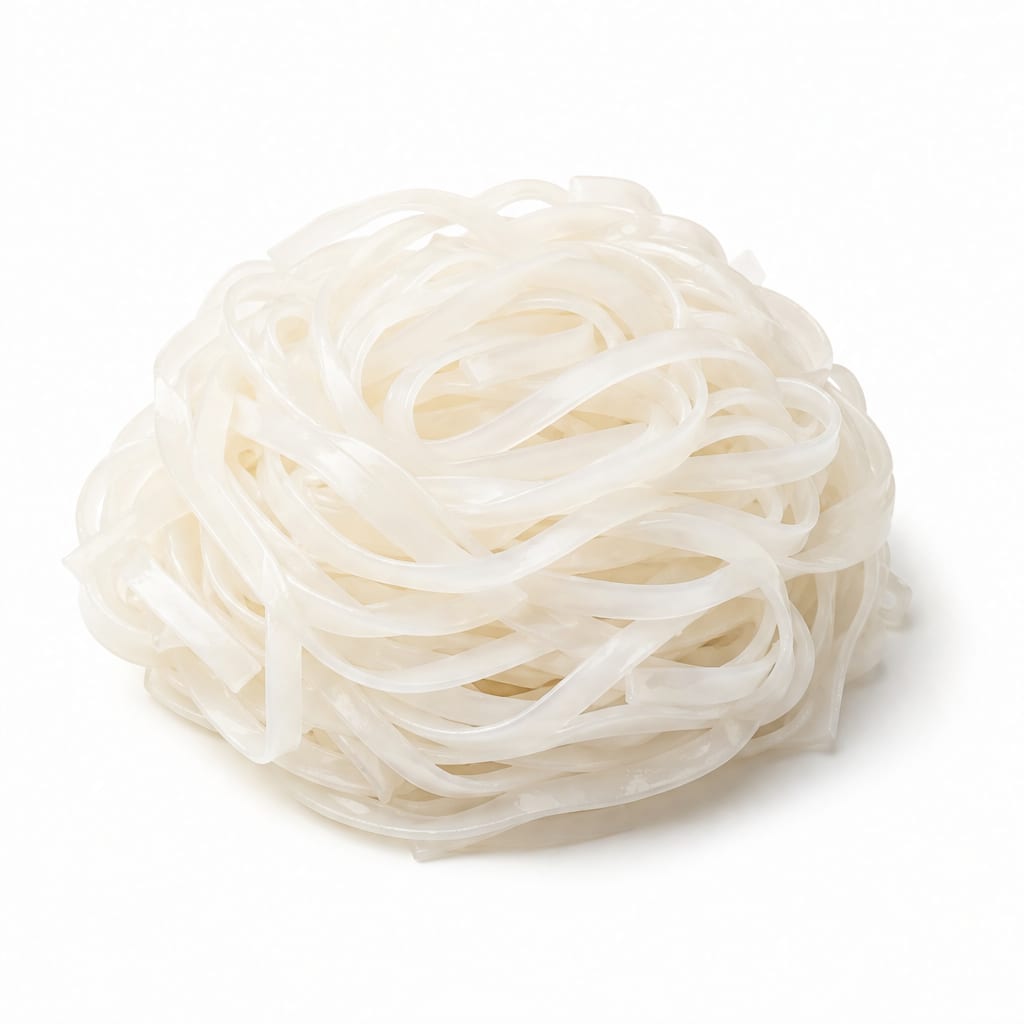
Rice Noodles
Fettuccine is more filling and nutritionally dense, while rice noodles are lighter and completely gluten-free.
Fettuccine scores slightly higher due to its superior protein, fiber, and satiety profile. Rice noodles remain highly competitive for gluten-free and light-meal needs, but their lower nutritional density and faster blood sugar impact hold them back slightly overall.
Protein and satiety from wheat versus easier digestion and fewer allergens from rice.
At a glance
Executive summary
Overall
It depends
Healthier
It depends
More practical
Rice Noodles
Daily use
It depends
Key comparison lenses
gluten tolerance and digestion
The most critical difference is that rice noodles are naturally gluten-free while fettuccine contains wheat gluten, which dictates suitability for many eaters.
blood sugar management
Both are heavy carbohydrates, but their glycemic impacts differ significantly due to grain type and processing.
satiety and meal staying power
Fettuccine provides more protein and fiber, keeping you full longer, whereas rice noodles digest quickly.
calorie and macronutrient balance
Users often swap these noodles hoping to save calories or boost protein, making macro differences highly relevant.
Best choice for
Fettuccine
- Athletes needing sustained energy
- People looking to increase protein intake without supplements
- Those who want a meal that keeps them full for hours
Rice Noodles
- People with celiac disease or gluten sensitivity
- Those wanting a light meal before a workout
- Anyone seeking an easily digestible carb source
Least suitable for
Fettuccine
- People with wheat allergies or celiac disease
- Those prone to bloating after heavy meals
- People seeking a light, low-volume pre-workout meal
Rice Noodles
- People relying on carbs as a primary protein source
- Those struggling with blood sugar spikes
- Anyone looking for high-fiber carbohydrate options
Deep comparison
Dimension by dimension
Each lens scores both foods and breaks down who each option suits.
- Dimension 1 · Priority 90Fettuccine
Satiety and Fullness
Fettuccine · 78Rice Noodles · 50Fettuccine keeps you full much longer thanks to its wheat gluten and higher protein content.
Tradeoff
You get lasting energy and fullness with fettuccine, but rice noodles offer a lighter feeling that won't weigh you down.
Why it matters
Staying full between meals prevents snacking and helps manage overall calorie intake naturally.
Real-world impact
A fettuccine lunch will likely carry you to dinner without hunger pangs, while a rice noodle bowl might leave you reaching for a snack by mid-afternoon.
Fettuccine
- Long workdays without break time
- Controlling late-night cravings
Better for
- Sedentary evenings when you want a light dinner
Worse for
Rice Noodles
- Quick energy before a workout
- Hot days when heavy meals feel awful
Better for
- Busy mornings after skipping breakfast
Worse for
- Dimension 2 · Priority 85Fettuccine
Blood Sugar Stability
Fettuccine · 65Rice Noodles · 50Fettuccine digests more slowly, leading to a steadier blood sugar curve compared to the quick spike from rice noodles.
Tradeoff
Fettuccine provides steadier energy, but rice noodles give you a faster carb rush when you need quick fuel.
Why it matters
Rapid blood sugar spikes lead to energy crashes and increased hunger shortly after eating.
Real-world impact
Eating rice noodles on an empty stomach can cause an afternoon energy crash, whereas fettuccine provides a smoother, longer-lasting energy runway.
Fettuccine
- Managing prediabetes or insulin resistance
- Sustained focus during long meetings
Better for
- Situations requiring immediate fast energy
Worse for
Rice Noodles
- Quick post-workout glycogen replenishment
- Carb-loading before endurance events
Better for
- Sedentary desk work with minimal activity
Worse for
- Dimension 3 · Priority 95Rice Noodles
Digestive Tolerance and Allergens
Fettuccine · 40Rice Noodles · 95Rice noodles are naturally gluten-free and much gentler on sensitive stomachs.
Tradeoff
Rice noodles are incredibly safe for digestion, but fettuccine offers more nutritional value if your gut tolerates wheat well.
Why it matters
Gluten intolerance and wheat sensitivities are common, making this a dealbreaker dimension for many people.
Real-world impact
If you have celiac disease or gluten sensitivity, fettuccine will cause bloating and discomfort, while rice noodles sit easily in the stomach.
Fettuccine
- Individuals with no wheat sensitivity looking for gut-slowing fiber
Better for
- Those experiencing brain fog or bloating after wheat
Worse for
Rice Noodles
- Anyone with IBS triggered by wheat
- People with celiac disease or gluten intolerance
Better for
- People needing high-fiber diets for gut microbiome health
Worse for
- Dimension 4 · Priority 75Fettuccine
Nutritional Density
Fettuccine · 70Rice Noodles · 45Fettuccine provides more protein, iron, and B vitamins, whereas rice noodles are mostly pure carbohydrates.
Tradeoff
Fettuccine acts as a mild nutrient contributor, while rice noodles serve strictly as an energy source.
Why it matters
Getting nutrients from staple carbs reduces the need to overcompensate with other foods.
Real-world impact
A plate of fettuccine contributes meaningfully to your daily protein and iron goals, while rice noodles require you to get those nutrients entirely from your sauce or sides.
Fettuccine
- Plant-based eaters needing extra iron and protein
- Balancing a meal with light sauces
Better for
- Diets strictly limiting protein
Worse for
Rice Noodles
- Meals already packed with heavy proteins and fats
- Simple carb loading
Better for
- Vegans struggling to hit protein targets
Worse for
- Dimension 5 · Priority 70Rice Noodles
Caloric Efficiency
Fettuccine · 60Rice Noodles · 75Rice noodles are slightly lower in calories per serving, making it easier to fit large portions into a diet.
Tradeoff
Rice noodles let you eat a larger volume for fewer calories, but the lower satiety means you might eat more overall.
Why it matters
Volume eating can help with diet adherence, but only if the food actually keeps you satisfied.
Real-world impact
You can enjoy a massive bowl of rice noodles for fewer calories than a dense plate of fettuccine, but you may feel hungry again sooner.
Fettuccine
- Those who prefer smaller, satisfying portions
Better for
- Those who feel deprived by small portion sizes
Worse for
Rice Noodles
- Volume eaters who like large portions
- Tight calorie budgets on active days
Better for
- Mindless snacking scenarios where volume tricks you into overeating
Worse for
Timeline
Health impact over time
Short-term
Hours to days
Fettuccine
- Provides long-lasting fullness that prevents between-meal snacking
- Can cause bloating or sluggishness if you are sensitive to gluten
Rice Noodles
- Delivers quick, light energy that digests rapidly
- May trigger a hunger rebound or energy crash a few hours after eating
Long-term
Months to years
Fettuccine
- Better muscle maintenance over time due to higher protein content
- Potential for chronic inflammation if you have an undiagnosed wheat sensitivity
Rice Noodles
- Safe long-term staple for those with celiac disease or gluten intolerance
- Risk of blood sugar dysregulation if eaten frequently without adequate fiber and protein pairing
Risk profile
Safety & processing
Both are processed from whole grains into flour, but standard versions usually contain minimal ingredients. Fettuccine is typically just wheat flour and water, while rice noodles are rice flour and water. Neither is ultra-processed unless enriched with synthetic vitamins or packed with preservatives.
Fettuccine
Gluten autoimmunity trigger
highFor individuals with celiac disease, consuming fettuccine causes severe intestinal damage and systemic inflammation.
Glyphosate residue
lowConventionally grown wheat is often sprayed with glyphosate as a desiccant, leaving trace chemical residues.
Rice Noodles
Arsenic exposure
mediumRice is known to accumulate inorganic arsenic from soil and water. Frequent consumption of rice noodles could contribute to heavy metal load over time.
Cross-contamination with gluten
mediumMany rice noodles are manufactured in facilities that also process wheat, posing a hidden risk for highly sensitive individuals.
Who wins for whom
Audience fit
Same foods, different winners depending on your goal.
children
Rice NoodlesRice noodles are softer, easier to chew, and gentler on developing digestive systems, especially for kids with mild wheat sensitivities.
daily consumption
It dependsFettuccine is better daily if you tolerate wheat and need the protein. Rice noodles are better daily if you avoid gluten, but watch out for arsenic accumulation from daily rice intake.
diabetes
FettuccineWheat pasta has a lower glycemic index and more fiber, resulting in slower glucose absorption compared to quickly digesting rice noodles.
elderly
Rice NoodlesElderly individuals often have slower digestion and increased food sensitivities; rice noodles are easier on the stomach and completely gluten-free.
muscle gain
FettuccineFettuccine has significantly more protein per serving, which supports muscle repair and growth when paired with training.
weight loss
It dependsFettuccine is better for weight loss if you need high satiety to prevent overeating. Rice noodles are better if you prefer large portion sizes and can control later cravings.
Your move
Decision guide
Choose Fettuccine
- You have no issues digesting wheat and want a filling, satisfying meal
- You need help hitting your daily protein targets without supplements
- You want steady energy without blood sugar crashes
Choose Rice Noodles
- You have celiac disease, a wheat allergy, or gluten sensitivity
- You want a light meal that will not make you feel sluggish
- You are cooking Asian-inspired dishes where the flavor profile fits perfectly
Either works if
- You are loading up on vegetables and lean proteins anyway, making the noodle base less critical
- You want a comforting carb and have no strict dietary restrictions
Avoid both if
- You are on a strict low-carb or ketogenic diet
- You are trying to minimize refined carbohydrates for metabolic health
Final recommendation
Let your digestion decide. If wheat sits well with you, fettuccine is the more nutritious and satisfying choice. If gluten causes you any discomfort, rice noodles are an excellent, light alternative—just pair them with plenty of protein and fiber to balance the faster carb hit.
Practical
Consumer tips
- 1
Always pair rice noodles with a protein source like chicken, tofu, or shrimp to prevent rapid blood sugar spikes.
- 2
Choose whole wheat or legume-based fettuccine if you want to maximize fiber and protein even further.
- 3
Rinse rice noodles thoroughly after cooking to remove excess surface starch that can make them gummy and spike blood sugar faster.
- 4
If eating rice noodles frequently, vary your diet with other gluten-free grains like quinoa or buckwheat to reduce arsenic exposure.
- 5
Cook fettuccine al dente to keep its glycemic index as low as possible; overcooked pasta digests much faster.