
Nutrition comparison
Fettuccine vs Penne: Which Pasta Shape Is Better for Your Meal?
Fettuccine and penne are nutritionally identical, but shape changes everything about sauce pairing, versatility, and eating experience. Find out which pasta fits your cooking style.
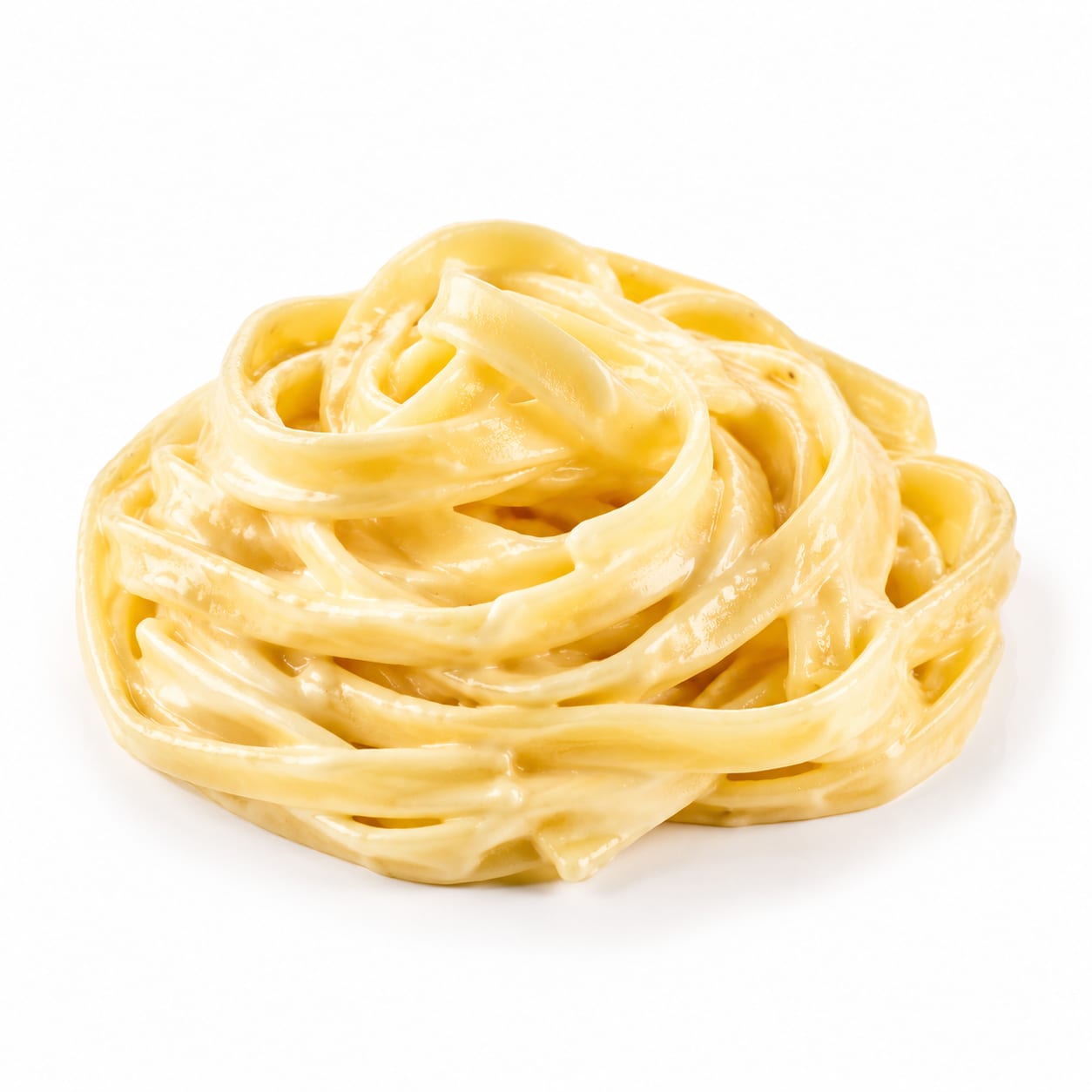
Fettuccine
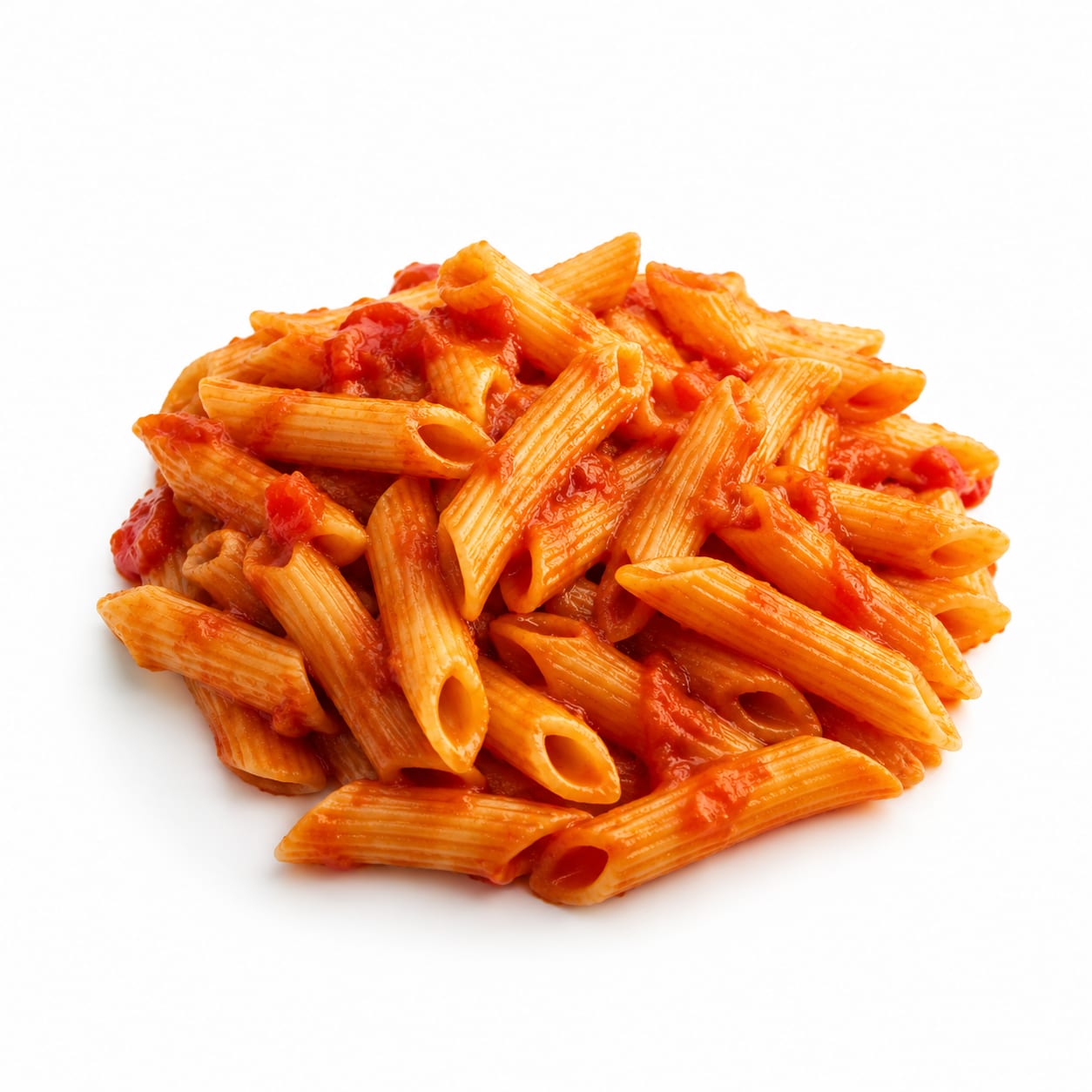
Penne
Nutritionally nearly identical, but shape creates meaningfully different eating experiences. Penne is more versatile and slightly better for portion awareness; fettuccine excels with creamy sauces and feels more indulgent.
Penne scores slightly higher due to greater versatility, better portion visibility, and wider sauce compatibility. Fettuccine is excellent for its specific use cases but is more limited. The small gap reflects that both are nutritionally equivalent refined wheat pasta.
Fettuccine delivers a richer, more luxurious mouthfeel with cream-based sauces, while penne's ridges and tubes grip chunkier sauces better and work in more dish types like baked pasta and salads.
At a glance
Executive summary
Overall
It depends
Healthier
It depends
More practical
Penne
Daily use
Penne
Key comparison lenses
sauce pairing and meal experience
The main real-world difference between these pasta shapes is how they interact with sauces, completely changing the eating experience
versatility and everyday use
Home cooks want to know which shape works for more meals and is easier to keep stocked
glycemic impact and satiety
Shape affects density and eating speed, which subtly influences blood sugar response and fullness
portion control
Different shapes create different visual portions and eating speeds, affecting how much you consume
Best choice for
Fettuccine
- Creamy alfredo or carbonara nights
- Elegant dinner presentations
- People who prefer smoother, silkier bites
- Comfort food cravings
Penne
- Weeknight family dinners with varied sauces
- Baked pasta dishes like ziti or casseroles
- Pasta salads and cold preparations
- Households wanting one versatile shape
Least suitable for
Fettuccine
- Chunky vegetable sauces that slide right off
- Cold pasta salads
- Baked casserole dishes
Penne
- Delicate cream sauces where tubes feel clunky
- Fine dining plating with smooth elegant appeal
- Traditional Roman pasta dishes calling for flat noodles
Deep comparison
Dimension by dimension
Each lens scores both foods and breaks down who each option suits.
- Dimension 1 · Priority 95Penne
sauce_compatibility_and_flavor_delivery
Fettuccine · 70Penne · 88Penne's ridged surface and hollow center trap and hold a wider variety of sauces, while fettuccine's flat ribbons work best with smooth, oily, or creamy coatings.
Tradeoff
Fettuccine creates a silkier, more luxurious experience with the right sauce, but fails with chunky or thin sauces that pool at the bottom of the bowl.
Why it matters
Sauce delivery is the single biggest factor in how satisfying a pasta meal feels. Poor sauce pairing leaves you eating bland noodles.
Real-world impact
A penne arrabbiata delivers heat and tomato in every bite. Fettuccine with the same sauce means half your bites are plain pasta with sauce puddled underneath.
Fettuccine
- Alfredo and cream-based sauces
- Butter and parmesan simplicity
- Oil-based sauces like aglio e olio
- Seafood linguine-style preparations
Better for
- Thin watery sauces that drain away
- Heavy chunky sauces with nothing to grip
- Cold preparations where flat noodles clump
Worse for
Penne
- Chunky tomato and vegetable sauces
- Meat ragùs with small pieces
- Pesto where texture matters
- Any baked pasta application
Better for
- Delicate cream sauces where tubes feel heavy
- Dishes where elegant long strands are expected
Worse for
- Dimension 2 · Priority 72Penne
satiety_and_eating_speed
Fettuccine · 65Penne · 73Penne's bite-sized pieces naturally slow eating and create better portion awareness. Fettuccine's long strands encourage faster slurping and less mindful consumption.
Tradeoff
Fettuccine feels more satisfying per bite due to its broader surface coating your palate, but you may eat more before feeling full.
Why it matters
Eating speed directly affects how much you consume before your brain registers fullness. Even small differences compound over hundreds of meals.
Real-world impact
Twirling and slurping fettuccine can disappear from your plate in minutes. Penne forces more deliberate chewing and a natural pause between bites.
Fettuccine
- Maximum flavor per individual bite
- Comfort eating experiences
Better for
- Mindless overeating risk
- Meals where you need to pace yourself
Worse for
Penne
- Portion control without thinking about it
- More mindful eating pace
- Meals where you want to feel satisfied on less
Better for
- Quick comfort eating when you just want to relax
Worse for
- Dimension 3 · Priority 85Penne
versatility_and_meal_range
Fettuccine · 55Penne · 90Penne works in soups, salads, bakes, and with nearly any sauce. Fettuccine is limited to hot plated dishes with smooth to creamy sauces.
Tradeoff
Fettuccine does one thing beautifully. Penne does many things well enough. Specialized excellence versus reliable flexibility.
Why it matters
A pantry staple should earn its shelf space. The more meals you can make with one shape, the less food waste and fewer shopping trips.
Real-world impact
Leftover penne becomes tomorrow's pasta salad or baked ziti. Leftover fettuccine basically only gets reheated with more of the same sauce.
Fettuccine
- Italian restaurant-quality cream sauce dishes
- Date night cooking where impression matters
Better for
- Cold dishes
- Baked applications
- Soup additions
- Casual potluck contributions
Worse for
Penne
- Meal prep and leftover transformation
- Pasta salads for gatherings
- Baked casserole dishes
- Soup additions like minestrone
- Quick weeknight cooking with whatever sauce you have
Better for
- Special occasions calling for elegant long pasta
Worse for
- Dimension 4 · Priority 58It depends
blood_sugar_impact
Fettuccine · 50Penne · 52Both are refined wheat pasta with nearly identical glycemic impact. Any minor difference comes from eating speed and sauce pairing rather than the pasta itself.
Tradeoff
Penne's slightly slower eating pace may give a marginal blood sugar advantage, but sauce choice matters far more than shape.
Why it matters
For people managing blood sugar, pasta shape is the wrong thing to focus on. Protein, fiber, and fat in the sauce matter enormously more.
Real-world impact
Fettuccine alfredo and penne alfredo spike blood sugar almost identically. Adding vegetables and protein to either makes a real difference.
Fettuccine
- No meaningful blood sugar advantage
Better for
- Faster consumption may slightly accelerate glucose rise
Worse for
Penne
- Marginal benefit from slower eating pace
- Better compatibility with vegetable-heavy sauces that blunt glucose spikes
Better for
- No meaningful disadvantage
Worse for
- Dimension 5 · Priority 65Penne
cooking_convenience
Fettuccine · 60Penne · 75Penne is easier to cook evenly, drain, and handle. Fettuccine needs a large pot, careful stirring to prevent sticking, and gentle handling after draining.
Tradeoff
Fettuccine requires more attention during cooking but delivers a more delicate final texture when done right.
Why it matters
Extra cooking hassle discourages home cooking and pushes people toward convenience foods. Simpler pasta prep means more home-cooked meals.
Real-world impact
Penne goes in the pot, stirs once, drains easily. Fettuccine needs a big pot, immediate stirring, careful separation, and gentle tossing or it clumps into a starchy mass.
Fettuccine
- Cooks who enjoy the process and attention to detail
- Situations where you want tender al dente precision
Better for
- Sticking and clumping risk
- Requires larger pot for same serving size
- Less forgiving if slightly overcooked
Worse for
Penne
- Beginner cooks
- Busy weeknights
- Large batch cooking
- Situations where pasta might sit briefly before saucing
Better for
- Slightly harder to achieve perfect al dente in the center of tubes
Worse for
Timeline
Health impact over time
Short-term
Hours to days
Fettuccine
- Quick energy from refined carbohydrates
- Rapid satisfaction from creamy sauce pairings that may cause post-meal heaviness
- Potential for overeating due to fast consumption pace
Penne
- Similar quick energy from refined carbohydrates
- More moderate eating pace supports earlier fullness signals
- Better compatibility with vegetable-loaded sauces for more balanced meals
Long-term
Months to years
Fettuccine
- Regular consumption of refined wheat pasta contributes to the same long-term risks as any refined carb: potential blood sugar dysregulation and weight gain if portions are large
- Cream sauce pairings add saturated fat and calories that compound over time
- No inherent health advantage over any other refined pasta shape
Penne
- Identical refined carbohydrate profile with the same long-term considerations
- Slightly better likelihood of vegetable-rich sauce pairings that add fiber and nutrients over time
- Versatility may reduce meal boredom and reliance on less healthy convenience foods
Risk profile
Safety & processing
Both fettuccine and penne are processed foods made from refined durum wheat semolina. Traditional dried versions contain just wheat and water with minimal concern. Fresh versions may contain eggs. Neither has meaningful additive issues unless buying flavored or pre-sauced varieties.
Fettuccine
Sticky clumping when cooled
lowLeftover fettuccine forms dense starchy clumps that may harbor bacteria if left at room temperature. Refrigerate promptly and reheat thoroughly.
Undercooking in dense nests
lowDried fettuccine packed in nests can cook unevenly if not separated properly, leaving hard starch centers that are unpleasant but not dangerous.
Penne
Residual water in tubes
lowPenne tubes can trap hot cooking water after draining. Shake well to avoid diluting sauce or creating a watery dish.
Undercooking in tube centers
lowThick-walled penne can have slightly undercooked centers if cooking time is too short. Not a safety issue but affects digestibility.
Who wins for whom
Audience fit
Same foods, different winners depending on your goal.
children
PennePenne is easier for small hands to spear with a fork, works in more kid-friendly baked dishes, and is less messy than long noodles that slip and splash sauce.
daily consumption
PennePenne's versatility means less meal fatigue. You can rotate through more sauce styles and preparation methods without feeling like you are eating the same dish repeatedly.
diabetes
It dependsShape matters far less than sauce composition, portion size, and pairing with protein and fiber. Both require the same blood sugar management strategy regardless of shape.
elderly
PenneShort shapes are easier to manage with reduced dexterity and require less cutting. Penne is simpler to eat for anyone with tremors, arthritis, or coordination challenges.
muscle gain
It dependsBoth provide identical carbohydrate fuel for training. Choose based on what sauce you can add protein to most easily. Penne holds ground meat sauces better; fettuccine pairs well with chicken and cream-based protein additions.
weight loss
PennePenne's bite-sized shape slows eating and creates better portion awareness. The visual difference between one and two cups is clearer with penne than with a tangled mound of fettuccine.
Your move
Decision guide
Choose Fettuccine
- You are making alfredo, carbonara, or cream-based sauces
- Elegant presentation matters for a dinner party or date night
- You love the silky mouthfeel of wide flat noodles
- You are cooking a traditional Italian recipe that specifically calls for long pasta
Choose Penne
- You want one pasta shape that handles almost any sauce or dish
- You make baked pasta, pasta salads, or soup with pasta
- You are feeding kids or anyone who struggles with long noodles
- You want slightly better portion control without thinking about it
- You meal prep or rely on leftovers transforming into new meals
Either works if
- Nutrition is your primary concern, since both are essentially identical
- You are adding pasta to a broth-based soup where shape barely matters
- You are tossing with a simple olive oil and cheese preparation
- Whole wheat or legume-based versions are available in either shape
Avoid both if
- You have celiac disease or gluten sensitivity and are considering standard wheat versions
- You are strictly limiting refined carbohydrates for blood sugar management
- You are following a low-calorie diet where pasta portions feel unsustainably small
Final recommendation
Keep penne as your everyday pantry staple for its unmatched versatility. Buy fettuccine specifically when you are planning a cream sauce meal and want that restaurant-quality experience. If you must choose only one, penne earns its shelf space in more meals throughout the week.
Practical
Consumer tips
- 1
Whole wheat penne is easier to find than whole wheat fettuccine in most stores, making it the simpler swap for more fiber
- 2
Chickpea or lentil penne is widely available now and adds significant protein compared to either traditional wheat option
- 3
If you love fettuccine but want better sauce versatility, try linguine as a middle ground between flat and tubular shapes
- 4
Cook either pasta one minute less than the package says and finish it in your sauce for better flavor absorption and less sticking
- 5
Reserve a half cup of pasta water before draining. The starchy water helps any sauce cling to either shape dramatically better