
Nutrition comparison
Fettuccine vs Linguine: Nutrition, Health, and Sauce Pairing Comparison
Fettuccine and Linguine are nutritionally similar, but their health impact differs based on typical sauce pairings. Find out which pasta fits your diet better.
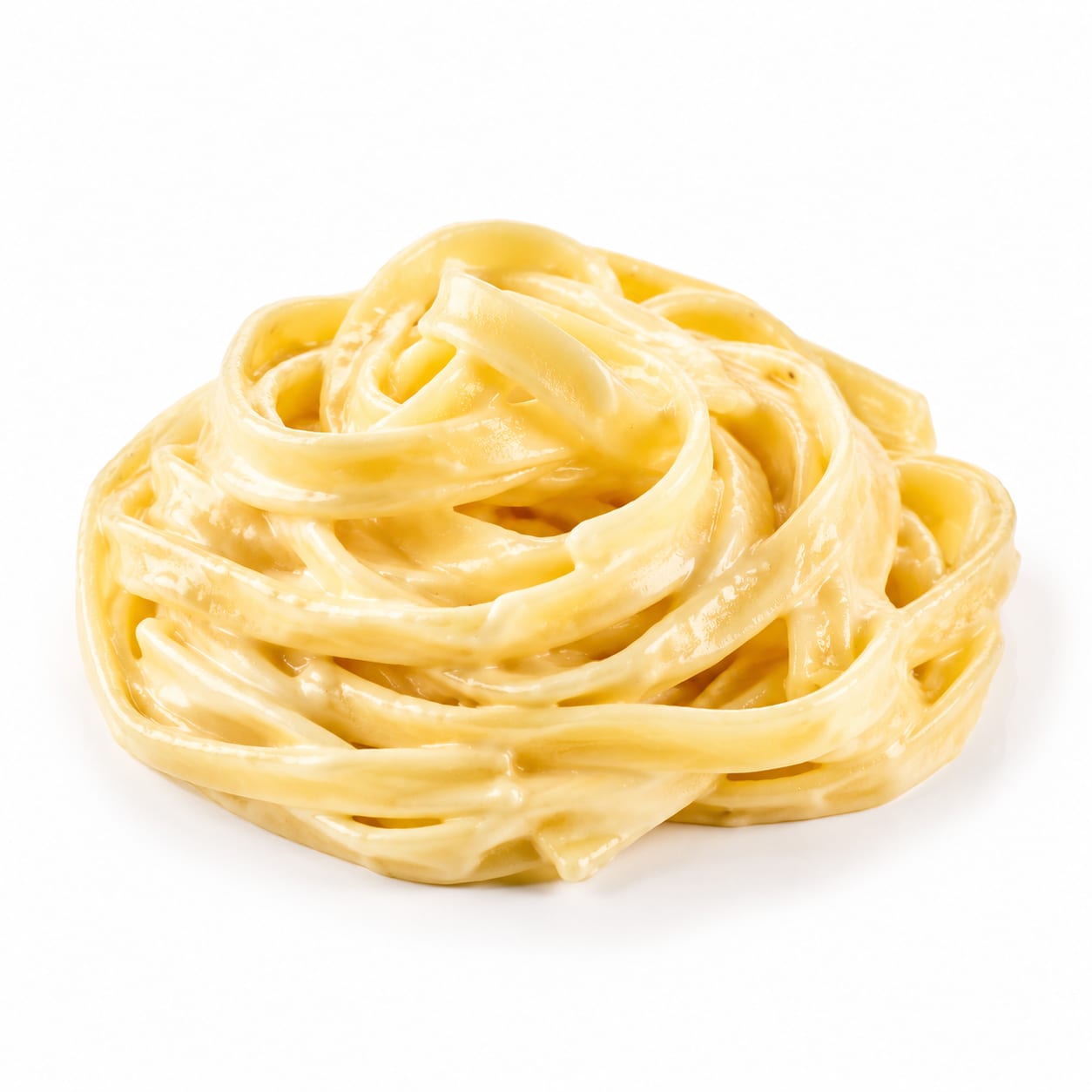
Fettuccine
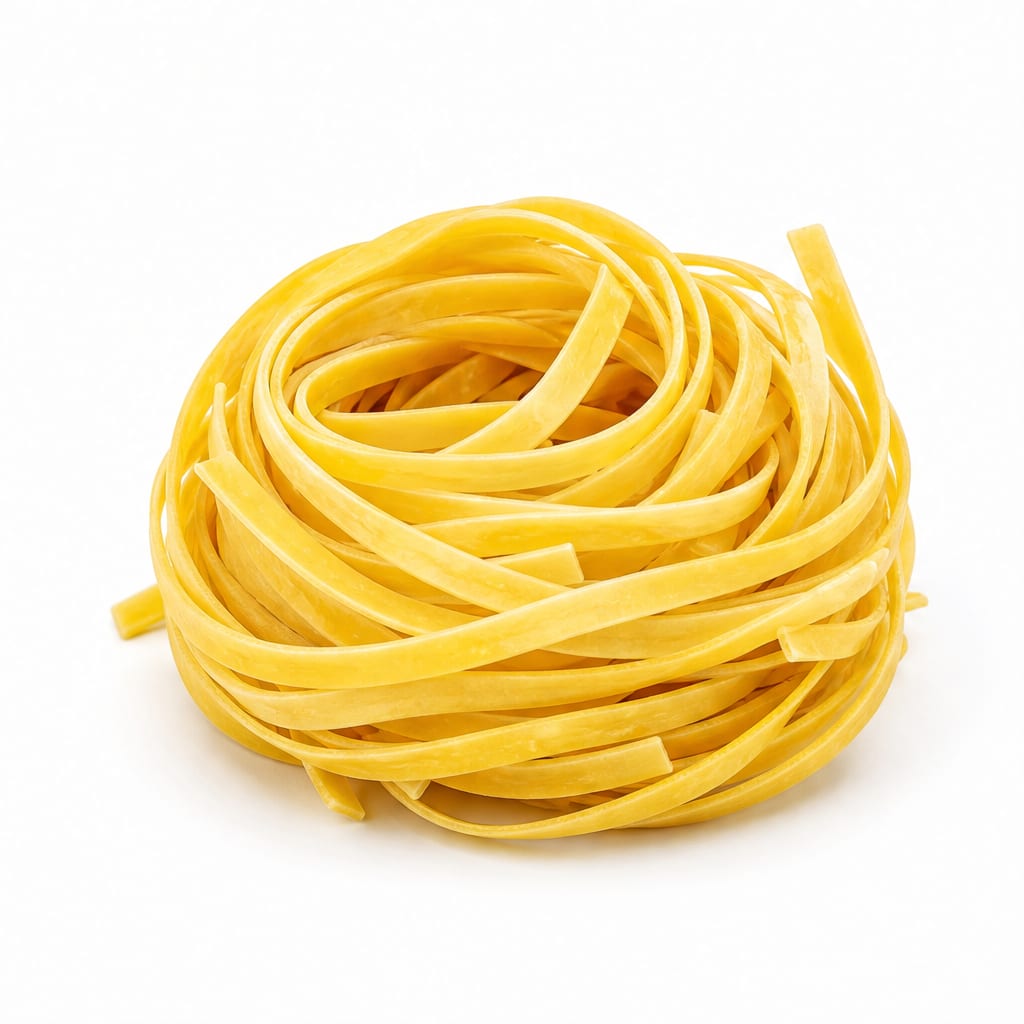
Linguine
Nutritionally identical when uncooked, but Fettuccine typically pairs with heavy cream sauces while Linguine leans lighter, making Linguine the healthier choice in real-world meals.
The pastas themselves are nutritionally equivalent, but Linguine scores slightly higher because its typical pairings are lighter and more health-supportive.
Dense, comforting cream-based meals (Fettuccine) versus lighter, seafood and oil-based meals (Linguine).
At a glance
Executive summary
Overall
It depends
Healthier
Linguine
More practical
It depends
Daily use
Linguine
Key comparison lenses
Sauce pairing and meal heaviness
The shape of each pasta dictates the sauce it holds best, directly impacting the calorie and fat content of the overall meal.
Caloric density of typical preparations
Fettuccine is classically paired with heavy cream sauces, while Linguine leans toward lighter oil or wine-based sauces.
Texture and satiety
Fettuccine is thicker and denser, offering a more substantial bite compared to the thinner, flatter Linguine.
Blood sugar impact
Both are refined carbohydrates with similar glycemic profiles, though sauce pairings can alter the overall blood sugar response.
Best choice for
Fettuccine
- Comforting winter dinners
- Creamy sauce lovers
- High-calorie bulking diets
Linguine
- Light summer meals
- Seafood and pesto pairings
- Calorie-conscious eaters
Least suitable for
Fettuccine
- Light diet plans
- Delicate oil-based sauces
Linguine
- Heavy cream sauces
- Those seeking a dense, heavy comfort meal
Deep comparison
Dimension by dimension
Each lens scores both foods and breaks down who each option suits.
- Dimension 1 · Priority 95Linguine
Meal Caloric Impact
Fettuccine · 60Linguine · 85While the noodles have identical calories by dry weight, Fettuccine's classic Alfredo pairing packs far more calories than Linguine's typical white wine or oil sauces.
Tradeoff
You get a richer, more indulgent meal with Fettuccine, but at a high caloric cost compared to the lighter meals Linguine naturally invites.
Why it matters
Pasta is rarely eaten plain. The sauce it holds best is usually the sauce you will eat most often.
Real-world impact
A Fettuccine Alfredo can easily exceed 1000 calories, while a Linguine with clams might sit comfortably around 500.
Fettuccine
- Satisfying heavy cravings
- Calorie-dense bulking
Better for
- Fat loss goals
- Light eating
Worse for
Linguine
- Weight management
- Lighter everyday dinners
Better for
- Extreme calorie surplus needs
Worse for
- Dimension 2 · Priority 75Fettuccine
Texture and Satiety
Fettuccine · 85Linguine · 75Fettuccine is thicker and denser, offering a more substantial bite that can feel more satisfying per forkful.
Tradeoff
Fettuccine feels heartier and more filling, while Linguine eats a bit lighter and less heavy in the stomach.
Why it matters
Feeling satisfied after a meal prevents later snacking, but feeling overly stuffed can cause sluggishness.
Real-world impact
A bowl of Fettuccine feels like a heavy, comforting hug, whereas Linguine feels like a proper but not overly heavy dinner.
Fettuccine
- Emotional comfort eating
- Feeling physically full
Better for
- Staying energized after eating
Worse for
Linguine
- Avoiding the afternoon food coma
- Warmer weather meals
Better for
- Extreme hunger satisfaction
Worse for
- Dimension 3 · Priority 80Linguine
Dietary Versatility
Fettuccine · 65Linguine · 85Linguine works well with a wider variety of lighter, nutrient-dense sauces like pesto or tomato, making it easier to fit into balanced diets.
Tradeoff
Fettuccine excels at holding rich sauces but struggles with lighter ones, while Linguine handles both light and moderately rich sauces well.
Why it matters
A pasta that plays well with vegetables and lean proteins makes healthy eating easier.
Real-world impact
Linguine makes it easy to toss in shrimp and spinach; Fettuccine practically demands butter and cream to taste right.
Fettuccine
- Hearty, indulgent recipes
Better for
- Delicate flavor profiles
Worse for
Linguine
- Incorporating more seafood
- Pesto and vegetable dishes
Better for
- Thick, chunky meat sauces
Worse for
- Dimension 4 · Priority 60It depends
Blood Sugar Stability
Fettuccine · 70Linguine · 72Both have similar glycemic impacts when cooked al dente. The sauce matters far more for blood sugar than the noodle shape.
Tradeoff
Fettuccine's heavy fat content slows sugar absorption, while Linguine's lighter sauces might digest faster unless paired with fiber and protein.
Why it matters
Preventing blood sugar spikes is crucial for sustained energy and diabetes management.
Real-world impact
Either pasta will spike your blood sugar if overcooked, regardless of shape. The protein and fat in the sauce make the real difference.
Fettuccine
- High-fat meals that slow gastric emptying
Better for
- Large portions of refined carbs
Worse for
Linguine
- Balanced meals with lean protein and veggies
Better for
- Meals lacking protein or fiber
Worse for
Timeline
Health impact over time
Short-term
Hours to days
Fettuccine
- Quick energy from refined carbs
- Can cause sluggishness if paired with heavy cream
Linguine
- Quick energy from refined carbs
- Feels lighter and less likely to cause a food coma
Long-term
Months to years
Fettuccine
- Risk of weight gain if frequently paired with high-fat dairy sauces
- Potential cardiovascular concerns from heavy saturated fat pairings
Linguine
- Easier to maintain a healthy weight with olive oil and seafood pairings
- Better long-term heart health alignment due to typical Mediterranean preparations
Risk profile
Safety & processing
Both standard dried pastas are made from the same refined durum wheat semolina and water, making them equally processed with minimal additives.
Fettuccine
Gluten exposure
highContains wheat, making it unsafe for those with celiac disease or gluten sensitivity.
Linguine
Gluten exposure
highContains wheat, making it unsafe for those with celiac disease or gluten sensitivity.
Who wins for whom
Audience fit
Same foods, different winners depending on your goal.
children
FettuccineKids typically prefer the thicker, comforting bite of Fettuccine with mild cream or butter sauces.
daily consumption
LinguineLinguine's compatibility with lighter, vegetable-heavy sauces makes it a more sustainable daily choice.
diabetes
It dependsBoth are refined carbs that require portion control; the impact depends entirely on the sauce's fat, fiber, and protein content.
elderly
LinguineLinguine is slightly easier to chew and digests lighter, which is often preferable for older adults.
muscle gain
FettuccineFettuccine makes it easier to consume a calorie surplus with dense, high-protein cream sauces.
weight loss
LinguineLinguine pairs naturally with lower-calorie sauces, making it easier to stay in a deficit.
Your move
Decision guide
Choose Fettuccine
- You are craving a rich, comforting cream sauce
- You need a hearty, calorie-dense post-workout meal
- You want a thick noodle that stands up to heavy dairy
Choose Linguine
- You prefer lighter olive oil or wine-based sauces
- You are watching your overall meal calories
- You are serving seafood like clams, mussels, or shrimp
Either works if
- You are making a simple marinara sauce
- You are using a whole wheat or legume-based pasta for fiber
- You just want a quick carb source and both are in the pantry
Avoid both if
- You have a gluten intolerance or celiac disease
- You are on a strict low-carb or keto diet
- You are trying to minimize refined grains
Final recommendation
Choose based on the sauce you want to eat. The noodles are nutritionally identical, but Fettuccine will push you toward heavy, calorie-dense meals, while Linguine naturally guides you toward lighter, healthier plates. For everyday health, Linguine is the safer bet.
Practical
Consumer tips
- 1
The real health decision is the sauce, not the noodle shape.
- 2
Pair Fettuccine with lighter sauces occasionally to enjoy the texture without the heavy calories.
- 3
Always cook pasta al dente to slow down sugar absorption and keep the glycemic index lower.
- 4
Opt for whole wheat or chickpea versions of either pasta to boost protein and fiber significantly.