
Nutrition comparison
Fettuccine vs Egg Noodles: Which Pasta Is Healthier?
Compare fettuccine and egg noodles on protein, calories, cholesterol, and blood sugar impact. Learn which pasta fits your diet and when each one is the better choice.
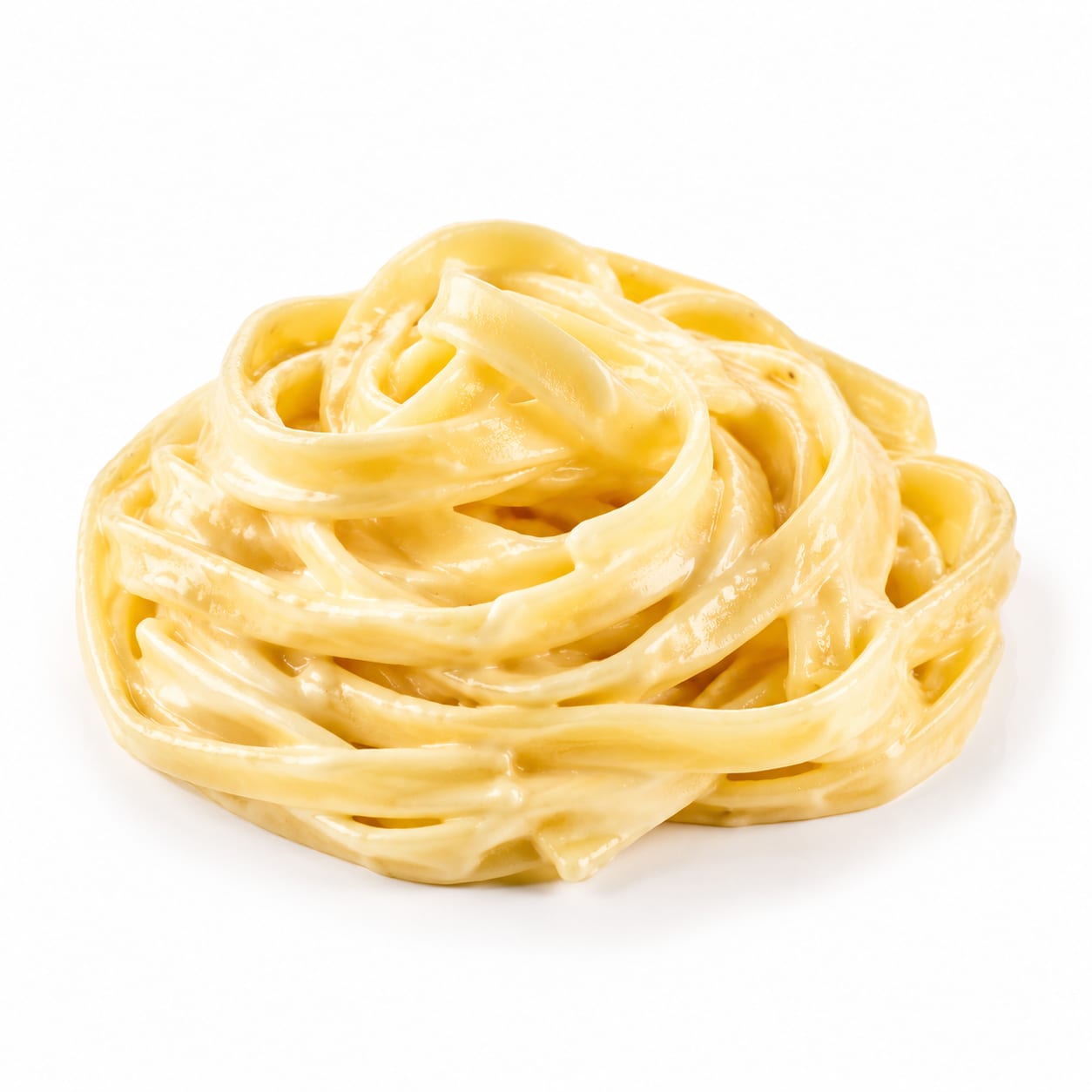
Fettuccine
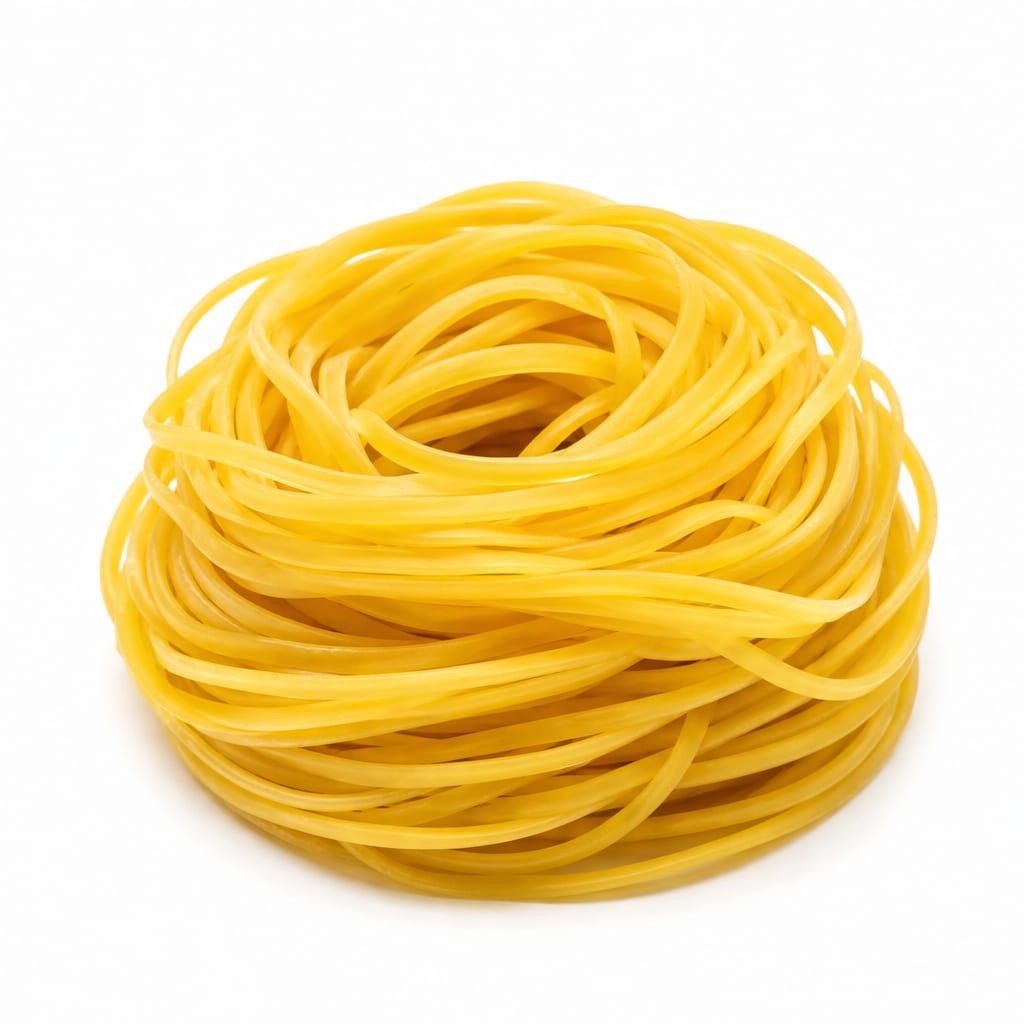
Egg Noodles
Fettuccine and egg noodles are nutritionally similar refined carbs, but egg noodles offer slightly more protein and nutrients from eggs while fettuccine is leaner and vegan-friendly.
Egg noodles edge ahead slightly due to added protein and micronutrients from eggs, but both are refined carbs with similar blood sugar impact. The small gap reflects egg noodles' modest nutritional advantage versus fettuccine's broader dietary compatibility.
Egg noodles give you more protein and richness from eggs, but fettuccine keeps things lighter and works for more dietary restrictions.
At a glance
Executive summary
Overall
It depends
Healthier
It depends
More practical
Fettuccine
Daily use
Fettuccine
Key comparison lenses
Carbohydrate quality and blood sugar impact
Both are refined wheat-based carbs with similar glycemic concerns, making this the central health tradeoff
Protein and nutrient density from eggs
Egg noodles carry additional protein, fat, and micronutrients from eggs, which meaningfully changes their nutritional profile
Comfort food and emotional eating context
Both foods are deeply tied to comforting meals like Alfredo or chicken noodle soup, so emotional eating patterns matter
Dietary restriction compatibility
Fettuccine is typically egg-free and vegan-compatible while egg noodles are not, a key decision factor for many
Cholesterol and heart health considerations
Egg yolks add dietary cholesterol, relevant for those monitoring cardiovascular risk
Best choice for
Fettuccine
- Vegan and egg-free diets
- Lower calorie pasta dishes
- Classic Italian recipes like Alfredo
- Those watching cholesterol intake
- Meal prep where lighter base is preferred
Egg Noodles
- Higher protein meals without adding meat
- Comfort food recipes like stroganoff or casseroles
- Recovery meals needing extra nutrients
- Those wanting richer flavor without added fat
- Traditional Jewish and Eastern European dishes
Least suitable for
Fettuccine
- Those needing higher protein from carb sources
- Egg-free recipes requiring richer texture
- Anyone seeking nutrient density from staple carbs
Egg Noodles
- Vegan diets
- Cholesterol-restricted diets
- Those wanting the lightest possible pasta base
Deep comparison
Dimension by dimension
Each lens scores both foods and breaks down who each option suits.
- Dimension 1 · Priority 85Egg Noodles
Protein Content and Quality
Fettuccine · 40Egg Noodles · 62Egg noodles provide roughly 50% more protein per serving thanks to the eggs, making them a better base for balanced meals.
Tradeoff
The protein boost is real but modest — you still need other protein sources to make either pasta a complete meal.
Why it matters
More protein per bite means steadier energy and less cravings between meals.
Real-world impact
A bowl of egg noodles might keep you satisfied 30-60 minutes longer than the same portion of fettuccine.
Fettuccine
- Anyone relying on pasta as a significant protein source
Worse for
Egg Noodles
- Post-workout meals where every gram of protein counts
- Vegetarians trying to maximize protein from carb sources
Better for
- Dimension 2 · Priority 88Egg Noodles
Blood Sugar Stability
Fettuccine · 38Egg Noodles · 44Egg noodles have a slightly lower glycemic impact because their protein and fat slow digestion, but neither is a blood sugar hero.
Tradeoff
The difference is small — both will spike blood sugar significantly unless paired with fiber, protein, and healthy fats.
Why it matters
Even a small glycemic advantage can mean less of an afternoon energy crash.
Real-world impact
After either pasta, you will likely feel a carb crash within 2 hours if eating it plain. The difference between them is marginal.
Fettuccine
- Anyone monitoring blood sugar closely
Worse for
Egg Noodles
- Those with mild blood sugar concerns wanting every small advantage
Better for
- Dimension 3 · Priority 72Fettuccine
Calorie and Fat Profile
Fettuccine · 65Egg Noodles · 55Fettuccine is slightly lower in calories and significantly lower in fat and cholesterol since it contains no eggs.
Tradeoff
The calorie difference is small per serving, but fettuccine's zero cholesterol gives it a clear heart-health edge.
Why it matters
If you eat pasta frequently, even small differences in fat and cholesterol add up over months.
Real-world impact
A 2-cup serving of fettuccine saves you roughly 20-40 calories and all the dietary cholesterol compared to egg noodles.
Fettuccine
- Weight-conscious eaters tracking every calorie
- Those managing cholesterol levels
Better for
Egg Noodles
- People on strict low-cholesterol diets
Worse for
- Dimension 4 · Priority 78Egg Noodles
Nutrient Density
Fettuccine · 35Egg Noodles · 55Eggs contribute choline, vitamin B12, riboflavin, and folate to egg noodles, giving them a meaningful micronutrient edge.
Tradeoff
These nutrients are helpful but not abundant — egg noodles are still primarily a carb source, not a multivitamin.
Why it matters
Choline and B12 are nutrients many people under-consume, so every source counts.
Real-world impact
Egg noodles contribute small but real amounts of brain-supporting nutrients that fettuccine simply lacks.
Fettuccine
- Those relying on staple carbs for micronutrient contribution
Worse for
Egg Noodles
- Older adults needing more B12
- Anyone eating limited animal products but not fully vegan
Better for
- Dimension 5 · Priority 70Fettuccine
Dietary Restriction Flexibility
Fettuccine · 80Egg Noodles · 30Traditional fettuccine contains only flour and water, making it vegan and egg-allergy safe. Egg noodles exclude both groups.
Tradeoff
Fettuccine's simplicity makes it far more inclusive, but you lose the nutritional benefits eggs provide.
Why it matters
For households with mixed dietary needs, one pasta works for everyone while the other does not.
Real-world impact
Serving fettuccine means vegan guests and egg-allergic kids can eat freely. Egg noodles require checking with everyone first.
Fettuccine
- Vegan and plant-based eaters
- Egg allergy households
- Mixed-diet gatherings needing one safe option
Better for
Egg Noodles
- Vegans
- Anyone with egg allergies
- Strict cholesterol-managed diets
Worse for
- Dimension 6 · Priority 68Egg Noodles
Comfort and Satiety Factor
Fettuccine · 55Egg Noodles · 70Egg noodles have a richer, more tender bite that feels more satisfying and comforting, especially in broth-based dishes.
Tradeoff
That comfort comes from added fat and protein — emotionally filling but not necessarily more nutritious overall.
Why it matters
Food satisfaction drives long-term eating habits. A meal that feels more comforting may reduce snacking later.
Real-world impact
Chicken noodle soup with egg noodles feels like a hug. The same soup with fettuccine feels like pasta in broth — good, but less emotionally resonant.
Fettuccine
- Emotional eaters who find lighter pasta less satisfying
Worse for
Egg Noodles
- Comfort eating that still provides some nutrition
- Recovery from illness when appetite is low
- Cold-weather meals where richness feels right
Better for
Timeline
Health impact over time
Short-term
Hours to days
Fettuccine
- Blood sugar spike within 30-60 minutes if eaten plain
- Quick energy that fades within 2 hours without protein pairing
- Lighter stomach feel compared to egg-based pasta
Egg Noodles
- Blood sugar spike slightly blunted by egg protein and fat
- Longer-lasting fullness compared to plain wheat pasta
- Richer mouthfeel that may reduce the urge to overeat
Long-term
Months to years
Fettuccine
- Regular consumption without protein/fiber pairing may worsen insulin sensitivity
- Zero dietary cholesterol supports heart health over years
- Lower overall calorie intake if portion-controlled
Egg Noodles
- Modest protein contribution supports muscle maintenance with aging
- Dietary cholesterol from eggs may concern those with existing lipid issues
- Choline and B12 intake supports brain health long-term
Risk profile
Safety & processing
Both are processed wheat products with minimal additives. Traditional fettuccine contains just flour and water, while egg noodles add eggs and sometimes a touch of salt. Neither raises significant ultra-processing concerns unless enriched with synthetic vitamins or preservatives in mass-produced versions.
Fettuccine
Wheat gluten exposure
mediumContains gluten — unsafe for celiacs and those with gluten sensitivity. This is inherent to the food, not a contamination issue.
Enrichment additive sensitivity
lowMost commercial fettuccine is enriched with folic acid and iron. Some people report mild reactions to synthetic enrichment, though evidence is limited.
Egg Noodles
Egg allergy and cross-contamination
highContains eggs — a top 8 allergen. Manufacturing facilities may also cross-contaminate with other allergens. Strict avoidance required for egg-allergic individuals.
Dietary cholesterol load with frequent consumption
lowEach serving adds roughly 50-80mg of cholesterol. For most people this is manageable, but those with familial hypercholesterolemia should monitor intake.
Who wins for whom
Audience fit
Same foods, different winners depending on your goal.
children
Egg NoodlesEgg noodles provide choline and B12 for developing brains, and their softer texture and richer flavor appeal more to picky eaters.
daily consumption
FettuccineLower calorie density, zero cholesterol, and broader dietary compatibility make fettuccine a safer everyday staple.
diabetes
Egg NoodlesThe protein and fat in egg noodles slow glucose absorption slightly, but both require careful portioning and pairing with fiber and protein.
elderly
Egg NoodlesB12, choline, and extra protein support brain health and muscle maintenance in aging, making egg noodles nutritionally more useful.
muscle gain
Egg NoodlesExtra protein from eggs gives egg noodles a small but real advantage for muscle support, especially when combined with other protein sources.
weight loss
FettuccineSlightly fewer calories per serving and zero cholesterol make fettuccine the leaner choice, though portion control matters far more than pasta type.
Your move
Decision guide
Choose Fettuccine
- You are vegan or cooking for vegan guests
- You are watching cholesterol or calorie intake closely
- You want a neutral base that lets sauce flavors dominate
- You have egg allergies in your household
- You prefer classic Italian pasta dishes
Choose Egg Noodles
- You want more protein and nutrients from your carb base
- You are making comfort dishes like stroganoff or casseroles
- You are feeding children who benefit from extra choline and B12
- You are recovering from illness and need richer, easier-to-eat food
- You prefer a more tender, satisfying noodle texture
Either works if
- You are pairing pasta with a robust protein source anyway
- Blood sugar management is your primary concern — both require careful portioning
- You are eating pasta only occasionally and the nutritional difference is negligible
Avoid both if
- You have celiac disease or gluten sensitivity
- You are following a strict low-carb or ketogenic diet
- You are trying to minimize refined carbohydrate intake for metabolic health
Final recommendation
Choose fettuccine for lighter, everyday meals and broader dietary compatibility. Choose egg noodles when you want richer flavor, more protein, or are making comfort food where the egg taste matters. The nutritional gap is small — what you pair with your pasta matters far more than which pasta you pick.
Practical
Consumer tips
- 1
Pair either pasta with olive oil, vegetables, and lean protein to blunt blood sugar spikes and make the meal actually balanced
- 2
Whole wheat versions of both fettuccine and egg noodles exist and are meaningfully better for fiber and blood sugar — seek them out
- 3
If using egg noodles, you can skip adding extra butter or oil since the eggs already provide richness
- 4
For fettuccine, add a protein source like chicken, beans, or shrimp to match the satiety you would get from egg noodles
- 5
Check ingredient labels — some commercial egg noodles contain surprisingly little egg, reducing their nutritional advantage
- 6
Cook either pasta al dente to lower the glycemic impact compared to soft, overcooked noodles