
Nutrition comparison
Fettuccine vs Chickpea Pasta: Which Is Actually Better for You?
Chickpea Pasta triples the fiber and doubles the protein of traditional Fettuccine, but is the texture worth the tradeoff? A practical comparison of taste, nutrition, and real-world satisfaction.
Overall winner · Chickpea Pasta
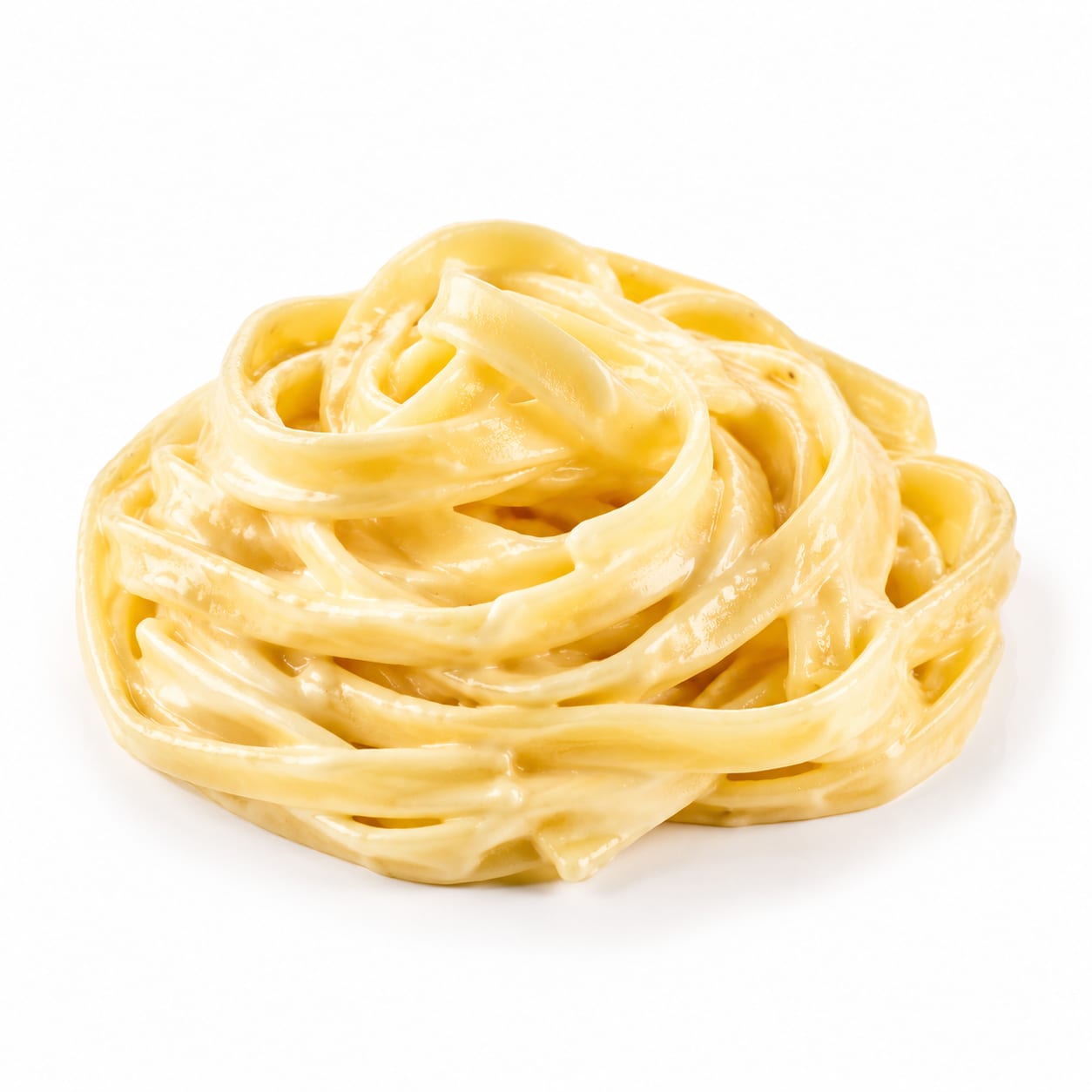
Fettuccine
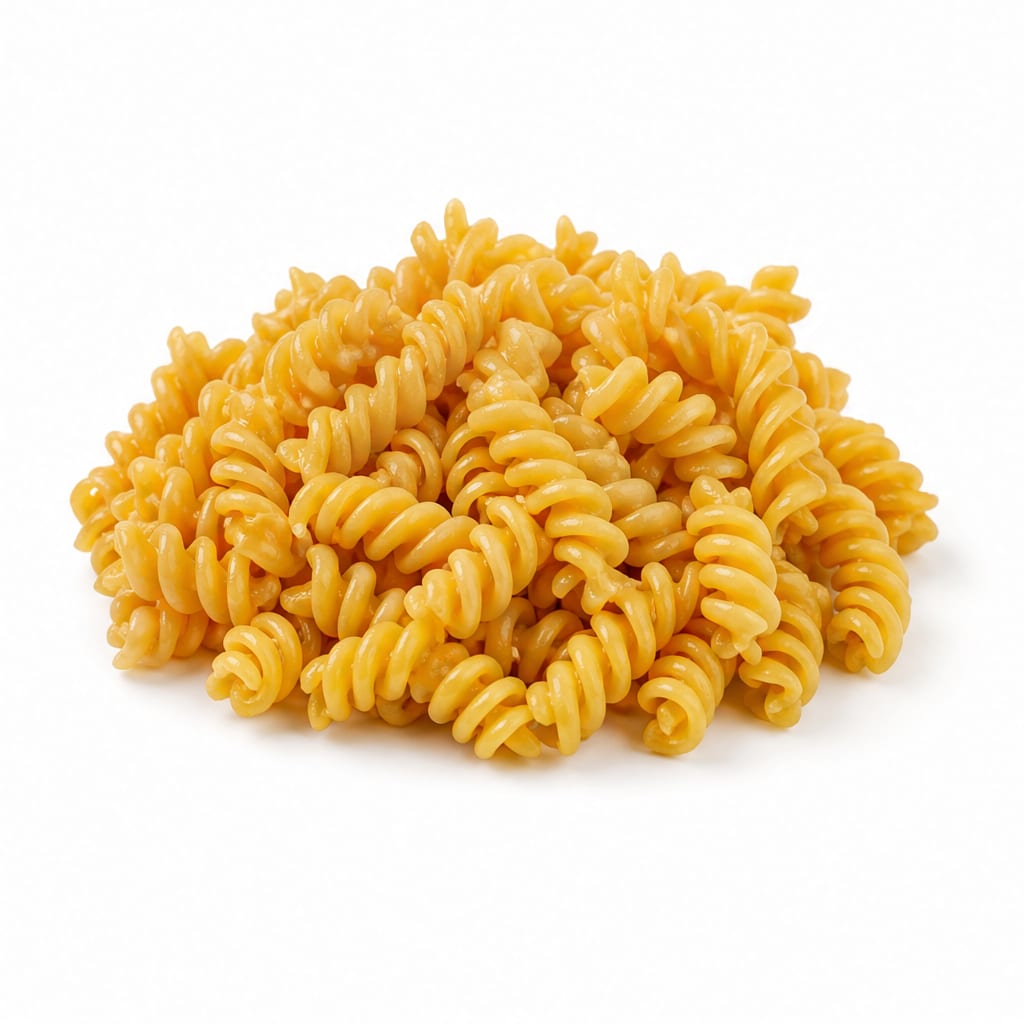
Chickpea Pasta
Chickpea Pasta wins on nutrition and satiety, but Fettuccine delivers the comforting texture and cleaner ingredient list that many people prioritize at dinner.
Chickpea Pasta scores notably higher due to its protein, fiber, and blood sugar advantages. Fettuccine remains competitive on taste, tradition, and ingredient simplicity but falls behind on nutritional density and satiety.
You trade the classic silky mouthfeel and simpler ingredients of Fettuccine for significantly more protein, fiber, and steadier energy with Chickpea Pasta.
At a glance
Executive summary
Overall
Chickpea Pasta
Healthier
Chickpea Pasta
More practical
Fettuccine
Daily use
Chickpea Pasta
Key comparison lenses
blood sugar and energy stability
The fiber and protein gap between these pastas dramatically affects how your body processes the carbs
satiety and hunger management
Chickpea Pasta keeps you full far longer, which changes real-world eating patterns
taste and texture satisfaction
Traditional Fettuccine delivers the classic pasta experience that alternatives struggle to match
protein intake for active lifestyles
Chickpea Pasta roughly doubles the protein, making it relevant for muscle maintenance and recovery
processing and ingredient simplicity
Fettuccine uses fewer ingredients while Chickpea Pasta often includes binders or stabilizers
Best choice for
Fettuccine
- Picky eaters who reject alternative textures
- Traditional Italian recipe authenticity
- People with legume sensitivities
- Budget-conscious households
Chickpea Pasta
- Anyone managing blood sugar concerns
- People trying to increase protein without supplements
- Weight management goals
- Those seeking longer-lasting fullness from meals
Least suitable for
Fettuccine
- People with diabetes or insulin resistance
- Anyone prone to afternoon energy crashes after carb-heavy meals
- Those needing higher protein intake from meals
Chickpea Pasta
- People with chickpea or legume allergies
- Those sensitive to texture changes in comfort foods
- Anyone avoiding processed food ingredients like xanthan gum
Deep comparison
Dimension by dimension
Each lens scores both foods and breaks down who each option suits.
- Dimension 1 · Priority 95Chickpea Pasta
blood sugar stability
Fettuccine · 30Chickpea Pasta · 78Chickpea Pasta causes a much slower, gentler blood sugar rise compared to the rapid spike from traditional Fettuccine.
Tradeoff
You give up the quick energy burst that Fettuccine provides, but you avoid the crash that follows 90 minutes later.
Why it matters
That post-pasta energy crash and hunger rebound is one of the most common reasons people overeat later in the day.
Real-world impact
After a Fettuccine lunch you might feel hungry again by 3pm. After Chickpea Pasta, you are more likely to stay satisfied until dinner.
Fettuccine
- Athletes needing fast carbs right before or after intense exercise
Better for
- Sedentary evenings when quick carbs just sit unused
Worse for
Chickpea Pasta
- Anyone trying to avoid mid-afternoon energy dips
- People monitoring fasting blood sugar
- Those with prediabetes or diabetes
Better for
- Immediate post-workout refueling where fast glycogen replenishment matters
Worse for
- Dimension 2 · Priority 90Chickpea Pasta
satiety and fullness
Fettuccine · 35Chickpea Pasta · 82Chickpea Pasta keeps you full significantly longer thanks to roughly triple the fiber and double the protein.
Tradeoff
The heavier satiety from Chickpea Pasta can feel overly filling if you prefer lighter meals, while Fettuccine lets you eat more volume before feeling full.
Why it matters
Feeling full longer means fewer snacks, less mindless grazing, and better portion control without willpower battles.
Real-world impact
A bowl of Fettuccine often leaves you reaching for something else within two hours. Chickpea Pasta tends to shut down that urge.
Fettuccine
- People who prefer eating smaller, more frequent meals
- Those who find heavy meals uncomfortable before activity
Better for
- Late-night dinners where hunger returns before bed
Worse for
Chickpea Pasta
- Anyone trying to reduce between-meal snacking
- People who skip meals and need one to truly last
- Those managing emotional or boredom eating
Better for
- Light lunches before afternoon workouts when you want to feel nimble
Worse for
- Dimension 3 · Priority 80Chickpea Pasta
protein content and quality
Fettuccine · 25Chickpea Pasta · 75Chickpea Pasta delivers roughly 14g of protein per serving compared to about 5g in traditional Fettuccine.
Tradeoff
Chickpea protein is plant-based and slightly less complete than wheat protein, but the sheer quantity more than compensates.
Why it matters
Getting protein from your pasta means you need less from other sources, simplifying meal planning and reducing the need for added meat or supplements.
Real-world impact
A Chickpea Pasta dinner with marinara sauce already hits a solid protein target. With Fettuccine, you almost certainly need chicken, fish, or tofu on the plate.
Fettuccine
- Meals where you are already adding high-protein sauces or meats
Better for
- Standalone pasta dishes with no protein additions
Worse for
Chickpea Pasta
- Plant-based eaters trying to hit protein goals
- Anyone wanting a balanced meal with fewer components
- Post-workout meals where every gram of protein counts
Better for
- Meals where you want a lighter protein footprint overall
Worse for
- Dimension 4 · Priority 85Fettuccine
taste and texture experience
Fettuccine · 88Chickpea Pasta · 58Fettuccine delivers the silky, tender, authentic pasta experience. Chickpea Pasta has a slightly grainier texture and faint legume flavor.
Tradeoff
You sacrifice some sensory pleasure for nutritional gains, though Chickpea Pasta has improved significantly in recent years.
Why it matters
If a healthy food does not satisfy you, you eventually stop eating it and return to the original. Taste is a sustainability factor.
Real-world impact
In a blind taste test, most people notice Chickpea Pasta is different. With a flavorful sauce, many people do not mind. Eaten plain, the difference is obvious.
Fettuccine
- Dinner parties where you want to impress
- Traditional Italian recipes where texture matters
- Picky eaters and children sensitive to texture changes
Better for
- Situations where taste is not the priority
Worse for
Chickpea Pasta
- Heavily sauced dishes where texture differences are masked
- Pasta salads where firmness is actually preferred
Better for
- Simple butter or olive oil preparations where every flaw shows
- Dishes where a neutral base is essential
Worse for
- Dimension 5 · Priority 82Chickpea Pasta
fiber and digestive health
Fettuccine · 18Chickpea Pasta · 85Chickpea Pasta provides around 8g of fiber per serving versus roughly 2g in regular Fettuccine, a massive difference for gut health.
Tradeoff
If your body is not used to high fiber, Chickpea Pasta can cause bloating or gas initially. Fettuccine is gentler on an unadapted digestive system.
Why it matters
Most people get barely half the fiber they need. Swapping pasta is one of the easiest ways to close that gap without changing your routine.
Real-world impact
Regular Fettuccine contributes almost nothing to your daily fiber goal. Chickpea Pasta covers roughly a quarter of it in one meal.
Fettuccine
- People with IBS or sensitive digestion who flare up with legumes
- Recovery meals after GI illness when you need gentle foods
Better for
- Long-term gut health and microbiome support
Worse for
Chickpea Pasta
- Anyone chronically short on fiber
- People trying to improve gut health through diet
- Those managing cholesterol through food choices
Better for
- First-time users unprepared for the fiber adjustment period
Worse for
- Dimension 6 · Priority 70Fettuccine
ingredient simplicity and processing
Fettuccine · 80Chickpea Pasta · 55Traditional Fettuccine is typically just durum wheat semolina and water. Chickpea Pasta often adds binders like xanthan gum or pea protein isolate.
Tradeoff
Fettuccine has a cleaner label but weaker nutrition. Chickpea Pasta carries minor processing tradeoffs for major nutritional gains.
Why it matters
For people avoiding ultra-processed foods, the ingredient list matters. But the processing here is relatively minimal compared to most packaged foods.
Real-world impact
If you read labels carefully, Fettuccine is refreshingly simple. Chickpea Pasta is still far cleaner than most things in the center aisles.
Fettuccine
- Whole-food purists who want minimal ingredients
- People avoiding gums and food additives
Better for
- People who assume simple ingredients automatically mean healthier outcomes
Worse for
Chickpea Pasta
- Those who prioritize nutrient density over ingredient count
- Anyone already eating a mostly whole-food diet where a gum or two is negligible
Better for
- Strict clean-eating approaches that reject all additives
Worse for
Timeline
Health impact over time
Short-term
Hours to days
Fettuccine
- Quick energy that fades within 1-2 hours
- Likely hunger return before next meal
- Minimal digestive effort, easy on sensitive stomachs
Chickpea Pasta
- Steady energy for 3-4 hours without crashes
- Possible mild bloating if your gut is not fiber-adapted
- Stronger feeling of fullness that reduces snacking urges
Long-term
Months to years
Fettuccine
- Regular blood sugar spikes may contribute to insulin resistance over time
- Low fiber intake offers little support for gut microbiome diversity
- Easier to overconsume calories due to low satiety
Chickpea Pasta
- Better blood sugar patterns may reduce diabetes risk
- High fiber supports gut health, cholesterol management, and regularity
- Higher protein helps preserve muscle mass during aging or calorie deficits
Risk profile
Safety & processing
Fettuccine is about as simple as packaged food gets: wheat and water. Chickpea Pasta adds minor processing ingredients like xanthan gum for texture, but nothing that would concern most health-conscious eaters. The processing gap is real but small.
Fettuccine
glyphosate residue on conventional wheat
lowConventional wheat may carry trace pesticide residues. Choosing organic Fettuccine eliminates this concern entirely.
gluten reactivity
mediumFettuccine contains gluten, which is problematic for those with celiac disease or non-celiac gluten sensitivity.
Chickpea Pasta
legume allergy or intolerance
mediumPeople with chickpea, pea, or legume allergies must avoid Chickpea Pasta entirely. Cross-reactivity with other legumes is possible.
FODMAP sensitivity
mediumChickpeas contain galacto-oligosaccharides that can trigger symptoms in people following a low-FODMAP protocol for IBS.
Who wins for whom
Audience fit
Same foods, different winners depending on your goal.
children
FettuccineKids are often sensitive to texture changes and the classic Fettuccine mouthfeel is more likely to be accepted without complaint.
daily consumption
Chickpea PastaThe nutritional advantages of Chickpea Pasta compound over time, especially fiber and protein intake that most people consistently lack.
diabetes
Chickpea PastaThe fiber and protein combination slows glucose absorption dramatically, leading to smaller and more manageable blood sugar spikes.
elderly
Chickpea PastaOlder adults benefit greatly from extra protein for muscle preservation and fiber for digestive regularity.
muscle gain
Chickpea PastaNearly triple the protein per serving supports muscle repair and growth without needing large portions of added protein.
weight loss
Chickpea PastaHigher protein and fiber make Chickpea Pasta significantly more filling per calorie, reducing the urge to overeat or snack later.
Your move
Decision guide
Choose Fettuccine
- You prioritize the authentic pasta experience and find alternatives unsatisfying
- You have legume allergies or FODMAP sensitivities
- You are cooking for picky eaters who notice texture differences
- You are fueling intense exercise and want fast-digesting carbs
- You prefer a shorter, cleaner ingredient list
Choose Chickpea Pasta
- You want steadier energy without the post-meal crash
- You are trying to eat more protein or fiber without changing your routine
- You are managing blood sugar, weight, or satiety concerns
- You eat pasta frequently and want each serving to do more for you
- You are open to a slightly different texture for meaningful nutritional gains
Either works if
- You only eat pasta occasionally and the nutritional difference is negligible
- You pair pasta with large amounts of protein and vegetables anyway
- You are cooking for a group with mixed dietary priorities
Avoid both if
- You have celiac disease and the product is not certified gluten-free
- You are on a strict very-low-carb or ketogenic diet
- You are in an active IBS flare and need to minimize both gluten and FODMAPs
Final recommendation
For most people eating pasta more than once a week, Chickpea Pasta is the smarter default. The protein, fiber, and blood sugar benefits are substantial and cumulative. Keep Fettuccine for occasions when the authentic experience truly matters to you, but let Chickpea Pasta handle the everyday. The adjustment period is short and the payoff is real.
Practical
Consumer tips
- 1
If transitioning to Chickpea Pasta, start by mixing it 50/50 with regular Fettuccine to adjust your palate gradually.
- 2
Hearty sauces like marinara, pesto, or bolognese mask the slight texture difference in Chickpea Pasta almost entirely.
- 3
Drink extra water when switching to Chickpea Pasta — the fiber increase needs hydration to work comfortably.
- 4
Check labels carefully: some Chickpea Pasta brands blend with rice flour, which reduces the protein and fiber advantage.
- 5
If you experience bloating with Chickpea Pasta, try smaller portions at first and increase over a week as your gut adapts.
- 6
Organic Fettuccine is worth the small premium if you eat it regularly, to avoid glyphosate residue on conventional wheat.