
Nutrition comparison
Fava Beans vs Pinto Beans: Protein, Fiber, Safety, and Which to Eat Daily
Compare fava beans and pinto beans on protein, fiber, cost, safety, and daily practicality. Find out which bean fits your health goals, budget, and lifestyle.
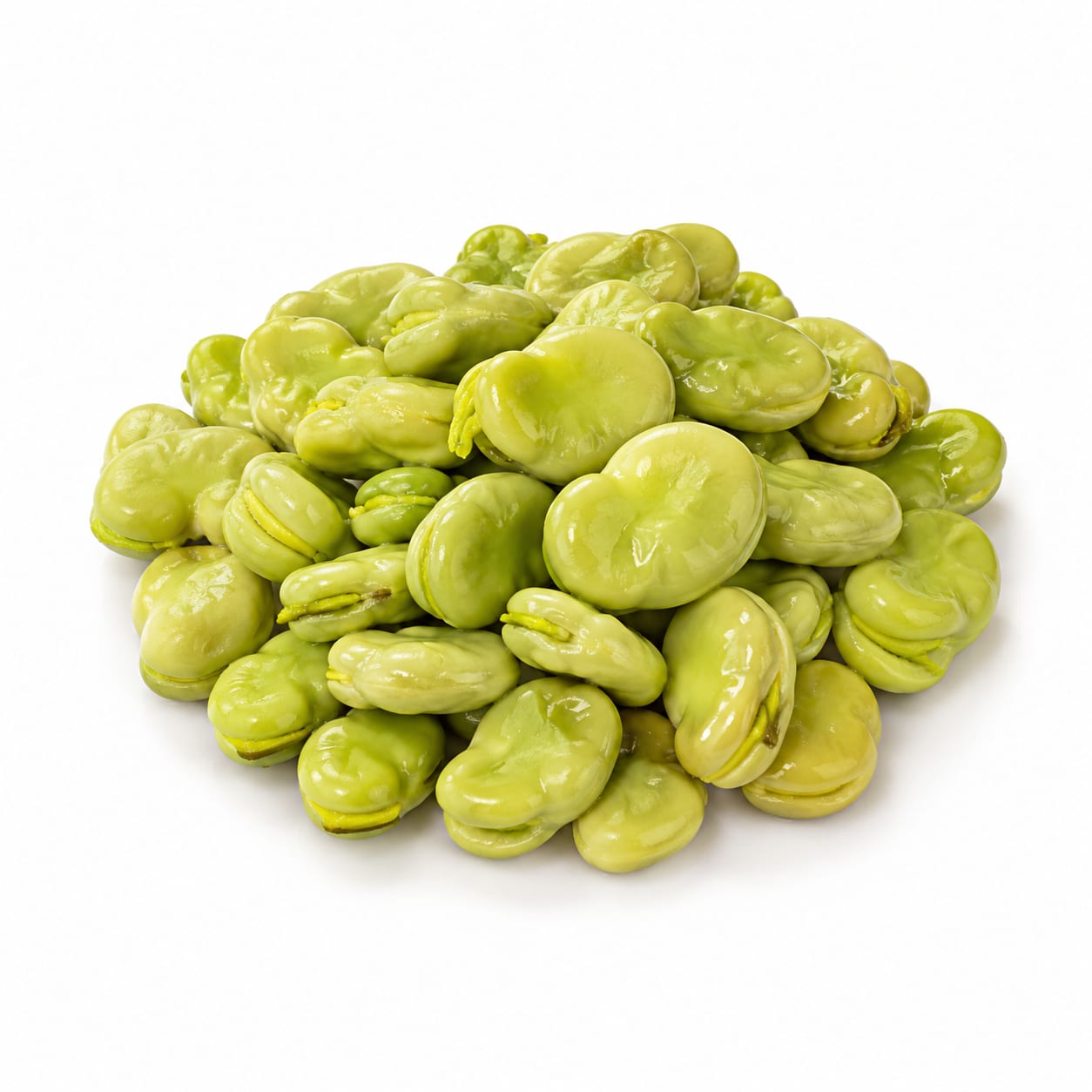
Fava Bean
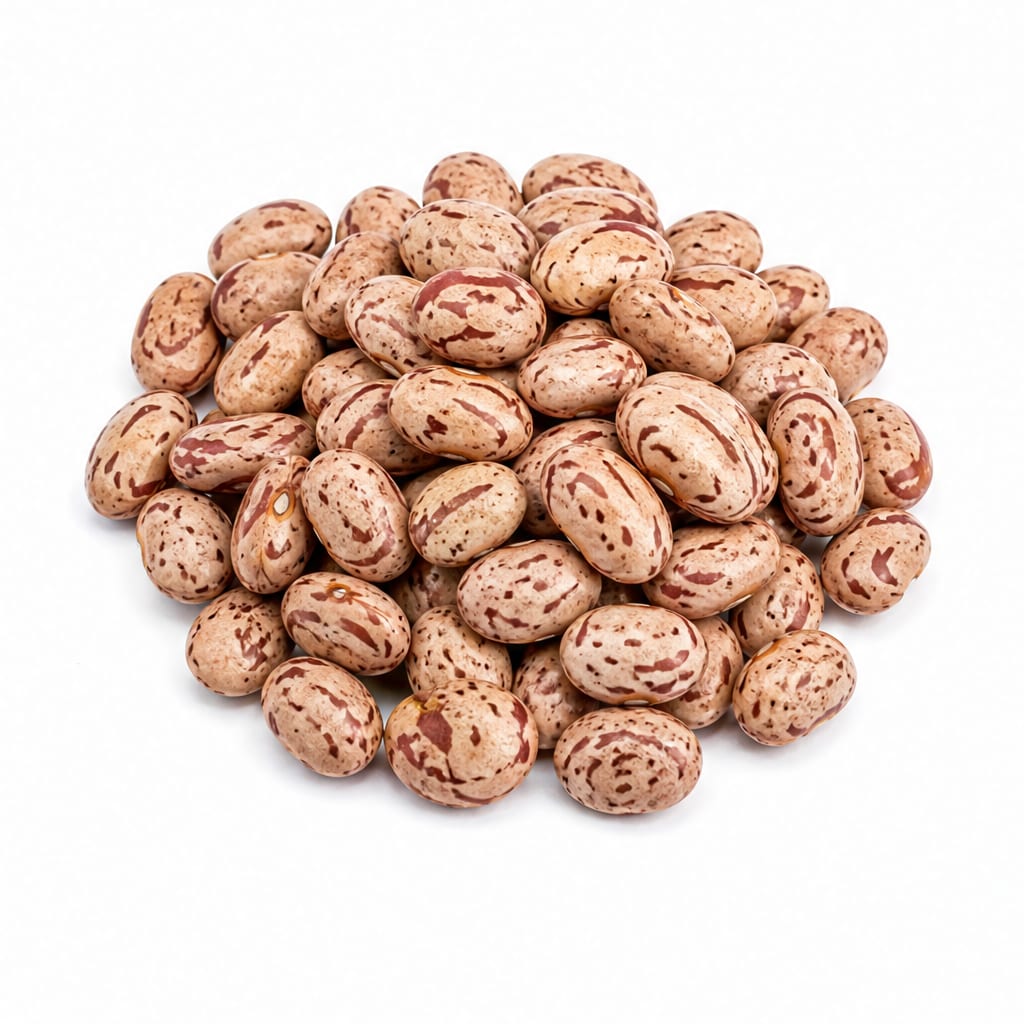
Pinto Beans
Fava beans win on protein and unique nutrients like L-dopa, but pinto beans dominate on fiber, affordability, and everyday practicality.
Pinto beans score higher overall due to superior fiber, lower cost, easier preparation, and wider availability. Fava beans excel in protein and unique micronutrients but lose ground on practicality and the rare but serious favism risk.
Nutritional prestige versus daily convenience — fava beans offer more protein per bite, while pinto beans deliver more fiber and cost far less.
At a glance
Executive summary
Overall
It depends
Healthier
It depends
More practical
Pinto Beans
Daily use
Pinto Beans
Key comparison lenses
Protein density for plant-based diets
Fava beans are notably higher in protein than most legumes, making this a key differentiator for vegetarians and vegans
Everyday practicality and meal integration
Pinto beans are a pantry staple easy to find and cook, while fava beans require more prep and are less accessible
Blood sugar management and fiber benefits
Both are low-glycemic but differ significantly in fiber content, affecting satiety and glucose stability
Safety and genetic sensitivity concerns
Fava beans carry a unique risk for people with G6PD deficiency, a safety factor absent in pinto beans
Cost and long-term dietary sustainability
Pinto beans are far cheaper and more available, making them easier to eat regularly on a budget
Best choice for
Fava Bean
- Athletes and bodybuilders seeking plant protein density
- People with Parkinson's interested in natural L-dopa sources
- Anyone wanting a nutrient-dense addition to salads and grain bowls
- Mediterranean diet followers looking for authentic ingredients
Pinto Beans
- Budget-conscious families needing affordable protein and fiber
- People managing diabetes or blood sugar concerns
- Anyone meal-prepping beans for the week
- Those new to legumes who want an easy, forgiving cooking experience
Least suitable for
Fava Bean
- People with G6PD deficiency due to favism risk
- Anyone short on prep time who cannot shell and peel beans
- Budget-limited households needing cheap bulk protein
Pinto Beans
- People strictly limiting carbohydrate intake
- Those prone to gas and bloating who need lower-fiber options initially
- Cuisines or recipes where a creamier, milder bean would clash
Deep comparison
Dimension by dimension
Each lens scores both foods and breaks down who each option suits.
- Dimension 1 · Priority 92Fava Bean
Protein Content and Quality
Fava Bean · 88Pinto Beans · 68Fava beans deliver roughly 26g of protein per cup cooked compared to about 15g in pinto beans, making them one of the highest-protein legumes available.
Tradeoff
You get significantly more protein from fava beans, but they cost more and take more effort to prepare.
Why it matters
For plant-based eaters, every gram of protein counts. Fava beans close the gap with animal proteins better than most beans.
Real-world impact
A single cup of fava beans covers over half the protein needs of a sedentary adult, while pinto beans cover about a third.
Fava Bean
- Post-workout recovery meals
- Vegans trying to hit higher protein targets
- Anyone replacing meat with a denser plant protein
Better for
- Quick weeknight dinners when prep time matters
Worse for
Pinto Beans
- Meals where protein comes from other sources too
- Casseroles and soups where beans play a supporting role
Better for
- Meals relying solely on beans for protein
Worse for
- Dimension 2 · Priority 88Pinto Beans
Fiber and Digestive Health
Fava Bean · 62Pinto Beans · 90Pinto beans provide about 15g of fiber per cup cooked, while fava beans offer roughly 5g — a dramatic difference for gut health and fullness.
Tradeoff
Pinto beans keep you fuller longer and support better digestion, but the higher fiber can cause gas if you are not used to it.
Why it matters
Fiber is the nutrient most people lack. Pinto beans are one of the easiest ways to close that gap in a single serving.
Real-world impact
A cup of pinto beans at lunch can keep you full until dinner. The same amount of fava beans may leave you snacking sooner.
Fava Bean
- Lighter meals where you do not want to feel overly full
- People easing into legumes who need lower fiber initially
Better for
- Anyone counting on beans for satiety and bowel regularity
Worse for
Pinto Beans
- Weight management through natural appetite control
- Improving gut microbiome diversity
- Managing cholesterol through soluble fiber
Better for
- People with sensitive digestion unaccustomed to high fiber
Worse for
- Dimension 3 · Priority 85Pinto Beans
Blood Sugar Stability
Fava Bean · 70Pinto Beans · 86Both beans are low-glycemic, but pinto beans' higher fiber slows glucose absorption more effectively, giving steadier energy after meals.
Tradeoff
Pinto beans provide more stable blood sugar over hours, while fava beans have slightly faster digestion and less prolonged stabilization.
Why it matters
Steady blood sugar means fewer afternoon energy crashes and less temptation to snack on refined carbs.
Real-world impact
A pinto bean burrito bowl keeps energy smoother for longer than a fava bean salad of equal calories.
Fava Bean
- Pre-workout meals where you want faster-available energy
Better for
- Blood sugar-sensitive individuals needing maximum glucose control
Worse for
Pinto Beans
- Diabetes management and insulin sensitivity
- Long workdays needing sustained focus without crashes
- Preventing the 3pm sugar craving spiral
Better for
- Pre-workout fueling when faster energy release is preferred
Worse for
- Dimension 4 · Priority 82Pinto Beans
Convenience and Preparation
Fava Bean · 40Pinto Beans · 85Pinto beans are easy to soak, cook, or buy canned. Fava beans require shelling and often peeling each individual bean, which is time-consuming.
Tradeoff
Fava beans reward patience with a unique buttery texture and flavor, but pinto beans are ready with minimal effort.
Why it matters
The best healthy food is the one you actually prepare. Complexity kills consistency.
Real-world impact
You can meal-prep a week of pinto beans in under two hours. Fava beans may take double that with all the shelling and blanching.
Fava Bean
- Weekend cooking projects when you have time to enjoy the process
- Special occasion dishes where the unique flavor shines
Better for
- Weeknight cooking after a long workday
- Anyone new to cooking legumes from scratch
Worse for
Pinto Beans
- Sunday meal prep sessions
- Busy parents needing quick nutritious staples
- Anyone using a slow cooker or instant pot regularly
Better for
- Fine dining or impressing guests with something unusual
Worse for
- Dimension 5 · Priority 78Pinto Beans
Cost and Accessibility
Fava Bean · 45Pinto Beans · 92Pinto beans are among the cheapest protein sources on earth and available in every grocery store. Fava beans are pricier and harder to find fresh or dried.
Tradeoff
Pinto beans are a budget superfood you can eat daily. Fava beans are more of a specialty item that costs significantly more per serving.
Why it matters
Nutrition only works if you can afford it and find it. Pinto beans remove both barriers.
Real-world impact
A pound of dried pinto beans costs about one to two dollars and feeds a family for days. Fava beans can cost three to five times that.
Fava Bean
- Specialty recipes where nothing else substitutes
- Farmers market shoppers who enjoy seasonal cooking
Better for
- Fixed-income households
- Rural areas with limited grocery options
Worse for
Pinto Beans
- Families feeding multiple people on a budget
- Long-term food storage and emergency preparedness
- Anyone living far from specialty grocery stores
Better for
- Culinary exploration seeking new flavors and textures
Worse for
- Dimension 6 · Priority 76Fava Bean
Unique Nutritional Benefits
Fava Bean · 90Pinto Beans · 65Fava beans contain L-dopa, a dopamine precursor being studied for Parkinson's disease support, plus higher levels of folate and manganese than pinto beans.
Tradeoff
Fava beans offer compounds no other common bean provides, but these benefits are niche and not something most people need daily.
Why it matters
For specific health conditions, fava beans are functionally closer to medicine than food. For everyone else, the advantage is modest.
Real-world impact
Someone with early Parkinson's might intentionally eat fava beans for L-dopa. Most people will not notice a meaningful difference.
Fava Bean
- Neurological health optimization
- Pregnancy nutrition needing extra folate
- Bone health support through higher manganese
Better for
- People who do not need or benefit from L-dopa
Worse for
Pinto Beans
- Heart health through cholesterol-lowering soluble fiber
- General wellness without targeting specific conditions
Better for
- Anyone specifically seeking L-dopa or peak folate intake
Worse for
- Dimension 7 · Priority 80Pinto Beans
Safety and Tolerance
Fava Bean · 55Pinto Beans · 88Fava beans can trigger hemolytic anemia in people with G6PD deficiency, a genetic condition affecting millions worldwide. Pinto beans have no comparable risk.
Tradeoff
Fava beans are safe for most people but carry a serious risk for a specific population. Pinto beans are safe for nearly everyone.
Why it matters
If you have G6PD deficiency and do not know it, eating fava beans can cause a medical emergency. This is not a minor concern in affected populations.
Real-world impact
In Mediterranean, African, and Southeast Asian populations where G6PD deficiency is common, fava beans require caution. Pinto beans never do.
Fava Bean
- People who have been tested and confirmed G6PD-normal
Better for
- People with unknown G6PD status from high-risk populations
- Children who have not been screened
Worse for
Pinto Beans
- Anyone unaware of their G6PD status
- Community potlucks and shared meals where guest health is unknown
- Households with mixed genetic backgrounds
Better for
- No significant safety concerns for any population
Worse for
Timeline
Health impact over time
Short-term
Hours to days
Fava Bean
- Higher protein intake supports muscle repair after exercise
- Lower fiber means less bloating if you are sensitive to legumes
- Risk of acute hemolytic reaction in G6PD-deficient individuals
Pinto Beans
- High fiber creates strong fullness that reduces between-meal snacking
- Initial gas and bloating likely if your body is not used to high fiber
- Very stable energy with no sugar spike or crash
Long-term
Months to years
Fava Bean
- L-dopa intake may support dopamine-related neurological health over years
- Consistent high folate intake benefits cardiovascular and brain health
- Lower lifetime fiber intake could mean less gut microbiome diversity than pinto bean eaters
Pinto Beans
- Superior long-term gut health and bowel regularity from consistent high fiber
- Better cholesterol management through daily soluble fiber intake
- Stronger blood sugar control reducing diabetes risk over decades
Risk profile
Safety & processing
Both fava beans and pinto beans are whole foods in their natural state. Canned versions of either may contain added sodium, but rinsing removes most of it. Neither raises ultra-processing concerns.
Fava Bean
Favism in G6PD-deficient individuals
highCan cause acute hemolytic anemia in people with G6PD deficiency, which affects up to 400 million people globally. Most common in Mediterranean, African, and Southeast Asian populations.
Raw fava bean toxicity
mediumRaw fava beans contain vicine and convicine that can cause illness even in people without G6PD deficiency. Always cook thoroughly.
Pinto Beans
Lectin content in undercooked beans
mediumLike all kidney bean relatives, undercooked pinto beans contain phytohaemagglutinin which can cause nausea and vomiting. Proper cooking eliminates this risk.
Canned sodium content
lowCanned pinto beans often contain added salt. Rinsing reduces sodium by about 40 percent, or choose no-salt-added varieties.
Who wins for whom
Audience fit
Same foods, different winners depending on your goal.
children
Pinto BeansPinto beans are safer for children who may not know their G6PD status, easier to prepare as mild refried beans, and more palatable for picky eaters.
daily consumption
Pinto BeansLower cost, easier prep, wider availability, and no genetic safety concerns make pinto beans the more sustainable daily staple for most people.
diabetes
Pinto BeansSuperior fiber content slows glucose absorption more effectively, providing steadier blood sugar and better long-term insulin sensitivity.
elderly
Pinto BeansHigher fiber supports the digestive regularity that older adults often struggle with, and the softer texture of cooked pinto beans is easier to chew and digest.
muscle gain
Fava BeanFava beans provide nearly double the protein per cup, making them more efficient for muscle repair and growth in plant-based athletes.
weight loss
Pinto BeansHigher fiber in pinto beans creates stronger satiety with fewer calories consumed overall, making it easier to eat less without feeling deprived.
Your move
Decision guide
Choose Fava Bean
- You are a plant-based athlete needing maximum protein per serving
- You have been tested and confirmed you do not have G6PD deficiency
- You want to explore L-dopa benefits for neurological health
- You enjoy cooking and want a unique, buttery-textured bean for special dishes
- You eat beans occasionally rather than daily and want peak nutrition when you do
Choose Pinto Beans
- You want an affordable, everyday bean you can eat multiple times per week
- Blood sugar management or diabetes prevention is a priority
- You need high fiber for gut health, cholesterol, or weight management
- You are meal-prepping or cooking for a family on a budget
- You are unsure of your G6PD status or have Mediterranean, African, or Southeast Asian heritage
Either works if
- You simply want more legumes in your diet and both are available
- You rotate beans for nutrient diversity, which is ideal for gut microbiome health
- You are already eating a balanced diet and neither bean fills a critical gap
Avoid both if
- You have a severe legume allergy
- You are in the acute phase of a low-FODMAP elimination diet
- You cannot tolerate any beans due to chronic digestive conditions without medical guidance
Final recommendation
Make pinto beans your daily driver and treat fava beans as a nutritional upgrade when you have the time and budget. Pinto beans give you more fiber, more fullness, and more savings per serving. Fava beans give you more protein and unique compounds worth having, but at higher cost and with a safety caveat. The smartest approach is eating both across the week — pinto beans most days, fava beans when you want something special.
Practical
Consumer tips
- 1
If buying canned pinto beans, rinse thoroughly to remove about 40 percent of the added sodium
- 2
Dried fava beans often need overnight soaking plus individual skin removal after blanching — plan for extra prep time
- 3
If you have Mediterranean, African, or Southeast Asian ancestry, ask your doctor about G6PD testing before eating fava beans regularly
- 4
Start with small portions of either bean and increase gradually to let your gut adjust and minimize gas
- 5
Cook pinto beans with a piece of kombu seaweed — it helps break down gas-causing oligosaccharides
- 6
Freeze cooked beans in portioned bags so you always have ready-to-use legumes without the prep time
- 7
Mix both beans together in soups and stews for a broader amino acid and nutrient profile