
Nutrition comparison
Fava Beans vs Mung Beans: Nutrition, Digestion, and Which to Choose
Compare Fava Beans and Mung Beans side by side. Learn which has more protein, which is easier to digest, and the critical G6PD safety concern that could affect your choice.
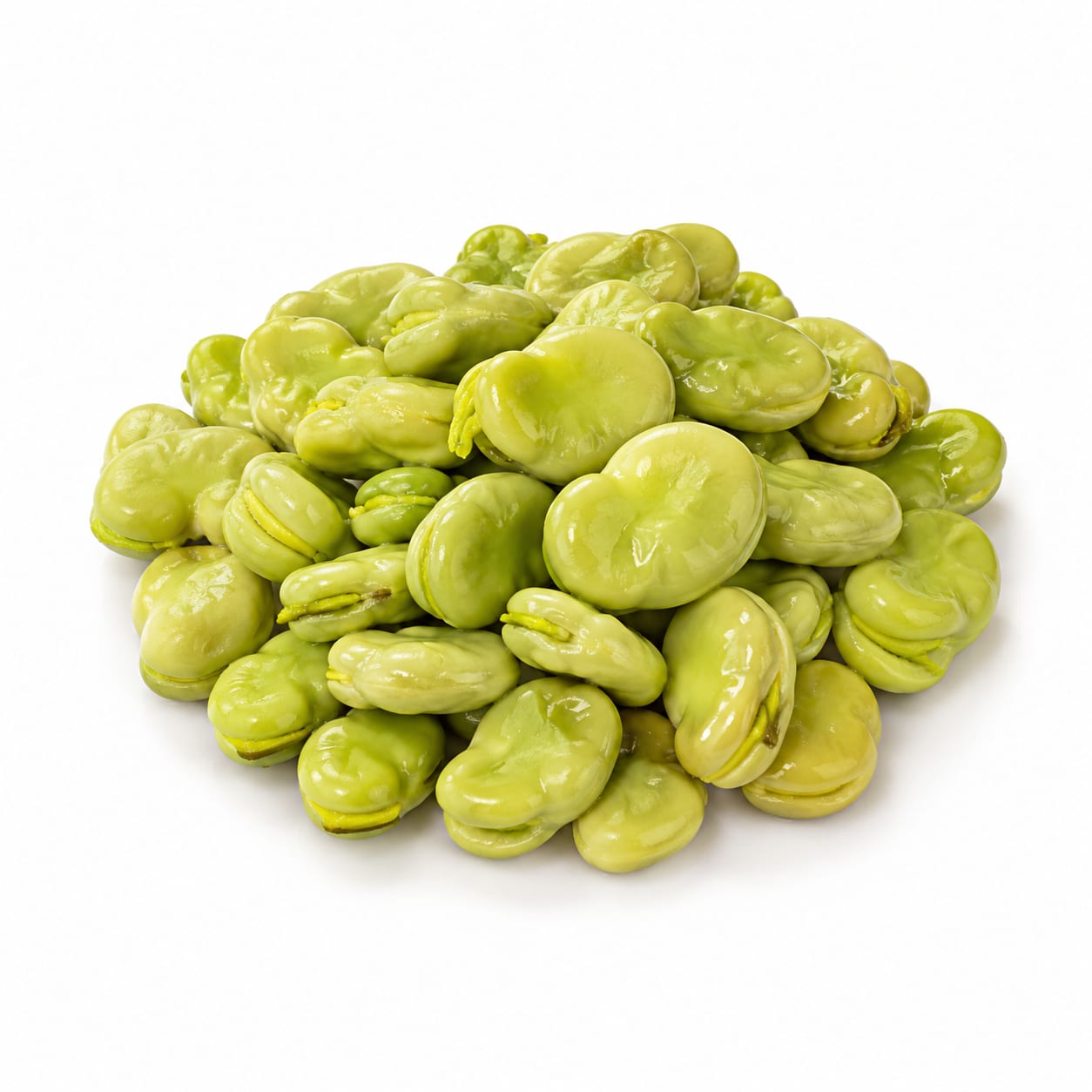
Fava Bean
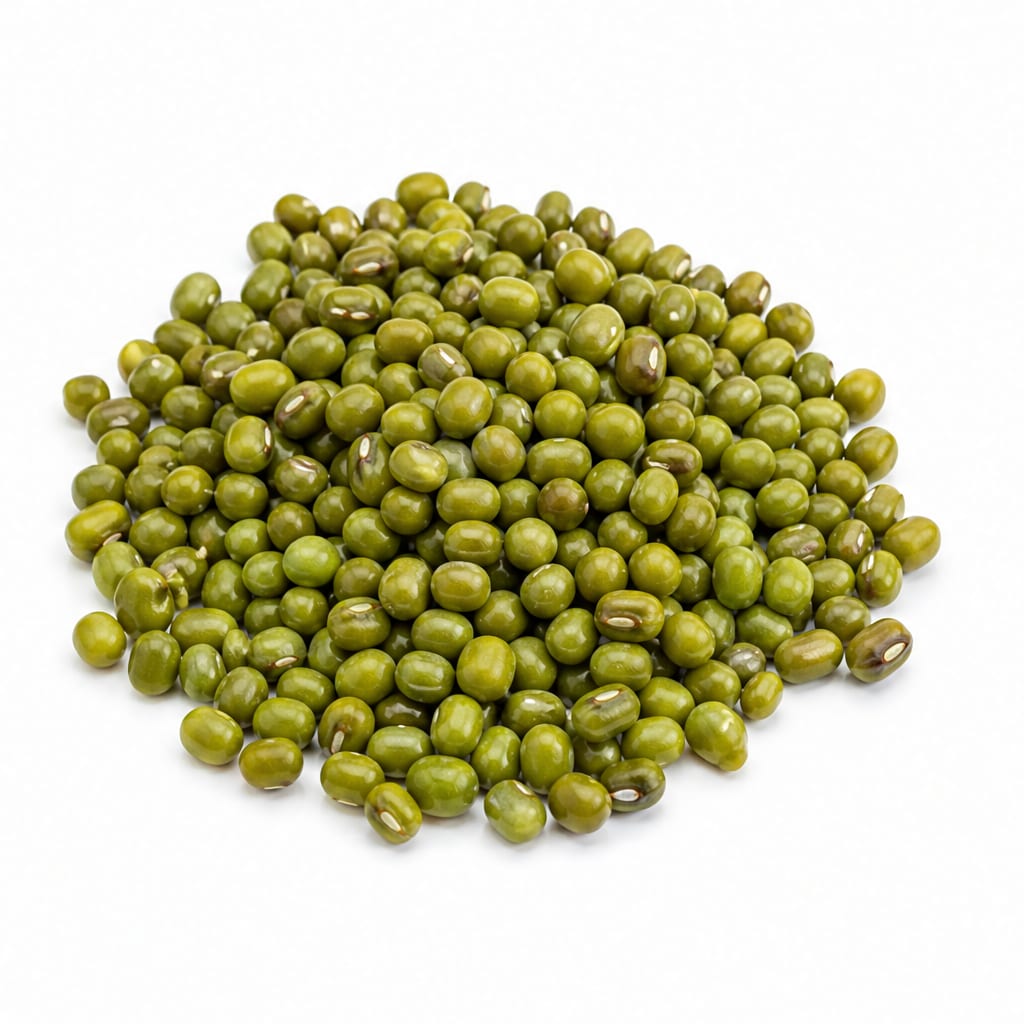
Mung Beans
Fava Beans deliver more protein and iron per bite, but Mung Beans win on digestibility, convenience, and safety for a wider range of people.
Mung Beans score slightly higher overall due to broader digestibility, easier preparation, and fewer safety concerns. Fava Beans excel in raw nutrient density but lose points on accessibility and the G6PD risk that excludes a meaningful portion of the population.
You choose between Fava Beans' superior nutrient density and Mung Beans' gentler digestion and easier preparation.
At a glance
Executive summary
Overall
It depends
Healthier
It depends
More practical
Mung Beans
Daily use
Mung Beans
Key comparison lenses
plant protein quality and quantity
Both are legumes prized for protein content, but their amino acid profiles and protein density differ meaningfully
digestive tolerance and gut comfort
Fava Beans are notoriously harder to digest for some people, while Mung Beans are considered one of the easiest legumes on the stomach
safety and genetic conditions
Fava Beans carry a unique medical risk for people with G6PD deficiency that Mung Beans do not
convenience and preparation effort
Mung Beans cook faster and sprout easily, while Fava Beans require more prep including shelling and blanching
blood sugar management
Both are low-glycemic legumes but their fiber profiles and starch compositions affect blood sugar differently
Best choice for
Fava Bean
- Athletes and bodybuilders seeking maximum plant protein per serving
- People with iron deficiency needing a natural iron boost
- Anyone looking to support dopamine production through dietary L-dopa
- Mediterranean diet followers wanting traditional ingredients
Mung Beans
- People with sensitive digestion or IBS who struggle with most legumes
- Busy home cooks wanting a fast-cooking, low-prep legume
- Anyone with G6PD deficiency who must avoid Fava Beans
- Those who enjoy sprouting their own fresh greens at home
Least suitable for
Fava Bean
- People with G6PD deficiency due to favism risk
- Those prone to bloating and gas from high-fiber legumes
- Anyone wanting quick weeknight meals with minimal prep
Mung Beans
- Those needing maximum protein density per calorie
- People looking for significant dietary iron intake
- Anyone wanting a substantial, heavy base for a main dish
Deep comparison
Dimension by dimension
Each lens scores both foods and breaks down who each option suits.
- Dimension 1 · Priority 92Fava Bean
Protein Content and Quality
Fava Bean · 86Mung Beans · 72Fava Beans pack noticeably more protein per serving, making them a stronger choice for muscle maintenance and satiety.
Tradeoff
Fava Beans give you more protein but come with harder digestion that can reduce how well you actually absorb nutrients.
Why it matters
Higher protein per bite means fewer calories needed to hit your daily target, which matters for anyone tracking macros.
Real-world impact
A cup of Fava Beans gets you closer to your protein goal faster, but you might feel uncomfortably full or bloated afterward.
Fava Bean
- Post-workout recovery meals
- Plant-based athletes hitting high protein targets
- Anyone trying to feel full on fewer calories
Better for
- Evening meals when you want to sleep comfortably
- Pre-workout fueling when you need light digestion
Worse for
Mung Beans
- Light protein intake spread across the day
- Older adults who need gentle, easy-to-digest protein
Better for
- Meals where protein density is the primary goal
- Bodybuilding calorie-surplus phases
Worse for
- Dimension 2 · Priority 88Mung Beans
Digestive Comfort
Fava Bean · 52Mung Beans · 89Mung Beans are famously one of the easiest legumes to digest, while Fava Beans are a common trigger for bloating and gas.
Tradeoff
Choosing Fava Beans for their nutrients may cost you digestive comfort, especially if legumes already challenge your stomach.
Why it matters
Poor digestion does not just cause discomfort. It can reduce nutrient absorption and make you avoid healthy foods altogether.
Real-world impact
Mung Beans feel light and comfortable after eating. Fava Beans can leave you feeling heavy and gassy for hours.
Fava Bean
- People with very robust digestion who tolerate all legumes well
Better for
- First dates or social meals where bloating matters
- Work lunches before afternoon meetings
- Evening meals close to bedtime
Worse for
Mung Beans
- IBS sufferers looking for a safe legume
- Anyone introducing legumes into their diet for the first time
- Older adults with slowing digestion
- Recovery meals after stomach illness
Better for
- Situations where digestive comfort is not a concern and nutrient density is prioritized
Worse for
- Dimension 3 · Priority 75Mung Beans
Blood Sugar Stability
Fava Bean · 74Mung Beans · 82Both legumes are low-glycemic, but Mung Beans have a slight edge due to their fiber composition and easier digestion supporting steadier glucose uptake.
Tradeoff
The difference is modest. Both are excellent choices compared to grains or starchy sides.
Why it matters
Steadier blood sugar means fewer energy crashes and less craving for snacks between meals.
Real-world impact
Either bean will keep you satisfied longer than rice or bread, but Mung Beans may give you slightly smoother, more predictable energy.
Fava Bean
- Meals paired with vegetables and healthy fats where glycemic impact is already minimized
Better for
- Blood sugar-sensitive individuals who also struggle with digestion, since poor digestion can cause unpredictable glycemic responses
Worse for
Mung Beans
- Diabetics seeking the most predictable blood sugar response
- Pre-diabetics building a low-glycemic eating pattern
Better for
- Dimension 4 · Priority 80Mung Beans
Convenience and Preparation
Fava Bean · 45Mung Beans · 88Mung Beans cook quickly, sprout easily on your counter, and need minimal prep. Fava Beans require shelling, blanching, and peeling.
Tradeoff
Fava Beans reward your effort with richer flavor and denser nutrition, but the time investment is real.
Why it matters
Inconvenient foods get cooked less often, which means their theoretical nutritional advantages never materialize in practice.
Real-world impact
Mung Beans can go from pantry to plate in 20 minutes. Fava Beans can take 45 minutes of active prep before cooking even starts.
Fava Bean
- Weekend cooking projects when you have time
- Special occasion meals where the effort is part of the experience
Better for
- Quick lunch breaks
- Meal prep for the week when time is limited
- Beginner cooks intimidated by multi-step prep
Worse for
Mung Beans
- Weeknight dinners after a long workday
- Meal prep sessions where efficiency matters
- Sprouting for fresh salad toppings in 2-3 days
Better for
- Dimension 5 · Priority 85Mung Beans
Safety and Medical Risk
Fava Bean · 55Mung Beans · 92Fava Beans carry a unique risk of favism, a serious hemolytic reaction in people with G6PD deficiency. Mung Beans have no equivalent medical contraindication.
Tradeoff
Fava Beans are perfectly safe for most people, but the favism risk means they require awareness that Mung Beans do not.
Why it matters
G6PD deficiency affects roughly 400 million people worldwide. Many are undiagnosed. A first reaction can be severe and frightening.
Real-world impact
If you have G6PD deficiency and eat Fava Beans, you could end up in the emergency room with acute anemia. Mung Beans carry no such risk.
Fava Bean
- People who have confirmed they do not have G6PD deficiency
Better for
- Children who have not been tested for G6PD deficiency
- Pregnant women in populations with higher G6PD prevalence
Worse for
Mung Beans
- Anyone unsure of their G6PD status
- Families cooking for groups where medical histories are unknown
- Community potlucks and shared meals
- People with any autoimmune or blood condition who want to minimize risk
Better for
- Dimension 6 · Priority 78Fava Bean
Iron and Micronutrient Density
Fava Bean · 84Mung Beans · 68Fava Beans deliver significantly more iron, folate, and manganese per serving, making them a micronutrient powerhouse.
Tradeoff
Higher iron is valuable but only if your body can absorb it. The phytic acid in Fava Beans can reduce iron uptake, especially without vitamin C pairing.
Why it matters
Iron deficiency is the most common nutrient deficiency globally, and plant-based eaters are at higher risk.
Real-world impact
A serving of Fava Beans covers a meaningful chunk of your daily iron needs. Mung Beans contribute less but are still respectable.
Fava Bean
- Vegetarians and vegans who need to maximize iron from every meal
- Women of reproductive age with higher iron requirements
- Anyone diagnosed with mild iron deficiency
Better for
- Meals not paired with vitamin C sources where iron absorption will be limited
Worse for
Mung Beans
- People with hemochromatosis or iron overload concerns
- Those who already eat iron-rich foods regularly
Better for
- Plant-based eaters relying on a limited number of iron sources
Worse for
Timeline
Health impact over time
Short-term
Hours to days
Fava Bean
- Noticeable fullness and satiety after eating due to high protein and fiber
- Potential bloating and gas, especially if you are not used to high-fiber legumes
- Steady energy without a sugar crash
- Risk of acute hemolytic reaction in people with undiagnosed G6PD deficiency
Mung Beans
- Light, comfortable fullness without heaviness
- Minimal digestive discomfort even for legume-sensitive people
- Stable blood sugar with no energy dip
- Quick preparation means you are more likely to actually eat them regularly
Long-term
Months to years
Fava Bean
- Stronger support for muscle maintenance and anemia prevention due to higher iron and protein
- Potential L-dopa benefits for dopamine-related conditions including Parkinson's support
- Consistent intake may improve folate status significantly
- Regular consumption requires confident G6PD status awareness
Mung Beans
- Improved gut health and microbiome diversity from highly tolerable fiber
- Easier long-term adherence to legume-inclusive eating patterns due to low digestive burden
- Anti-inflammatory benefits from mung bean's documented antioxidant compounds
- Sustained blood sugar management with minimal dietary disruption
Risk profile
Safety & processing
Both Fava Beans and Mung Beans are whole, minimally processed foods when purchased dried or fresh. Neither typically contains additives. Canned versions may contain added sodium, so check labels. Both are about as natural as food gets.
Fava Bean
Favism (G6PD deficiency reaction)
highCan trigger acute hemolytic anemia in people with G6PD deficiency. This is a serious medical event requiring emergency care. Affects an estimated 400 million people globally, with higher prevalence in Mediterranean, African, and Southeast Asian populations.
Digestive discomfort from oligosaccharides
mediumComplex sugars in Fava Beans can cause significant gas and bloating, especially when undercooked or when the consumer is unaccustomed to high-fiber foods.
L-dopa interaction with Parkinson's medications
mediumFava Beans contain natural L-dopa which can interact with levodopa medications. Parkinson's patients should consult their neurologist before eating large amounts.
Mung Beans
Raw sprout bacterial contamination
mediumHome-sprouted Mung Beans can harbor Salmonella or E. coli if sprouted in warm, humid conditions without proper hygiene. Pregnant women and immunocompromised people should cook sprouts thoroughly.
Mild digestive adjustment
lowThough among the easiest legumes to digest, sudden large portions can still cause temporary bloating in people new to high-fiber diets.
Who wins for whom
Audience fit
Same foods, different winners depending on your goal.
children
Mung BeansMung Beans are gentler on small digestive systems and carry no favism risk. Many children with undiagnosed G6PD deficiency would be endangered by Fava Beans.
daily consumption
Mung BeansDaily use demands foods that are easy to prepare, gentle on the stomach, and safe for everyone at the table. Mung Beans meet all three criteria more consistently than Fava Beans.
diabetes
Mung BeansBoth are low-glycemic, but Mung Beans offer slightly more predictable blood sugar responses and their easier digestion supports better metabolic regularity.
elderly
Mung BeansDigestive comfort becomes more important with age, and Mung Beans are significantly easier on aging digestive systems. Their quick cooking also suits smaller, more frequent meals.
muscle gain
Fava BeanFava Beans deliver more protein and iron per serving, both critical for muscle repair and growth. The higher calorie density also supports the surplus needed for gaining.
weight loss
Mung BeansMung Beans are lower in calories per serving and easier to digest, making it simpler to maintain the consistent eating patterns that weight loss requires. Fava Beans are more filling per bite but their heaviness can trigger compensatory eating later.
Your move
Decision guide
Choose Fava Bean
- You have confirmed you do not have G6PD deficiency and want maximum nutrient density
- You are a plant-based athlete prioritizing protein and iron intake
- You are specifically seeking dietary L-dopa for dopamine or Parkinson's support
- You enjoy Mediterranean cooking and have time for proper preparation
Choose Mung Beans
- You want a legume you can eat daily without digestive complaints
- You have sensitive digestion, IBS, or are new to eating legumes regularly
- You value quick cooking and easy meal prep during busy weeks
- You want to sprout your own fresh greens at home
- You are cooking for a group and cannot verify everyone's G6PD status
Either works if
- You tolerate legumes well and want variety in your plant protein sources
- You are building a rotation of different beans for gut microbiome diversity
- You are neither iron-deficient nor iron-overloaded and just want solid nutrition
Avoid both if
- You have a diagnosed legume allergy
- You are on a strict very-low-fiber diet for a medical procedure or condition
- You cannot tolerate any pulses due to severe IBS or SIBO without professional guidance
Final recommendation
For most people, Mung Beans are the smarter default. They are easier to digest, faster to cook, and safer for untested populations. But if you know your G6PD status, tolerate legumes well, and want to maximize protein and iron from your meals, Fava Beans are a nutrient-dense powerhouse worth the extra effort. The best approach may be keeping both in your pantry: Mung Beans for everyday meals, Fava Beans for when you have the time and want the nutritional edge.
Practical
Consumer tips
- 1
Pair Fava Beans with a vitamin C source like lemon juice or tomatoes to significantly boost iron absorption
- 2
Soak both beans overnight and discard the soaking water to reduce gas-causing oligosaccharides
- 3
If you have never been tested for G6PD deficiency and come from a high-prevalence ethnic background, get tested before eating Fava Beans
- 4
Start with small portions of either bean and gradually increase to let your gut adapt
- 5
Mung Bean sprouts are ready in just 2-3 days at home using a simple jar and rinsing twice daily
- 6
Canned versions of both beans are convenient but can contain 300-500mg of sodium per serving. Rinse thoroughly or choose no-salt-added varieties
- 7
If Fava Beans cause you discomfort, try the younger, smaller beans which are more tender and easier to digest than mature ones
- 8
Freeze cooked Mung Beans in portioned bags for instant additions to soups, bowls, and stir-fries throughout the week