
Nutrition comparison
Fava Beans vs Kidney Beans: Protein, Fiber, and Which Is Better for You
Compare Fava Beans and Kidney Beans on protein, fiber, blood sugar impact, safety, and convenience. Find out which legume fits your health goals best.
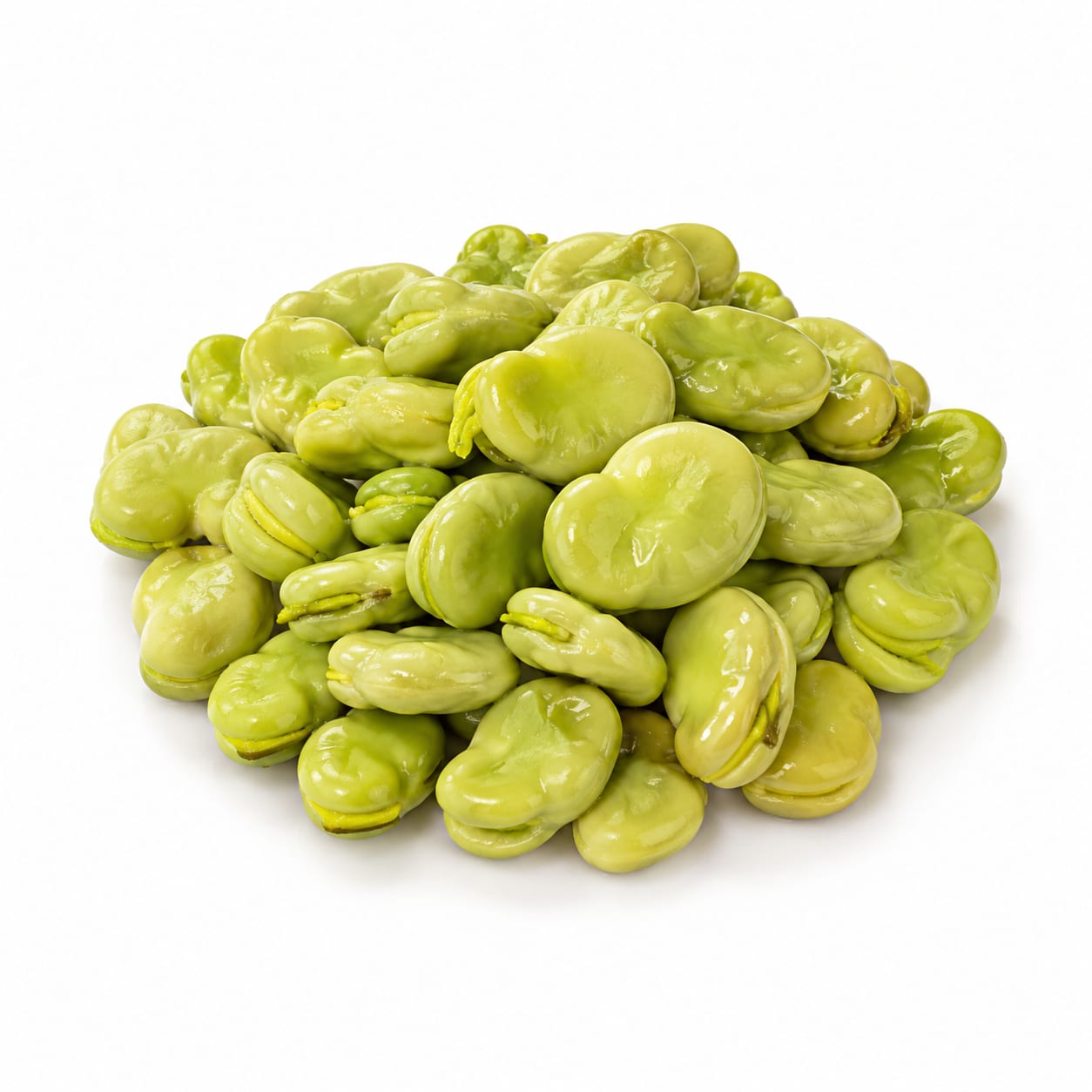
Fava Bean
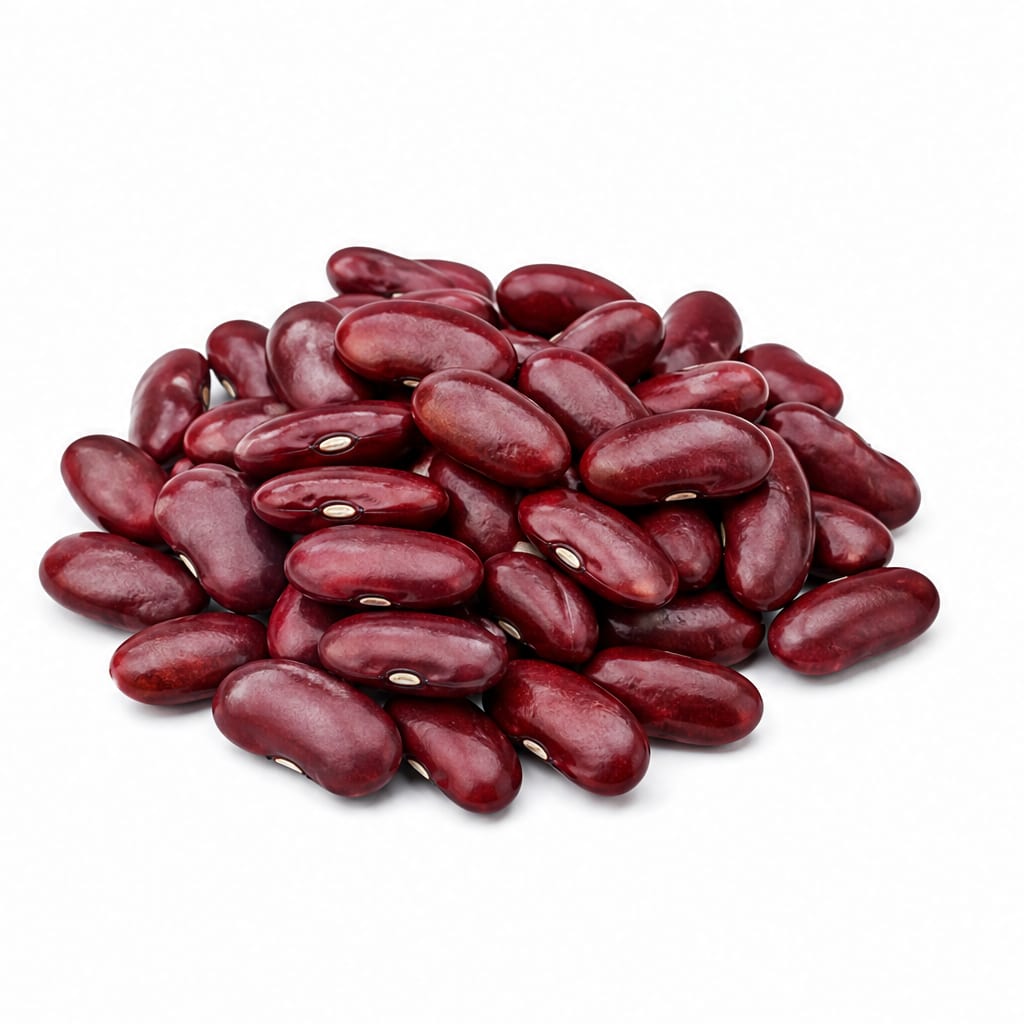
Kidney Beans
Fava Beans win on protein and unique brain-supporting compounds, while Kidney Beans dominate on fiber, blood sugar control, and everyday convenience.
Kidney Beans edge ahead due to superior fiber, broader availability, and better blood sugar support. Fava Beans shine for protein and unique L-dopa content but lose points on accessibility, cost, and favism risk.
More protein and L-dopa from Fava Beans versus more fiber, better satiety, and easier access from Kidney Beans.
At a glance
Executive summary
Overall
It depends
Healthier
It depends
More practical
Kidney Beans
Daily use
Kidney Beans
Key comparison lenses
protein quality and plant-based muscle support
Fava Beans are notably higher in protein, making them a standout for plant-based eaters seeking muscle support
blood sugar and fiber benefits
Kidney Beans deliver significantly more fiber, which directly impacts blood sugar stability and satiety
safety and toxicity concerns
Both carry unique risks—favism for Fava Beans and phytohaemagglutinin poisoning for undercooked Kidney Beans
everyday practicality and accessibility
Kidney Beans are far more available canned and affordable, while Fava Beans often require special sourcing and prep
digestive tolerance and gut comfort
Both can cause digestive distress, but through different mechanisms that matter for different people
Best choice for
Fava Bean
- Athletes and gym-goers seeking plant protein
- People interested in dopamine-supporting nutrients
- Those wanting lower-calorie density legumes
- Mediterranean diet followers
- Anyone avoiding canned foods
Kidney Beans
- People managing blood sugar or diabetes
- Those prioritizing digestive regularity
- Budget-conscious meal preppers
- Anyone wanting quick canned legume options
- Chili, stew, and soup lovers
Least suitable for
Fava Bean
- People with G6PD deficiency (favism risk)
- Those sensitive to high-purine foods
- People wanting quick weeknight meals
- Budget-limited households
Kidney Beans
- People who skip proper cooking steps (toxin risk)
- Those prone to bloating from high-fiber foods
- Anyone avoiding canned goods with BPA concerns
Deep comparison
Dimension by dimension
Each lens scores both foods and breaks down who each option suits.
- Dimension 1 · Priority 92Fava Bean
Protein Content & Quality
Fava Bean · 88Kidney Beans · 72Fava Beans deliver roughly 26g protein per cup cooked versus about 15g for Kidney Beans—a substantial difference for plant-based eaters.
Tradeoff
You gain significantly more protein with Fava Beans but lose the fiber that helps keep you full longer.
Why it matters
For anyone relying on legumes as a primary protein source, this gap is meaningful and can affect meal planning.
Real-world impact
A single cup of Fava Beans gets you closer to a post-workout protein target without needing a supplement.
Fava Bean
- Muscle recovery after exercise
- Plant-based athletes hitting protein goals
- Replacing meat in high-protein meals
Better for
- Those who find high-protein meals too heavy
Worse for
Kidney Beans
- Meals where protein comes from other sources
- Balanced bowls with multiple proteins
Better for
- Anyone relying solely on beans for protein intake
Worse for
- Dimension 2 · Priority 88Kidney Beans
Fiber & Satiety
Fava Bean · 62Kidney Beans · 90Kidney Beans provide about 11g fiber per cup versus roughly 5g for Fava Beans—nearly double the staying power.
Tradeoff
Kidney Beans keep you fuller for longer, but Fava Beans feel lighter and less heavy in the stomach.
Why it matters
Fiber is the main reason beans are recommended for weight management and blood sugar control. This is a big gap.
Real-world impact
A Kidney Bean lunch keeps afternoon hunger at bay. A Fava Bean lunch may leave you snacking sooner.
Fava Bean
- People who dislike feeling overly full
- Lighter summer meals and salads
Better for
- Those needing fiber to stay regular
- People who struggle with between-meal snacking
Worse for
Kidney Beans
- Weight loss and appetite control
- Blood sugar management
- Digestive regularity
Better for
- Anyone sensitive to high-fiber digestive discomfort
Worse for
- Dimension 3 · Priority 86Kidney Beans
Blood Sugar Stability
Fava Bean · 68Kidney Beans · 88Kidney Beans rank among the best foods for steady blood sugar due to their high fiber and resistant starch content.
Tradeoff
Fava Beans still support blood sugar better than most foods, but lack the fiber punch that makes Kidney Beans exceptional.
Why it matters
For prediabetics or anyone avoiding energy crashes, this difference compounds over weeks and months.
Real-world impact
Kidney Beans in a meal blunt the blood sugar spike from rice or bread noticeably more than Fava Beans would.
Fava Bean
- Lower-carb meal plans where fiber is less critical
Better for
- Blood sugar-sensitive individuals needing maximum fiber
Worse for
Kidney Beans
- Diabetes and insulin resistance management
- Steady energy without afternoon crashes
- Pairing with higher-glycemic foods
Better for
- Dimension 4 · Priority 85It depends
Safety & Toxicity Risks
Fava Bean · 70Kidney Beans · 65Fava Beans carry favism risk for G6PD-deficient individuals. Kidney Beans contain a dangerous toxin if undercooked, even from canned prep shortcuts.
Tradeoff
Favism is rare but serious. Kidney Bean toxicity is more common because people rush cooking, but entirely preventable with proper preparation.
Why it matters
Both foods have non-trivial safety concerns that most people are unaware of until a problem occurs.
Real-world impact
Slow-cooking Kidney Beans from dry without boiling first can cause severe gastrointestinal illness. Eating Fava Beans with G6PD deficiency can trigger hemolytic anemia.
Fava Bean
- People without G6PD deficiency
- Those who cook thoroughly and are aware of favism
Better for
- People with undiagnosed G6PD deficiency
- Mediterranean and African descent males (higher G6PD rates)
Worse for
Kidney Beans
- Anyone who properly boils Kidney Beans for at least 10 minutes
- People who use canned Kidney Beans (pre-cooked safely)
Better for
- Impatient cooks using slow cookers without pre-boiling
- People unfamiliar with proper bean preparation
Worse for
- Dimension 5 · Priority 80Kidney Beans
Convenience & Accessibility
Fava Bean · 45Kidney Beans · 88Kidney Beans are available canned in nearly every grocery store. Fava Beans often require specialty stores, fresh seasonal access, or lengthy dried preparation.
Tradeoff
You pay for convenience with potential BPA exposure from canned Kidney Beans, while Fava Beans require effort but avoid canning concerns.
Why it matters
The best healthy food is the one you actually eat. Accessibility often determines long-term adherence.
Real-world impact
Kidney Beans can be a 2-minute pantry meal. Fava Beans might mean a special shopping trip and an hour of prep.
Fava Bean
- Home cooks who enjoy preparation
- Farmers market shoppers in spring
- People avoiding canned foods
Better for
- Anyone short on time
- Rural areas with limited specialty stores
Worse for
Kidney Beans
- Busy weeknight cooking
- Meal prep and batch cooking
- Budget-friendly protein sourcing
Better for
- People strictly avoiding canned goods
Worse for
- Dimension 6 · Priority 78It depends
Micronutrient Profile
Fava Bean · 82Kidney Beans · 80Fava Beans excel in folate, manganese, and unique L-dopa. Kidney Beans lead in iron, potassium, and vitamin K.
Tradeoff
Fava Beans offer brain-relevant nutrients while Kidney Beans support blood and heart health minerals more directly.
Why it matters
L-dopa from Fava Beans is rare in food and may support mood and Parkinson's management. Iron from Kidney Beans matters more for anemia-prone individuals.
Real-world impact
Fava Beans are one of the only natural L-dopa sources. Kidney Beans are a reliable iron boost for plant-based eaters.
Fava Bean
- Mood and cognitive support
- Pregnancy folate needs
- Parkinson's dietary support (adjunctive)
Better for
- Those needing iron more than folate
Worse for
Kidney Beans
- Iron-deficiency anemia support
- Blood pressure management via potassium
- Bone health via vitamin K
Better for
- People seeking cognitive-supportive nutrients
Worse for
Timeline
Health impact over time
Short-term
Hours to days
Fava Bean
- May cause digestive gas, though less than Kidney Beans due to lower fiber
- Can trigger hemolytic crisis in G6PD-deficient individuals within hours
- Provides noticeable satiety from protein but less than high-fiber alternatives
Kidney Beans
- Can cause significant bloating and gas, especially if unaccustomed to high fiber
- Undercooked beans cause nausea, vomiting, and abdominal pain within 1-3 hours
- Strong blood sugar stabilizing effect noticeable after a single meal
Long-term
Months to years
Fava Bean
- Consistent intake may support dopamine-related pathways through L-dopa
- Lower fiber intake means less protection against colorectal cancer compared to Kidney Beans
- Good folate support for cellular repair and pregnancy
Kidney Beans
- Regular consumption strongly associated with reduced colorectal cancer risk
- Sustained blood sugar improvement reduces diabetes progression risk
- High potassium intake supports long-term blood pressure management
Risk profile
Safety & processing
Both are whole, minimally processed legumes. Canned Kidney Beans may contain added salt and BPA from can linings, while dried or fresh Fava Beans avoid these concerns entirely.
Fava Bean
Favism (G6PD deficiency reaction)
highCan trigger hemolytic anemia in susceptible individuals. Most common in males of Mediterranean, African, and Southeast Asian descent. Risk is serious but limited to a specific population.
Purine content
lowModerately high in purines, which may aggravate gout in sensitive individuals. Not a concern for most people.
Kidney Beans
Phytohaemagglutinin toxicity
highRaw or undercooked Kidney Beans contain a lectin that causes severe gastrointestinal illness. Boiling for at least 10 minutes destroys the toxin. Slow cookers alone may not reach safe temperatures.
Canned bean BPA exposure
mediumMost canned Kidney Beans are in BPA-lined cans. Look for BPA-free labeled cans or use dried beans to avoid this concern.
Sodium in canned varieties
mediumCanned Kidney Beans often contain 400-500mg sodium per serving. Rinsing reduces sodium by roughly 30-40%.
Who wins for whom
Audience fit
Same foods, different winners depending on your goal.
children
Kidney BeansCanned Kidney Beans are easy to mash into kid-friendly meals, and the iron content supports growing bodies. Fava Beans carry favism risk that parents should be aware of.
daily consumption
Kidney BeansEasier access, lower cost, and better fiber make Kidney Beans more sustainable as a daily staple for most people.
diabetes
Kidney BeansKidney Beans offer superior fiber and resistant starch, which blunt blood sugar spikes more effectively than Fava Beans.
elderly
Kidney BeansKidney Beans provide more fiber for digestive regularity, potassium for blood pressure, and iron for anemia prevention—all common elderly concerns.
muscle gain
Fava BeanFava Beans deliver nearly double the protein per cup, making them more effective for supporting muscle repair and growth.
weight loss
Kidney BeansHigher fiber in Kidney Beans provides stronger satiety and better appetite control, making it easier to eat less overall.
Your move
Decision guide
Choose Fava Bean
- You prioritize protein intake and train hard
- You want L-dopa for cognitive or mood support
- You have no G6PD deficiency concerns
- You enjoy cooking and have access to specialty stores
- You prefer lighter-textured legumes in meals
Choose Kidney Beans
- You want maximum fiber and digestive benefits
- You manage blood sugar or insulin resistance
- You need affordable, accessible weekly staples
- You meal prep with canned beans for convenience
- You want the strongest satiety from your legumes
Either works if
- You simply want more legumes in your diet overall
- You rotate between different beans for nutrient diversity
- You are generally healthy without G6PD deficiency or gout
Avoid both if
- You have severe legume allergies
- You experience extreme digestive distress from all beans even after gradual introduction
Final recommendation
For most people, Kidney Beans are the more practical daily choice thanks to superior fiber, blood sugar benefits, and easy availability. But Fava Beans are worth seeking out if you want higher protein, unique brain-supporting nutrients, or variety in your legume rotation. The best approach is rotating both—use Kidney Beans as your staple and Fava Beans as a protein boost when you can find them.
Practical
Consumer tips
- 1
Always boil Kidney Beans for at least 10 minutes before slow cooking—never add dry beans directly to a slow cooker
- 2
Rinse canned Kidney Beans to reduce sodium by roughly 30-40%
- 3
If you have Mediterranean or African heritage, consider G6PD testing before eating Fava Beans regularly
- 4
Fresh Fava Beans need double-podding—remove the outer shell, then blanch to peel the inner skin for best texture
- 5
Buy dried Fava Beans in bulk online if unavailable locally—they store well for months
- 6
Soak any dried beans overnight and discard the water to reduce gas-causing oligosaccharides
- 7
Look for BPA-free canned Kidney Beans if you use them frequently