
Nutrition comparison
Fava Beans vs Green Peas: Nutrition, Protein, and Which to Choose
Fava beans deliver more protein and iron per serving, but green peas win on convenience and safety. Compare nutrition, glycemic impact, and best uses for each legume.
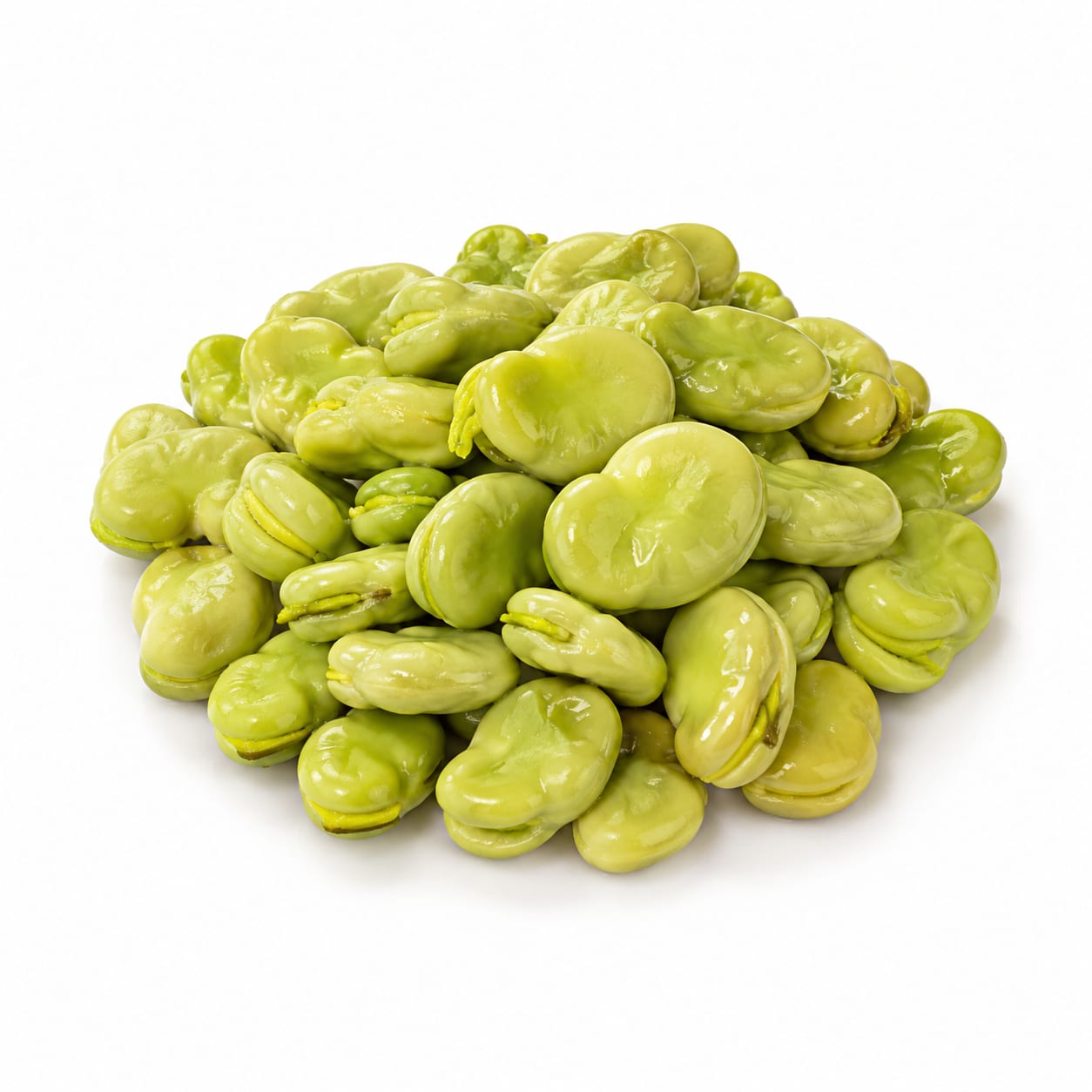
Fava Bean
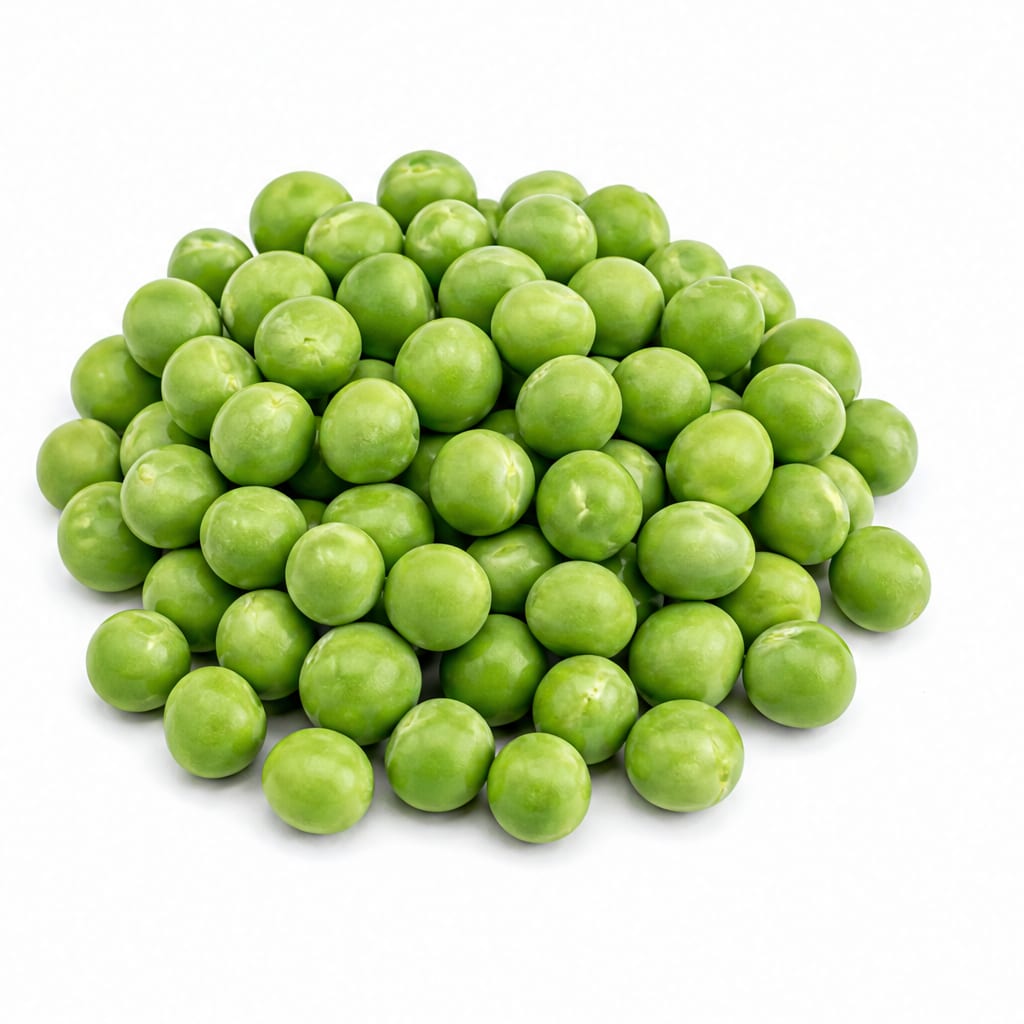
Green Peas
Fava beans win on protein and iron, green peas win on convenience and vitamin C. Your choice depends on what your diet needs more.
Fava beans edge ahead on raw nutritional density, especially protein and iron, but green peas close the gap through superior convenience, broader safety, and easier daily integration. The small score difference reflects that both are genuinely healthy choices with different strengths.
Fava beans offer denser nutrition but require more prep and carry a rare genetic risk, while green peas are effortless and safer but less protein-rich.
At a glance
Executive summary
Overall
It depends
Healthier
Fava Bean
More practical
Green Peas
Daily use
Green Peas
Key comparison lenses
protein and satiety comparison
Both are legumes but fava beans deliver significantly more protein per serving, making satiety a key decision factor
blood sugar management
Users comparing legumes often care about glycemic impact and whether the food supports steady energy
convenience and accessibility
Green peas are available frozen everywhere while fava beans require more effort to source and prepare
safety and tolerance
Fava beans carry a unique genetic risk (favism) that green peas do not, which matters for certain populations
micronutrient density
Each legume shines in different vitamins and minerals, affecting which nutritional gaps they fill
Best choice for
Fava Bean
- Anemia-prone individuals needing iron and folate
- Athletes seeking plant-based protein density
- Pregnant women needing extra folate (if no G6PD deficiency)
- People wanting longer-lasting fullness from meals
Green Peas
- Busy households needing quick weeknight sides
- People with G6PD deficiency who must avoid fava beans
- Anyone wanting an easy vitamin C boost from a legume
- Meal preppers who rely on frozen pantry staples
Least suitable for
Fava Bean
- People with G6PD deficiency (risk of favism)
- Anyone seeking low-prep weeknight options
- Those prone to bloating from high-fiber legumes
Green Peas
- People prioritizing maximum protein per calorie
- Those needing high iron intake from food sources
- Anyone avoiding even moderate sugar content
Deep comparison
Dimension by dimension
Each lens scores both foods and breaks down who each option suits.
- Dimension 1 · Priority 92Fava Bean
protein_and_satiety
Fava Bean · 88Green Peas · 68Fava beans deliver roughly 50% more protein per cooked cup, making meals noticeably more filling.
Tradeoff
That extra protein comes with more calories and a heavier digestive load for sensitive stomachs.
Why it matters
Higher protein legumes keep you satisfied longer between meals, reducing snacking urges.
Real-world impact
A fava bean lunch keeps you full until dinner, while green peas may leave you reaching for a snack by mid-afternoon.
Fava Bean
- Post-workout recovery meals
- Plant-based eaters counting protein grams
- Anyone trying to reduce between-meal hunger
Better for
- Small appetites who find dense meals uncomfortable
Worse for
Green Peas
- Lighter meals where you don't want to feel heavy
- Side dishes accompanying a protein-rich main
Better for
- Meals where the legume is the primary protein source
Worse for
- Dimension 2 · Priority 85Fava Bean
blood_sugar_stability
Fava Bean · 82Green Peas · 74Fava beans have a lower glycemic load thanks to higher fiber and protein slowing sugar absorption.
Tradeoff
Green peas still perform well glycemically but their slightly higher sugar content means a marginally faster blood sugar rise.
Why it matters
Steadier blood sugar means fewer energy crashes and more consistent focus throughout the day.
Real-world impact
Fava beans are less likely to cause that 2pm energy dip after lunch, though both are far better than refined carbs.
Fava Bean
- People managing prediabetes or insulin resistance
- Anyone prone to afternoon energy crashes
Better for
Green Peas
- Active individuals who need slightly faster energy availability
Better for
- Those tracking glycemic load closely
Worse for
- Dimension 3 · Priority 80Green Peas
convenience_and_accessibility
Fava Bean · 42Green Peas · 91Green peas are available frozen in every grocery store and cook in minutes. Fava beans require shelling, blanching, and peeling.
Tradeoff
Fresh fava beans reward the effort with superior texture and flavor, but most weeknights don't allow that luxury.
Why it matters
The healthiest food is the one you actually eat consistently. Convenience drives consistency.
Real-world impact
Green peas can go from freezer to plate in 5 minutes. Fresh fava beans take 20+ minutes of prep before cooking even starts.
Fava Bean
- Weekend cooking projects
- Special occasion meals where effort is part of the experience
Better for
- Time-pressed weeknights
- Cooking for one when prep feels excessive
Worse for
Green Peas
- Weeknight dinners under 30 minutes
- Meal prep sessions where efficiency matters
- Pantry-staple cooking without grocery planning
Better for
- Dimension 4 · Priority 75It depends
micronutrient_density
Fava Bean · 84Green Peas · 78Fava beans dominate in iron, folate, and manganese. Green peas shine in vitamin C, vitamin K, and thiamin.
Tradeoff
Neither is a complete micronutrient package alone, so your choice should fill the gaps in your overall diet.
Why it matters
Micronutrient gaps accumulate over time and affect energy, immunity, and mood long before deficiency shows on labs.
Real-world impact
If you already eat iron-rich foods, green peas add complementary vitamins. If you're borderline anemic, fava beans are the stronger ally.
Fava Bean
- Menstruating individuals needing iron support
- Pregnant women seeking folate (if no G6PD deficiency)
- Vegans who struggle to get enough iron
Better for
- Those who already supplement iron and don't need excess
Worse for
Green Peas
- Anyone wanting immune-supporting vitamin C from a legume
- People who don't eat many leafy greens and need vitamin K
Better for
- People relying on legumes as a primary iron source
Worse for
- Dimension 5 · Priority 72Green Peas
digestive_tolerance
Fava Bean · 58Green Peas · 70Both can cause bloating, but fava beans' higher fiber and protein density make them tougher on sensitive digestive systems.
Tradeoff
The fiber that challenges digestion is also what makes fava beans excellent for gut health over time.
Why it matters
A food that causes discomfort won't be eaten consistently, no matter how nutritious it is.
Real-world impact
If legumes normally make you gassy, green peas are the gentler starting point. Fava beans may require smaller portions and gradual introduction.
Fava Bean
- People with well-adapted gut microbiomes from regular legume consumption
Better for
- Those new to high-fiber diets
- Anyone with sensitive digestion who hasn't built up legume tolerance
Worse for
Green Peas
- Legume beginners building tolerance
- People with IBS who need gentler fiber sources
Better for
- Dimension 6 · Priority 78Green Peas
safety_and_genetic_risk
Fava Bean · 55Green Peas · 92Fava beans can trigger hemolytic anemia in people with G6PD deficiency, a genetic condition affecting millions worldwide.
Tradeoff
For people without G6PD deficiency, fava beans are perfectly safe. The risk is real but population-specific.
Why it matters
Unlike typical food sensitivities, favism can cause serious acute illness and is not dose-dependent.
Real-world impact
If you have Mediterranean, African, or Southeast Asian heritage, G6PD deficiency is common enough to warrant screening before eating fava beans regularly.
Fava Bean
- People confirmed to not have G6PD deficiency
Better for
- Undiagnosed G6PD-deficient individuals
Worse for
Green Peas
- Anyone with unknown G6PD status
- Families where genetic conditions are untested
- People of Mediterranean, African, or Southeast Asian descent with higher G6PD deficiency rates
Better for
Timeline
Health impact over time
Short-term
Hours to days
Fava Bean
- Stronger satiety after meals due to higher protein and fiber density
- Possible bloating or gas if your gut isn't accustomed to dense legumes
- Steadier post-meal energy with minimal blood sugar spike
Green Peas
- Lighter digestive feel with less post-meal heaviness
- Milder bloating compared to fava beans for most people
- Slightly faster energy availability from modestly higher sugar content
Long-term
Months to years
Fava Bean
- Better iron status over time, especially valuable for menstruating individuals
- Improved folate intake supporting cell repair and healthy pregnancy
- Potential hemolytic risk if undiagnosed G6PD deficiency is present
Green Peas
- Consistent vitamin C intake supporting immune function and iron absorption
- Easier daily integration leading to more consistent legume consumption habits
- Gentle fiber intake supporting regularity without overwhelming sensitive systems
Risk profile
Safety & processing
Both are whole foods in their natural state. Dried or fresh fava beans and frozen green peas are equally clean options. Canned versions of either may contain added sodium, so check labels.
Fava Bean
Favism (G6PD deficiency reaction)
highCan trigger acute hemolytic anemia in G6PD-deficient individuals. Most common in people of Mediterranean, African, and Southeast Asian descent. If you've never been tested, consider screening before regular consumption.
Oxalate content
lowModerate oxalate levels that are unlikely to affect most people but may be relevant for those managing kidney stones.
Green Peas
Pesticide residue on conventional crops
lowGreen peas are typically low on the pesticide residue list, but frozen conventional peas may carry trace amounts. Organic is a safe choice if budget allows.
Saponin sensitivity
lowPeas contain saponins that can cause mild digestive irritation in sensitive individuals, though cooking reduces this significantly.
Who wins for whom
Audience fit
Same foods, different winners depending on your goal.
children
Green PeasGreen peas are sweeter, milder, easier to chew, and carry no genetic risk. Most kids accept them far more readily than fava beans.
daily consumption
Green PeasConvenience, safety, and ease of digestion make green peas the more sustainable daily habit for most people.
diabetes
Fava BeanLower glycemic load and higher fiber slow glucose absorption more effectively, supporting steadier blood sugar.
elderly
Green PeasSofter texture, gentler digestion, and no favism risk make green peas a safer choice for aging digestive systems.
muscle gain
Fava BeanFava beans provide substantially more protein per serving, making them a more effective plant-based muscle-support food.
weight loss
Fava BeanHigher protein and fiber create stronger satiety signals, helping you eat less overall despite slightly more calories per serving.
Your move
Decision guide
Choose Fava Bean
- You want maximum protein and iron from a plant-based source
- You've been tested and confirmed negative for G6PD deficiency
- You enjoy cooking and don't mind the extra prep time
- You're pregnant and need folate (assuming no G6PD deficiency)
- You're an athlete or active person seeking denser nutrition
Choose Green Peas
- You need a quick, reliable legume for weeknight cooking
- You have G6PD deficiency or haven't been tested
- You're introducing legumes to kids or picky eaters
- You want a lighter side dish that won't dominate the meal
- You value consistency and ease over peak nutritional density
Either works if
- You're simply trying to eat more legumes overall
- You want to rotate between different plant protein sources
- Your diet already covers iron and vitamin C adequately
- You're building a grain bowl and either works as the legume component
Avoid both if
- You have a confirmed legume allergy
- You're on a very low-carb or keto diet and can't spare the carbohydrates
- You're in an acute gout flare and need to limit purine intake temporarily
Final recommendation
Keep both in rotation. Green peas are your everyday workhorse for convenience and safety. Fava beans are your nutrient-dense upgrade when you have time to prep and want maximum protein and iron. If you haven't been tested for G6PD deficiency, get screened before making fava beans a regular habit.
Practical
Consumer tips
- 1
Dried fava beans skip the shelling step and cook like any dried legume after soaking, making them far more practical than fresh.
- 2
Frozen green peas retain nearly all their nutrients and are often fresher than 'fresh' peas that sat on trucks for days.
- 3
If fava beans cause bloating, start with smaller portions and increase gradually over two weeks to let your gut adapt.
- 4
Canned versions of both are convenient but often high in sodium. Rinse thoroughly before using.
- 5
If you have Mediterranean, African, or Southeast Asian heritage, ask your doctor about G6PD deficiency screening before eating fava beans regularly.
- 6
Combine green peas with a vitamin C-rich food to boost iron absorption from the rest of your meal.