
Nutrition comparison
Fava Beans vs Edamame: Which Legume Is Better for You?
Compare fava beans and edamame on protein quality, iron, folate, convenience, and safety. Find out which legume fits your diet, lifestyle, and health goals better.
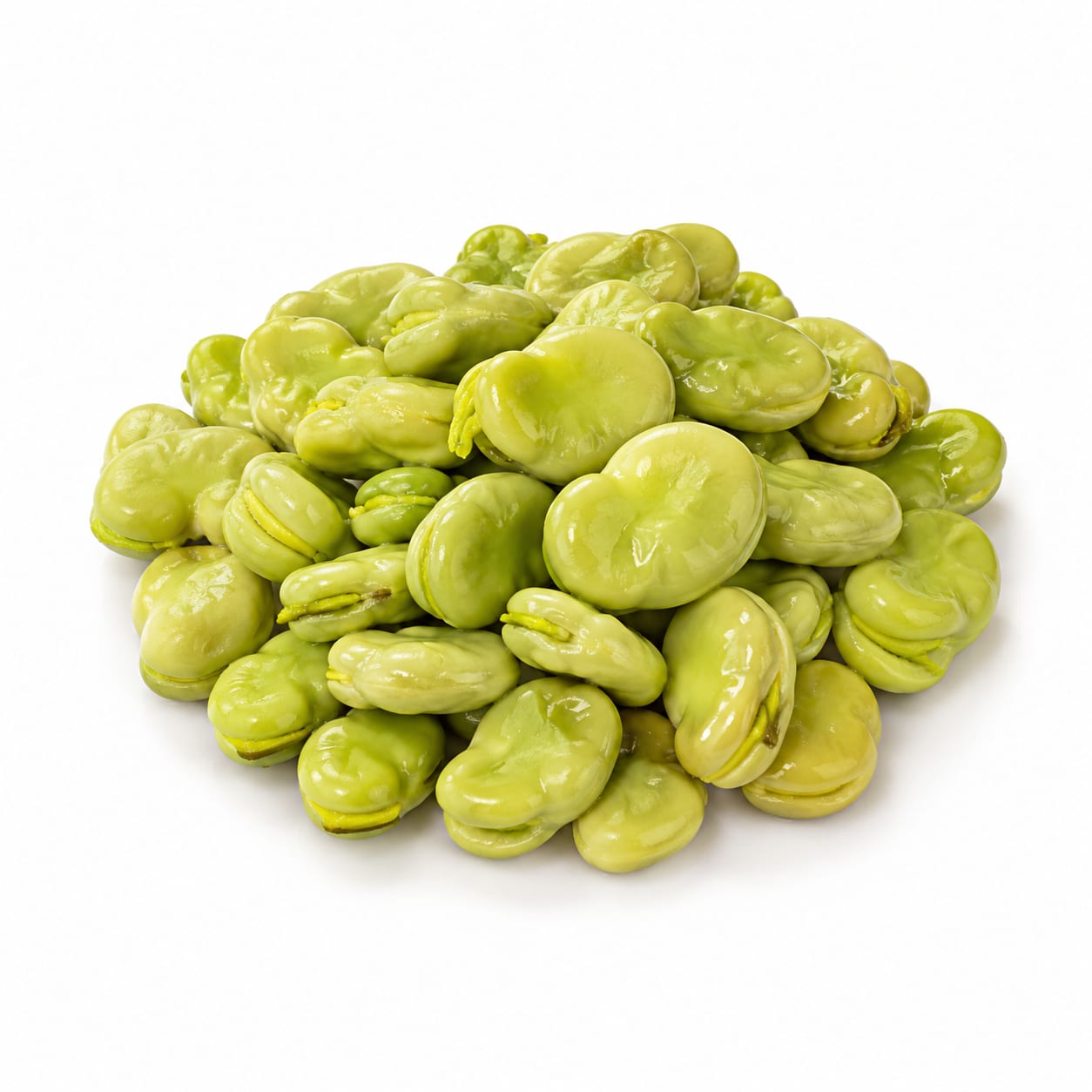
Fava Bean
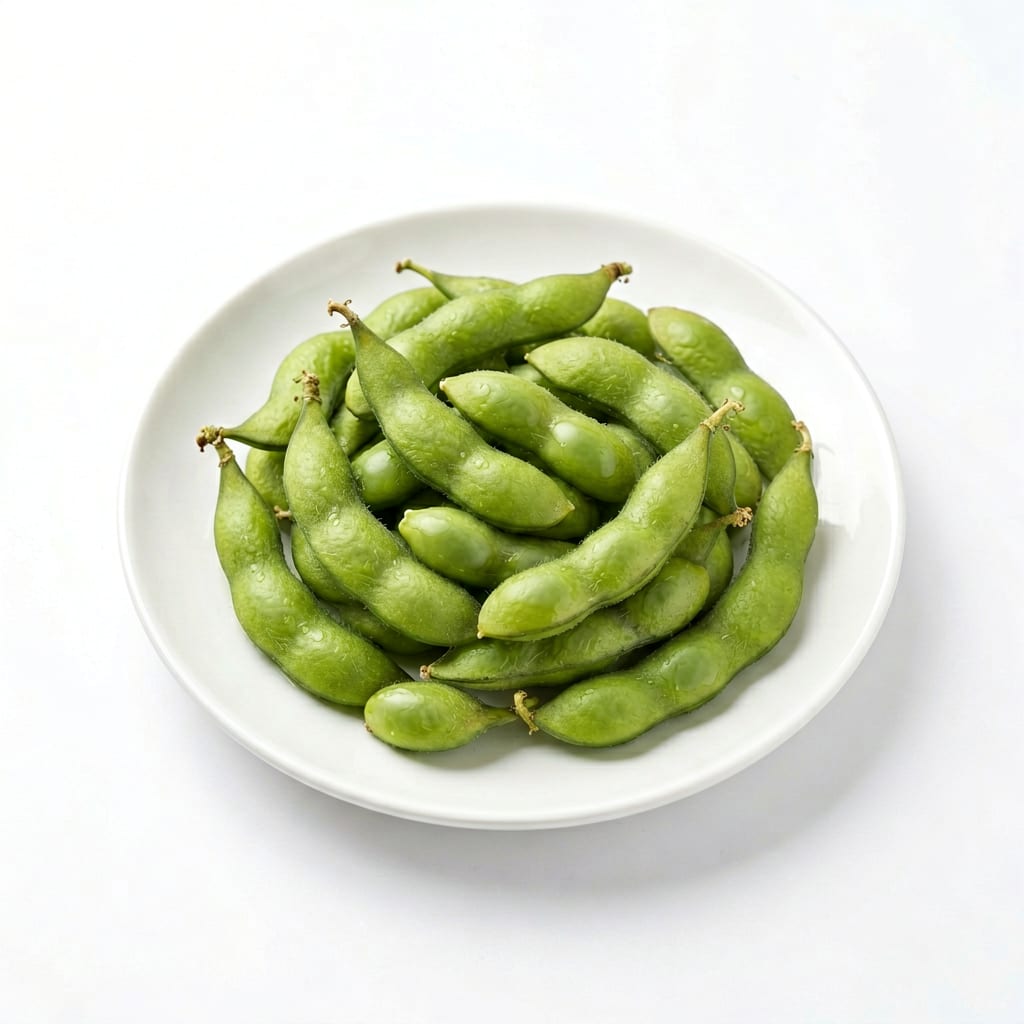
Edamame
Edamame wins on convenience and protein completeness; fava beans win on iron, folate, and lower fat. Your choice depends on prep tolerance and nutritional priorities.
Edamame scores higher mainly due to convenience, complete protein, and healthy fat content. Fava beans remain nutritionally excellent but lose points for preparation difficulty and the favism safety concern.
Edamame is the grab-and-go complete protein snack, while fava beans reward extra effort with superior mineral density and a creamier, more substantial texture.
At a glance
Executive summary
Overall
It depends
Healthier
It depends
More practical
Edamame
Daily use
Edamame
Key comparison lenses
plant protein quality and completeness
Both are top-tier legume protein sources, but edamame offers a complete amino acid profile while fava beans do not
preparation convenience and everyday practicality
Fava beans require double-peeling and longer prep; edamame is nearly ready to eat, making daily use very different
safety and allergy concerns
Favism risk from fava beans and soy allergy risk from edamame are both serious but affect different populations
mineral density and micronutrient tradeoffs
Fava beans excel in iron and folate; edamame leads in vitamin K and healthy fats, creating distinct nutritional identities
snackability and satiety
Users comparing these often want a satisfying high-protein snack, and the experience differs significantly
Best choice for
Fava Bean
- Iron-deficient individuals needing a plant-based iron boost
- Pregnant women seeking high folate from whole foods
- Home cooks who enjoy slower meal preparation
- People avoiding soy for hormonal or allergy reasons
- Mediterranean and Middle Eastern cuisine enthusiasts
Edamame
- Busy people needing quick high-protein snacks
- Athletes wanting complete protein after workouts
- Anyone seeking healthy fats alongside protein
- Vegans needing a reliable daily protein source
- Those who want minimal prep with maximum convenience
Least suitable for
Fava Bean
- People with G6PD deficiency (favism risk)
- Anyone short on time for meal prep
- Those wanting a quick desk or on-the-go snack
- People who dislike peeling or shelling tasks
Edamame
- People with soy allergies
- Those avoiding GMO crops unless buying organic
- Individuals concerned about phytoestrogen intake
- Anyone on a low-fat dietary protocol
Deep comparison
Dimension by dimension
Each lens scores both foods and breaks down who each option suits.
- Dimension 1 · Priority 95Edamame
Protein Quality & Completeness
Fava Bean · 68Edamame · 92Edamame provides all nine essential amino acids in adequate ratios, making it a complete protein. Fava beans are slightly low in methionine and tryptophan.
Tradeoff
Fava beans still deliver solid protein quantity but need to be paired with grains or seeds to become complete. Edamame stands alone as a full protein source.
Why it matters
Complete proteins support muscle repair and satiety more efficiently without needing food combining at every meal.
Real-world impact
A bowl of edamame after a workout covers your protein needs solo. Fava beans pair better with rice or quinoa for the same effect.
Fava Bean
- Meals already combining legumes with grains
- Cultures where fava beans are traditionally paired with complementary proteins
Better for
- Situations requiring a single complete protein source
- Quick meals where food combining feels impractical
Worse for
Edamame
- Standalone post-workout recovery
- Vegans needing one-stop protein reliability
- Simplified meal planning without combining
Better for
- People with soy allergies who cannot access any soy protein
Worse for
- Dimension 2 · Priority 90Edamame
Preparation Convenience
Fava Bean · 35Edamame · 90Edamame steams in 5 minutes and is ready. Fava beans require shelling, blanching, and often peeling each individual bean.
Tradeoff
Fava beans demand patience and technique but reward you with a creamier, more luxurious texture. Edamame trades some refinement for speed.
Why it matters
Convenience determines whether a food actually gets eaten regularly or sits in the pantry unused.
Real-world impact
Edamame is a realistic weeknight option. Fava beans are more of a weekend cooking project or special occasion ingredient.
Fava Bean
- Leisurely weekend cooking sessions
- Cooks who find shelling meditative and enjoyable
- Recipes where the creamy texture is central to the dish
Better for
- Exhausted evenings when cooking feels like a chore
- Anyone needing food ready in under 10 minutes
Worse for
Edamame
- Weeknight dinners under 15 minutes
- Office snacks requiring zero prep at work
- Meal prep batch cooking with minimal steps
Better for
- Culinary experiences where hands-on preparation is part of the joy
Worse for
- Dimension 3 · Priority 85Fava Bean
Mineral & Micronutrient Density
Fava Bean · 88Edamame · 76Fava beans deliver significantly more iron, folate, manganese, and copper per serving. Edamame counters with more vitamin K and moderate folate.
Tradeoff
If iron or folate is your priority, fava beans are clearly superior. Edamame's vitamin K supports bone health but its mineral profile is less impressive overall.
Why it matters
Iron deficiency is the world's most common nutrient gap, and folate is critical during pregnancy. These are not minor differences.
Real-world impact
A cup of fava beans covers roughly 30% of daily iron needs versus about 20% from edamame. That gap matters for plant-based eaters.
Fava Bean
- Plant-based eaters at risk of iron deficiency
- Women of reproductive age needing folate
- Pregnant women seeking natural folate sources
Better for
- Situations where vitamin K intake is the primary concern
Worse for
Edamame
- Older adults prioritizing bone health via vitamin K
- People already getting ample iron from other sources
Better for
- Anyone relying on a single legume for iron and folate
Worse for
- Dimension 4 · Priority 75Edamame
Healthy Fat Content
Fava Bean · 30Edamame · 85Edamame provides a meaningful dose of polyunsaturated and monounsaturated fats, including omega-3 ALA. Fava beans are nearly fat-free.
Tradeoff
Edamame's fats enhance satiety and nutrient absorption. Fava beans' near-zero fat makes them easier to fit into low-fat diets but less satisfying alone.
Why it matters
Dietary fat slows digestion, steadies blood sugar, and keeps you full longer. Very low-fat foods can leave you hungry sooner.
Real-world impact
Edamame as a snack keeps you satisfied for hours. Fava beans alone may have you reaching for something else within an hour.
Fava Bean
- Low-fat dietary protocols
- Meals already rich in healthy fats from other sources
- Calorie-controlled diets where fat calories need limiting
Better for
- Snacking without additional fat sources nearby
- Blood sugar management relying on fat to slow absorption
Worse for
Edamame
- Standalone snacks needing sustained energy
- Balanced meals where fat improves satiety
- Plant-based eaters seeking omega-3 ALA sources
Better for
- Strict low-fat diets prescribed for medical reasons
Worse for
- Dimension 5 · Priority 85It depends
Safety & Allergy Risk
Fava Bean · 70Edamame · 72Fava beans carry favism risk for G6PD-deficient individuals, which can trigger serious hemolytic anemia. Edamame carries soy allergy risk and GMO concerns.
Tradeoff
Both foods have meaningful safety considerations, but they affect entirely different populations. Your personal risk profile determines which is safer for you.
Why it matters
Favism can be life-threatening for affected individuals. Soy allergies range from mild to anaphylactic. Neither risk should be dismissed.
Real-world impact
If you have G6PD deficiency, fava beans are dangerous. If you have a soy allergy, edamame is off the table. For everyone else, both are safe.
Fava Bean
- People with soy allergies or soy intolerance
- Those avoiding phytoestrogens for hormonal reasons
- Consumers wanting to avoid GMO crops without buying organic
Better for
- Anyone with undiagnosed G6PD deficiency, common in Mediterranean, African, and Southeast Asian populations
Worse for
Edamame
- People with G6PD deficiency
- Those who have confirmed they tolerate soy well
- Anyone buying organic edamame to avoid GMO concerns
Better for
- People with known or suspected soy allergy
- Those avoiding soy for thyroid or hormonal health reasons
Worse for
- Dimension 6 · Priority 80Edamame
Satiety & Blood Sugar Stability
Fava Bean · 72Edamame · 84Edamame's combination of protein, fiber, and fat creates a more sustained energy release. Fava beans rely on protein and fiber alone, which works but fades faster.
Tradeoff
Fava beans still stabilize blood sugar well due to their fiber content. Edamame simply adds a fat layer that extends the effect.
Why it matters
Steadier energy means fewer cravings and better focus between meals. The difference is noticeable in afternoon snacking scenarios.
Real-world impact
Edamame at 3pm carries you to dinner. Fava beans at 3pm might need a handful of nuts to bridge the gap.
Fava Bean
- Meals paired with olive oil or other healthy fats
- Lighter eating occasions where lower calorie density matters
Better for
- Standalone snacking without fat accompaniment
Worse for
Edamame
- Afternoon snack survival without a crash
- Pre-dinner hunger management
- Blood sugar-sensitive individuals needing longer satiety
Better for
- Very low-calorie diet phases where fat calories add up quickly
Worse for
Timeline
Health impact over time
Short-term
Hours to days
Fava Bean
- Provides steady energy from complex carbs with minimal blood sugar spike
- Can cause bloating or gas if you are not used to high-fiber legumes
- Raw fava beans contain phytohemagglutinin and must always be cooked thoroughly
- The double-peeling process reduces some fiber but improves digestibility
Edamame
- Delivers quick satisfying protein with a fat-backed energy tail
- May cause mild digestive discomfort in people sensitive to soy oligosaccharides
- Soy isoflavones can cause temporary hormonal adjustments in new soy consumers
- Steamed edamame is gentle on the stomach for most people
Long-term
Months to years
Fava Bean
- Excellent folate intake supports cardiovascular and cognitive health over decades
- Consistent iron intake helps prevent deficiency, especially in plant-based diets
- L-dopa content may support dopamine-related pathways, though evidence is preliminary
- Regular legume consumption is strongly associated with reduced cardiovascular disease risk
Edamame
- Soy isoflavones may support bone density in postmenopausal women
- Complete protein intake helps preserve lean muscle mass with aging
- Omega-3 ALA contributes to long-term cardiovascular protection
- Regular soy consumption is associated with lower breast cancer risk in some populations, though individual responses vary
Risk profile
Safety & processing
Both fava beans and edamame are whole foods with minimal processing. Frozen edamame may contain added salt, so check labels. Dried or canned fava beans may contain sodium or preservatives, but fresh or dried plain fava beans are as natural as it gets.
Fava Bean
Favism (G6PD deficiency reaction)
highIn people with G6PD deficiency, fava beans can trigger acute hemolytic anemia. This genetic condition is most common in Mediterranean, African, and Southeast Asian populations. If you have not been tested, be cautious with large portions.
Lectin toxicity from raw beans
mediumRaw fava beans contain phytohemagglutinin, a lectin that can cause nausea, vomiting, and diarrhea. Always cook fava beans thoroughly before eating.
Edamame
Soy allergy
highSoy is one of the top eight allergens. Reactions range from hives and digestive upset to anaphylaxis. Anyone with a known soy allergy must avoid edamame entirely.
GMO exposure
mediumOver 90% of US soy is genetically modified. If avoiding GMOs matters to you, choose certified organic edamame, which cannot be GMO by regulation.
Phytoestrogen effects
lowSoy isoflavones are weak estrogens. Current evidence suggests moderate intake is safe for most people, but those with hormone-sensitive conditions should consult their doctor.
Who wins for whom
Audience fit
Same foods, different winners depending on your goal.
children
EdamameEdamame is fun to eat, easy to prepare, and provides complete protein for growing bodies. Fava beans require more prep and carry favism risk in undiagnosed children.
daily consumption
EdamameEdamame's convenience makes daily realistic consumption far more likely. Fava beans are nutritionally worthy but the prep barrier reduces how often people actually eat them.
diabetes
EdamameThe fat content in edamame slows carbohydrate absorption more effectively, creating a gentler blood sugar response. Both are strong choices compared to most foods.
elderly
EdamameEdamame's vitamin K supports bone density, and its complete protein helps prevent age-related muscle loss. The ease of preparation also matters for older adults cooking for themselves.
muscle gain
EdamameComplete protein with all essential amino acids makes edamame more effective for muscle repair and growth without needing food combining.
weight loss
EdamameEdamame's higher protein and fat content creates stronger satiety per calorie, making it easier to eat less overall. Fava beans work too but may leave you hungrier between meals.
Your move
Decision guide
Choose Fava Bean
- You want maximum iron and folate from a legume
- You avoid soy for allergy, hormonal, or personal reasons
- You enjoy cooking and find shelling beans relaxing
- You are preparing Mediterranean or Middle Eastern dishes
- You are pairing legumes with grains and want the best mineral complement
Choose Edamame
- You need a quick high-protein snack with minimal effort
- You want complete protein without food combining
- You value healthy fats for satiety and heart health
- You are building a simple daily plant-based protein habit
- You want something you can keep frozen and prepare in 5 minutes
Either works if
- You simply want more legume variety in your diet
- You are rotating protein sources throughout the week
- You have no soy allergy or G6PD deficiency concerns
- You enjoy both and want to alternate based on the meal
Avoid both if
- You have both G6PD deficiency and a soy allergy
- You are on a strict low-fodmap diet for IBS management
- You cannot tolerate legumes due to severe digestive conditions
Final recommendation
Keep both in rotation. Stock frozen edamame for busy days when you need protein fast. Cook fava beans when you have time and want the iron and folate advantage. The best legume is the one you actually eat consistently, and for most people, edamame's convenience makes it the more sustainable daily choice.
Practical
Consumer tips
- 1
Buy frozen shelled edamame for fastest prep — steam for 5 minutes and add sea salt
- 2
Choose organic edamame to avoid GMO soy unless the label explicitly states non-GMO
- 3
For fava beans, look for fresh pods in spring or buy frozen pre-shelled to skip the outer hull step
- 4
If prepping fava beans, blanch for 30 seconds then ice bath — the inner skins slip off easily
- 5
Season edamame with just salt, or try chili flakes and lime for a more exciting snack
- 6
Pair fava beans with olive oil and lemon to add the healthy fats they lack naturally
- 7
Store dried fava beans in airtight containers for months; frozen edamame lasts up to a year
- 8
If you have Mediterranean, African, or Southeast Asian heritage, consider G6PD testing before eating fava beans regularly