
Nutrition comparison
Fava Beans vs Chickpeas: Nutrition, Protein, and Which to Choose
Fava beans pack more protein and folate, but chickpeas win on convenience and versatility. Compare nutrition, digestion, safety, and best uses for each legume.
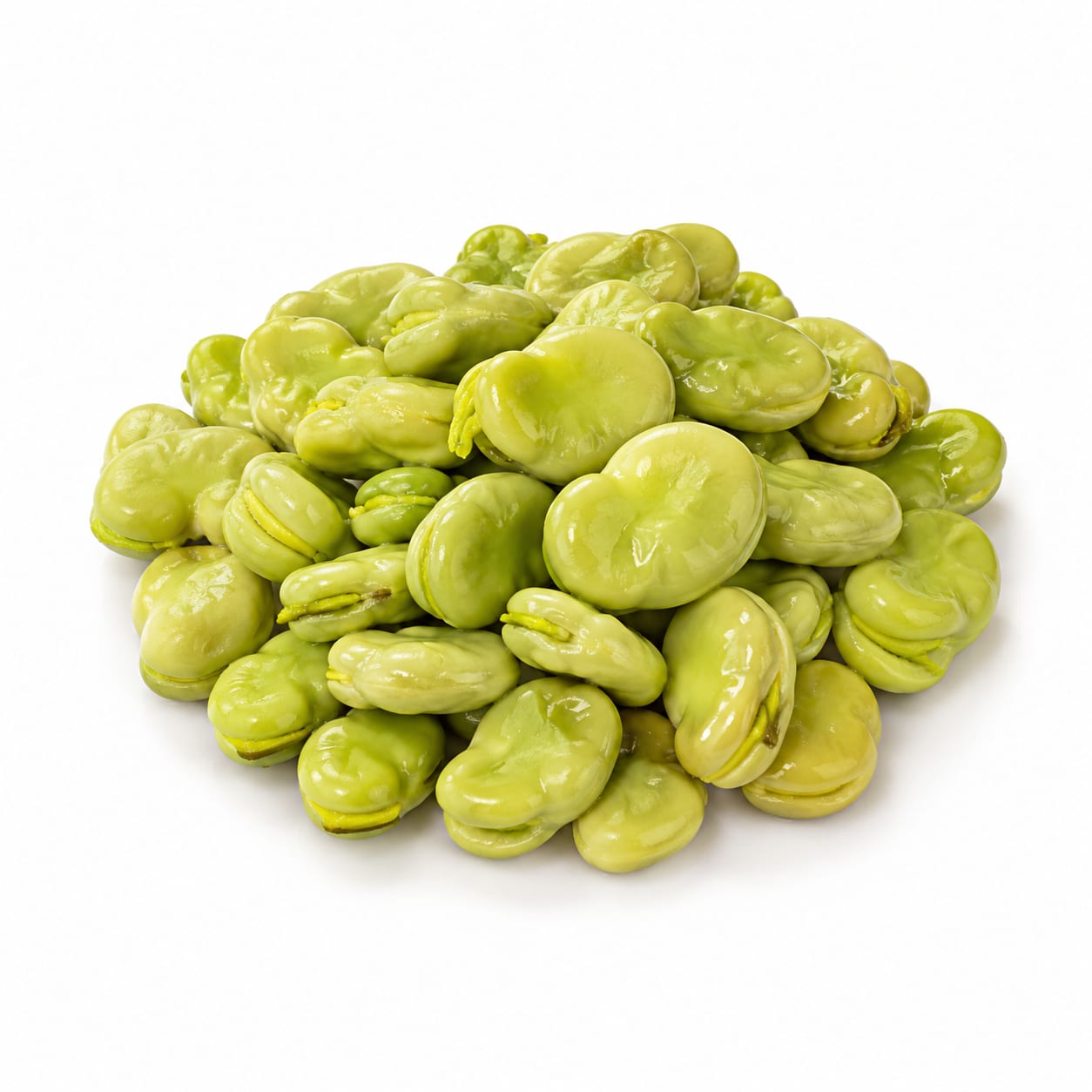
Fava Bean
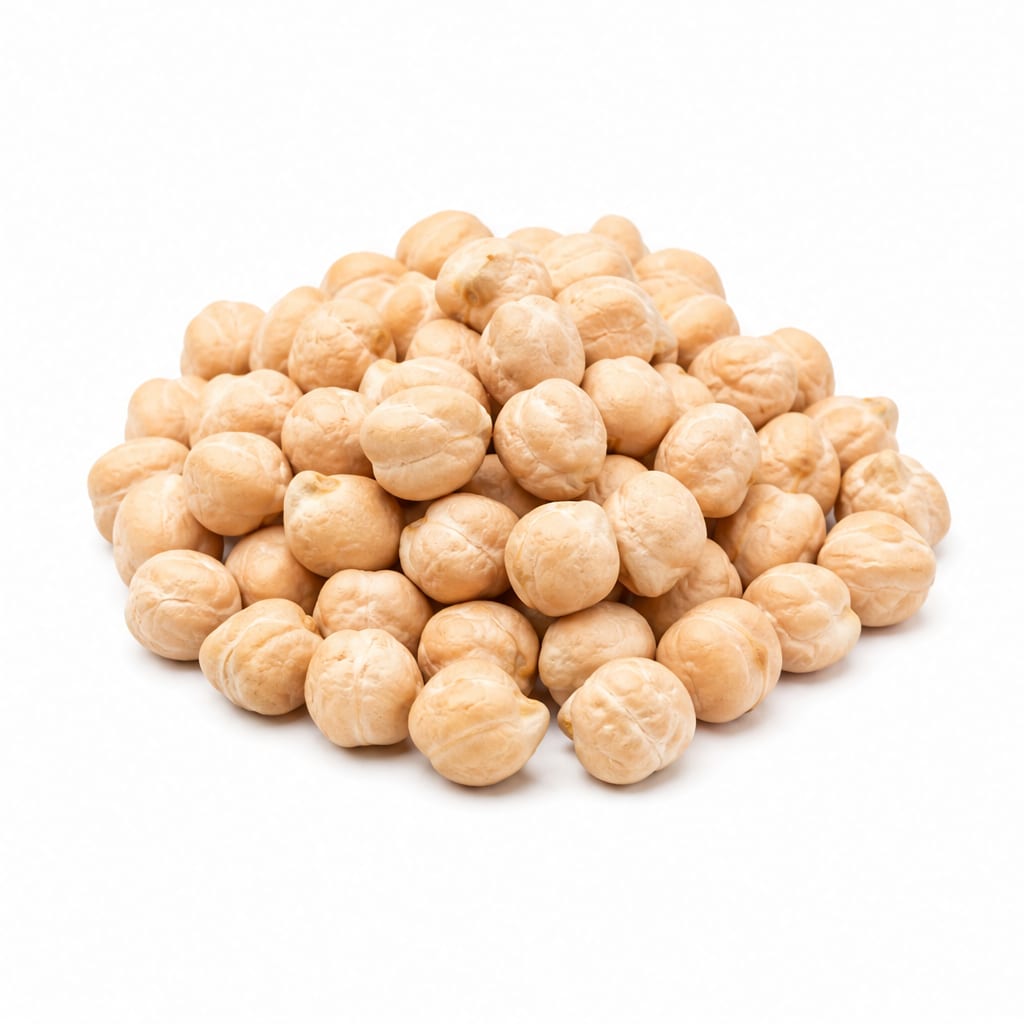
Chickpeas
Chickpeas win on convenience and versatility, while fava beans edge ahead in protein density and unique micronutrients like folate and L-dopa.
Chickpeas score higher overall due to superior practicality, availability, and digestive tolerance. Fava beans are nutritionally impressive but lose points on prep difficulty, favism risk, and limited accessibility.
Fava beans offer more protein per bite and a richer micronutrient profile, but chickpeas are far easier to find, prepare, and incorporate into daily meals.
At a glance
Executive summary
Overall
It depends
Healthier
Fava Bean
More practical
Chickpeas
Daily use
Chickpeas
Key comparison lenses
plant protein quality and quantity
Both are top-tier legume protein sources, and users often choose between them for muscle support or meatless meals
digestive tolerance and gas concerns
Legumes are notorious for causing bloating, and tolerance differs significantly between these two
convenience and everyday practicality
Fava beans require more prep work while chickpeas are pantry staples with easy canned options
micronutrient density for specific deficiencies
Fava beans offer unique compounds like L-dopa and higher folate, while chickpeas excel in manganese and copper
safety and genetic conditions
Fava beans carry a rare but serious risk for people with G6PD deficiency
Best choice for
Fava Bean
- Maximizing protein intake from legumes
- Boosting folate during pregnancy
- Supporting dopamine production via L-dopa
- Adding variety to a legume-heavy diet
Chickpeas
- Quick weeknight meals and meal prep
- Making hummus, falafel, or curries
- Steady blood sugar management
- Budget-friendly plant protein
Least suitable for
Fava Bean
- Anyone with G6PD deficiency (favism risk)
- Busy households needing fast prep times
- People prone to severe legume bloating
Chickpeas
- Those allergic to chickpeas specifically
- Very low-fodmap diet phases
- People seeking L-dopa or very high folate
Deep comparison
Dimension by dimension
Each lens scores both foods and breaks down who each option suits.
- Dimension 1 · Priority 92Fava Bean
Protein Density
Fava Bean · 88Chickpeas · 75Fava beans deliver noticeably more protein per serving, making them a stronger choice when protein intake is the priority.
Tradeoff
The protein advantage comes with more prep effort and less culinary flexibility.
Why it matters
Higher protein per calorie helps with satiety, muscle maintenance, and staying full longer between meals.
Real-world impact
A cup of fava beans provides roughly 13g of protein versus 10.7g in chickpeas — meaningful when you are relying on legumes as a primary protein source.
Fava Bean
- Athletes needing more plant protein
- Older adults preserving muscle mass
- Anyone counting protein grams carefully
Better for
- People who will not bother with long prep to get the protein
Worse for
Chickpeas
- Casual protein needs where convenience matters more
Better for
- Those needing maximum protein per serving from legumes alone
Worse for
- Dimension 2 · Priority 86It depends
Fiber and Satiety
Fava Bean · 80Chickpeas · 82Both are excellent fiber sources. Chickpeas have slightly more total fiber, while fava beans offer a denser mouthfeel that some find more filling.
Tradeoff
Chickpeas provide more soluble fiber which feeds gut bacteria better, but fava beans feel heartier in smaller portions.
Why it matters
Fiber keeps you full, stabilizes blood sugar, and supports gut health — the main difference is in the type of fullness you experience.
Real-world impact
Chickpeas in a salad keep you satisfied for hours with steady energy. Fava beans in a stew feel more immediately filling but may not last quite as long.
Fava Bean
- People who prefer feeling physically full quickly
- Smaller meals where density matters
Better for
- Those needing maximum soluble fiber for cholesterol management
Worse for
Chickpeas
- Gut microbiome support via soluble fiber
- Longer-lasting satiety between meals
Better for
- People who find chickpeas too light and want denser meals
Worse for
- Dimension 3 · Priority 90Chickpeas
Convenience and Practicality
Fava Bean · 45Chickpeas · 90Chickpeas are one of the easiest legumes to use. Canned chickpeas are ready in seconds. Fava beans require shelling, blanching, and often peeling individual skins.
Tradeoff
You pay for fava beans' nutritional edge with significantly more kitchen time and effort.
Why it matters
The best healthy food is the one you actually eat. If prep is a barrier, chickpeas win by default.
Real-world impact
Opening a can of chickpeas takes 10 seconds. Preparing fresh fava beans can take 20-30 minutes of active work. Dried fava beans need overnight soaking plus long cooking times.
Fava Bean
- Weekend cooking projects
- Special occasion meals
- People who enjoy slow cooking
Better for
- Busy parents
- Anyone cooking after a long workday
- People new to cooking legumes
Worse for
Chickpeas
- Weeknight dinners after work
- Meal prep batches
- Anyone short on time
- Pantry-based emergency meals
Better for
- Culinary enthusiasts seeking unique flavors and textures
Worse for
- Dimension 4 · Priority 82Fava Bean
Micronutrient Profile
Fava Bean · 86Chickpeas · 74Fava beans are richer in folate, iron, manganese, and uniquely contain L-dopa. Chickpeas are solid but less exceptional across individual nutrients.
Tradeoff
Fava beans' micronutrient edge is real but only matters if you eat them regularly, which is harder given the prep burden.
Why it matters
Folate supports cell repair and pregnancy health. L-dopa supports dopamine production and may help with Parkinson's symptoms. Iron fights fatigue.
Real-world impact
A serving of fava beans provides about 44% of daily folate needs versus 28% from chickpeas. That gap matters for pregnant women or anyone with low folate.
Fava Bean
- Pregnant women needing folate
- People with iron-deficiency fatigue
- Those interested in L-dopa for dopamine support
Better for
- People who cannot prepare them often enough to benefit
Worse for
Chickpeas
- General daily micronutrient coverage without extra effort
Better for
- Anyone specifically targeting folate or L-dopa intake
Worse for
- Dimension 5 · Priority 84Chickpeas
Digestive Tolerance
Fava Bean · 62Chickpeas · 72Both can cause gas and bloating, but chickpeas are generally better tolerated, especially when canned. Fava beans are denser and can be tougher on sensitive stomachs.
Tradeoff
Chickpeas may still cause discomfort for some, but they are usually gentler and more predictable.
Why it matters
If a food causes bloating, you will naturally eat it less often, which cancels out any nutritional advantage.
Real-world impact
Many people report fava beans feeling heavier and causing more gas, especially when not cooked thoroughly. Canned chickpeas are often easier to digest because extended cooking breaks down gas-causing oligosaccharides.
Fava Bean
- People already accustomed to high-legume diets
Better for
- IBS sufferers
- Anyone ramping up fiber suddenly
Worse for
Chickpeas
- Sensitive digestion
- Gradual fiber increase
- People new to eating legumes regularly
Better for
- Those with specific chickpea sensitivity or allergy
Worse for
- Dimension 6 · Priority 80Chickpeas
Culinary Versatility
Fava Bean · 55Chickpeas · 92Chickpeas are one of the most versatile ingredients in the world. Hummus, falafel, curries, salads, roasted snacks, soups — they do everything. Fava beans have a more specific culinary role.
Tradeoff
Chickpeas fit into nearly any cuisine or meal. Fava beans shine in specific dishes but have limited range.
Why it matters
Versatility means you actually use the ingredient. A nutritious food you never cook with provides zero nutrition.
Real-world impact
Chickpeas can be breakfast (shakshuka), lunch (salads), dinner (curry), or snack (roasted). Fava beans are mostly a side dish or stew ingredient in Mediterranean and Middle Eastern cooking.
Fava Bean
- Mediterranean recipe enthusiasts
- Spring and seasonal cooking
Better for
- Anyone bored by limited recipe options
Worse for
Chickpeas
- Global cuisine exploration
- Multiple meal formats per day
- Batch cooking different recipes
Better for
- Cooks specifically wanting fava bean flavor and texture
Worse for
- Dimension 7 · Priority 78It depends
Blood Sugar Stability
Fava Bean · 78Chickpeas · 80Both have low glycemic loads and support steady blood sugar. Chickpeas have a slight edge due to more soluble fiber slowing glucose absorption.
Tradeoff
The difference is small. Either choice is excellent compared to refined carbs.
Why it matters
Stable blood sugar means fewer energy crashes, less cravings, and better metabolic health over time.
Real-world impact
Replacing white rice with either legume dramatically improves post-meal energy. The gap between the two is minimal in real life.
Fava Bean
- Meals where you eat a small dense portion
Better for
- Portions large enough that density becomes a digestion issue
Worse for
Chickpeas
- Larger meals where soluble fiber has more volume to work with
- Diabetics seeking the most proven glycemic benefit
Better for
- Situations where the slight soluble fiber advantage is negligible
Worse for
Timeline
Health impact over time
Short-term
Hours to days
Fava Bean
- Noticeable fullness from protein and density
- Potential bloating or gas, especially if undercooked
- Steady energy without sugar spikes
- Risk of acute hemolytic reaction in people with G6PD deficiency
Chickpeas
- Comforting satiety without heaviness
- Mild gas possible, usually manageable
- Stable blood sugar for hours after eating
- Easy to overeat in hummus form due to palatability
Long-term
Months to years
Fava Bean
- Excellent folate intake supporting cell health and pregnancy
- L-dopa exposure may support neurological health
- Iron contribution helps prevent deficiency fatigue
- Rare but serious favism risk for G6PD-deficient individuals
Chickpeas
- Consistent fiber intake supporting gut microbiome diversity
- Reliable plant protein supporting muscle maintenance with age
- Soluble fiber helping cholesterol management
- Very safe long-term daily consumption for most people
Risk profile
Safety & processing
Both are whole foods in their natural form. Canned chickpeas may contain added salt but are still minimally processed. Dried fava beans and chickpeas are essentially unprocessed. Neither raises ultra-processing concerns.
Fava Bean
Favism (G6PD deficiency reaction)
highPeople with G6PD deficiency can experience acute hemolytic anemia from eating fava beans. This is a serious condition requiring medical attention. Most common in people of Mediterranean, African, and Southeast Asian descent.
Undercooking toxicity
mediumRaw or undercooked fava beans contain vicine and convicine, which are the compounds triggering favism and can cause digestive distress even in people without G6PD deficiency.
Chickpeas
Canned sodium content
lowCanned chickpeas can contain 300-400mg sodium per serving. Rinsing reduces this significantly but not entirely. Dried chickpeas cooked at home avoid this entirely.
Chickpea allergy
lowThough rare, chickpea allergy exists and is more common in people also allergic to lentils or peas. Reactions can range from mild to severe.
Who wins for whom
Audience fit
Same foods, different winners depending on your goal.
children
ChickpeasChickpeas are safer, easier to prepare in kid-friendly forms like hummus, and carry no favism risk. Fava beans' G6PD risk and tougher texture make them less suitable.
daily consumption
ChickpeasChickpeas are the more sustainable daily choice due to convenience, tolerance, and versatility. Fava beans are better as an occasional nutritional boost.
diabetes
ChickpeasChickpeas have a well-documented low glycemic index and more soluble fiber, giving them a slight edge for blood sugar management. Both are strong choices versus refined carbs.
elderly
ChickpeasChickpeas are gentler on digestion, easier to prepare as soft foods, and their consistent fiber supports regularity. Fava beans' density can be harder on aging digestive systems.
muscle gain
Fava BeanFava beans provide more protein per serving and per calorie, making them slightly more efficient for muscle support when protein intake is the bottleneck.
weight loss
ChickpeasChickpeas are easier to portion, more versatile in low-calorie meals, and their soluble fiber keeps hunger at bay longer. Fava beans are also excellent but harder to incorporate consistently.
Your move
Decision guide
Choose Fava Bean
- You want maximum protein and micronutrients from legumes
- You enjoy cooking and do not mind the prep time
- You are specifically seeking folate or L-dopa benefits
- You have no G6PD deficiency and tolerate legumes well
- You want to diversify beyond chickpeas in your diet
Choose Chickpeas
- You need quick, reliable meals on busy days
- You want one legume that works in dozens of recipes
- You are feeding a family with varying tastes
- You have sensitive digestion or are new to legumes
- You want a safe, affordable pantry staple
Either works if
- You are replacing refined carbs with legumes for blood sugar control
- You want plant-based protein and fiber in your diet
- You are building a Mediterranean-style eating pattern
Avoid both if
- You are in a strict low-FODMAP elimination phase
- You have a diagnosed legume allergy
- You are on a very low-fiber diet for medical reasons
Final recommendation
Keep chickpeas as your everyday legume and treat fava beans as a nutritional power-up when you have the time. Chickpeas will get you 90% of the health benefits with 10% of the effort. Add fava beans when you want the extra protein, folate, and L-dopa — especially during spring when fresh fava beans are available and worth the prep.
Practical
Consumer tips
- 1
Rinsing canned chickpeas removes about 40% of the added sodium
- 2
If trying fava beans for the first time, start with a small portion to test digestion
- 3
Get tested for G6PD deficiency before eating fava beans regularly, especially if you have Mediterranean, African, or Southeast Asian heritage
- 4
Dried chickpeas cooked from scratch taste noticeably better and have zero added sodium
- 5
Freeze cooked fava beans in portions to make the prep effort worthwhile across multiple meals
- 6
Roast chickpeas with spices for a crunchy snack that replaces chips
- 7
Add a piece of kombu seaweed when cooking either legume to reduce gas-causing compounds