
Nutrition comparison
Fava Beans vs Black Beans: Nutrition, Protein, and Safety Compared
Compare Fava Beans vs Black Beans for protein, fiber, safety, and convenience. Find out which bean is better for weight loss, muscle gain, and daily health.
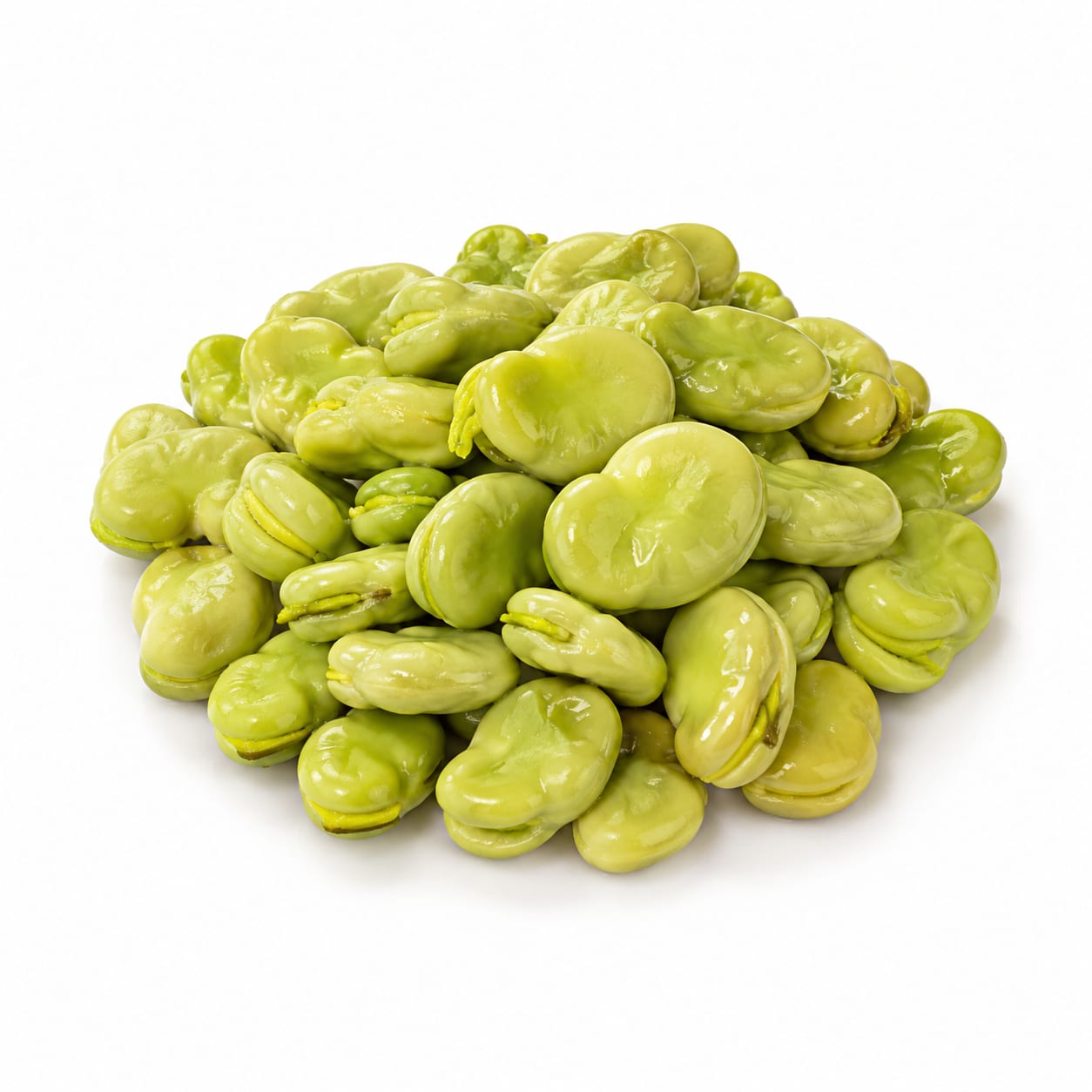
Fava Bean
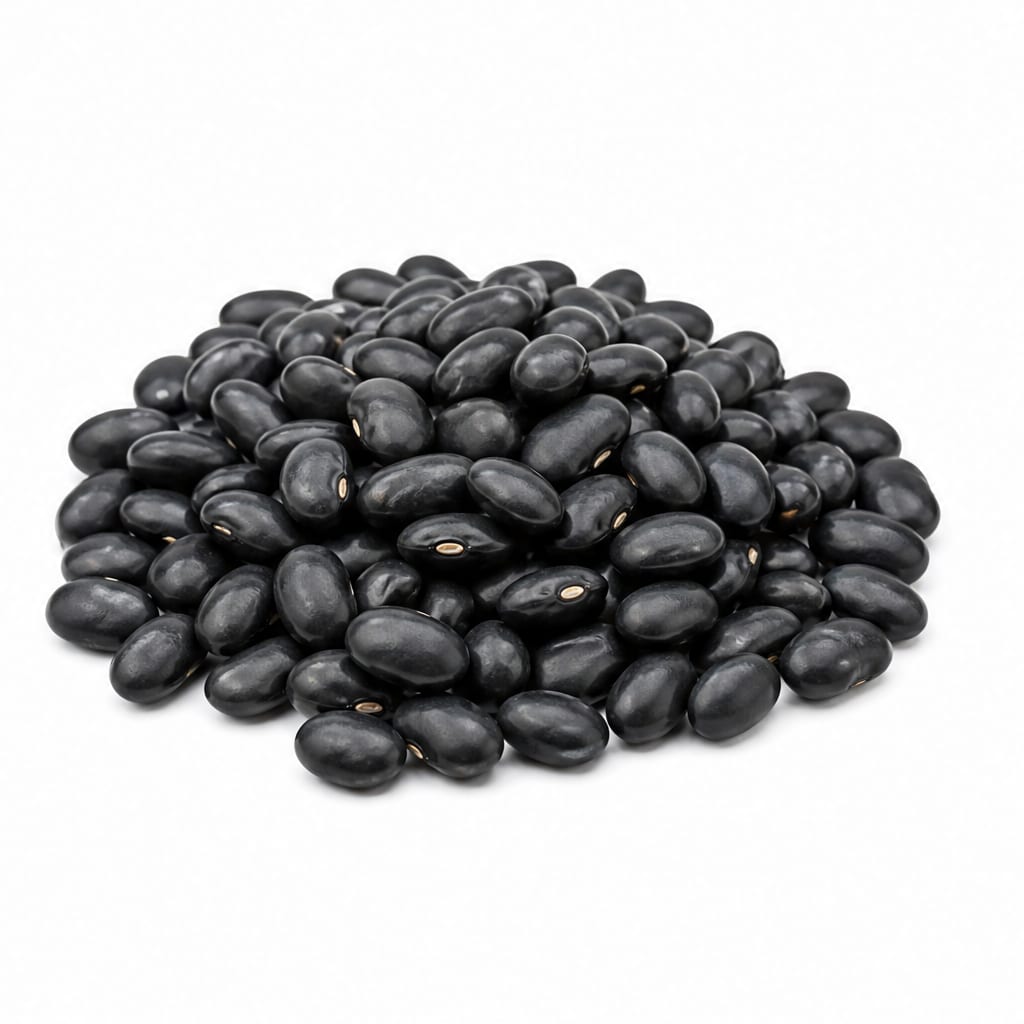
Black Beans
Fava Beans offer more protein and unique compounds like L-dopa, while Black Beans excel in fiber, antioxidants, and everyday convenience.
Black Beans score slightly higher due to broader safety, higher fiber, and superior convenience, though Fava Beans are nutritionally potent for specific needs.
Higher protein and folate in Fava Beans versus superior gut-friendly fiber and easier digestion in Black Beans.
At a glance
Executive summary
Overall
It depends
Healthier
It depends
More practical
Black Beans
Daily use
Black Beans
Key comparison lenses
Genetic safety and allergens
Fava Beans carry a unique and severe risk for individuals with G6PD deficiency, a critical safety differentiator.
Plant-based protein density
Users often compare beans specifically for their macronutrient profiles and protein content per serving.
Digestive health and fiber
Fiber type and quantity vary significantly between these beans, impacting gut health and satiety.
Convenience and culinary use
Preparation time and availability differ greatly, affecting real-world dietary adherence.
Micronutrient and antioxidant profile
Each bean offers distinct micronutrients, like L-dopa in Fava Beans and anthocyanins in Black Beans.
Best choice for
Fava Bean
- Parkinson's disease management
- Anemia support
- High-protein plant-based diets
Black Beans
- Gut health and regularity
- Heart health
- Quick weeknight meals
Least suitable for
Fava Bean
- People with G6PD deficiency (Favism)
- Those needing a quick pantry staple
Black Beans
- People seeking L-dopa for Parkinson's support
- Those looking for a delicate fresh spring vegetable
Deep comparison
Dimension by dimension
Each lens scores both foods and breaks down who each option suits.
- Dimension 1 · Priority 90Fava Bean
Protein Content & Quality
Fava Bean · 90Black Beans · 80Fava Beans pack more protein per serving, making them a denser source for muscle repair and satiety.
Tradeoff
Fava Beans' higher protein comes with slightly more prep time compared to canned Black Beans.
Why it matters
Higher protein keeps you fuller longer and stabilizes blood sugar better after meals.
Real-world impact
You stay satisfied for hours after a Fava Bean salad, reducing the urge to snack before dinner.
Fava Bean
- Muscle maintenance
- Plant-based athletes
Better for
- Quick protein on the go
Worse for
Black Beans
- Balanced macronutrient meals
Better for
- Maximum protein density per bite
Worse for
- Dimension 2 · Priority 85Black Beans
Fiber & Gut Health
Fava Bean · 75Black Beans · 92Black Beans are a fiber powerhouse, especially rich in soluble fiber that feeds beneficial gut bacteria.
Tradeoff
The high fiber in Black Beans can cause initial bloating if you aren't used to it, but it pays off in long-term gut health.
Why it matters
Soluble fiber lowers cholesterol and keeps digestion moving smoothly.
Real-world impact
A regular bowl of Black Bean soup keeps your digestive system predictable and comfortable.
Fava Bean
- Lighter digestive load
Better for
- Maximum bowel regularity
Worse for
Black Beans
- Cholesterol management
- Microbiome support
Better for
- Sensitive stomachs adjusting to high fiber
Worse for
- Dimension 3 · Priority 95Black Beans
Safety & Genetic Conditions
Fava Bean · 60Black Beans · 95Fava Beans pose a severe risk for people with G6PD deficiency (Favism), while Black Beans are safe for nearly everyone.
Tradeoff
Fava Beans offer unique L-dopa benefits for Parkinson's but carry a rare but serious genetic risk.
Why it matters
Eating Fava Beans with G6PD deficiency can trigger acute hemolytic anemia.
Real-world impact
If you have Mediterranean or African heritage, you might need to avoid Fava Beans entirely, making Black Beans the safer staple.
Fava Bean
- Parkinson's disease support
Better for
- G6PD deficient individuals
Worse for
Black Beans
- Universal safety
- Worry-free family meals
Better for
- People seeking L-dopa for Parkinson's support
Worse for
- Dimension 4 · Priority 80Black Beans
Convenience & Culinary Versatility
Fava Bean · 65Black Beans · 90Black Beans are a pantry staple, widely available canned and ready to use in minutes.
Tradeoff
Dried Fava Beans require soaking and peeling, though frozen or canned options are easier but less common.
Why it matters
Convenience often dictates what you actually eat on a busy Tuesday.
Real-world impact
You can whip up Black Bean tacos in 10 minutes, whereas Fava Beans usually require planning ahead.
Fava Bean
- Specialty Mediterranean dishes
- Spring seasonal cooking
Better for
- Last-minute meal needs
Worse for
Black Beans
- Meal prep
- Quick weeknight dinners
- Dips and spreads
Better for
- Delicate, fresh spring flavors
Worse for
- Dimension 5 · Priority 75It depends
Micronutrients & Antioxidants
Fava Bean · 88Black Beans · 86Fava Beans are richer in folate and iron, while Black Beans offer anthocyanins and magnesium.
Tradeoff
Fava Beans support blood health better, while Black Beans excel at fighting cellular damage and inflammation.
Why it matters
Folate is crucial for cell repair and pregnancy, while anthocyanins protect against chronic diseases.
Real-world impact
Choosing Fava Beans helps if you need an iron boost, while Black Beans are better for overall antioxidant defense.
Fava Bean
- Pregnancy nutrition
- Iron deficiency
Better for
- Broad antioxidant variety
Worse for
Black Beans
- Anti-aging
- Inflammation reduction
Better for
- High folate needs
Worse for
Timeline
Health impact over time
Short-term
Hours to days
Fava Bean
- Boosts iron levels quickly
- Provides steady, long-lasting energy
- May cause digestive gas if not cooked well
Black Beans
- Promotes immediate feelings of fullness
- Stabilizes blood sugar after meals
- Can cause temporary bloating if intake increases suddenly
Long-term
Months to years
Fava Bean
- Supports red blood cell production
- May aid Parkinson's symptoms via L-dopa
- Risks hemolytic anemia in G6PD deficient individuals
Black Beans
- Lowers heart disease risk via soluble fiber
- Supports a diverse, healthy gut microbiome
- Helps maintain healthy blood pressure
Risk profile
Safety & processing
Both are whole, natural foods. Canned Black Beans may contain added sodium, so rinsing or choosing low-sodium versions is best.
Fava Bean
Favism (G6PD deficiency reaction)
highCan cause severe hemolytic anemia in genetically susceptible individuals.
Lectin toxicity
mediumRaw or undercooked Fava Beans contain lectins that cause digestive distress; must be boiled thoroughly.
Black Beans
Lectin toxicity
mediumRaw Black Beans are toxic due to phytohaemagglutinin; must be cooked thoroughly, especially if cooking from dry in a slow cooker.
BPA exposure from cans
lowCanned Black Beans may be lined with BPA; choosing dried or BPA-free cans mitigates this.
Who wins for whom
Audience fit
Same foods, different winners depending on your goal.
children
Black BeansBlack Beans are safer, easier to digest, and widely available in kid-friendly forms like mild dips.
daily consumption
Black BeansBlack Beans are easier to prepare, safer for the general population, and highly versatile for daily meals.
diabetes
Black BeansThe superior soluble fiber in Black Beans slows sugar absorption, leading to steadier blood sugar levels.
elderly
It dependsFava Beans provide L-dopa which may help with Parkinson's, but Black Beans are gentler on digestion and universally safe.
muscle gain
Fava BeanFava Beans offer more protein per serving, supporting muscle repair and growth more efficiently.
weight loss
Black BeansBlack Beans' exceptionally high fiber content keeps you fuller for longer on fewer calories.
Your move
Decision guide
Choose Fava Bean
- You want to boost iron or folate intake
- You are managing Parkinson's disease
- You are certain you do not have G6PD deficiency
- You want a higher-protein plant base
Choose Black Beans
- You need a quick, convenient pantry staple
- You want to maximize fiber for gut health
- You have G6PD deficiency or are unsure
- You want a versatile bean for everyday cooking
Either works if
- You are looking for plant-based protein sources
- You want to lower cholesterol with legumes
- You are building healthy grain bowls
Avoid both if
- You have a severe legume allergy
- You are currently on a strict low-FODMAP diet for IBS
Final recommendation
Keep Black Beans as your everyday workhorse for fiber, convenience, and safety, but rotate in Fava Beans occasionally for a protein and folate boost—just confirm you don't have G6PD deficiency first.
Practical
Consumer tips
- 1
If using canned Black Beans, rinse them well to remove up to 40% of the sodium.
- 2
Dried Fava Beans often require soaking overnight and peeling the outer skin for the best texture.
- 3
If you have Mediterranean or African heritage, consider getting tested for G6PD deficiency before eating Fava Beans.
- 4
Never cook dry Black Beans in a slow cooker without boiling them first; slow cookers don't reach high enough temperatures to destroy toxic lectins.
- 5
Add a splash of acid like lemon juice or vinegar to your bean dishes to improve iron absorption.