
Nutrition comparison
Fava Bean vs Lima Beans: Nutrition, Safety, and Taste Compared
Discover the key differences between fava beans and lima beans. Compare nutrition, safety risks like favism and cyanide, and find out which bean is better for your diet.
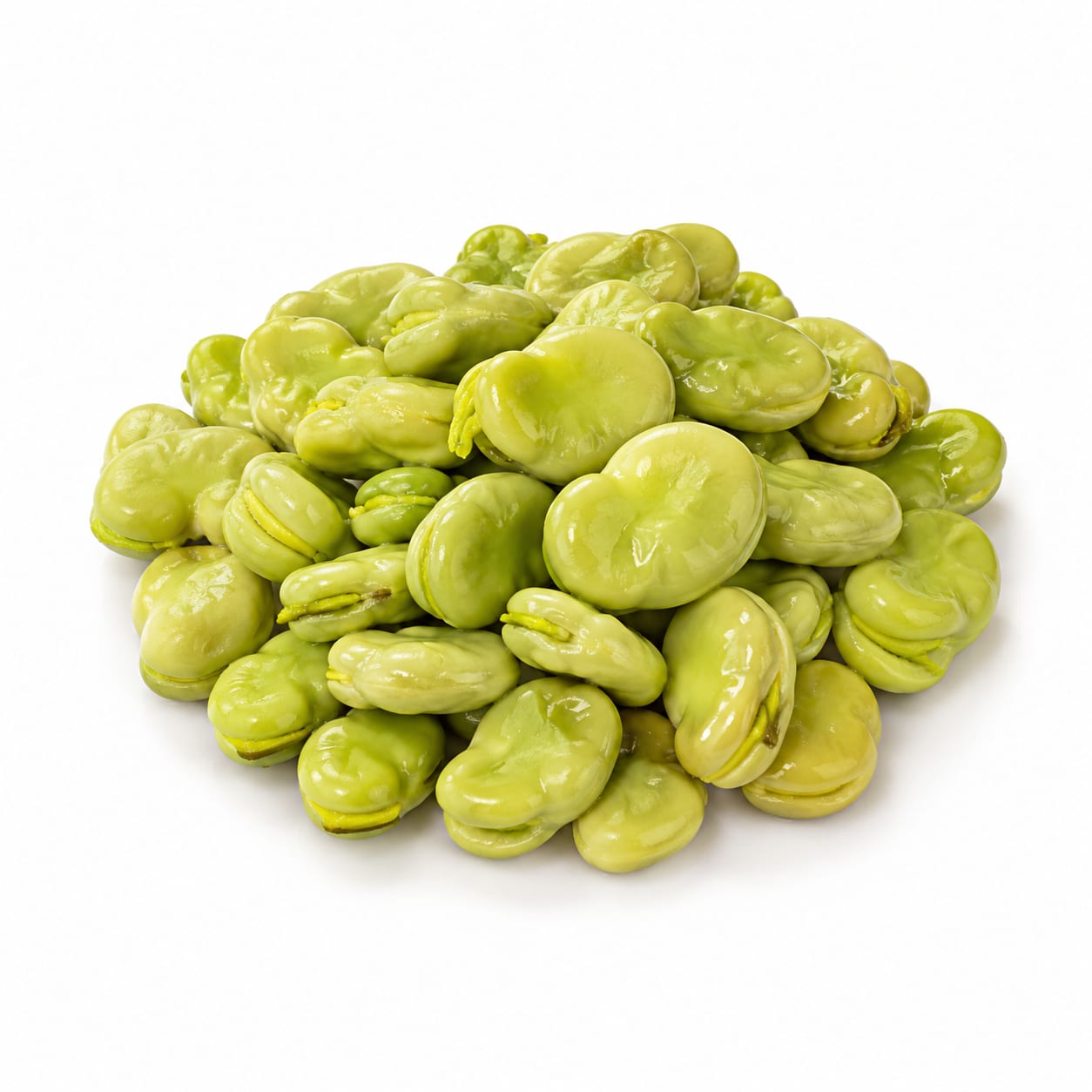
Fava Bean
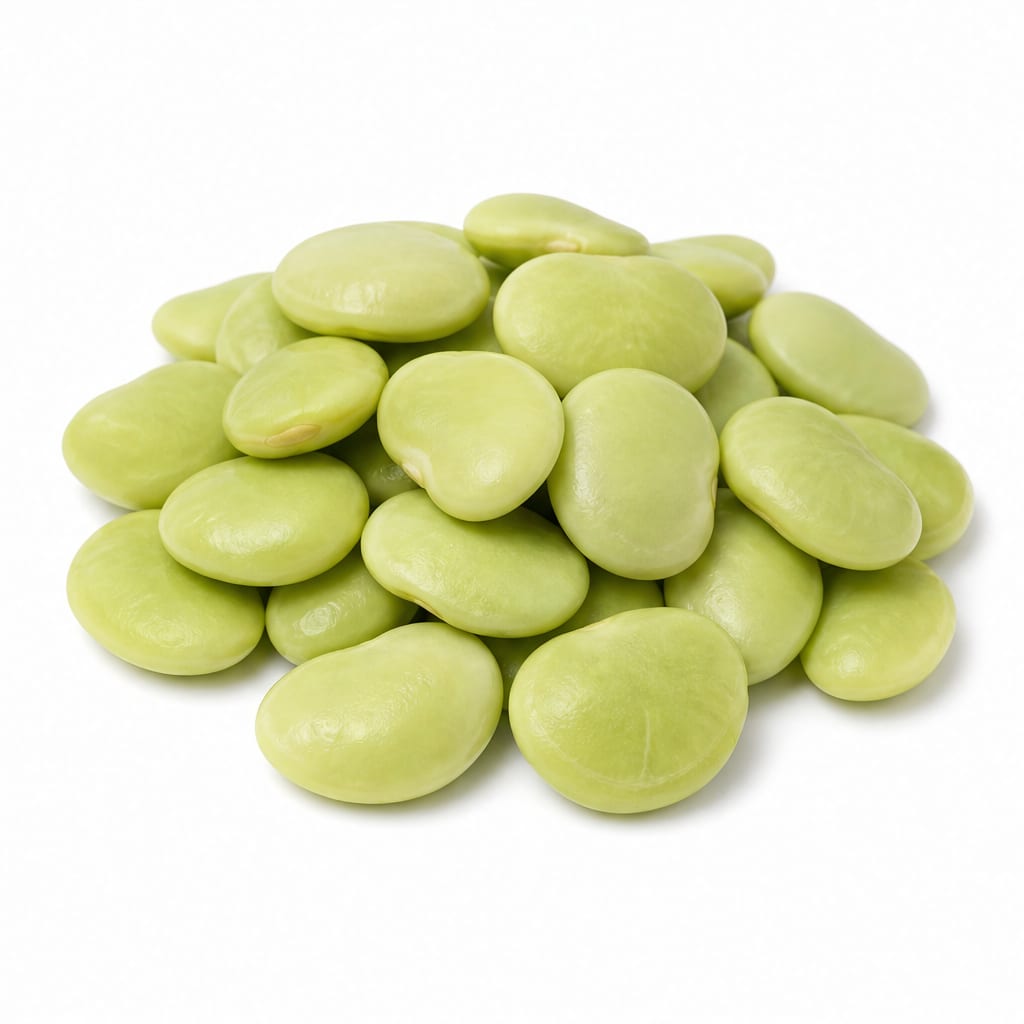
Lima Beans
Fava beans win on pure nutrition, but lima beans win on convenience and broader genetic safety.
Fava beans score slightly higher for their superior micronutrient profile, but lima beans stay close due to better practicality and fewer genetic restrictions.
You trade higher iron and folate in fava beans for the easier prep and safer profile of lima beans.
At a glance
Executive summary
Overall
It depends
Healthier
Fava Bean
More practical
Lima Beans
Daily use
Lima Beans
Key comparison lenses
Genetic safety risks and toxicity
Fava beans carry a unique risk for people with G6PD deficiency, while raw lima beans contain cyanogenic glycosides, making proper preparation critical for both.
Micronutrient density and anemia prevention
Fava beans are significantly richer in iron and folate, making them a stronger choice for blood health and energy.
Preparation effort and practicality
Fresh fava beans require tedious double-peeling, whereas lima beans are far more convenient to prepare from frozen or dried.
Blood sugar management
Both are high-fiber legumes, but their differing starch-to-fiber ratios affect how steadily they release energy.
Best choice for
Fava Bean
- Boosting iron levels and fighting fatigue
- Increasing folate intake during pregnancy
- Adding plant-based protein to vegetarian diets
Lima Beans
- Quick, hassle-free weeknight meals
- People with G6PD deficiency
- Creating creamy, comforting side dishes
Least suitable for
Fava Bean
- Anyone with G6PD deficiency (favism risk)
- Busy cooks wanting fast meal prep
- Those prone to severe digestive bloating
Lima Beans
- People seeking maximum iron from plant sources
- Anyone tempted to cook beans al dente (raw lima beans are toxic)
- Low-carb dieters
Deep comparison
Dimension by dimension
Each lens scores both foods and breaks down who each option suits.
- Dimension 1 · Priority 90Fava Bean
Micronutrient Density
Fava Bean · 88Lima Beans · 72Fava beans deliver significantly more iron, folate, and manganese per serving.
Tradeoff
You get a stronger nutritional punch from fava beans, but lima beans still offer solid B-vitamins and potassium.
Why it matters
Iron and folate are common deficiencies, especially for women, making fava beans a potent natural remedy.
Real-world impact
Eating fava beans regularly can help steady your energy levels and combat that mid-afternoon slump tied to low iron.
Fava Bean
- Preventing iron-deficiency anemia
- Supporting healthy pregnancy with folate
Better for
- Those who want a low-maintenance nutrient source
Worse for
Lima Beans
- Maintaining basic potassium needs
Better for
- Correcting significant iron or folate gaps
Worse for
- Dimension 2 · Priority 95Lima Beans
Safety and Toxicity
Fava Bean · 60Lima Beans · 80Fava beans pose a severe risk for those with G6PD deficiency, while lima beans only pose a risk if eaten raw.
Tradeoff
Lima beans require thorough cooking to neutralize natural cyanide, but fava beans carry an irreversible genetic risk for a subset of people.
Why it matters
Favism can trigger acute hemolytic anemia in susceptible individuals, which is far more dangerous than the easily-avoided risk of undercooked lima beans.
Real-world impact
If you have G6PD deficiency, eating fava beans can land you in the hospital. With lima beans, simply boiling them until tender keeps you perfectly safe.
Fava Bean
- People confirmed to not have G6PD deficiency
Better for
- Unsuspecting individuals with undiagnosed G6PD deficiency
Worse for
Lima Beans
- Those with unknown genetic profiles
- People with G6PD deficiency
Better for
- Impatient cooks who might undercook their beans
Worse for
- Dimension 3 · Priority 85Lima Beans
Preparation and Practicality
Fava Bean · 45Lima Beans · 85Lima beans are far easier to prep, while fresh fava beans require tedious double-peeling.
Tradeoff
Fava beans reward you with a vibrant, buttery flavor but steal your time; lima beans are ready in minutes with zero fuss.
Why it matters
If a food is annoying to cook, you simply will not eat it often enough to reap the health benefits.
Real-world impact
You can dump frozen lima beans straight into a soup. Fresh fava beans demand shelling, blanching, and peeling each individual bean.
Fava Bean
- Weekend cooking projects
- Impressive dinner party sides
Better for
- Quick 20-minute weeknight dinners
Worse for
Lima Beans
- Tired weeknights
- Meal prepping in bulk
Better for
- Gourmet culinary experiences
Worse for
- Dimension 4 · Priority 80Fava Bean
Blood Sugar Stability
Fava Bean · 82Lima Beans · 75Fava beans have a slightly better fiber-to-carb ratio, leading to steadier blood sugar.
Tradeoff
Both are excellent choices compared to refined carbs, but fava beans edge out lima beans with a bit more fiber to slow digestion.
Why it matters
More fiber means fewer spikes and crashes, keeping you full and focused longer.
Real-world impact
A bowl of fava beans will keep you satisfied until your next meal without triggering a dessert craving.
Fava Bean
- Diabetics seeking tighter glycemic control
- Sustained energy through long workdays
Better for
- Those who find high-fiber meals too heavy before exercise
Worse for
Lima Beans
- Post-workout recovery needing slightly faster carbs
Better for
- Those highly sensitive to carb-driven energy crashes
Worse for
Timeline
Health impact over time
Short-term
Hours to days
Fava Bean
- Noticeable energy lift from high iron content
- Potential for bloating or gas due to dense fiber
Lima Beans
- Quick feeling of fullness from starchy density
- Mild digestive adjustment if your body isn't used to legumes
Long-term
Months to years
Fava Bean
- Improved blood health and anemia prevention
- Potential neuroprotective benefits from natural L-dopa
Lima Beans
- Consistent heart health support via potassium and fiber
- Steady weight management from satiating starches
Risk profile
Safety & processing
Both are whole, natural foods. Canned versions may contain added sodium, but dried or frozen options are completely additive-free.
Fava Bean
Favism (G6PD deficiency reaction)
highCan cause severe hemolytic anemia in genetically susceptible individuals. Avoid entirely if you have G6PD deficiency.
Lima Beans
Cyanogenic glycosides (cyanide precursors)
mediumRaw lima beans contain compounds that release cyanide. Thorough cooking completely destroys this risk, making them safe to eat.
Who wins for whom
Audience fit
Same foods, different winners depending on your goal.
children
Lima BeansLima beans have a creamier, milder texture that kids often prefer, and they lack the severe genetic risk factor of fava beans if the child's G6PD status is unknown.
daily consumption
Lima BeansLima beans are far easier to prepare on a daily basis and don't carry the risk of triggering a genetic condition.
diabetes
Fava BeanA better fiber-to-carbohydrate ratio in fava beans helps blunt blood sugar spikes more effectively.
elderly
Fava BeanThe high folate, iron, and natural L-dopa in fava beans support cognitive health and energy in aging adults.
muscle gain
Fava BeanHigher protein content in fava beans provides more of the building blocks needed for muscle repair.
weight loss
Fava BeanFava beans offer more protein and fiber per calorie, making them slightly more satiating for weight management.
Your move
Decision guide
Choose Fava Bean
- You want to boost your iron and folate intake naturally
- You know for certain you do not have G6PD deficiency
- You enjoy cooking and don't mind the extra prep work
Choose Lima Beans
- You want a quick, comforting side dish with minimal effort
- You or your family members have G6PD deficiency
- You prefer a creamier, more starch-forward texture
Either works if
- You just need a solid plant-based protein source for a grain bowl
- You are looking to increase your daily fiber intake
Avoid both if
- You are currently on a strict very-low-carb or keto diet
- You have a severe legume allergy
Final recommendation
Let your kitchen time and genetics decide. Choose fava beans when you have the time to prep them and want a major nutrient upgrade, but default to lima beans for easy, everyday meals that are safe for nearly everyone.
Practical
Consumer tips
- 1
Always boil lima beans thoroughly for at least 10 minutes to destroy any natural cyanide compounds.
- 2
If preparing fresh fava beans, blanch them for 30 seconds in boiling water before slipping off the outer skin of each bean.
- 3
Rinse canned varieties of both beans to remove up to 40% of the added sodium.
- 4
If you are of Mediterranean or African descent, consider getting tested for G6PD deficiency before eating fava beans, as the genetic trait is more common in these populations.