
Nutrition comparison
Farro vs White Rice: Which Grain Is Better for Energy and Health?
Compare Farro and White Rice to see which is better for blood sugar, weight loss, and daily energy. Discover the nutritional tradeoffs and find out which grain fits your lifestyle.
Overall winner · Farro
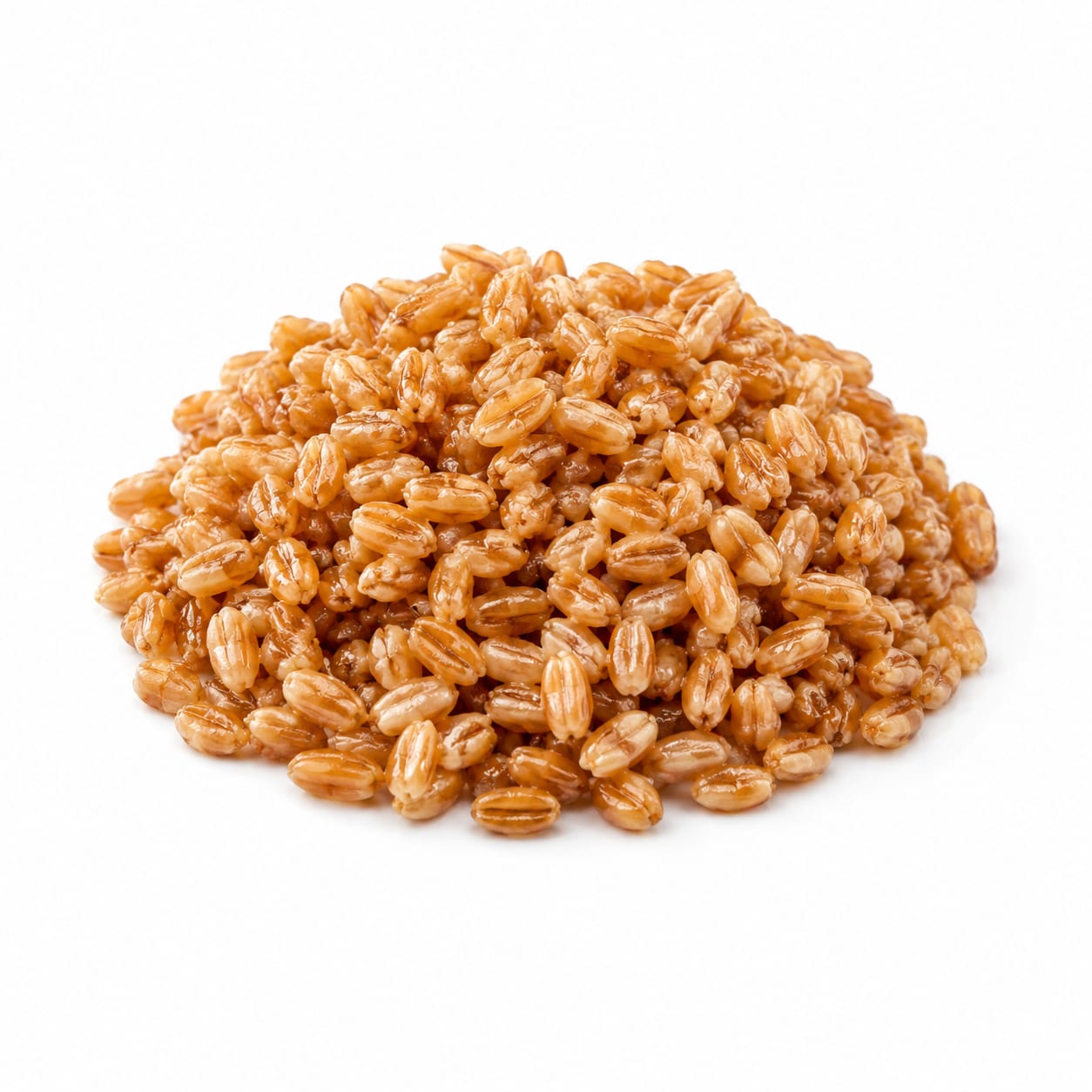
Farro
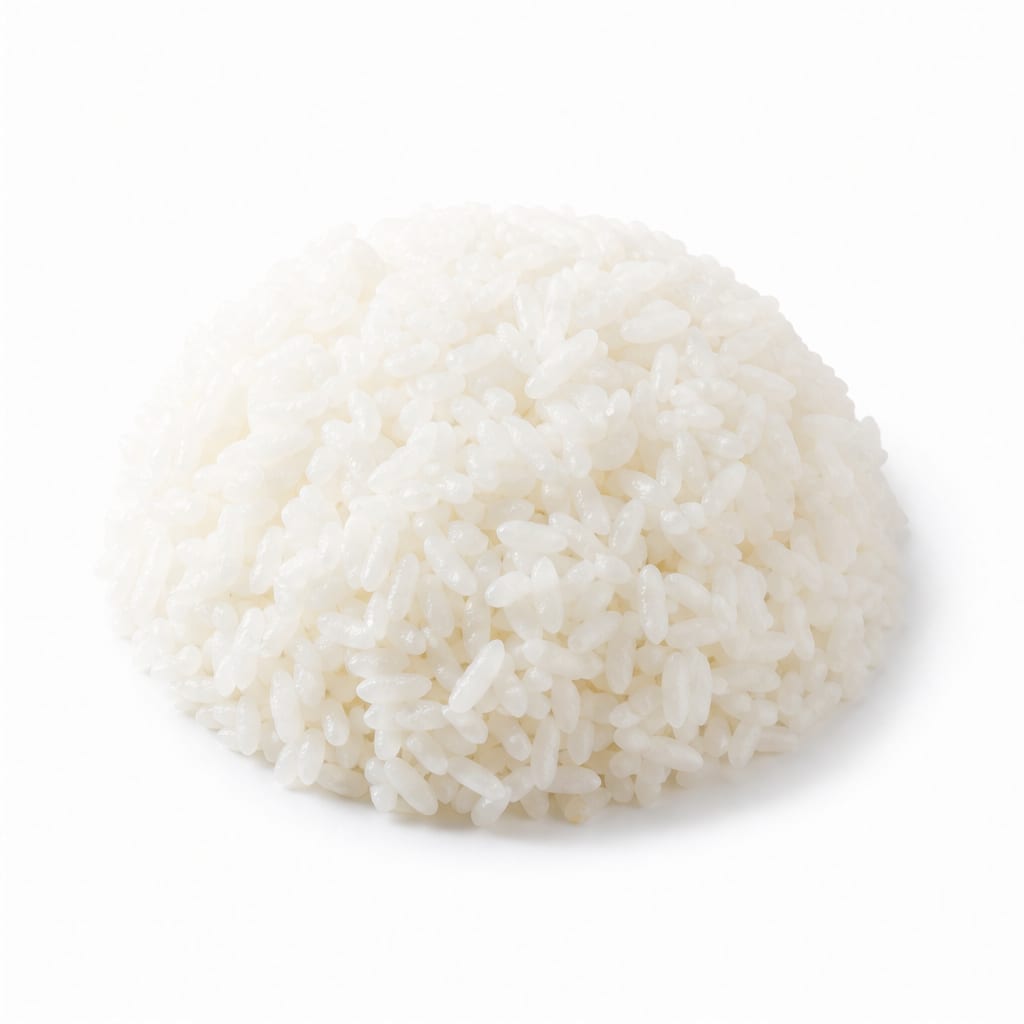
White Rice
Farro dominates on nutrition and satiety, but White Rice wins for quick energy and sensitive stomachs.
Farro scores significantly higher due to its superior fiber, protein, and micronutrient profile, while White Rice is penalized for its blood sugar impact and low nutrient density.
You trade fast cooking and easy digestion for long-lasting energy and massive nutritional upgrades.
At a glance
Executive summary
Overall
Farro
Healthier
Farro
More practical
White Rice
Daily use
Farro
Key comparison lenses
Blood sugar control and energy stability
Farro provides slow-burning complex carbs, while White Rice causes rapid blood sugar spikes and crashes.
Nutrient density vs empty calories
Farro is packed with fiber, protein, and minerals, whereas White Rice is stripped of most nutrients during processing.
Digestive tolerance and comfort
White Rice is a go-to for sensitive stomachs, while Farro's high fiber and gluten content can be irritating for some.
Convenience and weeknight practicality
White Rice cooks quickly and is universally available, while Farro takes longer to prepare.
Best choice for
Farro
- People wanting steady energy without crashes
- Anyone looking to increase daily fiber and protein
- Those managing blood sugar or insulin resistance
White Rice
- Post-workout carb replenishment
- People with acute digestive distress or nausea
- Gluten-free diets
Least suitable for
Farro
- People with celiac disease or gluten sensitivity
- Those needing a quick 15-minute weeknight meal
White Rice
- People with diabetes or metabolic syndrome
- Those trying to lose weight or increase satiety
Deep comparison
Dimension by dimension
Each lens scores both foods and breaks down who each option suits.
- Dimension 1 · Priority 95Farro
Blood Sugar Stability
Farro · 90White Rice · 20Farro provides steady, slow-releasing energy, while White Rice causes rapid spikes followed by crashes.
Tradeoff
You give up the quick sugar rush of White Rice for all-day energy stability with Farro.
Why it matters
Stable blood sugar means fewer cravings, better focus, and less afternoon fatigue.
Real-world impact
Eating Farro at lunch keeps you full and alert until dinner; White Rice often leaves you reaching for a snack by 3 PM.
Farro
- Avoiding the afternoon energy crash
- Managing insulin resistance or prediabetes
Better for
- Situations requiring immediate, fast-absorbing energy
Worse for
White Rice
- Quick carb loading right before or after intense exercise
Better for
- Anyone prone to reactive hypoglycemia or sugar cravings
Worse for
- Dimension 2 · Priority 90Farro
Nutrient Density
Farro · 92White Rice · 15Farro is a nutritional powerhouse loaded with fiber, protein, magnesium, and B vitamins; White Rice is mostly empty starch.
Tradeoff
Farro requires more chewing and takes longer to cook, but you get exponentially more vitamins and minerals per bite.
Why it matters
Nutrient-dense foods satisfy your body's actual needs, naturally reducing overeating and cravings.
Real-world impact
A bowl of Farro contributes meaningfully to your daily protein and fiber goals; White Rice is just a calorie vehicle.
Farro
- Meeting daily fiber and protein targets easily
- Supporting heart and gut health long-term
Better for
- Very low-fiber diets prescribed temporarily for digestive rest
Worse for
White Rice
- Delivering pure calories when appetite is low
Better for
- Preventing nutrient deficiencies on a grain-heavy diet
Worse for
- Dimension 3 · Priority 80White Rice
Digestive Tolerance
Farro · 45White Rice · 95White Rice is incredibly gentle and often recommended for upset stomachs, while Farro contains gluten and high fiber that can irritate sensitive guts.
Tradeoff
Farro feeds your gut microbiome beautifully, but White Rice is the safer choice when your digestive system is already distressed.
Why it matters
Eating the wrong grain during a flare-up can mean bloating and discomfort for hours.
Real-world impact
White Rice is comforting and safe after food poisoning; Farro might cause painful bloating in the same scenario.
Farro
- Feeding beneficial gut bacteria during normal health
Better for
- Celiac disease or severe non-celiac gluten sensitivity
Worse for
White Rice
- Recovering from a stomach bug or IBS flare
- Days when you need comfort food that is easy on the stomach
Better for
- Chronic constipation from a low-fiber diet
Worse for
- Dimension 4 · Priority 75White Rice
Convenience and Cook Time
Farro · 40White Rice · 90White Rice cooks in 15 minutes and is foolproof; Farro takes 30-40 minutes and requires more attention.
Tradeoff
You sacrifice weeknight speed to get Farro's superior nutritional payoff.
Why it matters
When you are hungry and tired, a 40-minute cook time often means you will just order takeout instead.
Real-world impact
White Rice is a reliable 20-minute side dish; Farro usually requires weekend meal prep or planning ahead.
Farro
- Batch cooking on Sundays for the week ahead
Better for
- Impromptu cooking when you are already starving
Worse for
White Rice
- Last-minute dinners on busy weeknights
- Quick meal prep when time is extremely limited
Better for
- Situations where you want the meal to keep you full for hours
Worse for
Timeline
Health impact over time
Short-term
Hours to days
Farro
- Provides long-lasting satiety without a sugar crash
- May feel heavy or cause bloating if you are not used to high fiber
White Rice
- Offers rapid energy replenishment for depleted muscles
- Likely to trigger hunger and cravings within an hour or two
Long-term
Months to years
Farro
- Supports healthy cholesterol and blood pressure levels
- Reduces risk of type 2 diabetes through improved insulin sensitivity
- Promotes a diverse and healthy gut microbiome
White Rice
- Frequent consumption increases the risk of type 2 diabetes
- Contributes negligible fiber, potentially leading to chronic constipation
- Can promote weight gain if portions are not strictly controlled
Risk profile
Safety & processing
Farro is an ancient wheat grain eaten in its whole form, retaining its bran and germ. White Rice has been milled and polished to remove the nutrient-rich bran and germ, leaving mostly starchy endosperm.
Farro
Gluten content
highFarro contains gluten, making it unsafe for anyone with celiac disease or a serious gluten intolerance.
Arsenic contamination
lowAs a wheat grain, Farro typically absorbs far less inorganic arsenic from soil than rice does.
White Rice
Arsenic contamination
mediumRice naturally accumulates more arsenic than other grains, and regular consumption can increase exposure, particularly a concern for children.
Blood sugar volatility
mediumThe rapid digestion of White Rice can cause repeated blood sugar spikes that stress the metabolic system over time.
Who wins for whom
Audience fit
Same foods, different winners depending on your goal.
children
It dependsWhite Rice is often easier for toddlers to chew and digest, but Farro provides essential nutrients for growth; White Rice should be moderated due to arsenic concerns in kids.
daily consumption
FarroFarro's robust nutritional profile supports long-term health, whereas daily White Rice consumption can crowd out more nutrient-dense foods and disrupt blood sugar.
diabetes
FarroFarro's complex carbohydrates and fiber prevent dangerous blood sugar spikes, making it vastly superior for glycemic control compared to White Rice.
elderly
White RiceWhite Rice is softer, easier to chew, and gentler on aging digestive systems that may struggle with high-fiber grains like Farro.
muscle gain
It dependsFarro offers more protein per serving for muscle repair, but White Rice provides the fast-digesting carbs preferred by many bodybuilders right after a workout.
weight loss
FarroFarro's high fiber and protein content dramatically increase fullness, making it much easier to eat fewer calories overall compared to White Rice.
Your move
Decision guide
Choose Farro
- You want steady energy and no afternoon crash
- You are trying to eat more whole foods and increase your fiber intake
- You are managing your weight, blood sugar, or heart health
Choose White Rice
- You need a gentle meal for an upset stomach or digestive recovery
- You are doing intense endurance training and need fast carb replenishment
- You eat a gluten-free diet and need a safe, quick side dish
Either works if
- You are mixing grains into a heavy vegetable and protein bowl where the base is less important
- You are meal-prepping and want a variety of carb sources across the week
Avoid both if
- You are on a strict ketogenic or very low-carb diet
- You have severe grain allergies that preclude both wheat and rice
Final recommendation
Make Farro your default grain for everyday meals to maximize nutrition and satiety. Keep White Rice on hand as a tool for post-workout recovery, sick days, or when you need a gluten-free option. The nutritional gap between the two is massive, so when in doubt, Farro is the better investment in your long-term energy and health.
Practical
Consumer tips
- 1
Try semi-pearled Farro as a compromise: it cooks faster than whole Farro but retains more nutrients than White Rice.
- 2
If you eat White Rice regularly, cool it in the fridge after cooking and reheat it; this creates resistant starch, which lowers its glycemic impact and feeds your gut bacteria.
- 3
Rinsing White Rice before cooking can reduce its arsenic content by up to 30 percent.
- 4
If you are transitioning from White Rice to Farro, start by mixing them half-and-half so your palate and digestion can adjust to the nuttier, chewier texture.