
Nutrition comparison
Farro vs Wheat Berries: Nutrition, Fiber, and Cooking Comparison
Comparing Farro and Wheat Berries? Discover which whole grain is better for fiber, blood sugar, and easy weeknight dinners.
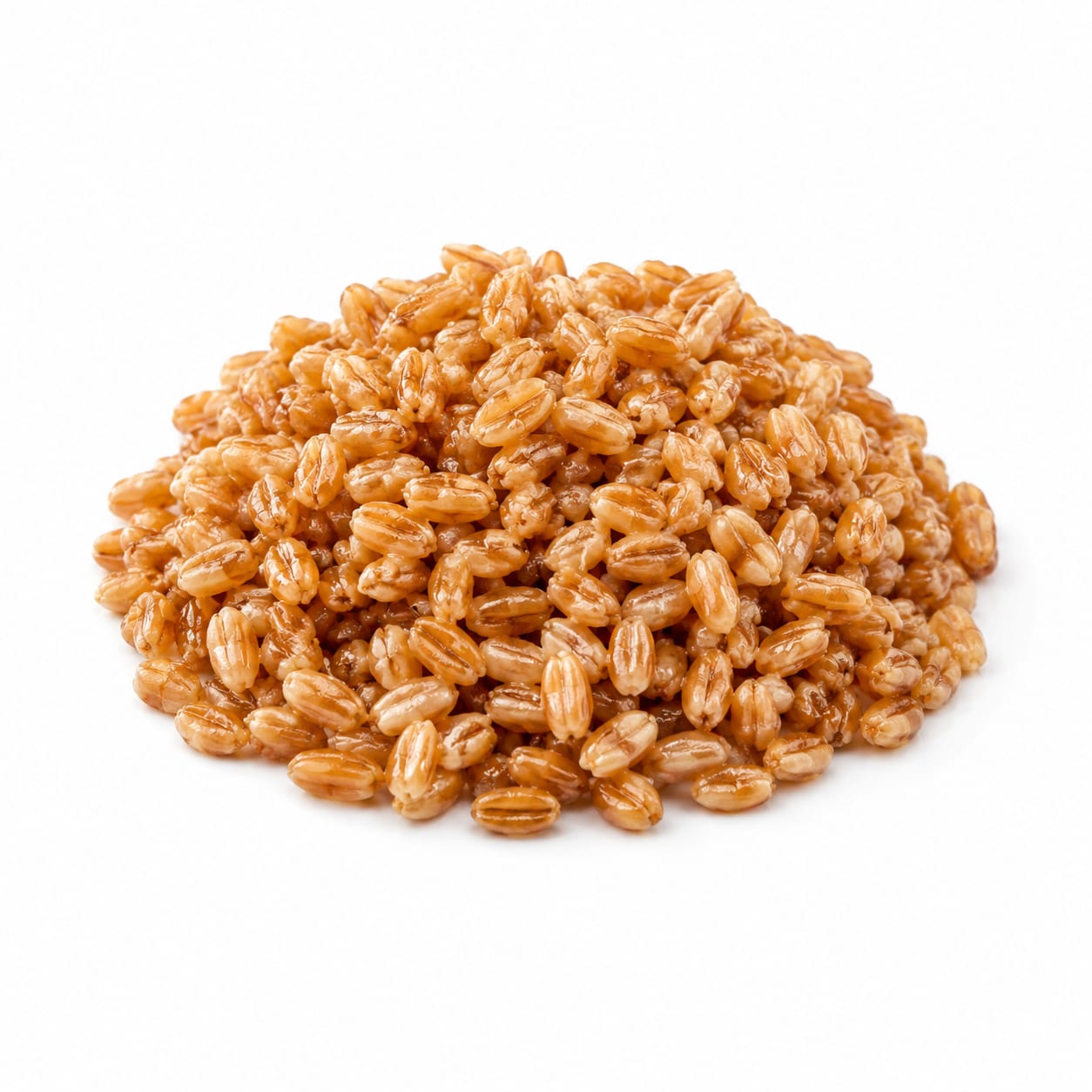
Farro
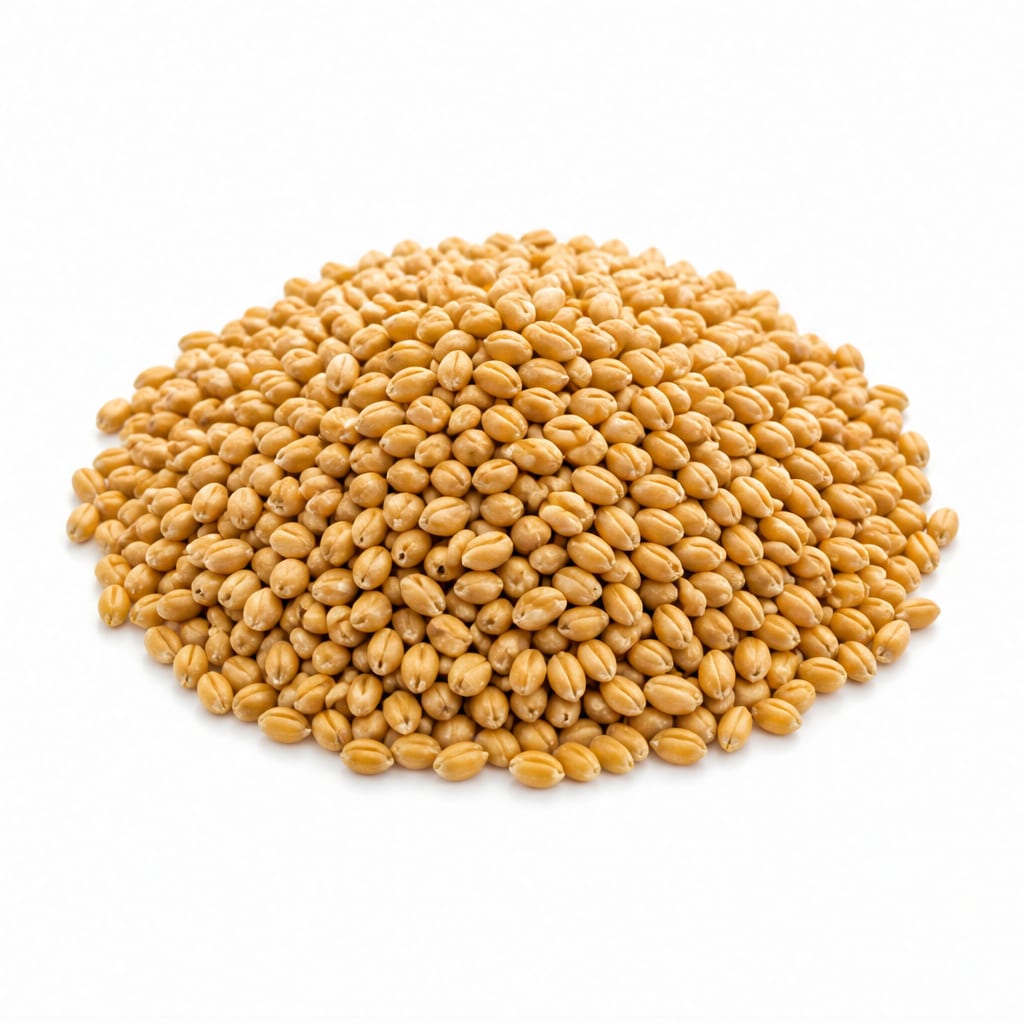
Wheat Berries
Farro offers quicker cooking and a slightly softer bite, while Wheat Berries deliver maximum fiber and a deeply chewy texture for patient cooks.
Farro scores slightly higher overall due to practical convenience, making it easier to incorporate into a regular diet, though Wheat Berries edge out slightly in raw nutrient density.
Convenience and faster digestion versus ultimate fiber content and hearty chew.
At a glance
Executive summary
Overall
It depends
Healthier
It depends
More practical
Farro
Daily use
Farro
Key comparison lenses
Whole grain nutritional value
Both are praised as nutrient-dense ancient or whole grains, so users want to know which offers more fiber, protein, and vitamins.
Cooking convenience and meal prep
Farro and Wheat Berries have drastically different cook times, heavily influencing which one a home cook actually chooses to use.
Satiety and weight management
Users often switch to whole grains to stay full longer, making chewiness and fiber density critical comparison points.
Digestive tolerance and gluten content
Both are forms of wheat, but their differing fiber loads and textures affect how comfortable they are to digest.
Best choice for
Farro
- Busy weeknight dinners
- People wanting whole grains without long prep
- Lighter chew for easier digestion
Wheat Berries
- Meal prepping large batches
- Maximum fullness and fiber intake
- Hearty salads and soups needing structural integrity
Least suitable for
Farro
- Those avoiding all gluten
- People wanting the absolute highest fiber
Wheat Berries
- Quick weeknight meals
- People with sensitive digestion who struggle with very chewy grains
Deep comparison
Dimension by dimension
Each lens scores both foods and breaks down who each option suits.
- Dimension 1 · Priority 90Wheat Berries
Nutrient Density & Fiber
Farro · 82Wheat Berries · 88Wheat Berries pack a slightly heavier punch of fiber and protein per serving compared to Farro.
Tradeoff
You get more fiber with Wheat Berries, but it comes with a denser, chewier texture that takes longer to cook.
Why it matters
Higher fiber keeps you full longer and feeds gut bacteria better.
Real-world impact
A bowl of Wheat Berries will likely keep you satisfied an hour longer than Farro before hunger creeps back.
Farro
- A lighter whole grain side dish
Better for
- Those needing very high fiber diets
Worse for
Wheat Berries
- Gut health optimization
- Maximizing daily fiber goals
Better for
- Those unaccustomed to very heavy, dense grains
Worse for
- Dimension 2 · Priority 85Farro
Cooking Convenience & Practicality
Farro · 90Wheat Berries · 55Farro cooks in about 20-30 minutes, while Wheat Berries require 60-90 minutes of simmering.
Tradeoff
Farro saves significant time on busy days, whereas Wheat Berries demand planning or a pressure cooker.
Why it matters
Convenience often dictates whether a healthy food actually gets eaten on a random Tuesday.
Real-world impact
You can easily throw Farro into a weeknight dinner, but Wheat Berries usually require weekend meal prep.
Farro
- Last-minute dinners
- Spontaneous cooking
Better for
- Those who prefer a very firm, chewy grain that holds up to long cooking
Worse for
Wheat Berries
- Slow cooker recipes
- Batch cooking for the week
Better for
- Impatient cooks
- Weeknight time crunches
Worse for
- Dimension 3 · Priority 80It depends
Blood Sugar Stability
Farro · 85Wheat Berries · 88Both are excellent for steady energy, but Wheat Berries have a marginally lower glycemic impact due to their intact bran and slower digestion.
Tradeoff
Wheat Berries provide slightly steadier energy, but Farro is still vastly superior to refined grains.
Why it matters
Steadier energy means avoiding the afternoon crash and cravings.
Real-world impact
Both will keep your blood sugar stable, but Wheat Berries might delay your next meal slightly longer.
Farro
- A pre-workout carb that digests a bit faster
Better for
- Those extremely sensitive to blood sugar spikes
Worse for
Wheat Berries
- Sustained energy for long hikes or busy days
Better for
- Those needing quick energy right before intense activity
Worse for
- Dimension 4 · Priority 75Farro
Digestive Tolerance
Farro · 78Wheat Berries · 65Farro is often easier on the stomach due to its slightly lower fiber density and softer texture when cooked.
Tradeoff
Farro digests more comfortably for most, while Wheat Berries can feel heavy or cause bloating if you are not used to the fiber load.
Why it matters
A healthy food only works if your body tolerates it well without discomfort.
Real-world impact
Eating Wheat Berries for the first time in a large portion might leave you feeling overly full or gassy.
Farro
- Transitioning from refined to whole grains
- Sensitive stomachs
Better for
- Those looking for maximum digestive roughage
Worse for
Wheat Berries
- Robust digestion used to high-fiber diets
Better for
- People with IBS or sensitive guts
Worse for
Timeline
Health impact over time
Short-term
Hours to days
Farro
- Quick, steady energy without feeling overly stuffed
- Easy to pair with lean proteins and veggies for a balanced plate
Wheat Berries
- Highly filling, may reduce snacking for hours
- Can cause bloating if portions are too large initially
Long-term
Months to years
Farro
- Consistent whole grain intake supports heart health
- Easier to maintain as a daily habit due to convenience
Wheat Berries
- Excellent long-term gut health from high fiber
- Sustained blood sugar control reduces diabetes risk
Risk profile
Safety & processing
Both Farro and Wheat Berries are whole, intact grains with no artificial additives. Farro sometimes has its bran partially removed (pearled or semi-pearled) for faster cooking, while Wheat Berries are always the fully intact kernel.
Farro
Gluten exposure
mediumFarro is a form of wheat and contains gluten, making it unsafe for those with celiac disease.
Phytic acid
lowLike all whole grains, Farro contains phytic acid which can slightly reduce mineral absorption; soaking helps.
Wheat Berries
Gluten exposure
mediumWheat Berries are pure wheat and contain high gluten, strictly unsafe for celiacs.
Phytic acid
lowWheat Berries have high phytic acid; soaking overnight is recommended to improve nutrient absorption.
Who wins for whom
Audience fit
Same foods, different winners depending on your goal.
children
FarroFarro has a softer texture and milder flavor that kids are more likely to accept without complaint.
daily consumption
FarroFarro's shorter cook time and easier digestion make it a more realistic daily staple.
diabetes
Wheat BerriesThe fully intact bran and higher fiber of Wheat Berries create a slightly slower, more favorable blood sugar response.
elderly
FarroFarro is easier to chew and gentler on aging digestive systems.
muscle gain
Wheat BerriesWheat Berries contain slightly more protein per serving, supporting muscle repair.
weight loss
Wheat BerriesWheat Berries' extreme chewiness and higher fiber slow down eating speed and prolong fullness better.
Your move
Decision guide
Choose Farro
- You need a healthy grain on the table in under 30 minutes
- You prefer a tender but still chewy texture
- You have a sensitive stomach but want whole grain benefits
Choose Wheat Berries
- You love meal prepping and cooking in large batches
- You want the absolute maximum fiber and protein from your grain
- You enjoy a very hearty, chewy bite in salads and bowls
Either works if
- You want a nutrient-dense alternative to rice or pasta
- You are looking for steady, all-day energy
Avoid both if
- You have celiac disease or a severe gluten intolerance
- You are on a strict low-carb or ketogenic diet
Final recommendation
Choose Farro for everyday convenience and easier digestion, or Wheat Berries when you have time to meal-prep and want maximum fullness and fiber.
Practical
Consumer tips
- 1
Soak Wheat Berries overnight to cut cooking time in half and improve digestibility.
- 2
Rinse both grains before cooking to remove any residual debris.
- 3
Toast either grain in a dry pan for a few minutes before boiling to enhance the nutty flavor.
- 4
If buying Farro, check if it is 'pearled' (no bran), 'semi-pearled' (some bran), or 'whole' (all bran); whole is healthiest but takes longest.