
Nutrition comparison
Farro vs Oats: Which Grain Is Healthier for You?
Compare farro and oats on protein, heart health, blood sugar, gluten, and convenience. Learn which grain fits your goals and when to choose each.
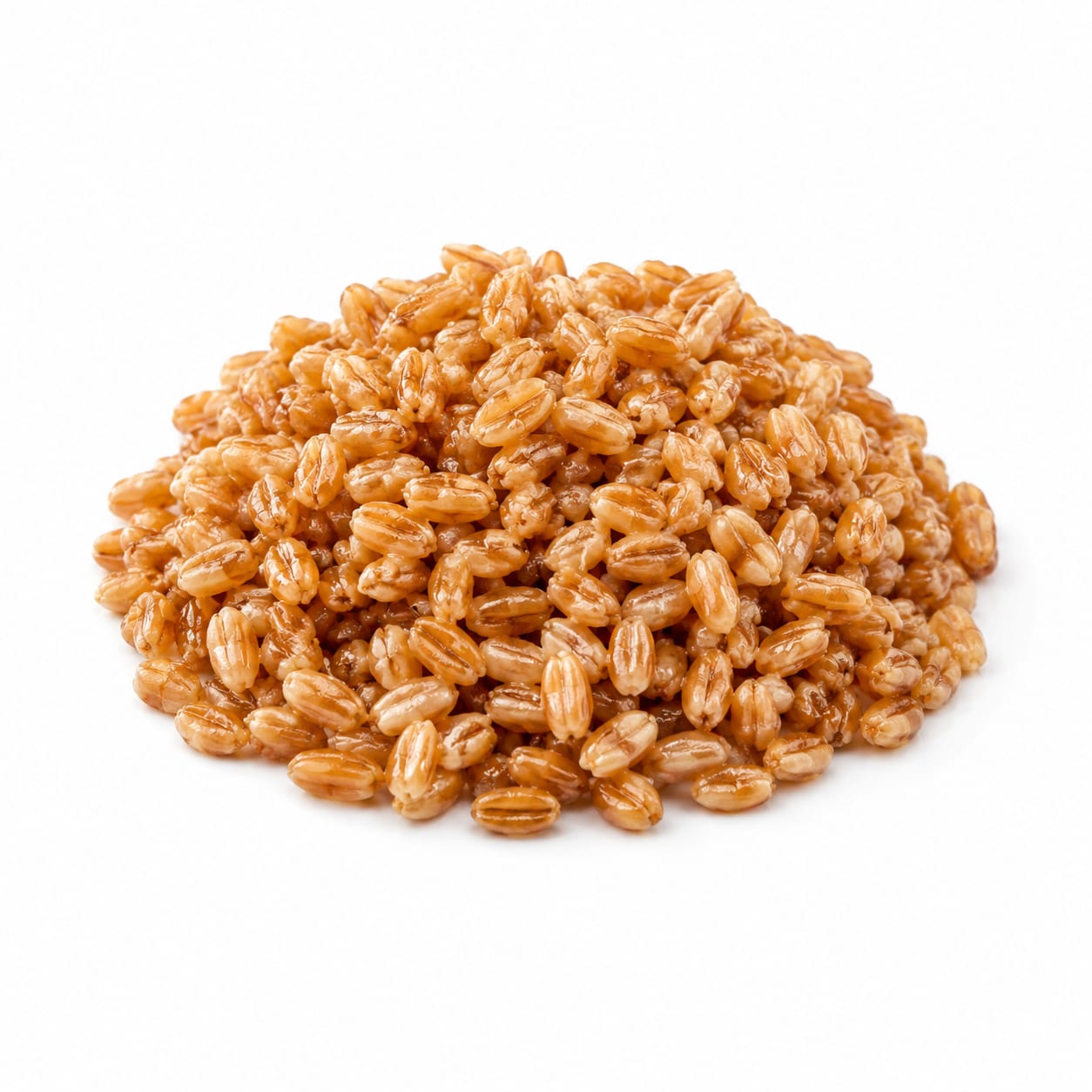
Farro
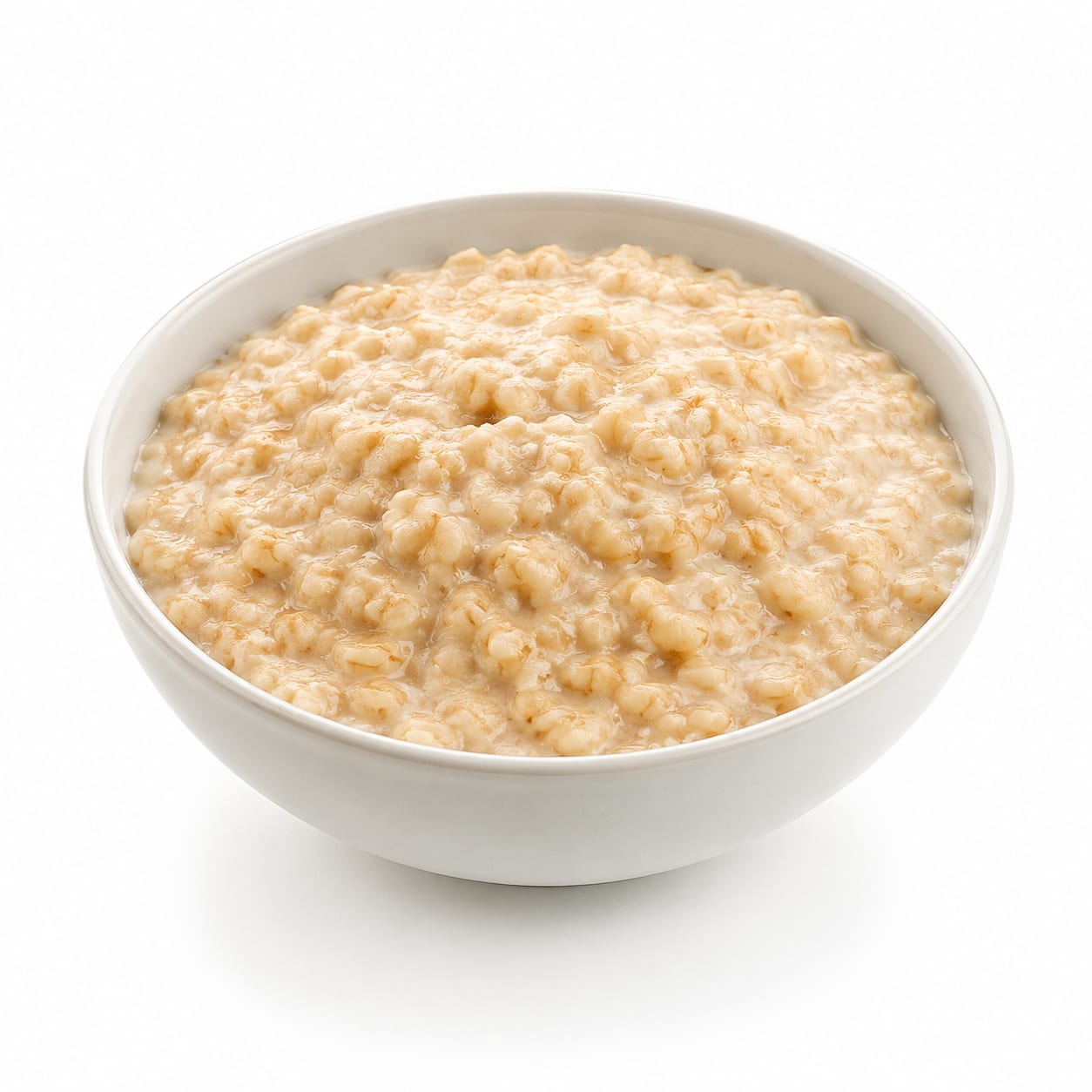
Oats
Oats win for heart health, convenience, and gluten-free diets. Farro wins for protein, satiety, and savory meal versatility. Your choice depends on what your body and schedule need most.
Oats score higher overall due to their unique heart-health benefits, lower cost, faster cooking, and gluten-free nature. Farro remains excellent but its gluten content, higher price, and longer cook time narrow its everyday appeal.
Oats give you heart-protective beta-glucan and quick cooking. Farro gives you more protein, a chewier bite, and better blood sugar control, but costs more time and money.
At a glance
Executive summary
Overall
It depends
Healthier
It depends
More practical
Oats
Daily use
Oats
Key comparison lenses
heart health and cholesterol management
Oats contain beta-glucan, a uniquely powerful soluble fiber for lowering LDL cholesterol, making this a critical differentiator
blood sugar stability and glycemic impact
Both are whole grains but differ significantly in glycemic response and fiber type, which matters deeply for daily energy and diabetes management
gluten sensitivity and digestive tolerance
Farro contains gluten while oats are naturally gluten-free, a dealbreaker comparison for many consumers
protein and satiety for active lifestyles
Farro delivers notably more protein per serving, making it relevant for athletes and anyone seeking longer-lasting fullness
convenience and everyday practicality
Oats cook in minutes while farro requires substantially more time, directly impacting daily adherence
Best choice for
Farro
- People wanting higher protein from grains
- Those managing blood sugar who tolerate gluten
- Anyone seeking savory grain bowls or lunch meals
- Active individuals needing sustained energy and fullness
Oats
- People focused on lowering cholesterol
- Anyone with gluten sensitivity or celiac concerns
- Busy mornings requiring fast cooking
- Budget-conscious shoppers wanting maximum nutrition per dollar
Least suitable for
Farro
- Anyone with celiac disease or gluten intolerance
- People who need quick meal prep on busy weekdays
- Those on tight grocery budgets
Oats
- People avoiding even trace gluten cross-contamination unless certified gluten-free
- Those wanting a high-protein grain as a meal base
- Anyone bored by sweet breakfast flavors seeking savory options
Deep comparison
Dimension by dimension
Each lens scores both foods and breaks down who each option suits.
- Dimension 1 · Priority 95Oats
heart health and cholesterol
Farro · 62Oats · 94Oats are one of the best cholesterol-lowering foods available thanks to beta-glucan, a soluble fiber that actively binds cholesterol in the gut. Farro has fiber but lacks this specific compound.
Tradeoff
Farro offers more protein and minerals, but if heart health is your priority, oats deliver something farro simply cannot match.
Why it matters
High LDL cholesterol is a leading risk factor for heart disease. Eating oats regularly can reduce it by 5-10%, a clinically meaningful amount.
Real-world impact
A daily bowl of oatmeal can meaningfully improve cholesterol numbers over months. Farro supports general health but will not move the needle on cholesterol the same way.
Farro
- General cardiovascular nutrition through mineral density
Better for
- Anyone specifically targeting cholesterol reduction
Worse for
Oats
- Lowering LDL cholesterol
- Reducing heart disease risk with daily consumption
- Providing soluble fiber that actively removes cholesterol
Better for
- Situations requiring a savory grain base for meals
Worse for
- Dimension 2 · Priority 88Farro
blood sugar stability
Farro · 84Oats · 72Farro has a lower glycemic index than most oats, especially rolled and instant varieties. Its denser structure and different fiber profile slow glucose absorption more effectively.
Tradeoff
Steel-cut oats narrow the gap significantly, but standard rolled oats digest faster and can cause sharper blood sugar rises, especially eaten plain.
Why it matters
Steadier blood sugar means fewer energy crashes, less cravings, and better long-term metabolic health.
Real-world impact
A farro bowl at lunch keeps you full and steady through the afternoon. Rolled oats with fruit may leave you hungry again within two hours unless paired with protein or fat.
Farro
- Sustained energy without afternoon crashes
- Better glycemic control for prediabetes
- Meals where the grain stands alone without added protein
Better for
- Post-workout when faster carbohydrate availability is preferred
Worse for
Oats
- Quick pre-workout fuel when faster digestion is wanted
- Steel-cut oats specifically for slower glucose release
Better for
- Anyone prone to energy crashes from quick-digesting carbs
- People managing insulin resistance who eat oats without protein
Worse for
- Dimension 3 · Priority 83Farro
protein and satiety
Farro · 88Oats · 68Farro delivers roughly 50% more protein per serving than oats, making it significantly more filling and a better base for meals without needing added protein.
Tradeoff
Oats can close the gap when paired with Greek yogurt or protein powder, but farro naturally provides more satiety on its own.
Why it matters
Higher protein from your grain base means fewer additions needed, less snacking between meals, and easier portion control.
Real-world impact
A farro grain bowl at lunch keeps you satisfied until dinner. An oatmeal breakfast often needs nuts, seeds, or protein to avoid a mid-morning hunger spike.
Farro
- Active people needing more protein from carb sources
- Anyone wanting a grain that satisfies without additions
- Meal prep where farro is the main event
Better for
- Very low-calorie diets where every gram of protein must be maximized from leaner sources
Worse for
Oats
- Lighter breakfasts where moderate protein suffices
- When oats are already paired with high-protein toppings
Better for
- Meals relying on the grain alone for fullness
- People who find oatmeal unsatisfying without heavy toppings
Worse for
- Dimension 4 · Priority 80Oats
convenience and cooking time
Farro · 42Oats · 91Rolled oats cook in 5 minutes. Farro takes 25-40 minutes even when pearled. This gap makes oats dramatically more practical for daily use.
Tradeoff
Farro rewards patience with better texture and a more substantial meal, but most people will not cook it on busy weekdays.
Why it matters
The healthiest food is the one you actually eat consistently. Convenience directly impacts adherence.
Real-world impact
Oats fit into any morning routine. Farro requires planning, batch cooking, or weekend prep to become a regular habit.
Farro
- Weekend meal prep sessions
- Batch cooking for the week ahead
Better for
- Daily cooking when time is limited
- Spontaneous meals without prep foresight
Worse for
Oats
- Busy weekday mornings
- Last-minute meals with minimal planning
- Anyone who values 5-minute prep over 40-minute cooking
Better for
- Occasions where texture and chewiness matter more than speed
Worse for
- Dimension 5 · Priority 86Oats
gluten and digestive tolerance
Farro · 35Oats · 85Farro is a wheat species and contains gluten. Oats are naturally gluten-free, though cross-contamination in processing is common unless certified.
Tradeoff
Oats are safe for most gluten-sensitive people when certified, but farro is completely off-limits for anyone with celiac disease or gluten intolerance.
Why it matters
For roughly 6-7% of the population, gluten causes real symptoms. This alone can make the decision for you.
Real-world impact
If you have celiac disease, farro is not an option. If you are gluten-sensitive, oats (certified gluten-free) are your grain. This is a binary constraint, not a preference.
Farro
- People without any gluten sensitivity who want wheat variety
Better for
- All celiac and gluten-intolerant individuals
- Anyone experiencing bloating or fatigue after wheat consumption
Worse for
Oats
- Anyone with celiac disease
- People with non-celiac gluten sensitivity
- Households mixing grain options for diverse dietary needs
Better for
- People who react to avenin, the oat protein similar to gluten, which affects a small minority
Worse for
- Dimension 6 · Priority 72Oats
cost and accessibility
Farro · 48Oats · 90Oats are one of the cheapest whole grains available globally. Farro is a specialty grain that costs 3-5 times more per serving and is harder to find.
Tradeoff
Farro offers a premium eating experience but at a premium price. Oats deliver outstanding nutrition at a fraction of the cost.
Why it matters
Budget determines what people actually buy weekly. The best nutrition plan is one you can afford long-term.
Real-world impact
A month of daily oatmeal costs roughly the same as one week of farro bowls. For families or budget-conscious eaters, this gap matters enormously.
Farro
- Special meals where cost is secondary to experience
- Access to bulk bins or specialty stores with fair pricing
Better for
- Tight grocery budgets
- Areas without specialty or health food stores
Worse for
Oats
- Weekly grocery budgets under constraint
- Families feeding multiple people
- Anyone wanting maximum nutrition per dollar
Better for
- Dinners where a premium grain elevates the entire meal
Worse for
- Dimension 7 · Priority 70Farro
mineral density and micronutrients
Farro · 82Oats · 74Farro edges out oats in iron, magnesium, and zinc per serving. Both are strong mineral sources, but farro's density gives it a slight advantage.
Tradeoff
The mineral difference is modest and unlikely to matter unless grains are your primary mineral source. Oats compensate with stronger B-vitamin content.
Why it matters
Iron and magnesium support energy production and muscle function. Small differences add up over months of daily consumption.
Real-world impact
If you rely heavily on grains for minerals, farro gives you slightly more per bite. For most varied diets, the difference is negligible.
Farro
- Vegetarians relying on grains for iron and zinc
- Anyone needing extra magnesium for muscle recovery
Better for
- Situations where the mineral advantage is overshadowed by cost or cooking time
Worse for
Oats
- Those who get minerals from diverse food sources already
- People prioritizing B-vitamins from grains
Better for
- Diets where grains are the dominant mineral source
Worse for
Timeline
Health impact over time
Short-term
Hours to days
Farro
- Provides long-lasting fullness due to higher protein and dense chew
- Slower blood sugar rise compared to rolled oats, reducing energy crashes
- May cause bloating in gluten-sensitive individuals within hours
Oats
- Quick energy from faster-digesting carbohydrates, ideal before activity
- Beta-glucan forms a gel in the gut that promotes satiety and steady digestion
- Can cause a blood sugar spike if eaten plain without protein or fat, especially instant varieties
Long-term
Months to years
Farro
- Consistent intake supports steady energy and muscle maintenance through higher protein
- Mineral density contributes to bone health and metabolic function over years
- Gluten exposure is a non-issue for most but a serious concern for celiac individuals
Oats
- Daily consumption can lower LDL cholesterol by 5-10%, meaningfully reducing heart disease risk
- Soluble fiber supports gut microbiome diversity and long-term digestive health
- Regular oat eaters tend to have better weight management outcomes in population studies
Risk profile
Safety & processing
Both farro and whole oats are minimally processed when purchased in their basic forms. However, instant oat packets often contain added sugars and flavorings, while farro is almost always sold as a simple whole grain. Choose steel-cut or rolled oats over instant to match farro's clean label.
Farro
Gluten exposure for sensitive individuals
highFarro is a wheat species containing gluten. For anyone with celiac disease, even small amounts trigger intestinal damage and symptoms.
Pesticide residue on conventionally grown farro
lowFarro is often grown in smaller batches with fewer pesticide applications than commodity wheat, but organic is still preferable.
Oats
Gluten cross-contamination in processing facilities
mediumOats are naturally gluten-free but frequently processed alongside wheat. Certified gluten-free oats eliminate this risk but cost more.
Avenin sensitivity in a small subset of celiac patients
lowAvenin, an oat protein similar to gluten, triggers symptoms in roughly 5-8% of celiac patients even with pure oats.
Who wins for whom
Audience fit
Same foods, different winners depending on your goal.
children
OatsOats are gentler on developing digestive systems, cook quickly for busy parents, and can be easily sweetened with fruit. Farro's chewy texture is harder for young children to manage.
daily consumption
OatsOats are cheaper, faster to prepare, and have stronger evidence for daily health benefits, especially cardiovascular. Farro is excellent but harder to sustain as a daily staple.
diabetes
FarroFarro's lower glycemic index provides steadier blood sugar. Steel-cut oats are a close second, but rolled and instant oats digest too quickly for optimal glucose control.
elderly
OatsOats are softer, easier to chew and digest, and their soluble fiber supports heart health, which is especially important for older adults.
muscle gain
FarroFarro provides significantly more protein per serving, making it a better carb base for muscle-building meals when paired with additional protein sources.
weight loss
OatsOats are lower in calories per serving and their beta-glucan fiber promotes satiety with fewer calories. Farro's higher protein helps but its calorie density is greater.
Your move
Decision guide
Choose Farro
- You want a high-protein savory grain for lunch or dinner bowls
- Blood sugar stability is your top priority and you tolerate gluten
- You enjoy meal prepping on weekends for the week ahead
- You are bored with oats and want a chewier, more satisfying grain experience
- You are an active person who wants grains that keep you full longer
Choose Oats
- Heart health and cholesterol management are your main concerns
- You need a quick breakfast that fits into a 10-minute morning routine
- You are gluten-sensitive or cooking for someone who is
- You want the most affordable whole grain with the strongest clinical evidence
- You prefer sweet breakfasts or easy baking applications like granola and muffins
Either works if
- You simply want a nutritious whole grain and enjoy variety
- You rotate grains throughout the week for diverse fiber types
- Your diet is already well-balanced and neither grain is a make-or-break choice
Avoid both if
- You are on a strict low-carb or ketogenic diet
- You have severe grain allergies beyond gluten
- You cannot tolerate fiber increases and need a low-residue diet
Final recommendation
Keep both in your kitchen. Use oats for weekday mornings and farro for weekend grain bowls or meal-prepped lunches. If you must choose one, oats win on practicality, heart health, and cost. Farro wins on protein, satiety, and blood sugar control. Neither is wrong — they just serve different needs.
Practical
Consumer tips
- 1
Buy certified gluten-free oats if gluten sensitivity is any concern — standard oats are almost always cross-contaminated
- 2
Choose steel-cut oats over rolled or instant for the best blood sugar control and most satisfying texture
- 3
Soak farro overnight to cut cooking time in half and improve digestibility
- 4
Pair oats with protein like Greek yogurt, eggs, or nut butter to prevent blood sugar spikes and extend fullness
- 5
Buy farro in bulk bins when possible — packaged farro is often dramatically overpriced
- 6
Use farro in cold grain salads with vegetables and vinaigrette for an easy lunch that keeps well for days
- 7
Avoid instant oat packets with added sugar — plain oats with your own toppings are cheaper and healthier