
Nutrition comparison
Farfalle vs Zucchini Noodles: Which Is Better for Weight Loss and Health?
Compare Farfalle and Zucchini Noodles on calories, blood sugar impact, satiety, and meal satisfaction. Find out which pasta alternative fits your health goals.
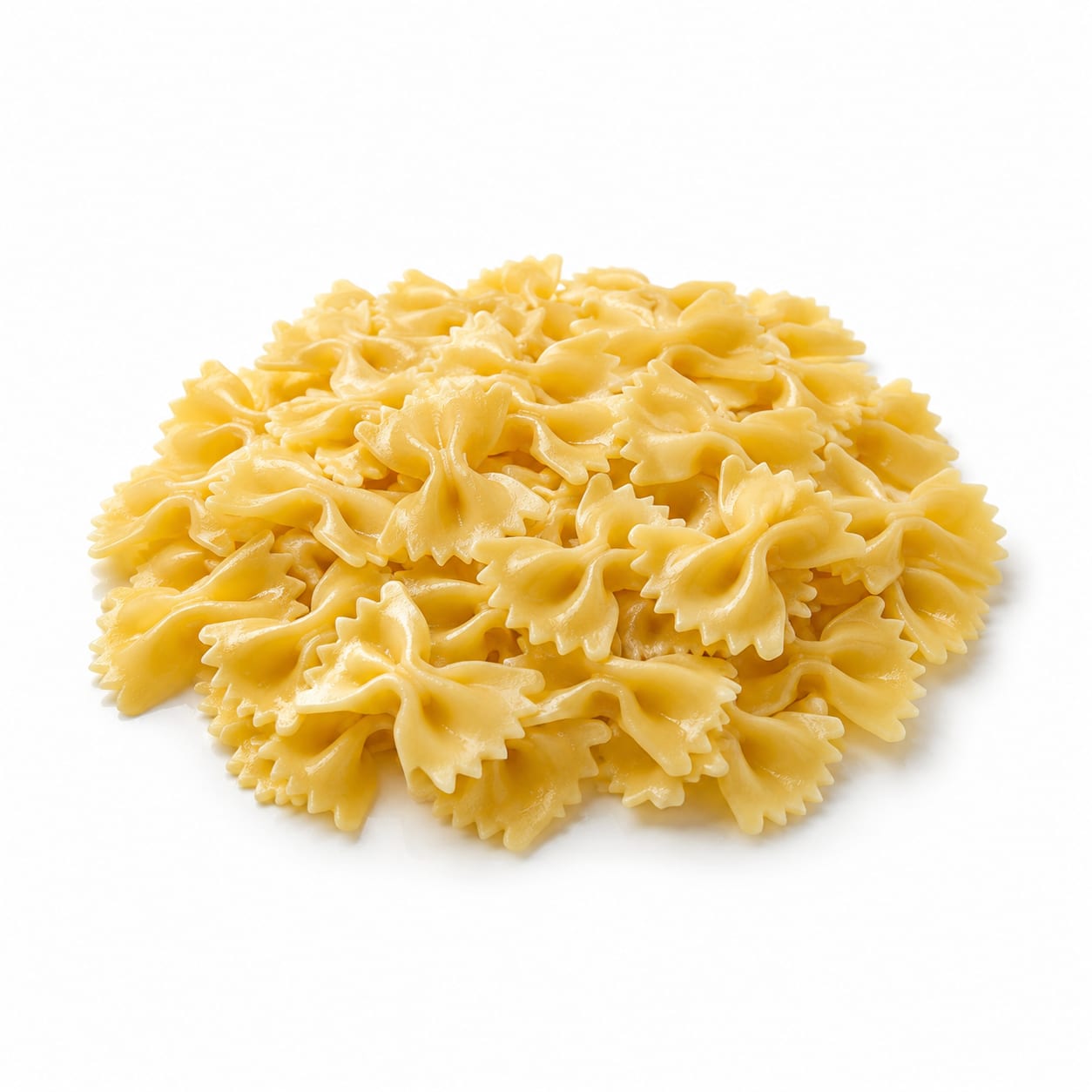
Farfalle
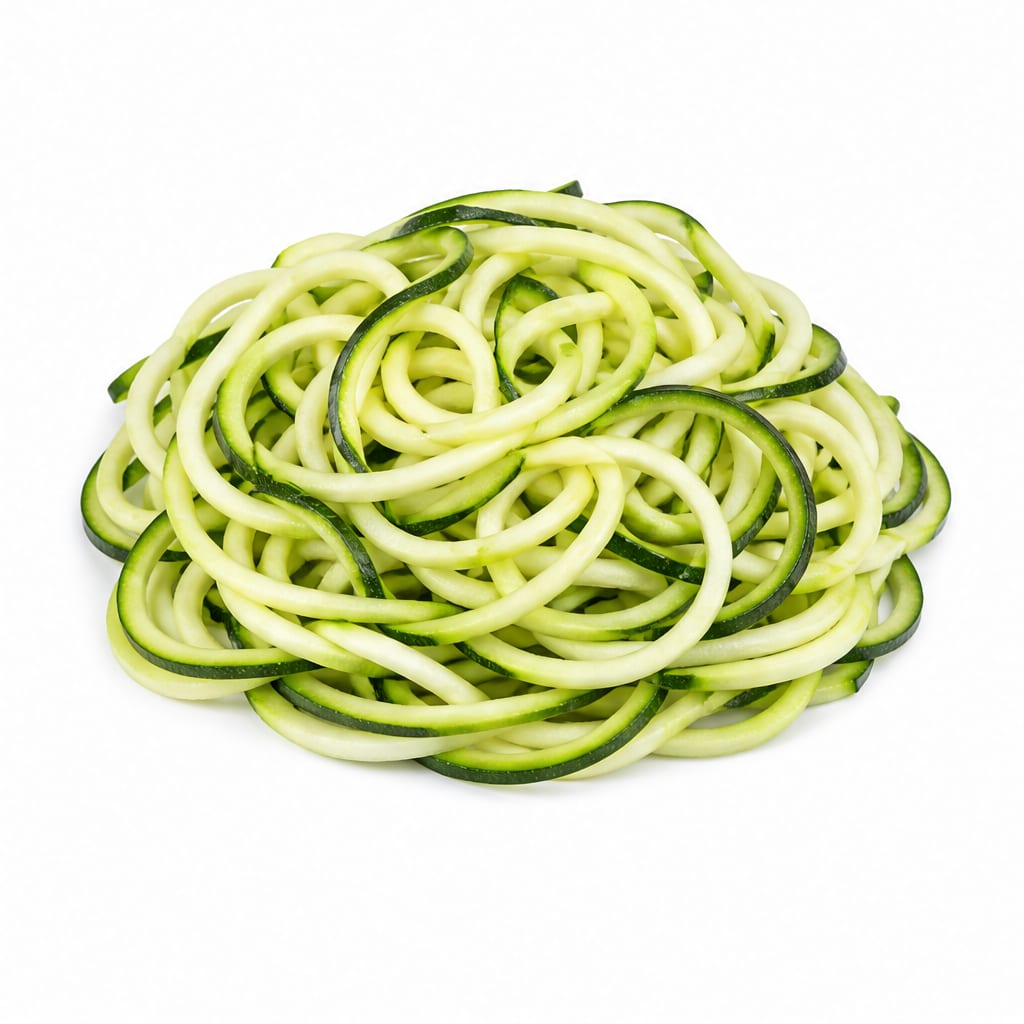
Zucchini Noodles
Zucchini Noodles dominate for calorie control and blood sugar, but Farfalle wins on satisfaction and sustained energy — the right pick depends entirely on what your body needs most right now.
Zucchini Noodles score significantly higher due to their low calorie density, blood sugar friendliness, and micronutrient content. Farfalle remains relevant for energy and satisfaction but carries a heavier metabolic cost for sedentary lifestyles.
You trade the comforting fullness and steady energy of Farfalle for the near-zero calorie freedom of Zucchini Noodles, but risk feeling hungry again sooner.
At a glance
Executive summary
Overall
It depends
Healthier
Zucchini Noodles
More practical
Farfalle
Daily use
Zucchini Noodles
Key comparison lenses
weight management and calorie control
The calorie gap between traditional pasta and vegetable noodles is massive, making this the primary decision driver for most users.
blood sugar and carb reduction
Farfalle delivers a heavy carb load while zucchini noodles are nearly carb-free, a critical factor for diabetics and low-carb dieters.
satiety and meal satisfaction
Many people find vegetable noodles less filling, which can lead to overeating later — a key tradeoff worth exploring.
practical weeknight cooking
Farfalle is pantry-stable and predictable; zucchini noodles require prep or pre-made options and behave differently with sauces.
Best choice for
Farfalle
- Athletes needing carb fuel before or after intense training
- Underweight individuals trying to gain healthy mass
- Anyone who feels unsatisfied and ravenous after light meals
- Families wanting a reliable, kid-friendly dinner base
Zucchini Noodles
- Anyone actively losing weight and tracking calories
- Low-carb or keto dieters craving a pasta-like experience
- People managing type 2 diabetes or insulin resistance
- Those wanting to increase vegetable volume without effort
Least suitable for
Farfalle
- Sedentary individuals eating large portions regularly
- Diabetics struggling with post-meal blood sugar spikes
- Anyone on a strict low-carb protocol
Zucchini Noodles
- Endurance athletes who need genuine carbohydrate fuel
- Growing children who need calorie-dense meals
- Anyone prone to feeling hungry and snacking after light meals
Deep comparison
Dimension by dimension
Each lens scores both foods and breaks down who each option suits.
- Dimension 1 · Priority 95Zucchini Noodles
Calorie Density and Weight Management
Farfalle · 22Zucchini Noodles · 94A cup of cooked Farfalle runs roughly 200 calories, while the same volume of Zucchini Noodles sits around 35 calories — a sixfold difference that makes weight loss dramatically easier.
Tradeoff
You can eat a massive bowl of Zucchini Noodles guilt-free, but that same freedom with Farfalle will quietly add pounds if you are not careful with portions.
Why it matters
Most people underestimate pasta portions. A standard restaurant serving of Farfalle can easily hit 400-600 calories before sauce and cheese.
Real-world impact
Swapping Farfalle for Zucchini Noodles twice a week could save you 3000+ calories monthly without changing anything else in your diet.
Farfalle
- Lean bulking phases where calorie surplus is intentional
- Active rest days when you still want a hearty meal
Better for
- Late-night dinners where excess calories store as fat
- Sedentary office days with minimal movement
Worse for
Zucchini Noodles
- Cutting phases where every calorie counts
- Days when you already had a heavy lunch and want a light dinner
Better for
- Post-workout meals where your body actually needs carb replenishment
- Social dinners where a tiny portion feels awkward
Worse for
- Dimension 2 · Priority 90Zucchini Noodles
Blood Sugar Stability
Farfalle · 30Zucchini Noodles · 90Farfalle causes a significant blood sugar rise due to its refined carbohydrate content, while Zucchini Noodles barely register on the glycemic scale.
Tradeoff
That blood sugar spike from Farfalle gives you quick energy but often leads to a crash an hour later, leaving you tired and craving more carbs.
Why it matters
Blood sugar roller coasters drive cravings, mood swings, and long-term metabolic damage — especially for anyone with prediabetes or insulin resistance.
Real-world impact
After a Farfalle lunch you might feel sleepy by 2pm and reach for a snack. After Zucchini Noodles, energy stays flat and steady.
Farfalle
- Pre-workout meals when you need fast-available glucose
- Morning meals before physically demanding days
Better for
- Diabetics managing HbA1c levels
- Anyone prone to afternoon energy crashes
Worse for
Zucchini Noodles
- Evening meals when you want stable blood sugar before sleep
- Anyone monitoring fasting glucose levels
Better for
- During intense exercise when your muscles need quick glycogen
Worse for
- Dimension 3 · Priority 85Farfalle
Satiety and Fullness
Farfalle · 78Zucchini Noodles · 42Farfalle provides genuine stomach-filling density from complex carbs and starch, while Zucchini Noodles are mostly water and digest quickly.
Tradeoff
You feel comfortably full after Farfalle, but that fullness costs you 200+ calories per cup. Zucchini Noodles leave you lighter but hunting for a snack an hour later.
Why it matters
Satiety is the single biggest factor in whether a diet feels sustainable. A meal that does not fill you up leads to compensatory snacking.
Real-world impact
A Zucchini Noodle dinner without added protein or fat often results in a 9pm fridge raid. Farfalle dinners tend to hold you until morning.
Farfalle
- Long days where you cannot snack between meals
- Physically demanding jobs requiring sustained energy
Better for
- Small frequent meal patterns where heavy portions cause discomfort
Worse for
Zucchini Noodles
- Hot summer days when heavy meals feel oppressive
- Multi-course meals where the noodle base should be light
Better for
- Anyone who struggles with nighttime snacking
- Busy people who cannot eat again for 6+ hours
Worse for
- Dimension 4 · Priority 75Zucchini Noodles
Micronutrient Density
Farfalle · 25Zucchini Noodles · 82Zucchini Noodles deliver vitamin C, potassium, manganese, and antioxidants. Farfalle, unless enriched or whole wheat, offers minimal micronutrition.
Tradeoff
Farfalle provides B vitamins from enrichment, but Zucchini Noodles offer a broader spectrum of naturally occurring vitamins and minerals.
Why it matters
Micronutrient deficiencies creep up silently and affect energy, immunity, and mood long before they show up on blood work.
Real-world impact
Regularly choosing Zucchini Noodles over refined pasta subtly increases your daily vegetable intake, which most people desperately need.
Farfalle
- Whole wheat Farfalle variants that retain more B vitamins and iron
Better for
- Using refined Farfalle as a dietary staple without other nutrient sources
Worse for
Zucchini Noodles
- Anyone falling short on daily vegetable servings
- Potassium-conscious diets supporting healthy blood pressure
Better for
- Sole reliance on zucchini for micronutrients when variety is needed
Worse for
- Dimension 5 · Priority 70Farfalle
Meal Satisfaction and Sauce Compatibility
Farfalle · 85Zucchini Noodles · 48Farfalle holds sauce beautifully in its pinched centers and delivers the chewy bite people associate with a satisfying pasta experience. Zucchini Noodles release water and dilute sauces.
Tradeoff
Farfalle gives you the real pasta experience that satisfies emotionally. Zucchini Noodles approximate it but often feel like a compromise on texture and flavor delivery.
Why it matters
Food satisfaction is not frivolous — it determines whether a healthy eating pattern feels like joy or punishment, which directly affects long-term adherence.
Real-world impact
Date night pasta with Farfalle feels like a real meal. The same dish with Zucchini Noodles can feel like you are settling, even if the sauce is identical.
Farfalle
- Rich cream or oil-based sauces that need a sturdy base
- Comfort food meals where emotional satisfaction matters
Better for
- Extremely heavy sauces that push the meal over 800 calories
Worse for
Zucchini Noodles
- Light pesto or tomato sauces where water release is less damaging
- Fresh no-cook sauce preparations in summer
Better for
- Alfredo or carbonara where water pooling ruins the texture
- Any dish where pasta texture is the star
Worse for
- Dimension 6 · Priority 65Farfalle
Convenience and Preparation
Farfalle · 80Zucchini Noodles · 55Farfalle is shelf-stable, cooks predictably in 10-12 minutes, and requires no special equipment. Zucchini Noodles need spiralizing or buying pre-made, and they release water during cooking.
Tradeoff
Farfalle is the easier weeknight option with consistent results. Zucchini Noodles require more technique to avoid a watery, soggy mess on your plate.
Why it matters
Inconvenient healthy foods get abandoned. If making Zucchini Noodles feels like a chore, you will default back to regular pasta anyway.
Real-world impact
Pre-spiralized zucchini from the store saves time but costs triple and degrades faster. Making them fresh takes 10 extra minutes and a gadget to wash.
Farfalle
- Meal prep sessions where you batch-cook for the week
- Pantry-dependent cooking when fresh produce is unavailable
Better for
- Gluten-free households where wheat pasta is not an option
Worse for
Zucchini Noodles
- Quick raw preparations where no cooking is needed at all
- Garden season when zucchini is overflowing and free
Better for
- Busy parents who cannot add prep steps to weeknight dinners
- Anyone without a spiralizer or reliable pre-made source
Worse for
Timeline
Health impact over time
Short-term
Hours to days
Farfalle
- Noticeable blood sugar rise within 30-60 minutes of eating
- Comfortable fullness that lasts 2-3 hours
- Possible post-meal drowsiness if portion is large
- Quick energy availability for active individuals
Zucchini Noodles
- Stable blood sugar with virtually no glycemic impact
- Light feeling in the stomach that may not satisfy hunger cues
- Possible bloating if consumed in very large raw quantities
- Hydration boost from high water content
Long-term
Months to years
Farfalle
- Regular large portions contribute to gradual weight gain in sedentary people
- Refined carbohydrate habit may worsen insulin sensitivity over years
- Enriched varieties provide consistent B vitamin and iron intake
- Emotional satisfaction from familiar comfort food supports dietary adherence
Zucchini Noodles
- Consistent calorie savings support sustainable weight management
- Increased vegetable intake improves micronutrient status over time
- Low glycemic load protects insulin sensitivity with regular consumption
- Risk of inadequate caloric intake if used as a blanket replacement without adding fats and proteins
Risk profile
Safety & processing
Farfalle is a processed food made from milled wheat flour, though it contains minimal additives. Zucchini Noodles are simply a raw vegetable cut into strips — about as natural as food gets.
Farfalle
Gluten exposure for celiacs
highFarfalle contains wheat gluten, which triggers autoimmune damage in people with celiac disease and discomfort in those with gluten sensitivity.
Enriched iron overload with excessive consumption
lowEnriched Farfalle adds synthetic iron. For people with hemochromatosis or high ferritin, regular consumption could contribute to iron excess over time.
Zucchini Noodles
Pesticide residue on conventionally grown zucchini
mediumZucchini is not on the highest-risk pesticide list but does retain surface residues. Washing thoroughly or choosing organic reduces this concern significantly.
Bacterial contamination on pre-spiralized packaged zucchini
mediumPre-cut vegetables have more surface area exposed to potential contamination. Use by the date and do not eat if slimy or off-smelling.
Who wins for whom
Audience fit
Same foods, different winners depending on your goal.
children
FarfalleKids need calorie-dense meals for growth and generally prefer the familiar taste and texture of real pasta. Zucchini Noodles often get rejected, making them a poor vehicle for childhood nutrition.
daily consumption
Zucchini NoodlesDaily Zucchini Noodles increase vegetable intake and keep calories in check. Daily Farfalle without portion control will gradually contribute to weight gain for most people.
diabetes
Zucchini NoodlesZucchini Noodles have negligible impact on blood glucose, making them safe for diabetics. Farfalle causes a significant glycemic spike that requires careful insulin management.
elderly
It dependsElderly individuals with diabetes or weight concerns benefit from Zucchini Noodles, while those at risk of under-eating or malnutrition need the calorie density of Farfalle.
muscle gain
FarfalleBuilding muscle requires a caloric surplus and glycogen-replenishing carbs. Farfalle delivers both, while Zucchini Noodles are too low in calories and carbs to support growth effectively.
weight loss
Zucchini NoodlesAt roughly 35 calories per cup versus 200 for Farfalle, Zucchini Noodles let you eat a satisfying volume of food while staying in a calorie deficit almost effortlessly.
Your move
Decision guide
Choose Farfalle
- You exercised hard today and your body is asking for real fuel
- You have always struggled with feeling hungry on vegetable-based meals
- You are cooking for kids who will not touch green noodles
- You are at a healthy weight and want an honest comfort meal without guilt
Choose Zucchini Noodles
- You are actively losing weight and every calorie matters
- Your doctor told you to cut refined carbs or lower your blood sugar
- You already had a carb-heavy lunch and want a lighter dinner
- You want to eat a massive bowl of food without feeling heavy afterward
Either works if
- You are mixing both for a half-and-half bowl that balances satisfaction and lightness
- You rotate between them based on daily activity level and hunger
- You are cooking for a household with different dietary needs
Avoid both if
- You have a wheat allergy and are also allergic to zucchini or other cucurbits
- You need a protein-dense meal base — neither option provides meaningful protein alone
Final recommendation
Use Zucchini Noodles as your default and add Farfalle strategically on days you earn the carbs. This gives you the metabolic benefits of low-calorie eating most of the time while still enjoying real pasta when your body genuinely needs the energy. The best approach for most people is a 70/30 split: Zucchini Noodles most nights, Farfalle on active days or social occasions.
Practical
Consumer tips
- 1
Salt your Zucchini Noodles and let them sit for 10 minutes, then pat dry with a paper towel. This draws out excess water and prevents soggy dishes.
- 2
Pair Zucchini Noodles with a fat-rich sauce like pesto or olive oil to boost satiety — the fat keeps you full longer than the noodles alone.
- 3
Try a 50/50 mix of Farfalle and Zucchini Noodles. You get the real pasta texture with fewer total calories and more vegetable volume.
- 4
If buying pre-spiralized zucchini, check the date and avoid packages with moisture pooling at the bottom — that indicates age and bacterial risk.
- 5
Whole wheat Farfalle narrows the nutritional gap significantly, offering more fiber and a lower glycemic impact while keeping the satisfying chew.
- 6
Do not boil Zucchini Noodles. Briefly sauté them for 2-3 minutes max or serve raw with warm sauce. Overcooking turns them into mush.