
Nutrition comparison
Farfalle vs Whole Wheat Farfalle: Nutrition & Taste Comparison
Compare Farfalle and Whole Wheat Farfalle to see which is better for weight loss, blood sugar, and daily eating. Learn the nutritional tradeoffs and taste differences.
Overall winner · Whole Wheat Farfalle
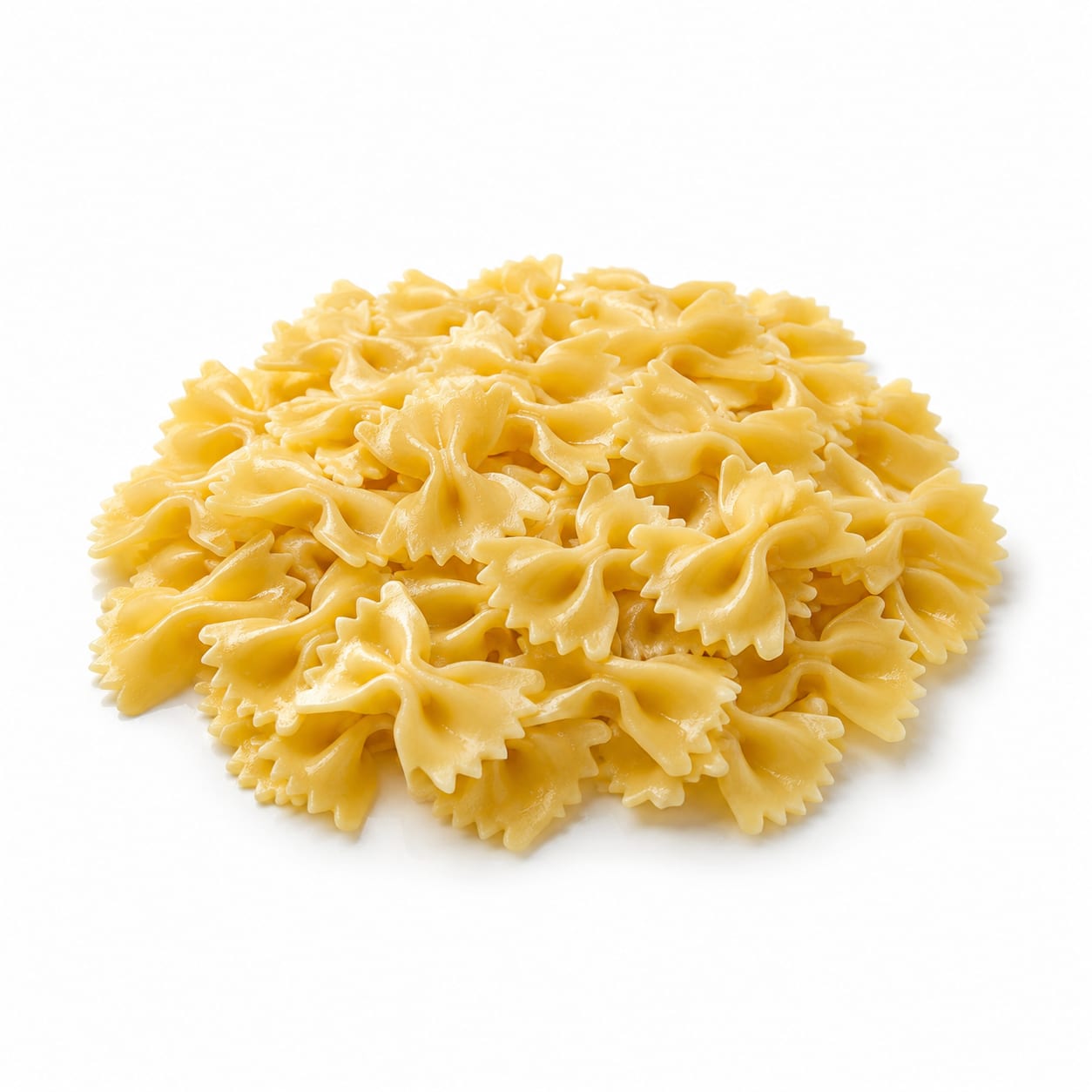
Farfalle
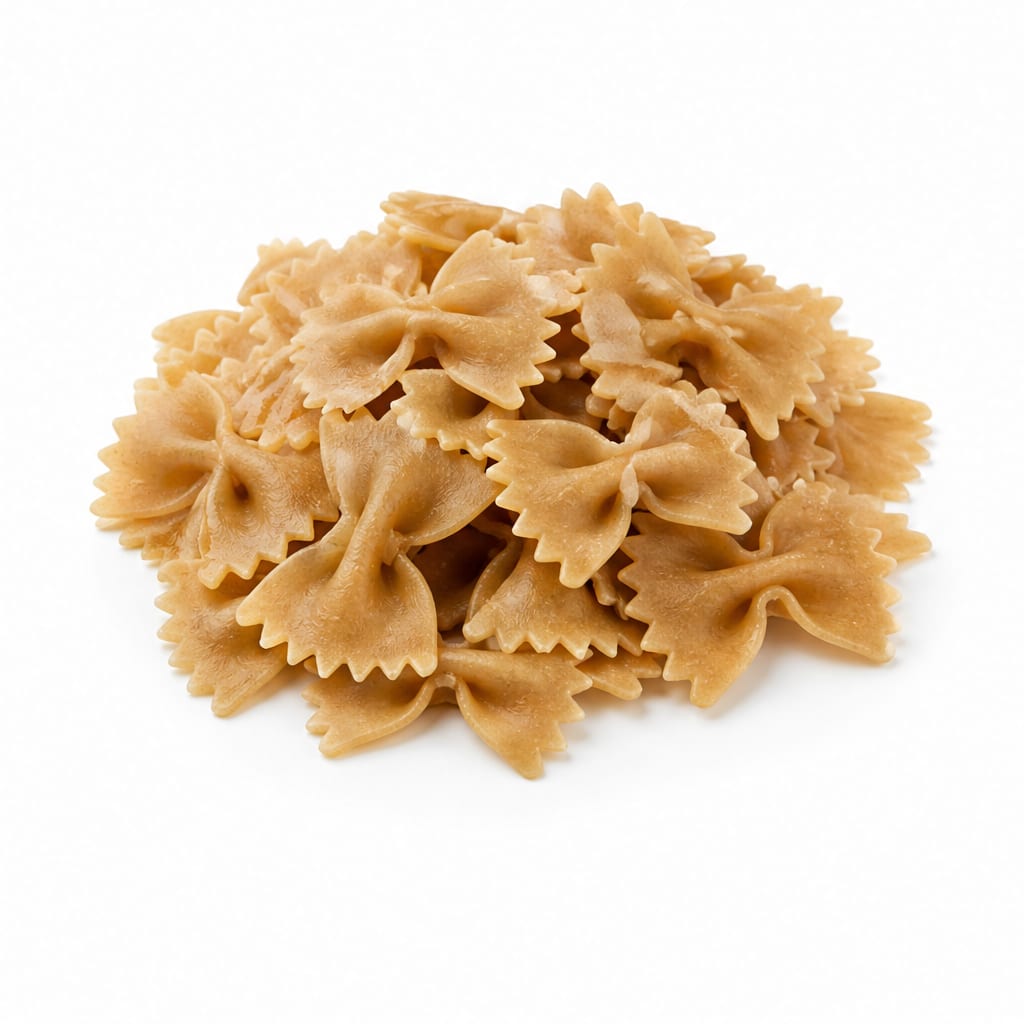
Whole Wheat Farfalle
Whole Wheat Farfalle offers far better nutritional value and steadier energy, while regular Farfalle delivers a lighter texture and milder taste that many find more comforting.
Whole Wheat Farfalle scores notably higher due to its superior fiber, vitamin, and mineral content, though regular Farfalle retains points for broader palatability and easier digestion.
You trade the smooth, familiar bite of regular Farfalle for the filling, blood-sugar-stabilizing benefits of Whole Wheat Farfalle.
At a glance
Executive summary
Overall
Whole Wheat Farfalle
Healthier
Whole Wheat Farfalle
More practical
Farfalle
Daily use
Whole Wheat Farfalle
Key comparison lenses
Fiber and Satiety
Whole Wheat Farfalle provides significantly more fiber, which drastically changes how full you feel after eating.
Blood Sugar Management
The difference in grain refinement directly impacts how quickly these pastas spike your blood sugar.
Taste and Texture Preference
Regular Farfalle offers a classic smooth bite, while Whole Wheat Farfalle brings a denser, nuttier chew that not everyone loves.
Digestive Tolerance
The higher fiber in Whole Wheat Farfalle can cause bloating for some, whereas regular Farfalle is gentler on sensitive stomachs.
Best choice for
Farfalle
- Picky eaters and children
- People with sensitive stomachs or IBS flare-ups
- Pre-workout carb loading needing fast digestion
Whole Wheat Farfalle
- Weight management and steady appetite control
- Sustained energy throughout a busy day
- Easily increasing daily fiber intake
Least suitable for
Farfalle
- People managing diabetes or insulin resistance
- Those needing high-fiber diets for heart health
- Sustained energy without afternoon crashes
Whole Wheat Farfalle
- Those with acute digestive bloating or wheat sensitivities
- Kids who reject hearty textures
- Light pre-workout meals that need quick emptying
Deep comparison
Dimension by dimension
Each lens scores both foods and breaks down who each option suits.
- Dimension 1 · Priority 95Whole Wheat Farfalle
Blood Sugar Stability
Farfalle · 40Whole Wheat Farfalle · 80Whole Wheat Farfalle digests much slower, preventing the rapid blood sugar spikes caused by regular Farfalle.
Tradeoff
You give up the quick energy burst of refined carbs for a steadier, crash-free afternoon.
Why it matters
Rapid blood sugar spikes from regular Farfalle often lead to energy crashes and increased cravings a few hours later.
Real-world impact
Eating Whole Wheat Farfalle at lunch means you are far less likely to hit the 3 PM vending machine slump.
Farfalle
- Quick recovery after intense exercise
Better for
- Sustained focus during long workdays
Worse for
Whole Wheat Farfalle
- Preventing afternoon energy crashes
- Managing insulin resistance
Better for
- Rapid refueling during endurance sports
Worse for
- Dimension 2 · Priority 90Whole Wheat Farfalle
Satiety and Fullness
Farfalle · 45Whole Wheat Farfalle · 85The extra fiber in Whole Wheat Farfalle slows digestion and signals fullness to your brain much more effectively.
Tradeoff
Whole Wheat Farfalle keeps you full for hours, while regular Farfalle may leave you hungry again soon after.
Why it matters
Feeling full longer makes it much easier to control portions and avoid unnecessary snacking.
Real-world impact
A bowl of Whole Wheat Farfalle at dinner easily keeps you satisfied until morning; regular Farfalle might have you reaching for a late-night snack.
Farfalle
- Light meals when you do not want to feel heavy
Better for
- Avoiding overeating at dinner
Worse for
Whole Wheat Farfalle
- Controlling overall calorie intake
- Staying satisfied between meals
Better for
- Eating right before a run or heavy workout
Worse for
- Dimension 3 · Priority 85Farfalle
Taste and Texture
Farfalle · 90Whole Wheat Farfalle · 65Regular Farfalle is smooth, tender, and universally loved, while Whole Wheat Farfalle is denser with a distinct earthy flavor.
Tradeoff
You sacrifice some culinary comfort and sauce-holding elegance for nutritional density.
Why it matters
If a meal is not satisfying, you are more likely to overeat later looking for satisfaction.
Real-world impact
Regular Farfalle blends seamlessly into any pasta dish, while Whole Wheat Farfalle pairs best with robust, hearty sauces that complement its nuttiness.
Farfalle
- Delicate cream or oil-based sauces
- Universal appeal at dinner parties
Better for
- Adding robust structural bite to heavy dishes
Worse for
Whole Wheat Farfalle
- Hearty meat or vegetable ragùs
- Earthy flavor profiles
Better for
- Light, subtle flavor pairings
Worse for
- Dimension 4 · Priority 88Whole Wheat Farfalle
Nutrient Density
Farfalle · 35Whole Wheat Farfalle · 85Whole Wheat Farfalle retains the bran and germ, packing in B vitamins, iron, and magnesium lost in regular Farfalle.
Tradeoff
You get significantly more micronutrients per calorie with Whole Wheat Farfalle, making your meal work harder for you.
Why it matters
Refined grains are essentially empty calories that require your body to use its own nutrient stores to metabolize them.
Real-world impact
Choosing Whole Wheat Farfalle helps you meet your daily magnesium and B-vitamin needs without taking supplements.
Farfalle
- Situations requiring only quick caloric energy
Better for
- Preventing nutrient gaps in a grain-heavy diet
Worse for
Whole Wheat Farfalle
- Supporting overall metabolic health
- Maximizing nutrition per meal
Better for
- Dimension 5 · Priority 70Farfalle
Digestive Tolerance
Farfalle · 85Whole Wheat Farfalle · 55Regular Farfalle is easier on the gut during flare-ups, while the high fiber in Whole Wheat Farfalle can cause bloating if you are not used to it.
Tradeoff
What is better for your long-term microbiome might cause short-term discomfort if you increase your fiber too fast.
Why it matters
A healthy gut needs fiber, but a sensitive gut needs gentle foods during times of stress or irritation.
Real-world impact
If you have a sensitive stomach, regular Farfalle is a safer, comforting choice, whereas Whole Wheat Farfalle requires an adjustment period.
Farfalle
- Managing IBS or digestive flare-ups
- Eating when stressed or recovering from illness
Better for
- Long-term gut microbiome diversity
Worse for
Whole Wheat Farfalle
- Feeding beneficial gut bacteria long-term
- Improving bowel regularity
Better for
- Acute digestive discomfort or bloating
Worse for
Timeline
Health impact over time
Short-term
Hours to days
Farfalle
- Quick burst of energy that may fade within hours
- Easy digestion with minimal bloating
- Potential for cravings soon after eating
Whole Wheat Farfalle
- Steady, sustained energy for hours
- Possible mild bloating if your body is unaccustomed to high fiber
- Reduced desire to snack between meals
Long-term
Months to years
Farfalle
- Higher risk of blood sugar dysregulation if eaten frequently
- Potential contribution to chronic low-grade inflammation
- Missing out on the heart-protective benefits of whole grains
Whole Wheat Farfalle
- Improved insulin sensitivity and blood sugar control
- Better heart health due to higher fiber intake
- Support for a diverse and healthy gut microbiome
Risk profile
Safety & processing
Both are processed foods, but Whole Wheat Farfalle retains the entire grain kernel, making it closer to its natural state than the refined regular Farfalle.
Farfalle
Gluten exposure
highContains wheat gluten, which is dangerous for those with celiac disease and irritating for those with gluten sensitivity.
Whole Wheat Farfalle
Gluten exposure
highContains wheat gluten, which is dangerous for those with celiac disease and irritating for those with gluten sensitivity.
Fiber shock
lowSuddenly eating large amounts of whole grain fiber can cause temporary bloating or constipation if water intake is not also increased.
Who wins for whom
Audience fit
Same foods, different winners depending on your goal.
children
FarfalleKids generally prefer the smoother texture and milder taste of regular Farfalle, and their growing bodies can use the quick energy.
daily consumption
Whole Wheat FarfalleThe daily fiber and micronutrient boost from Whole Wheat Farfalle makes it a much stronger staple food.
diabetes
Whole Wheat FarfalleThe higher fiber content in Whole Wheat Farfalle slows glucose absorption, making it much safer for blood sugar management.
elderly
It dependsWhole Wheat Farfalle is better for heart health and regularity, but regular Farfalle is easier to eat for those with dental issues or poor digestion.
muscle gain
It dependsRegular Farfalle is great for quick post-workout glycogen replenishment, but Whole Wheat Farfalle provides better sustained nutrition for overall recovery.
weight loss
Whole Wheat FarfalleWhole Wheat Farfalle keeps you full much longer, making it easier to eat fewer calories overall.
Your move
Decision guide
Choose Farfalle
- You have a sensitive stomach or are experiencing digestive distress
- You need quick-digesting carbs before or after an intense workout
- You are cooking for kids or adults who strongly dislike whole grain textures
Choose Whole Wheat Farfalle
- You want to stay full and energized for hours without crashing
- You are trying to manage your weight or blood sugar
- You want to easily increase your daily fiber and nutrient intake
Either works if
- You are bulking and need extra calories regardless of the source
- You are pairing the pasta with an incredibly nutrient-dense sauce
Avoid both if
- You have celiac disease or a severe gluten intolerance
- You are strictly following a grain-free or ketogenic diet
Final recommendation
Make Whole Wheat Farfalle your default for everyday meals to get the fiber and steady energy your body needs. Keep regular Farfalle as an occasional treat or for times when you need gentle digestion and quick energy.
Practical
Consumer tips
- 1
Cook Whole Wheat Farfalle slightly al dente to improve its texture and lower its glycemic impact even further.
- 2
Pair regular Farfalle with lean protein, healthy fats, and vegetables to slow down digestion and prevent energy crashes.
- 3
If transitioning to Whole Wheat Farfalle, try mixing it 50/50 with regular Farfalle at first to adjust your palate and digestion.
- 4
Whole Wheat Farfalle pairs beautifully with robust sauces like garlic and olive oil, pesto, or hearty tomato ragùs.