
Nutrition comparison
Farfalle vs White Rice: Which Is Healthier for Daily Eating?
Compare farfalle and white rice on blood sugar impact, satiety, protein, and digestion. Find out which refined carb is better for weight loss, diabetes, and everyday meals.
Overall winner · Farfalle
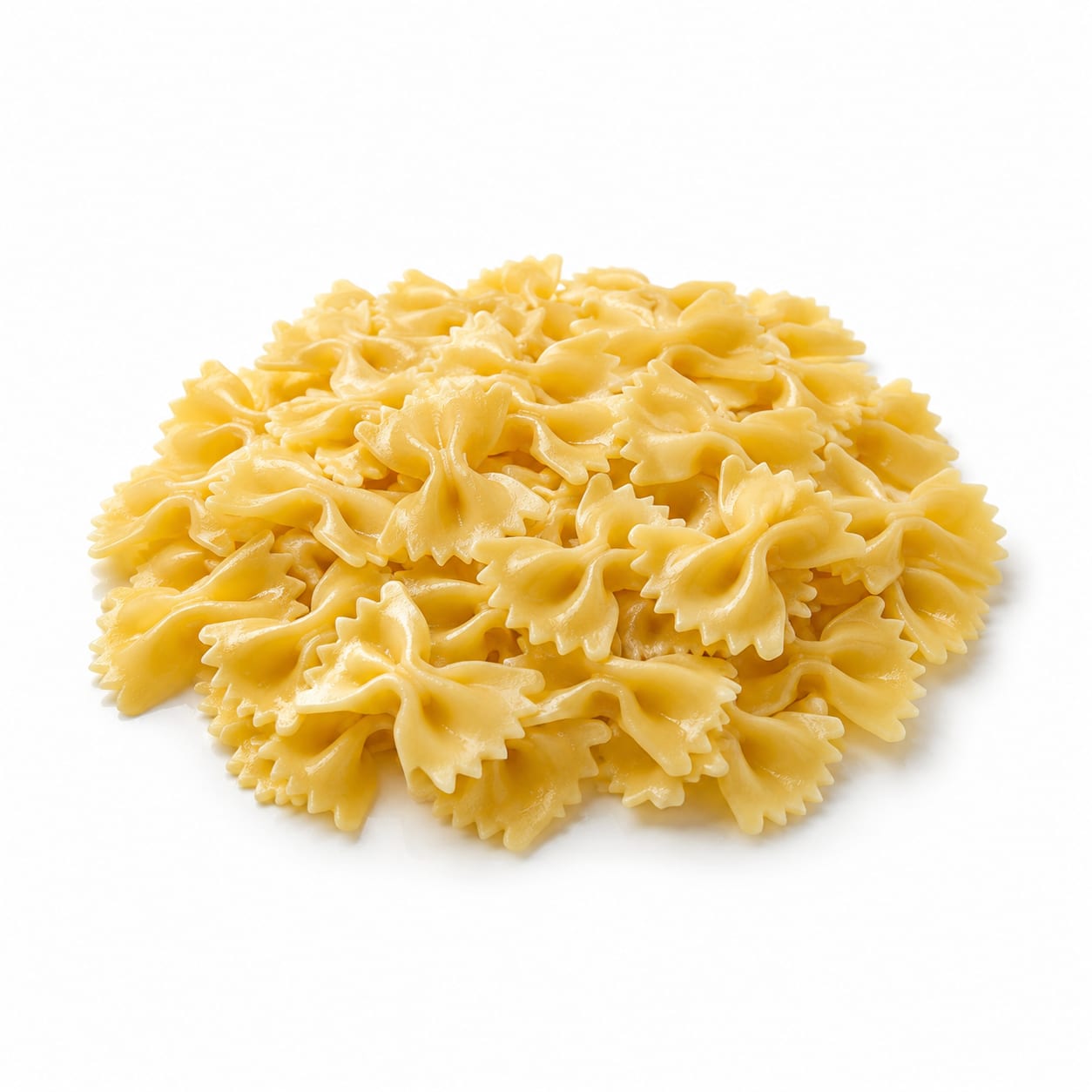
Farfalle
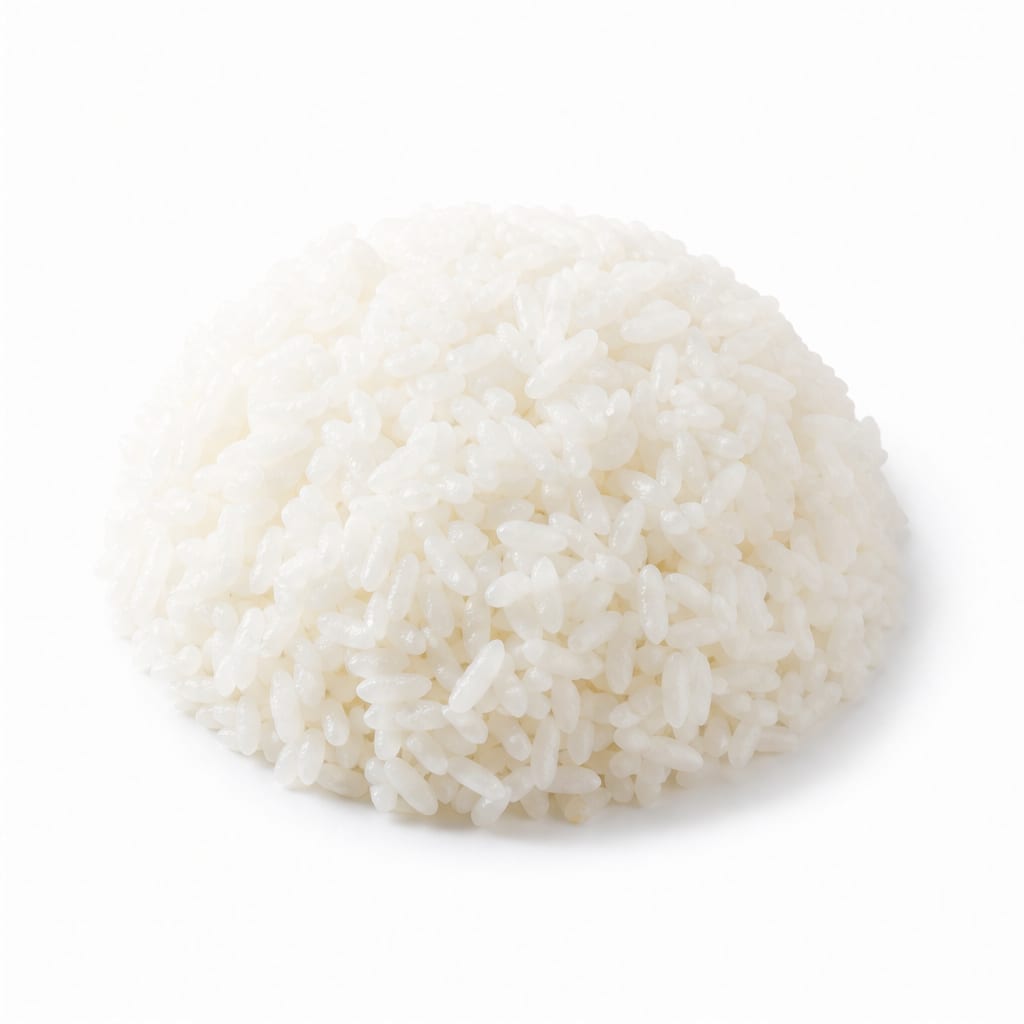
White Rice
Farfalle edges out white rice thanks to higher protein, more fiber, and a lower glycemic impact that keeps energy steadier. White rice wins only when you need easy digestion or gluten-free eating.
Farfalle scores moderately above white rice due to better satiety, more protein, and gentler blood sugar impact. Neither is a nutritional powerhouse—both are refined carbs that benefit from pairing with protein, healthy fats, and vegetables.
Farfalle keeps you fuller longer with steadier blood sugar, but white rice is gentler on sensitive stomachs and safe for gluten-free diets.
At a glance
Executive summary
Overall
Farfalle
Healthier
Farfalle
More practical
White Rice
Daily use
Farfalle
Key comparison lenses
blood sugar control and glycemic impact
Both are refined carbohydrates with significantly different glycemic responses, making this the most critical health differentiator
satiety and overeating potential
Carb-heavy staples differ substantially in how full they keep you, directly impacting portion control and weight management
daily staple sustainability
Users choosing between these are likely deciding what to eat regularly, making long-term effects more important than occasional indulgence
digestive tolerance and sensitivity
Gluten content in farfalle versus the gentleness of white rice creates a clear fork for people with digestive concerns
meal versatility and cultural fit
Practical cooking behavior matters—these foods serve different culinary roles and pairing possibilities
Best choice for
Farfalle
- People wanting steadier energy after meals
- Anyone managing blood sugar or insulin resistance
- Those who find rice leaves them hungry again quickly
- Active individuals needing sustained fuel
- People prioritizing protein from carb sources
White Rice
- People with gluten sensitivity or celiac disease
- Anyone recovering from stomach illness
- Athletes needing quick carb refueling post-workout
- Those on low-fiber or bland diets temporarily
- People accustomed to rice-based cuisines daily
Least suitable for
Farfalle
- People with celiac disease or gluten intolerance
- Anyone on a low-FODMAP diet during flare-ups
- Those who experience bloating from wheat
- People seeking the fastest possible cooking time
White Rice
- People with diabetes or insulin resistance
- Anyone prone to afternoon energy crashes
- Those trying to lose weight while staying full
- People who overeat refined carbs easily
Deep comparison
Dimension by dimension
Each lens scores both foods and breaks down who each option suits.
- Dimension 1 · Priority 92Farfalle
Blood Sugar Stability
Farfalle · 55White Rice · 30Farfalle digests more slowly than white rice, causing a less dramatic blood sugar spike and more sustained energy release.
Tradeoff
Neither food is ideal for blood sugar control on its own, but farfalle is meaningfully gentler. White rice can cause rapid spikes that lead to energy crashes within hours.
Why it matters
If you've ever felt sleepy or hungry again 90 minutes after a rice-heavy meal, that's the glycemic crash. Farfalle delays that crash noticeably.
Real-world impact
A farfalle lunch keeps you going until dinner more reliably. A white rice lunch often demands a snack by 3pm.
Farfalle
- Steadier afternoon energy
- Less post-meal drowsiness
- Better for prediabetes management
Better for
- Still a refined carb that spikes blood sugar more than whole grains
Worse for
White Rice
- Quick energy for immediate athletic performance
- Faster glycogen replenishment after intense exercise
Better for
- Rapid blood sugar spike followed by crash
- Triggers hunger again sooner
- Harder on insulin sensitivity over time
Worse for
- Dimension 2 · Priority 88Farfalle
Satiety and Fullness
Farfalle · 60White Rice · 35Farfalle keeps you full longer thanks to its protein content and denser texture that slows eating pace.
Tradeoff
White rice is easy to overeat because it digests quickly and lacks the protein that signals fullness. Farfalle's chewiness naturally slows you down.
Why it matters
Feeling full matters for weight management and for simply not being miserable between meals. Rice-heavy meals often leave people surprisingly hungry soon after.
Real-world impact
A plate of farfalle with sauce typically satisfies for 3-4 hours. The same calorie amount of white rice often leaves you searching for snacks within 2 hours.
Farfalle
- Longer-lasting fullness between meals
- Natural portion control from slower eating
- More satisfying meal experience
Better for
- Heavy feeling if you overeat, harder to recover from
Worse for
White Rice
- Lighter feeling if you prefer not feeling full
- Easier to eat small amounts when appetite is low
Better for
- Easy to consume large portions without realizing
- Hunger returns quickly, leading to more snacking
Worse for
- Dimension 3 · Priority 80Farfalle
Protein Content
Farfalle · 50White Rice · 25Farfalle provides roughly double the protein per serving compared to white rice, which matters for muscle maintenance and satiety.
Tradeoff
Neither is a high-protein food, but farfalle's protein contribution is meaningful when meals lack other protein sources. White rice is essentially pure carbohydrate.
Why it matters
Even small protein differences add up when a food is eaten daily. Over a week, farfalle contributes noticeably more amino acids for muscle and tissue repair.
Real-world impact
A cup of farfalle delivers about 7-8g protein versus 4g in white rice. That 3-4g gap matters most for people eating plant-forward or low-protein diets.
Farfalle
- Better support for muscle maintenance
- More helpful in low-protein diets
- Contributes to feeling satisfied longer
Better for
- Still insufficient as a primary protein source
Worse for
White Rice
- Protein content is low enough to avoid interfering with specific medical diets requiring protein restriction
Better for
- Essentially a protein-free carb source
- Requires more protein from other foods to balance meals
Worse for
- Dimension 4 · Priority 75White Rice
Digestive Tolerance
Farfalle · 40White Rice · 80White rice is one of the most easily digested foods available, while farfalle contains gluten and requires more digestive effort.
Tradeoff
If your digestion is sensitive, white rice is soothing and predictable. Farfalle can cause bloating or discomfort for anyone with gluten sensitivity.
Why it matters
For people with IBS, celiac disease, or recovering from illness, this difference is not subtle—it determines whether a meal causes pain or comfort.
Real-world impact
After a stomach bug, white rice is a go-to comfort food. Farfalle would be a poor choice during digestive recovery.
Farfalle
- More fiber supports healthy gut bacteria long-term
Better for
- Gluten triggers symptoms in sensitive individuals
- Can cause bloating even in people without diagnosed sensitivity
Worse for
White Rice
- Gentle on upset stomachs
- Safe for celiac and gluten-intolerant individuals
- Low-FODMAP friendly
- Unlikely to cause bloating or gas
Better for
- Very low fiber contributes to constipation with regular consumption
- Does not support healthy gut microbiome diversity
Worse for
- Dimension 5 · Priority 65White Rice
Convenience and Cooking Speed
Farfalle · 45White Rice · 75White rice cooks faster in most methods and requires less active attention. Farfalle needs boiling, monitoring, and draining.
Tradeoff
Rice can simmer unattended while you prep other things. Farfalle demands more hands-on time but offers more textural satisfaction in return.
Why it matters
On busy weeknights, the 5-10 minute cooking difference and simpler cleanup of rice can be the deciding factor for what actually gets made.
Real-world impact
White rice in a rice cooker is nearly zero-effort. Farfalle requires a pot, boiling water, stirring, and draining—more dishes and more attention.
Farfalle
- More engaging cooking process if you enjoy preparing food
- Texture holds up better for meal prep and leftovers
Better for
- Requires more active cooking time
- More cleanup involved
Worse for
White Rice
- Faster from pantry to plate
- Rice cooker makes it nearly effortless
- Fewer dishes to wash
- Easier to batch cook for the week
Better for
- Leftover rice requires careful handling to avoid food safety issues
- Texture degrades more when reheated
Worse for
- Dimension 6 · Priority 60It depends
Nutritional Enrichment
Farfalle · 55White Rice · 55Both farfalle and white rice are commonly enriched with iron and B vitamins, making them roughly equivalent in added nutrients.
Tradeoff
Enrichment varies by brand and country. Neither food is naturally nutrient-dense—both rely on fortification to deliver meaningful vitamins.
Why it matters
If you eat either food daily, enrichment matters for preventing deficiencies. But you shouldn't rely on either as a primary nutrient source.
Real-world impact
Both contribute similar amounts of iron and folate when enriched. The real nutritional value comes from what you pair them with—vegetables, proteins, and healthy fats.
Farfalle
- Iron enrichment is standard in most pasta
- Some B-vitamin content from wheat
Better for
- Nutrients come from fortification, not natural density
Worse for
White Rice
- Folic acid fortification is mandatory in many countries
- Iron enrichment also standard
Better for
- Same reliance on fortification as pasta
Worse for
Timeline
Health impact over time
Short-term
Hours to days
Farfalle
- Moderate blood sugar rise within 30-60 minutes after eating
- Comfortable fullness lasting 2-4 hours with balanced meal
- Possible mild bloating if sensitive to gluten or wheat
White Rice
- Rapid blood sugar spike within 15-45 minutes after eating
- Hunger returning within 1.5-2 hours if eaten alone
- Very gentle on the digestive system with minimal discomfort risk
Long-term
Months to years
Farfalle
- Better blood sugar control than white rice with regular consumption
- Moderate fiber supports gut health over time
- Gluten exposure is fine for most people but problematic for sensitive individuals
White Rice
- Regular consumption linked to higher type 2 diabetes risk in large studies
- Very low fiber intake may contribute to constipation and poor gut health
- Easy to overconsume calories due to low satiety, potentially contributing to weight gain
Risk profile
Safety & processing
Both are refined and processed—farfalle from milled wheat semolina, white rice from polished rice grains stripped of bran and germ. Neither contains concerning additives, but both have lost most of their natural fiber and micronutrients during processing. They're comparable in naturalness, which is to say: neither is a whole food.
Farfalle
Gluten exposure for celiac individuals
highContains wheat gluten. For people with celiac disease, even small amounts trigger intestinal damage. Not relevant for the general population.
Wheat allergen presence
mediumWheat is a top 8 allergen. Reactions can range from hives to anaphylaxis in allergic individuals.
White Rice
Bacillus cereus from improper leftover storage
mediumCooked rice left at room temperature can grow this toxin-producing bacteria. Leftover rice should be refrigerated promptly and reheated thoroughly.
Arsenic exposure with regular consumption
lowWhite rice contains less arsenic than brown rice due to bran removal, but regular daily consumption can still contribute to cumulative heavy metal exposure. Varying grain choices reduces this risk.
Who wins for whom
Audience fit
Same foods, different winners depending on your goal.
children
White RiceWhite rice is gentler on developing digestive systems, less likely to cause tummy aches, and its mild flavor is more kid-friendly. Farfalle is fine too but rice is the safer default.
daily consumption
FarfalleBetter satiety and blood sugar profile make farfalle more sustainable as a daily staple, assuming no gluten sensitivity. But rotating both is healthier than relying on either alone.
diabetes
FarfalleLower glycemic impact makes farfalle the safer choice, but neither is ideal. Whole grain alternatives would be better for both.
elderly
White RiceEasier to chew and digest, white rice is often better for aging digestive systems and smaller appetites. Farfalle can be harder to eat for those with dental issues.
muscle gain
FarfalleMore protein per serving and steadier energy release supports training nutrition better, though both benefit from added protein sources.
weight loss
FarfalleFarfalle's higher protein and slower digestion make it easier to control portions and avoid between-meal snacking. White rice's low satiety often leads to overeating.
Your move
Decision guide
Choose Farfalle
- You want steadier energy and fewer afternoon crashes
- Blood sugar management matters to you
- You find rice-based meals leave you hungry too soon
- You enjoy the texture and sauce-holding ability of pasta
- You're active and want carbs that last longer
Choose White Rice
- You have gluten sensitivity, celiac disease, or wheat allergy
- You're recovering from a stomach illness and need gentle food
- You need quick post-workout carb replenishment
- You prefer rice-based cuisines and dishes
- You have a sensitive digestive system that reacts to wheat
Either works if
- You're pairing it with plenty of protein, vegetables, and healthy fats
- You're eating it occasionally rather than daily
- You have no digestive sensitivities or blood sugar concerns
- You simply prefer one over the other for taste reasons
Avoid both if
- You have diabetes and need low-glycemic carb sources—choose quinoa, lentils, or sweet potatoes instead
- You're following a low-carb or ketogenic diet
- You want nutrient-dense whole grains—both are refined options
- You're trying to reduce ultra-processed food intake
Final recommendation
Farfalle is the better everyday choice for most people thanks to steadier energy, more protein, and better satiety. But white rice has legitimate roles—especially for gluten-free needs, gentle digestion, and quick refueling. The smartest move is rotating both while upgrading to whole grain versions of either when possible. Neither should be the star of your plate; both work best as supporting players alongside vegetables and protein.
Practical
Consumer tips
- 1
Cook farfalle al dente—it lowers the glycemic impact compared to soft pasta
- 2
Pair white rice with vinegar (like sushi rice) to reduce its glycemic effect
- 3
Add vegetables and protein to either food to dramatically improve the nutritional profile of your meal
- 4
Choose whole wheat farfalle or brown rice when available for significantly more fiber and nutrients
- 5
Refrigerate leftover rice within one hour to prevent Bacillus cereus growth
- 6
Rinse rice before cooking to reduce surface arsenic
- 7
Try half farfalle half zucchini noodles or half rice half cauliflower rice to cut calories while keeping the texture you enjoy