
Nutrition comparison
Farfalle vs Spaghetti: Which Pasta Shape Is Better for Your Meal?
Farfalle and Spaghetti are nutritionally identical, but shape changes sauce pairing, eating speed, and satisfaction. Find out which pasta fits your recipe and health goals.
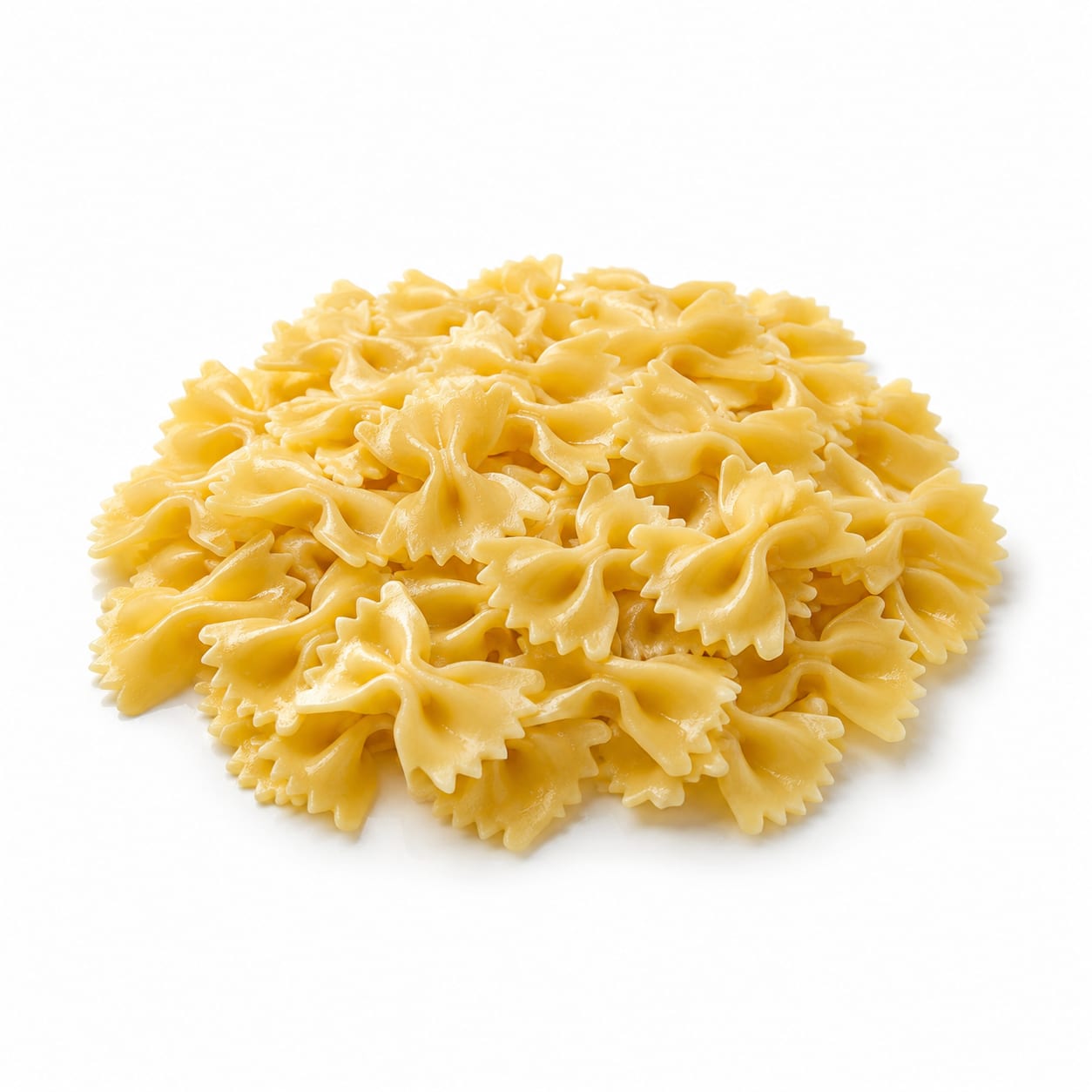
Farfalle
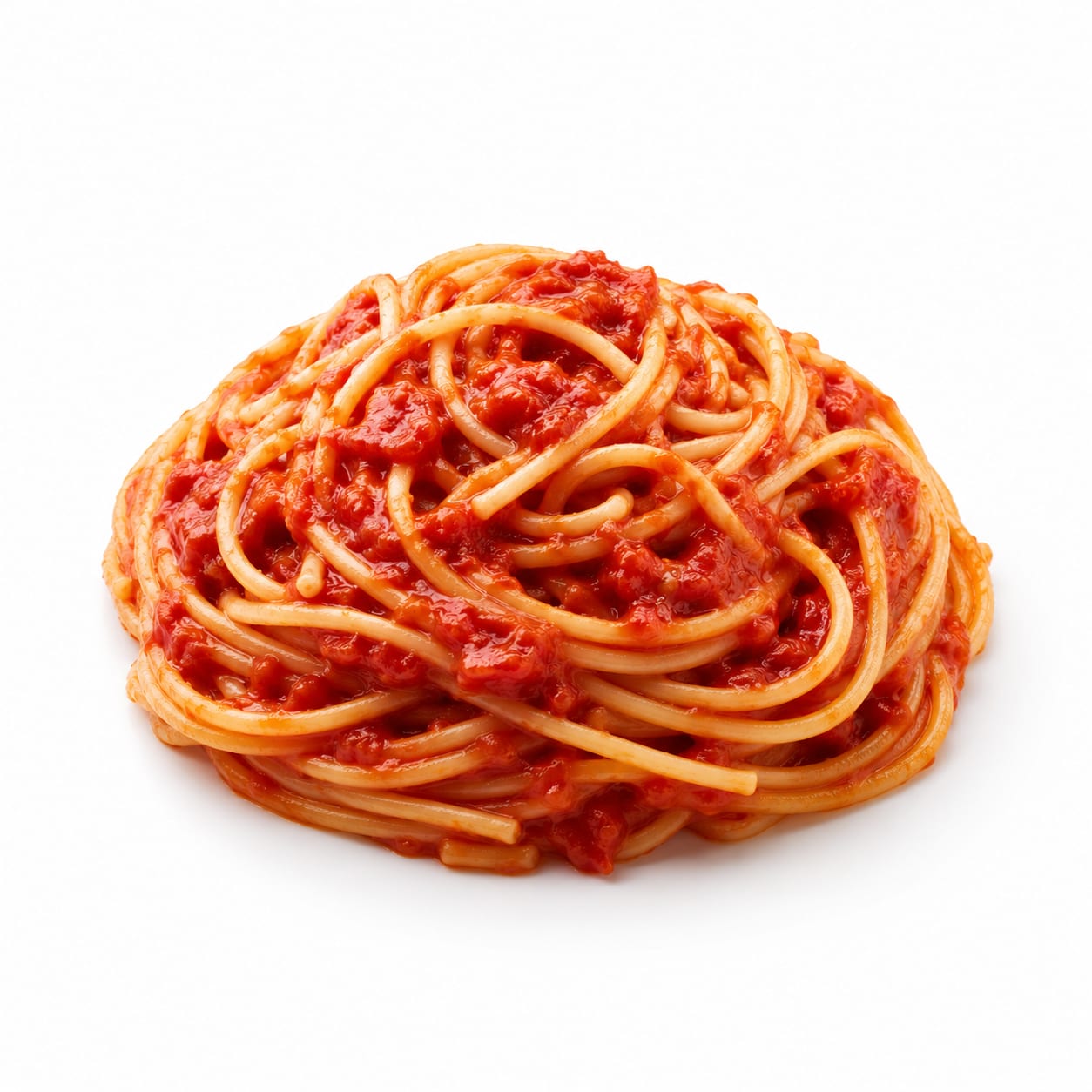
Spaghetti
Nutritionally nearly identical, but shape creates real differences in sauce delivery, eating speed, and meal satisfaction.
Spaghetti edges ahead on versatility and convenience, but the gap is small because both are refined wheat pasta with nearly identical nutrition. Shape-driven differences in eating experience matter more than any health metric.
Farfalle holds chunky sauces better and slows your eating pace, while Spaghetti delivers smoother sauces more elegantly and cooks slightly faster.
At a glance
Executive summary
Overall
It depends
Healthier
It depends
More practical
Spaghetti
Daily use
Spaghetti
Key comparison lenses
sauce adherence and flavor delivery
Shape directly controls how much sauce each bite delivers, making this the most meaningful difference between these pastas
satiety and eating pace
Farfalle requires more chewing and slower eating, which affects fullness signals differently than twirled spaghetti
meal versatility and pairing
Each shape excels with different sauce types and dish styles, limiting or expanding your recipe options
portion perception and mindful eating
Visual fill of the bowl differs by shape, which subtly influences how much you serve yourself
blood sugar and energy stability
Minor differences exist due to surface area and density, but both are refined carbs with similar glycemic impact
Best choice for
Farfalle
- Creamy or chunky sauce lovers
- Pasta salads and cold dishes
- Families with kids who find bowties fun
- People who eat too fast and need built-in pacing
- Casseroles and baked pasta dishes
Spaghetti
- Classic Italian recipe enthusiasts
- Oil-based and light tomato sauces
- Quick weeknight meals
- Meal preppers wanting faster cook times
- Anyone who twirls and savors each bite
Least suitable for
Farfalle
- Delicate seafood sauces where pieces fall apart
- Extremely time-pressed weeknight cooking
- Dishes requiring long noodle traditions like carbonara purists
Spaghetti
- Thick, chunky vegetable sauces that slide right off
- Cold pasta salads where long strands tangle
- Kids who struggle with twirling or cutting long noodles
Deep comparison
Dimension by dimension
Each lens scores both foods and breaks down who each option suits.
- Dimension 1 · Priority 88It depends
Sauce Compatibility & Flavor Delivery
Farfalle · 82Spaghetti · 78Farfalle traps chunky and creamy sauces in its pinched center, while Spaghetti carries thin sauces evenly across its length.
Tradeoff
Farfalle wastes sauce less with heavy toppings; Spaghetti creates a silkier experience with oil-based dressings.
Why it matters
Sauce is where most calories and flavor live. The right shape means better-tasting bites without needing extra sauce.
Real-world impact
A chunky vegetable ragù on Spaghetti leaves half the veggies at the bottom of the bowl. Same sauce on Farfalle delivers veggies and sauce in every forkful.
Farfalle
- Heavy meat sauces like Bolognese
- Cream-based sauces like Alfredo
- Pesto with pine nuts and garlic chunks
- Cold pasta salads with vinaigrette
Better for
- Delicate sauces that pool in the center awkwardly
- Dishes where sauce-to-pasta ratio needs even distribution
Worse for
Spaghetti
- Clam sauce and seafood blends
- Simple olive oil and garlic (aglio e olio)
- Light marinara
- Cacio e pepe and carbonara
Better for
- Thick sauces that slide off leaving dry noodles
- Dishes with large vegetable pieces that never stay on the strand
Worse for
- Dimension 2 · Priority 75Farfalle
Eating Pace & Satiety Signals
Farfalle · 76Spaghetti · 65Farfalle forces slower eating through its shape, giving your brain more time to register fullness before you overeat.
Tradeoff
Spaghetti's smooth twirling encourages faster consumption, which can mean larger portions before you feel satisfied.
Why it matters
Eating speed is one of the strongest predictors of overeating. Shape can be a hidden ally or enemy.
Real-world impact
You can easily finish a massive plate of Spaghetti in 8 minutes. The same portion of Farfalle takes 12-15 minutes, giving satiety hormones time to kick in.
Farfalle
- Mindful eating practice
- Portion control without measuring
- People who regularly overeat pasta
Better for
- Impatient eaters who find the shape annoying
Worse for
Spaghetti
- Post-workout meals where you need calories fast
- Competitive eaters (not a real recommendation, but technically true)
Better for
- Anyone prone to eating past fullness
- Late-night eating when self-control is low
Worse for
- Dimension 3 · Priority 55It depends
Blood Sugar Stability
Farfalle · 52Spaghetti · 50Both are refined durum wheat with high glycemic impact. Any difference is negligible and overwhelmed by sauce and portion choices.
Tradeoff
Farfalle's slightly slower eating pace may blunt the glucose spike marginally, but neither is a good choice for blood sugar management on its own.
Why it matters
If you have insulin resistance or diabetes, the shape matters far less than what you pair it with.
Real-world impact
Adding protein and fiber to either pasta reduces glycemic impact by 30-40%. Switching shapes alone does almost nothing.
Farfalle
- Slightly slower glucose absorption from slower eating
Better for
- Still a high-glycemic refined carb
Worse for
Spaghetti
- No meaningful advantage here
Better for
- Faster eating may slightly accelerate glucose spike
Worse for
- Dimension 4 · Priority 72Spaghetti
Meal Versatility & Recipe Range
Farfalle · 68Spaghetti · 82Spaghetti works in more dishes across more cuisines, while Farfalle shines in a narrower range of recipes.
Tradeoff
Farfalle is the star of pasta salads and baked dishes; Spaghetti is the universal workhorse of the pasta world.
Why it matters
More versatility means fewer abandoned boxes in your pantry and more recipe success with what you have.
Real-world impact
Spaghetti can pivot between Asian stir-fry nights and Italian classics. Farfalle feels wrong outside its comfort zone.
Farfalle
- Pasta salads for picnics and potlucks
- Baked casserole dishes
- Soup additions where bite-sized pieces work better
Better for
- Asian-inspired dishes
- Traditional Italian recipes where shape matters culturally
Worse for
Spaghetti
- Classic Italian recipes from carbonara to puttanesca
- Asian noodle dishes in a pinch
- One-pot meals where long strands absorb broth
Better for
- Cold salads where long strands become unmanageable
- Baked dishes where twirled nests dry out
Worse for
- Dimension 5 · Priority 65Spaghetti
Cooking Convenience & Practicality
Farfalle · 62Spaghetti · 78Spaghetti cooks faster, fits in any pot, and is easier to drain. Farfalle takes slightly longer and needs more water space.
Tradeoff
Farfalle's uniform shape means more even cooking, but Spaghetti's speed wins on busy nights.
Why it matters
When you're tired and hungry, even 2-3 extra minutes and a bigger pot to wash can steer your choice.
Real-world impact
Spaghetti goes from box to plate in 8-9 minutes in a small pot. Farfalle needs 11-12 minutes and more water to float freely.
Farfalle
- Even cooking with no crunchy centers
- Easy to scoop out a single portion to test doneness
Better for
- Longer cook time
- Needs a larger pot for proper boiling
Worse for
Spaghetti
- Speed on busy weeknights
- Works in smaller pots
- Faster draining without pieces escaping the colander
Better for
- Can clump together if not stirred early
- Long strands tangle during draining
Worse for
Timeline
Health impact over time
Short-term
Hours to days
Farfalle
- Steadier energy onset from slower eating pace
- More immediate fullness per visual portion size
- Slightly delayed blood sugar peak
Spaghetti
- Quicker satisfaction from faster consumption
- Rapid blood sugar rise if eaten alone without protein or fiber
- Easier to accidentally overeat before feeling full
Long-term
Months to years
Farfalle
- Marginally better portion control from built-in eating speed reduction
- No meaningful long-term health difference compared to Spaghetti when sauces and portions are equivalent
Spaghetti
- Risk of habitual overconsumption if eating speed is consistently fast
- No meaningful long-term health difference compared to Farfalle when sauces and portions are equivalent
Risk profile
Safety & processing
Both are processed from durum wheat semolina with minimal additives. Quality brands contain only wheat and sometimes enriched vitamins. Neither has meaningful artificial concerns, though both are refined grains stripped of bran and germ.
Farfalle
Undercooked centers
lowThe pinched center of Farfalle can remain slightly firm even when edges are done, which is a texture issue rather than a safety concern.
Spaghetti
Clumping and uneven cooking
lowSpaghetti strands that stick together may cook unevenly, but this is a quality issue, not a health risk.
Who wins for whom
Audience fit
Same foods, different winners depending on your goal.
children
FarfalleKids love the bowtie shape, and the bite-sized pieces are easier for small hands and utensils.
daily consumption
SpaghettiSpaghetti's versatility across more recipes and cuisines makes it more practical for everyday meals without getting bored.
diabetes
It dependsNeither is ideal for blood sugar management. The difference is negligible—what matters is pairing with protein, fiber, and healthy fats.
elderly
FarfalleFarfalle is easier to cut and manage for those with dexterity challenges, and requires less twirling coordination.
muscle gain
SpaghettiSpaghetti's faster eating lets you consume more carbs quickly post-workout when you need rapid refueling.
weight loss
FarfalleFarfalle's slower eating pace gives fullness signals time to register, making it easier to stop at one reasonable portion.
Your move
Decision guide
Choose Farfalle
- You're making a creamy or chunky sauce that needs a pasta that holds its ground
- You tend to eat too fast and want a shape that naturally slows you down
- You're preparing pasta salad for a gathering
- You're cooking for kids who engage more with fun shapes
- You're making a baked pasta casserole
Choose Spaghetti
- You're making classic Italian recipes where long noodles are traditional
- You want a quick weeknight meal with minimal cook time
- You're working with light, oil-based, or thin tomato sauces
- You need one versatile pasta that works across many cuisines
- You're meal prepping and want something that reheats easily
Either works if
- You're eating pasta moderately as part of a balanced meal with protein and vegetables
- You're primarily concerned about nutrition, since both are nearly identical
- You're adding pasta to soup where shape matters less
- You just want comfort food and both sound good
Avoid both if
- You need low-glycemic or low-carb options for blood sugar management
- You're avoiding refined grains entirely
- You have a wheat allergy or gluten sensitivity
- You're trying to minimize processed carbohydrate intake
Final recommendation
Let your sauce decide. Heavy, chunky, or creamy sauces call for Farfalle. Light, smooth, or oil-based sauces call for Spaghetti. For health, the real decision happens at the portion size and what you pair with your pasta—not the shape itself.
Practical
Consumer tips
- 1
Always cook either pasta al dente—it lowers the glycemic index compared to soft, overcooked noodles
- 2
Toss Farfalle with sauce immediately after draining; the pinched centers cool faster and can seize up
- 3
Break Spaghetti in half if you want faster cooking and easier eating, though Italians may judge you
- 4
Add vegetables to either pasta to double the volume and fiber without doubling calories
- 5
Reserve a quarter cup of pasta water before draining—it helps any sauce cling to either shape
- 6
Choose whole wheat versions of either shape if blood sugar control is a priority—the shape difference vanishes compared to the fiber difference
- 7
Farfalle works brilliantly in meal prep because the pieces stay separate and don't clump overnight