
Nutrition comparison
Farfalle vs Soba Noodles: Which is Healthier?
Compare farfalle and soba noodles on nutrition, blood sugar impact, and taste. Find out which noodle is better for weight loss, diabetes, and daily meals.
Overall winner · Soba Noodles
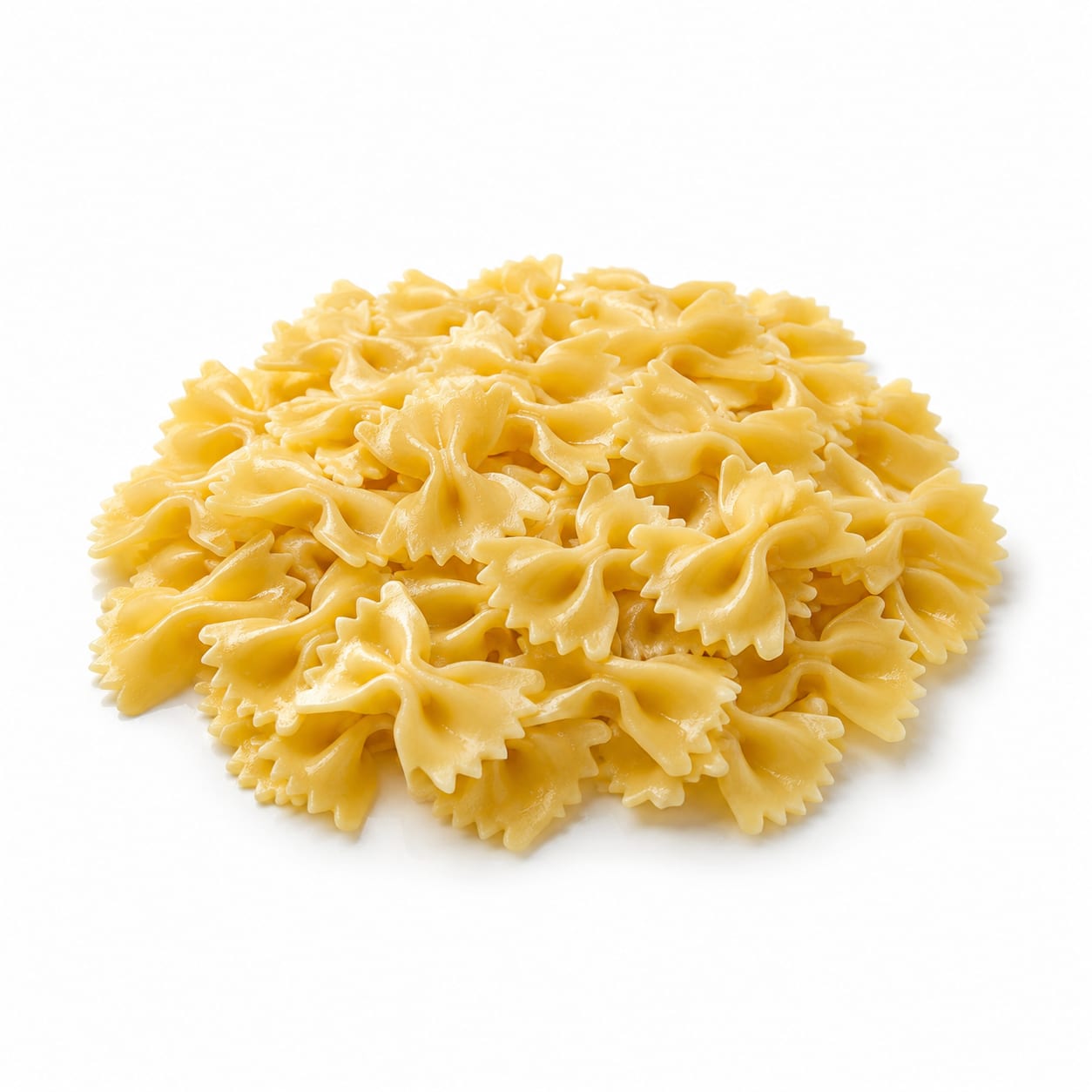
Farfalle
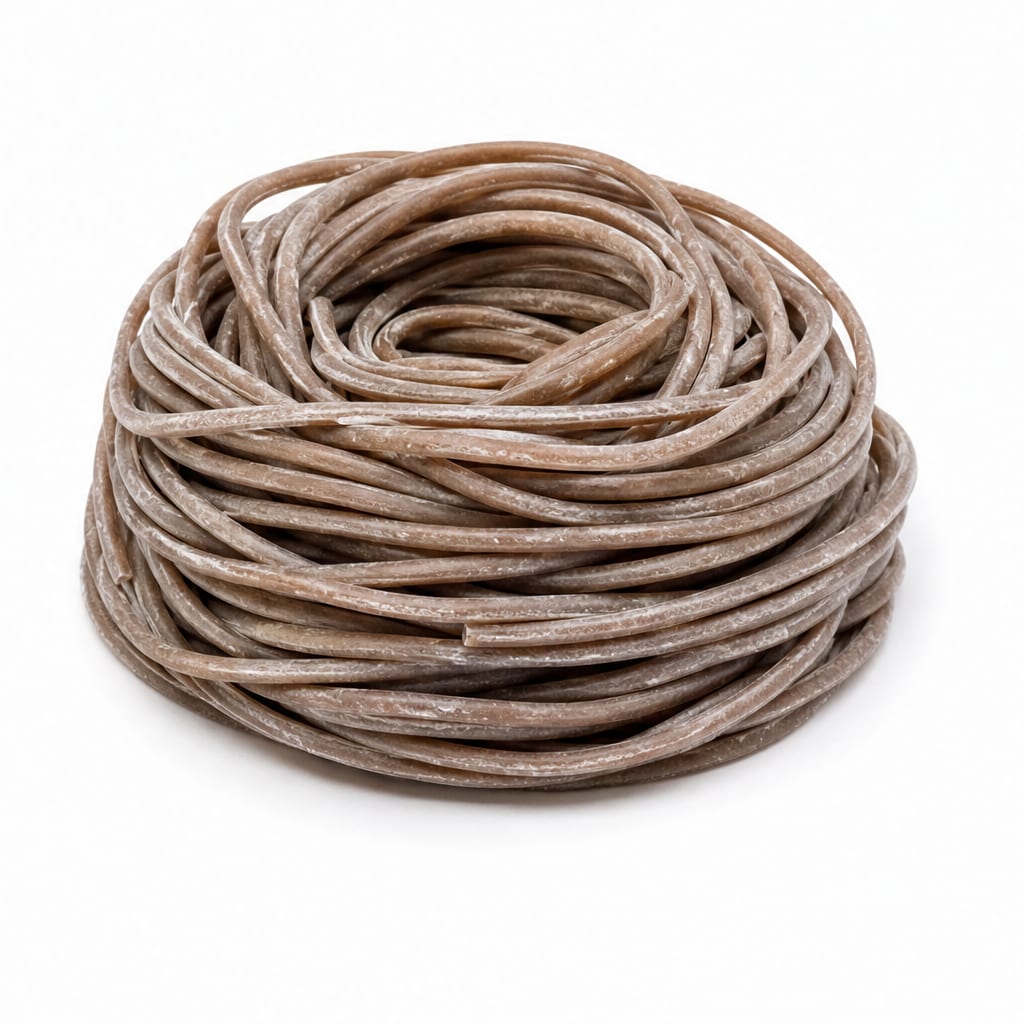
Soba Noodles
Soba noodles offer more nutrients and steadier energy, while farfalle delivers classic comforting texture but with a sharper blood sugar spike.
Soba noodles score higher due to superior micronutrient profile and better blood sugar stability, though farfalle remains a solid choice for traditional pasta dishes.
Farfalle is a familiar, sauce-friendly refined carb, whereas soba brings more fiber and minerals but requires label-checking to avoid wheat fillers.
At a glance
Executive summary
Overall
Soba Noodles
Healthier
Soba Noodles
More practical
Farfalle
Daily use
Soba Noodles
Key comparison lenses
Blood sugar management
Soba's buckwheat base offers a significantly lower glycemic impact than refined wheat farfalle.
Nutrient density
Buckwheat provides unique minerals and antioxidants that standard durum wheat lacks.
Gluten and allergen concerns
Farfalle is strictly off-limits for gluten-free diets, while pure soba can be a safe alternative.
Culinary versatility
Farfalle excels in heavy sauces, whereas soba shines in lighter, broth-based, or cold dishes.
Best choice for
Farfalle
- Hearty Italian sauce pairings
- Kids who resist new textures
- Pre-workout carb loading
Soba Noodles
- Blood sugar management
- Lighter Asian-inspired meals
- Increasing daily mineral intake
Least suitable for
Farfalle
- Gluten-free diets
- Low-glycemic eating plans
- Light summer meals
Soba Noodles
- 100% gluten-free needs unless certified pure buckwheat
- Heavy cream or meat sauces
- Picky eaters unfamiliar with the texture
Deep comparison
Dimension by dimension
Each lens scores both foods and breaks down who each option suits.
- Dimension 1 · Priority 92Soba Noodles
Blood Sugar Stability
Farfalle · 45Soba Noodles · 78Soba noodles cause a slower, steadier rise in blood sugar compared to refined farfalle.
Tradeoff
Farfalle gives quick energy but risks an afternoon crash, while soba provides longer-lasting fuel.
Why it matters
Preventing blood sugar spikes helps control cravings and sustains focus.
Real-world impact
You are less likely to feel sleepy an hour after a soba noodle lunch.
Farfalle
- Quick pre-workout energy
Better for
- Sugar crash sensitivity
Worse for
Soba Noodles
- Steady afternoon focus
- Diabetes management
Better for
- Immediate post-workout glycogen replenishment
Worse for
- Dimension 2 · Priority 88Soba Noodles
Nutrient Density
Farfalle · 40Soba Noodles · 82Buckwheat in soba noodles provides manganese, magnesium, and rutin, which refined farfalle lacks.
Tradeoff
Choosing farfalle means mostly empty carbs, while soba doubles as a source of essential minerals.
Why it matters
Minerals support energy production and cardiovascular health.
Real-world impact
Regular soba consumption subtly supports heart and nerve health without needing supplements.
Farfalle
- Enriched iron intake if fortified
Better for
- Reliance on empty calories
Worse for
Soba Noodles
- Heart health
- Electrolyte balance
Better for
- None significant
Worse for
- Dimension 3 · Priority 80Soba Noodles
Digestive Health & Satiety
Farfalle · 50Soba Noodles · 75Soba's higher fiber content keeps you fuller longer and supports better digestion.
Tradeoff
Farfalle digests quickly, leaving you hungry sooner, while soba stretches out fullness.
Why it matters
Fiber is crucial for gut health and preventing overeating.
Real-world impact
A soba bowl keeps afternoon snacking at bay better than a farfalle plate.
Farfalle
- Easier on the stomach if high fiber causes bloating
Better for
- Overeating risk
Worse for
Soba Noodles
- Weight management
- Gut regularity
Better for
- Bloating for sensitive guts
Worse for
- Dimension 4 · Priority 70Farfalle
Culinary Versatility & Pairing
Farfalle · 85Soba Noodles · 70Farfalle's shape holds thick sauces beautifully, while soba shines mainly in broths and light dressings.
Tradeoff
Farfalle fits seamlessly into Italian comfort food, whereas soba requires a different flavor profile.
Why it matters
Enjoyment and sustainability of a food depend on how well it fits your cooking habits.
Real-world impact
Farfalle is a crowd-pleaser for family dinners; soba is better for quick, solo lunches.
Farfalle
- Pesto and cream sauces
- Picky eaters
Better for
- Cold pasta salads where it can get gummy
Worse for
Soba Noodles
- Cold noodle salads
- Quick broths
Better for
- Heavy ragouts
Worse for
Timeline
Health impact over time
Short-term
Hours to days
Farfalle
- Quick energy burst
- Potential sleepiness after a large portion
Soba Noodles
- Steady, sustained energy
- Feeling light after eating
Long-term
Months to years
Farfalle
- Risk of insulin resistance if overconsumed
- Potential weight gain from calorie density
Soba Noodles
- Improved cardiovascular health from rutin
- Better blood sugar regulation
Risk profile
Safety & processing
Both are processed grain products, but traditional soba relies on a simpler, less refined ingredient list if you choose 100% buckwheat varieties.
Farfalle
Gluten content
highFarfalle contains wheat, making it unsafe for those with celiac disease or severe gluten intolerance.
Soba Noodles
Wheat adulteration
mediumMany commercial soba noodles contain wheat flour; only 100% buckwheat varieties are gluten-free.
Buckwheat allergy
lowThough rare, buckwheat can cause severe allergic reactions in some individuals.
Who wins for whom
Audience fit
Same foods, different winners depending on your goal.
children
FarfalleKids generally prefer the familiar texture and shape of farfalle over the earthy taste of soba.
daily consumption
Soba NoodlesThe superior nutrient profile makes soba a better staple for everyday meals.
diabetes
Soba NoodlesThe lower glycemic index and higher fiber in buckwheat help prevent dangerous blood sugar spikes.
elderly
Soba NoodlesThe rutin in buckwheat supports vascular health, which is crucial for aging populations.
muscle gain
FarfalleFarfalle provides a denser, faster-digesting carbohydrate source that pairs well with post-workout protein shakes.
weight loss
Soba NoodlesSoba noodles have more fiber and protein, which increases satiety and helps control portions naturally.
Your move
Decision guide
Choose Farfalle
- You are making a hearty Italian dinner
- You need quick carbs before a workout
- You are cooking for picky kids
Choose Soba Noodles
- You want steady energy through the afternoon
- You are making a light, Asian-inspired dish
- You want more nutrients from your carbs
Either works if
- You are mixing into a vegetable-heavy soup
- You need a neutral base for a light stir-fry
Avoid both if
- You are on a strict ketogenic diet
- You have severe gluten intolerance and cannot find 100% buckwheat soba
Final recommendation
Opt for soba noodles as your everyday staple for better blood sugar control and nutrient intake, but keep farfalle on hand for comforting, sauce-heavy meals.
Practical
Consumer tips
- 1
Always check the ingredient list on soba noodles; look for 100% buckwheat to avoid wheat fillers and get the full health benefits.
- 2
Rinse soba noodles after cooking to remove excess starch and improve texture.
- 3
Cook farfalle al dente to slightly lower its glycemic index compared to overcooking it.
- 4
Pair farfalle with protein and healthy fats to slow down the blood sugar spike.