
Nutrition comparison
Farfalle vs Quinoa: Which Is Healthier for Daily Eating?
Compare farfalle pasta and quinoa on nutrition, blood sugar impact, protein quality, and cost. Find out which grain is better for weight loss, energy, and everyday meals.
Overall winner · Quinoa
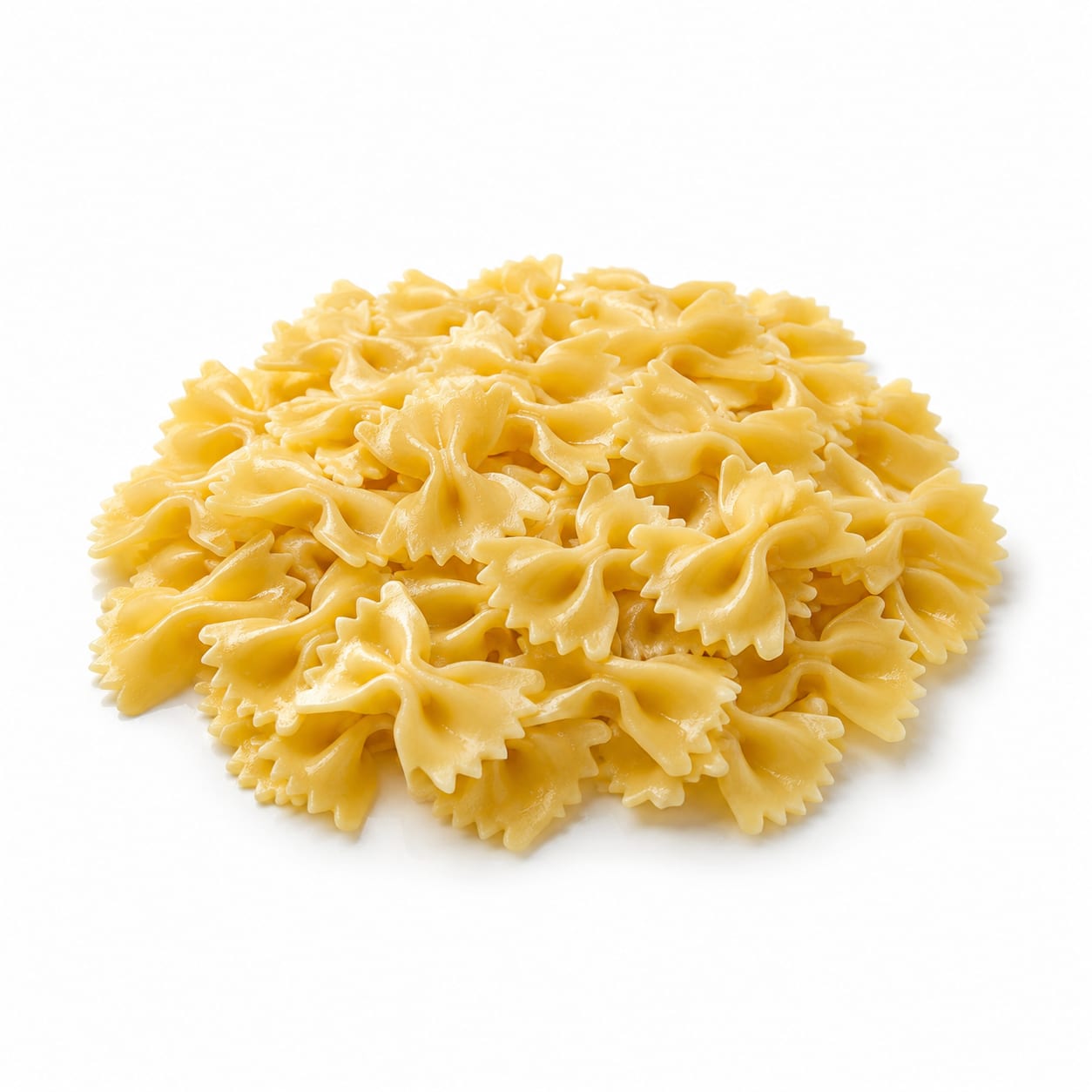
Farfalle
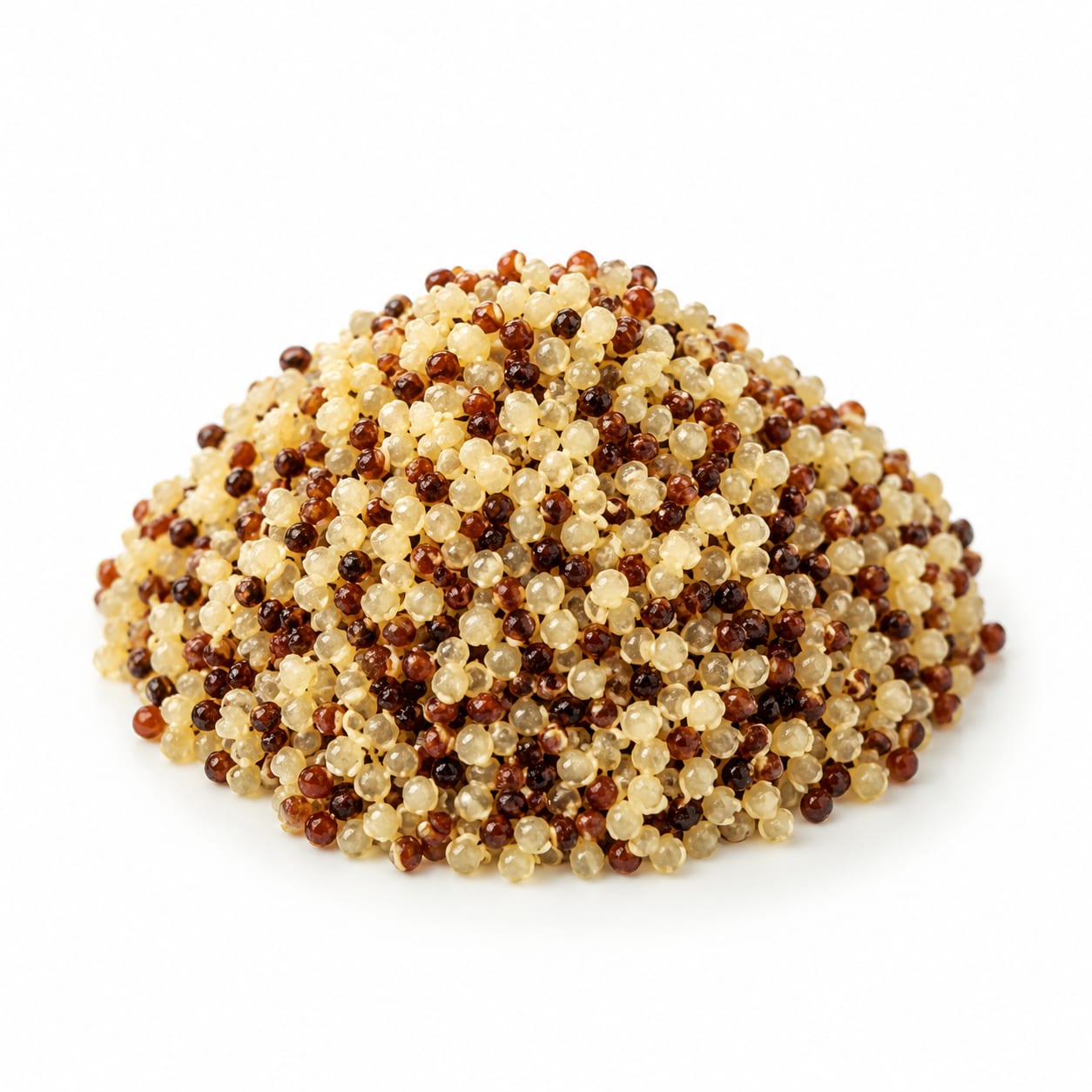
Quinoa
Quinoa wins on nutrition and fullness, but farfalle wins on comfort, cost, and kid appeal.
Quinoa scores substantially higher due to complete protein, superior micronutrients, better blood sugar response, and gluten-free status. Farfalle remains relevant for cost, comfort, and cultural cooking but lags on most health dimensions.
You trade satisfying comfort and lower price for better blood sugar control, more protein, and higher nutrient density.
At a glance
Executive summary
Overall
Quinoa
Healthier
Quinoa
More practical
Farfalle
Daily use
Quinoa
Key comparison lenses
blood sugar and energy stability
Refined wheat pasta spikes glucose faster than quinoa's slower-digesting complex carbs and protein combo
nutrient density per calorie
Quinoa delivers significantly more vitamins, minerals, and complete protein per serving than standard farfalle
weight management and satiety
Users comparing these are often deciding between a comforting carb and a filling whole-food alternative
gluten sensitivity and digestive tolerance
Quinoa is naturally gluten-free while farfalle contains wheat gluten, a key decision factor for many
meal versatility and convenience
Both work in bowls and salads but have different cooking demands and cultural recipe fit
Best choice for
Farfalle
- Families needing affordable, kid-friendly meals
- Athletes carb-loading before endurance events
- Traditional Italian recipe authenticity
- Quick comforting dinners on a budget
Quinoa
- People managing blood sugar or insulin resistance
- Gluten-sensitive or celiac individuals
- Anyone seeking complete protein from plant sources
- Weight-conscious eaters wanting longer fullness
Least suitable for
Farfalle
- People with celiac disease or gluten intolerance
- Those monitoring blood sugar closely
- Anyone seeking high nutrient density per calorie
Quinoa
- Strict budget households
- Picky eaters resistant to new textures
- Traditional pasta recipe purists
Deep comparison
Dimension by dimension
Each lens scores both foods and breaks down who each option suits.
- Dimension 1 · Priority 92Quinoa
blood sugar stability
Farfalle · 35Quinoa · 75Quinoa digests more slowly and causes a gentler blood sugar rise than standard farfalle.
Tradeoff
Farfalle gives faster energy but risks the crash; quinoa provides steadier, longer-lasting fuel.
Why it matters
Blood sugar spikes drive hunger returns, fatigue, and overeating within hours of eating.
Real-world impact
A quinoa lunch keeps you focused through the afternoon. A farfalle lunch may have you reaching for a snack by 3pm.
Farfalle
- Quick pre-workout energy when you need fast carbs
Better for
- Rapid blood sugar spike followed by dip
- Triggers hunger sooner after eating
Worse for
Quinoa
- Sustained energy through long workdays
- Preventing afternoon energy crashes
- Managing prediabetes or insulin resistance
Better for
- Slower energy availability if you need immediate fuel
Worse for
- Dimension 2 · Priority 88Quinoa
protein quality and completeness
Farfalle · 30Quinoa · 85Quinoa is one of the few plant foods with all nine essential amino acids. Farfalle's wheat protein is incomplete.
Tradeoff
Quinoa supports muscle repair and cell function directly; farfalle needs pairing with other proteins to fill the gaps.
Why it matters
Complete protein matters more for vegetarians, vegans, and anyone not eating large amounts of animal protein.
Real-world impact
A quinoa bowl after the gym actually helps your muscles recover. A farfalle dish needs added chicken, eggs, or beans to do the same.
Farfalle
- Works fine as a carb base when paired with complete proteins
Better for
- Missing key amino acids like lysine
- Lower total protein per serving
Worse for
Quinoa
- Standalone complete protein source for plant-based eaters
- Better muscle recovery support on its own
- More efficient amino acid profile per calorie
Better for
- Still modest total protein compared to animal sources
Worse for
- Dimension 3 · Priority 86Quinoa
nutrient density
Farfalle · 25Quinoa · 88Quinoa delivers iron, magnesium, manganese, folate, and zinc in meaningful amounts. Refined farfalle is mostly stripped carbs with some enrichment.
Tradeoff
You get far more vitamins and minerals per bite from quinoa, but farfalle is fortified with some B vitamins and iron.
Why it matters
Nutrient-dense foods reduce the need for supplements and support long-term health without extra calories.
Real-world impact
Regular quinoa eaters get closer to daily magnesium and iron targets without trying. Farfalle eaters need to fill those gaps elsewhere.
Farfalle
- Fortified versions provide some B vitamins and iron
Better for
- Most micronutrients removed during refining
- Enrichment only partially replaces what was lost
Worse for
Quinoa
- Naturally rich in magnesium for muscle and nerve function
- Good plant iron source with higher bioavailability when paired with vitamin C
- Manganese supports bone health and metabolism
- Folate content supports cell repair and energy production
Better for
- Phytic acid can slightly reduce mineral absorption
Worse for
- Dimension 4 · Priority 83Quinoa
satiety and fullness
Farfalle · 40Quinoa · 78Quinoa's fiber-protein combo keeps you full longer than farfalle's refined carbs.
Tradeoff
Farfalle feels more immediately satisfying in the moment but leaves you hungry again sooner.
Why it matters
Foods that keep you full reduce total daily calorie intake without willpower struggle.
Real-world impact
A quinoa dinner at 7pm holds you until morning. A farfalle dinner often leads to a late-night fridge raid.
Farfalle
- Comforting texture feels more immediately satisfying emotionally
Better for
- Refined carbs digest quickly and leave you empty sooner
Worse for
Quinoa
- 5g fiber per cup vs 2.5g in farfalle slows digestion
- Protein content triggers stronger fullness signals
- Lower glycemic response prevents hunger rebound
Better for
- Smaller serving sizes feel less indulgent
Worse for
- Dimension 5 · Priority 78Quinoa
digestive tolerance and gluten
Farfalle · 35Quinoa · 80Quinoa is naturally gluten-free and generally easy to digest. Farfalle contains gluten and can cause issues for sensitive people.
Tradeoff
Quinoa works for nearly everyone's gut; farfalle excludes anyone with celiac or gluten sensitivity.
Why it matters
Roughly 6-7% of people have non-celiac gluten sensitivity, and celiac affects about 1% globally.
Real-world impact
If you feel bloated after pasta, quinoa eliminates that question entirely. If you tolerate gluten fine, this matters less.
Farfalle
- Well-tolerated by the majority without gluten issues
Better for
- Gluten causes bloating, gas, or worse in sensitive people
- Refined wheat can slow digestion in some
Worse for
Quinoa
- Safe for celiac and gluten-sensitive individuals
- Easier on the stomach for many people
- Saponins can be rinsed off to reduce any bitterness or irritation
Better for
- Unrinsed quinoa can cause mild stomach irritation from saponins
- Some people experience new food sensitivity
Worse for
- Dimension 6 · Priority 70Farfalle
cost and accessibility
Farfalle · 85Quinoa · 45Farfalle is cheap and available everywhere. Quinoa costs two to four times more per serving.
Tradeoff
Budget-friendly comfort vs premium nutrition. The price gap is real especially for families.
Why it matters
The best food choice is one you can actually afford to eat regularly.
Real-world impact
A box of farfalle costs under $2 and feeds a family. The same amount of quinoa might cost $5-8.
Farfalle
- Significantly cheaper per serving
- Available in every grocery store
- Bulk buying is easy and affordable
Better for
- Cheaper price reflects lower nutritional value
Worse for
Quinoa
- Prices have dropped as demand increased
- Available in most stores now
Better for
- Premium price limits daily use for budget-conscious households
- Less available in food deserts or small stores
Worse for
- Dimension 7 · Priority 68It depends
culinary versatility and enjoyment
Farfalle · 72Quinoa · 70Farfalle excels in Italian dishes and kid-friendly meals. Quinoa shines in bowls, salads, and global recipes.
Tradeoff
Farfalle is more comforting and familiar. Quinoa is more adaptable across cuisines but less emotionally satisfying.
Why it matters
Food that you enjoy eating is food you'll actually cook and eat consistently.
Real-world impact
Kids will happily eat farfalle with butter and cheese. Quinoa takes more effort to make appealing to picky eaters.
Farfalle
- Perfect for pasta salads with its bowtie shape holding dressing
- Kids love the fun shape and familiar taste
- Ideal for Italian comfort food recipes
- Absorbs sauces beautifully
Better for
- Limited mostly to Italian and Western European cuisine contexts
Worse for
Quinoa
- Works in grain bowls, salads, soups, and porridge
- Adapts to Mexican, Middle Eastern, and Asian flavor profiles
- Can be used as a hot or cold base
- Fluffy texture adds interest to mixed dishes
Better for
- Earthy flavor takes getting used to
- Texture can feel wrong to pasta lovers
Worse for
Timeline
Health impact over time
Short-term
Hours to days
Farfalle
- Quick energy from easily digested carbs
- Possible bloating if gluten-sensitive
- Blood sugar rise within 30-60 minutes of eating
- Satisfying comfort food feeling during the meal
Quinoa
- Steady energy without the crash
- Gentle on digestion for most people
- Longer-lasting fullness after eating
- Mild stomach upset if saponins not rinsed
Long-term
Months to years
Farfalle
- Regular refined carb intake linked to higher type 2 diabetes risk
- Low fiber contributes to slower digestion and constipation patterns
- Gluten exposure risk for undiagnosed celiac or sensitive individuals
- Enriched versions partially offset some B vitamin deficiencies
Quinoa
- Consistent fiber intake supports gut microbiome diversity
- Magnesium and manganese support bone density long-term
- Complete protein helps preserve muscle mass with aging
- Lower glycemic load reduces metabolic disease risk over time
Risk profile
Safety & processing
Standard farfalle is made from refined wheat flour with minimal additives but significant processing that strips the grain. Quinoa is a whole seed that needs only rinsing and cooking. Whole wheat farfalle closes the gap but still undergoes more processing than quinoa.
Farfalle
gluten exposure for celiac individuals
highEven small amounts of wheat pasta can trigger autoimmune damage in people with celiac disease.
enrichment additive sensitivity
lowSome enriched farfalle contains added folic acid or iron that rare individuals may react to.
Quinoa
saponin irritation
lowNatural coating on quinoa can cause stomach upset or bitterness if not rinsed before cooking.
cross-contamination with gluten grains
mediumQuinoa processed in shared facilities can pick up wheat traces. Look for certified gluten-free labels if needed.
Who wins for whom
Audience fit
Same foods, different winners depending on your goal.
children
FarfalleKids prefer the familiar taste and fun shape of farfalle, making mealtime less of a battle.
daily consumption
QuinoaSuperior nutrient density and blood sugar stability make quinoa a better everyday staple for most health goals.
diabetes
QuinoaLower glycemic index and higher fiber create smaller, slower blood sugar rises that are easier to manage.
elderly
QuinoaComplete protein and higher magnesium support muscle preservation and bone health in aging bodies.
muscle gain
FarfalleFarfalle provides faster-digesting carbs useful for post-workout glycogen replenishment when paired with a protein source.
weight loss
QuinoaHigher fiber and protein keep you full on fewer calories, reducing overall intake naturally.
Your move
Decision guide
Choose Farfalle
- You're feeding a family on a tight budget
- You're carb-loading before a race or intense workout
- You're making a traditional Italian dish where substitution feels wrong
- You find quinoa's texture or flavor unappealing and won't eat it consistently
Choose Quinoa
- You want steadier energy without afternoon crashes
- You're eating plant-based and need complete protein
- You have gluten sensitivity or celiac disease
- You're trying to lose weight without feeling hungry
- You want more nutrients per calorie you consume
Either works if
- You're mixing either into a vegetable-heavy bowl with added protein
- You tolerate gluten well and have no blood sugar concerns
- You rotate between both for variety and enjoyment
Avoid both if
- You need a low-carb or ketogenic approach for medical reasons
- You have severe grain or seed allergies that affect both
Final recommendation
Make quinoa your default for everyday meals and save farfalle for when comfort, tradition, or budget matter more. If you choose farfalle regularly, opt for whole wheat versions and always pair it with protein and vegetables to blunt the blood sugar impact.
Practical
Consumer tips
- 1
Rinse quinoa under cold water for 30 seconds before cooking to remove bitter saponins
- 2
Choose whole wheat farfalle if you want to close the nutrition gap while keeping the pasta experience
- 3
Cook quinoa in broth instead of water for a flavor boost that makes it more enjoyable
- 4
Pair farfalle with olive oil, vegetables, and lean protein to slow digestion and reduce the glycemic spike
- 5
Buy quinoa in bulk bins to cut costs significantly compared to packaged brands
- 6
Mix half farfalle and half quinoa in pasta salads for a compromise on nutrition, texture, and taste