
Nutrition comparison
Farfalle vs Penne: Which Pasta Shape Is Better for Your Meal?
Compare Farfalle and Penne pasta. Learn the differences in sauce pairing, texture, and best uses to pick the right noodle for your next dinner.
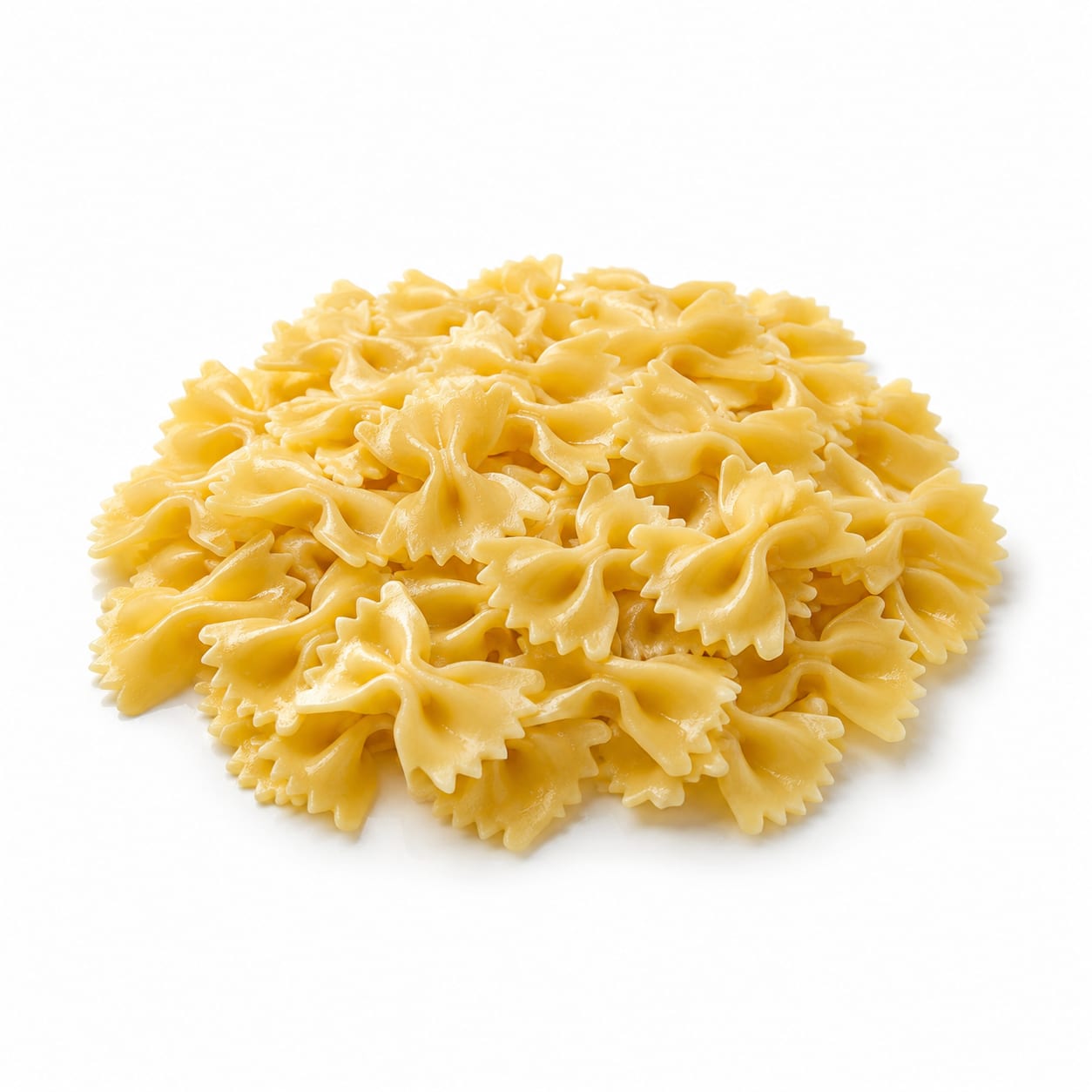
Farfalle
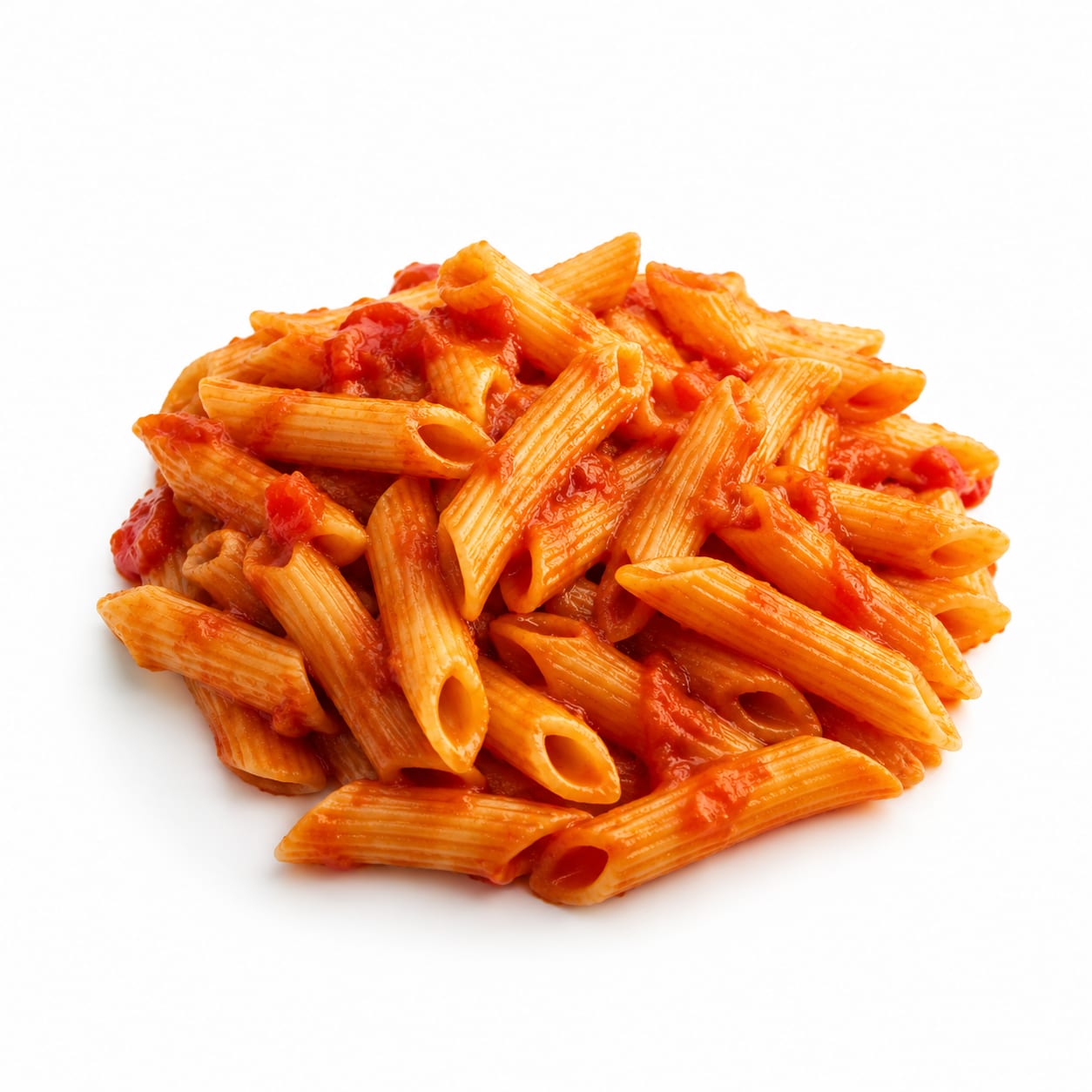
Penne
Nutritionally identical, but culinarily distinct. Penne is the everyday workhorse that traps sauce beautifully, while Farfalle is the aesthetic specialist best suited for lighter fare.
Penne scores higher primarily due to its unmatched versatility and better interaction with a wide variety of sauces. Farfalle is delightful but limited in its ideal culinary applications.
You are trading Penne's superior sauce-carrying capacity and versatility for Farfalle's fun visual appeal and unique dual texture.
At a glance
Executive summary
Overall
It depends
Healthier
It depends
More practical
Penne
Daily use
Penne
Key comparison lenses
Sauce pairing and flavor delivery
The primary difference between pasta shapes is how they interact with sauces, completely changing the eating experience despite identical ingredients.
Meal versatility and practicality
Some shapes work better across a wide range of dishes, while others are specialists suited for specific recipes.
Texture and mouthfeel preference
Farfalle offers a unique mix of chewy centers and crispy edges, whereas Penne provides a consistent, satisfying bite.
Blood sugar and satiety impact
Since both are typically made from the same durum wheat, their nutritional profiles and glycemic impacts are virtually identical.
Best choice for
Farfalle
- Creamy or oil-based light sauces
- Cold pasta salads for picnics or potlucks
- Picky eaters or kids who enjoy fun shapes
Penne
- Hearty meat sauces and chunky ragùs
- Baked pasta dishes like ziti
- Busy weeknight meals requiring a reliable, versatile noodle
Least suitable for
Farfalle
- Heavy, thick meat sauces that pool at the bottom of the bowl
- Meal prep that involves a lot of stirring, as the edges can break off
Penne
- Delicate, thin sauces that need to cling to intricate shapes
- Cold salads where you want a visually striking presentation
Deep comparison
Dimension by dimension
Each lens scores both foods and breaks down who each option suits.
- Dimension 1 · Priority 95Penne
Sauce Compatibility
Farfalle · 60Penne · 92Penne's tubular shape and ridges act like little sauce traps, ensuring flavor in every bite. Farfalle's flat surface lets heavy sauces slide right off.
Tradeoff
Farfalle presents sauce beautifully on a plate, but Penne actually delivers more sauce to your palate.
Why it matters
A pasta dish is only as good as how well the noodle and sauce bond. A disconnected sauce makes for a dry, bland meal.
Real-world impact
Eating Farfalle with a chunky Bolognese often leaves a pool of meat at the bottom of the bowl. Penne captures that same sauce perfectly.
Farfalle
- Light cream sauces
- Pesto
- Oil and garlic dressings
Better for
- Heavy meat sauces
- Runny cheese sauces
Worse for
Penne
- Chunky vegetable sauces
- Hearty meat ragùs
- Thick tomato sauces
Better for
- Delicate broth-based sauces
Worse for
- Dimension 2 · Priority 75It depends
Texture and Mouthfeel
Farfalle · 80Penne · 80Farfalle offers a unique dual texture with chewy centers and firmer edges. Penne provides a consistent, satisfying al dente bite throughout.
Tradeoff
Farfalle brings playful textural contrast, while Penne delivers reliable, uniform density.
Why it matters
Texture drives eating satisfaction. A monotonous mouthfeel can make a meal feel flat, even if the flavor is good.
Real-world impact
Kids love the varying bite of Farfalle, but adults seeking a hearty, consistent chew in a baked dish will prefer Penne.
Farfalle
- Adding textural interest to simple dishes
- Cold salads where firmness is needed
Better for
- Dishes where the edges overcook and separate
Worse for
Penne
- Baked dishes requiring structural integrity
- Comfort food meals needing a consistent bite
Better for
- Meals where a dense bite feels too heavy
Worse for
- Dimension 3 · Priority 85Penne
Versatility and Practicality
Farfalle · 65Penne · 90Penne is a universal staple that works in almost any pasta recipe. Farfalle is a specialist that shines in a narrower range of dishes.
Tradeoff
Keeping Penne in your pantry covers all your bases. Farfalle requires a specific meal plan to truly shine.
Why it matters
A versatile pantry staple reduces food waste and simplifies weeknight cooking decisions.
Real-world impact
If you only have space for one pasta box, Penne will never let you down, whether you're making a quick vodka sauce or a baked casserole.
Farfalle
- Spring and summer entertaining
- Visual presentation focus
Better for
- Improvising with whatever sauce is in the fridge
Worse for
Penne
- Everyday family dinners
- One-pot meals and baked pastas
Better for
- Impressing guests with an elegant, delicate plating
Worse for
- Dimension 4 · Priority 40It depends
Blood Sugar and Satiety
Farfalle · 75Penne · 75Made from the same durum wheat, both shapes have identical glycemic impacts and fill you up equally.
Tradeoff
There is no nutritional tradeoff here. The difference is purely structural and culinary.
Why it matters
People often assume different shapes affect carbs differently, but the wheat dictates the metabolic response, not the cut.
Real-world impact
A cup of Farfalle will spike your blood sugar and fill your stomach exactly the same as a cup of Penne.
Farfalle
Penne
Timeline
Health impact over time
Short-term
Hours to days
Farfalle
- Provides quick energy from refined carbohydrates
- Can cause a moderate blood sugar spike if eaten plain
Penne
- Provides quick energy from refined carbohydrates
- Can cause a moderate blood sugar spike if eaten plain
Long-term
Months to years
Farfalle
- Regular consumption of refined wheat can contribute to sluggish metabolism if not paired with fiber and protein
Penne
- Regular consumption of refined wheat can contribute to sluggish metabolism if not paired with fiber and protein
Risk profile
Safety & processing
Both Farfalle and Penne are traditionally made from just durum wheat and water. They undergo mechanical extrusion and shaping, making them processed but not ultra-processed, with minimal additive concerns.
Farfalle
Uneven cooking
lowThe pinched center of Farfalle can remain undercooked while the edges overcook, which is a texture issue rather than a safety one.
Penne
Sauce pooling in tubes
lowIf Penne is left sitting in a hot sauce for too long, the trapped moisture can cause the pasta to break down faster than flat shapes.
Who wins for whom
Audience fit
Same foods, different winners depending on your goal.
children
FarfalleKids are drawn to the fun bowtie shape, making mealtime less of a struggle for picky eaters.
daily consumption
PennePenne's unmatched versatility makes it a far more practical staple for everyday cooking.
diabetes
It dependsBoth have the same glycemic index. The key is pairing either with fiber, healthy fats, and protein to slow digestion.
elderly
PennePenne's uniform, easy-to-chew texture when cooked softly is gentler on aging teeth and digestion.
muscle gain
It dependsBoth provide the same carbohydrate fuel for workouts. Neither is a significant protein source on its own.
weight loss
It dependsBoth have the exact same calorie density. Weight loss depends entirely on portion control and the sauce you choose.
Your move
Decision guide
Choose Farfalle
- You are making a light, creamy, or oil-based sauce
- You want a visually appealing dish for a spring gathering
- You are feeding kids who need a fun shape to stay engaged
Choose Penne
- You are making a hearty meat or chunky vegetable sauce
- You need a reliable pasta for baking or meal prep
- You want a versatile staple that works with almost anything
Either works if
- You are tossing it in a simple garlic and oil dressing
- You are primarily focused on carb-loading for athletic performance
Avoid both if
- You are strictly limiting refined carbohydrates
- You have a severe gluten intolerance or celiac disease
Final recommendation
Let the sauce dictate the shape. Keep Penne in your pantry as your reliable daily driver, and pick up Farfalle when you want to elevate a light, creamy dish or impress guests with a beautiful presentation.
Practical
Consumer tips
- 1
Choose whole wheat or chickpea versions of either shape to boost fiber and protein content significantly.
- 2
Always save a splash of pasta water before draining; the starch helps any sauce cling to both Penne and Farfalle.
- 3
If cooking Farfalle, stir gently. The pinched centers can unravel if agitated too aggressively while boiling.
- 4
Look for 'Penne Rigate' over smooth penne; the ridges make a massive difference in holding onto sauces.