
Nutrition comparison
Farfalle vs Macaroni: Which Pasta Shape Is Better for Your Meal?
Compare farfalle and macaroni pasta on nutrition, sauce pairing, cooking convenience, and health impact. Find out which shape fits your cooking style and dietary goals.
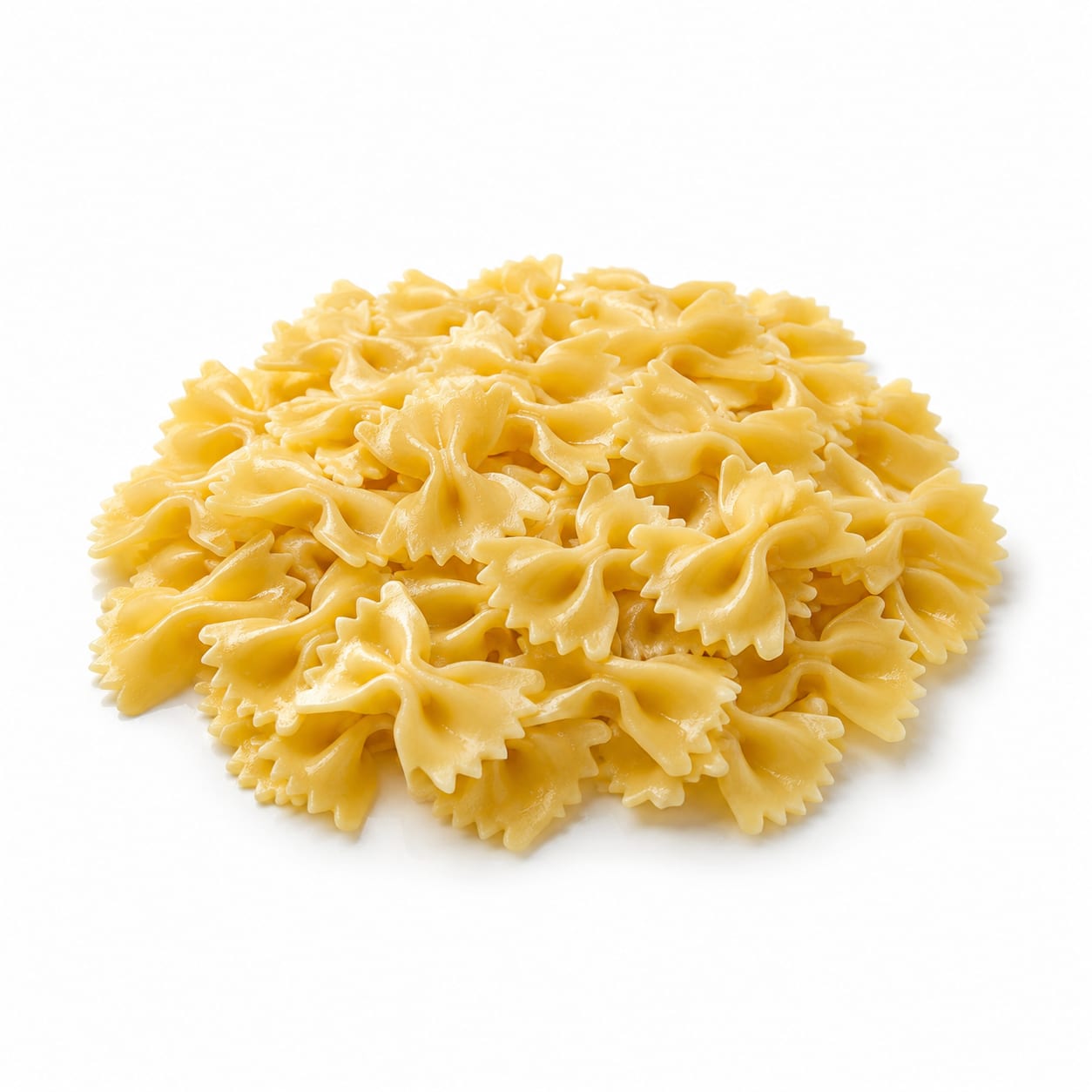
Farfalle
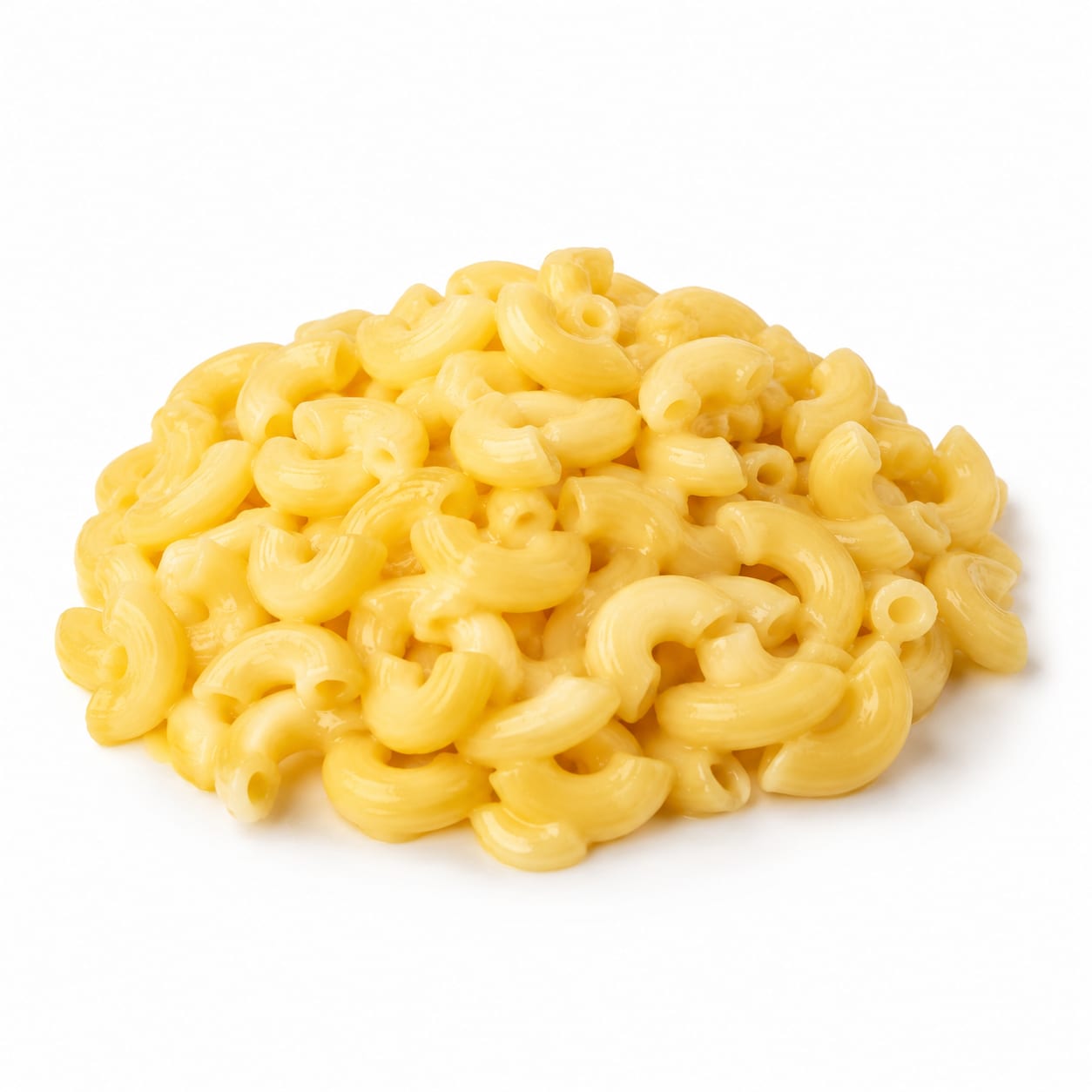
Macaroni
Nutritionally nearly identical, but farfalle wins on meal versatility while macaroni wins on convenience and kid appeal.
Macaroni edges ahead slightly due to faster cooking, broader recipe compatibility, and lower cost. Farfalle scores well on eating satisfaction but loses points on practicality. The gap is small because both share the same nutritional foundation.
Farfalle dresses up a dish with better sauce capture and visual appeal; macaroni cooks faster and fits comfort food and quick prep better.
At a glance
Executive summary
Overall
It depends
Healthier
It depends
More practical
Macaroni
Daily use
Macaroni
Key comparison lenses
shape-driven sauce pairing and meal versatility
Both are durum wheat pastas, so the real difference is how shape affects eating experience and recipe fit
glycemic impact and digestion speed
Shape density and surface area subtly influence how quickly starch breaks down
practical cooking and meal prep convenience
Users want to know which fits easier into weeknight dinners, meal prep, or kid-friendly cooking
processed food association risk
Macaroni is strongly linked to boxed mac and cheese, raising ultra-processing concerns
Best choice for
Farfalle
- Pasta salads and cold dishes
- Dinner parties or visually appealing meals
- Creamy or oil-based sauces that pool in the pinched center
- Adults wanting a more satisfying eating experience
Macaroni
- Quick weeknight meals
- Kids who prefer familiar shapes
- Soups and casseroles
- Budget-friendly bulk cooking
Least suitable for
Farfalle
- Soups where the bowtie shape feels awkward
- Rushed 10-minute dinners
- Picky eaters resistant to unfamiliar shapes
Macaroni
- Elegant plating or dinner parties
- Pasta salads where the shape feels monotonous
- Dishes where you want sauce to get trapped in folds
Deep comparison
Dimension by dimension
Each lens scores both foods and breaks down who each option suits.
- Dimension 1 · Priority 94Farfalle
Sauce Pairing and Eating Satisfaction
Farfalle · 85Macaroni · 65Farfalle's pinched center and ruffled edges trap sauce beautifully, making each bite more flavorful.
Tradeoff
That same shape makes farfalle less ideal for brothy soups where macaroni slips in naturally.
Why it matters
Sauce adherence directly affects how satisfying a meal feels without needing extra oil or cheese.
Real-world impact
A farfalle pasta salad tastes more seasoned with less dressing; macaroni needs more to coat evenly.
Farfalle
- Creamy pesto or ricotta sauces
- Vinaigrette-based cold salads
- Dishes where every bite should feel saucy
Better for
- Thin soups where bowties feel clunky
- Dishes requiring even distribution of small mix-ins
Worse for
Macaroni
- Broth-based soups like minestrone
- Baked casseroles with mixed-in ingredients
- Dishes where uniform texture matters more than sauce capture
Better for
- Light oil-based sauces that slide right off
- Meals where visual appeal matters
Worse for
- Dimension 2 · Priority 82Farfalle
Blood Sugar Stability
Farfalle · 58Macaroni · 52Farfalle's slightly thicker center means marginally slower starch digestion compared to the uniform thin wall of macaroni.
Tradeoff
The difference is small and largely irrelevant unless you are actively managing blood sugar.
Why it matters
Even small differences in glycemic response affect afternoon energy crashes and hunger timing.
Real-world impact
You might stay full 15-20 minutes longer after farfalle, but pairing with protein matters far more.
Farfalle
- People monitoring glycemic response closely
- Meals eaten without protein sides
Better for
- Anyone expecting a meaningful blood sugar advantage over macaroni
Worse for
Macaroni
- Pre-workout meals where faster energy release is actually helpful
Better for
- Sedentary evening meals where faster digestion means earlier hunger
Worse for
- Dimension 3 · Priority 88Macaroni
Cooking Convenience and Speed
Farfalle · 55Macaroni · 85Macaroni cooks 2-3 minutes faster, fits in smaller pots, and is harder to overcook.
Tradeoff
Farfalle needs more attention to avoid the center staying chewy while the edges overcook.
Why it matters
On busy weeknights, even a few extra minutes and pot-watching matters for whether you actually cook.
Real-world impact
Macaroni is a reliable 7-minute pasta; farfalle keeps you checking and tasting.
Farfalle
- Weekend cooking when you have time to focus
- Meals where al dente precision is a point of pride
Better for
- Rushed cooking leading to uneven texture
- Small pots where bowties clump together
Worse for
Macaroni
- Weeknight dinners under 20 minutes
- Meal prep batches where consistency matters
- Beginner cooks who want foolproof results
Better for
- Situations where cooking speed is irrelevant
Worse for
- Dimension 4 · Priority 76Farfalle
Ultra-Processing and Food Association Risk
Farfalle · 72Macaroni · 55Plain macaroni is as minimally processed as farfalle, but its strong association with boxed mac and cheese changes how people actually use it.
Tradeoff
Farfalle nudges you toward fresher, vegetable-forward recipes; macaroni nudges you toward cheese sauce and processed additions.
Why it matters
The food environment around a shape influences what you add to it, which matters more than the pasta itself.
Real-world impact
People reaching for macaroni are more likely to add processed cheese powder; farfalle invites olive oil and vegetables.
Farfalle
- Home cooks trying to build healthier meal habits
- Families wanting to break the boxed mac and cheese cycle
Better for
- Situations where the shape itself has no impact on what you add
Worse for
Macaroni
- Anyone who uses plain macaroni in homemade soups or salads without processed additions
Better for
- Households where macaroni automatically means boxed cheese sauce
- Kids who refuse macaroni unless it comes from a blue box
Worse for
- Dimension 5 · Priority 70Macaroni
Cost and Accessibility
Farfalle · 60Macaroni · 82Macaroni is consistently cheaper and available in more stores, including bulk bins and store brands.
Tradeoff
Farfalle costs slightly more and is sometimes only available in premium brands.
Why it matters
For families eating pasta multiple times a week, the price difference adds up over months.
Real-world impact
A pound of store-brand macaroni runs about $1; farfalle often starts at $1.50 or more.
Farfalle
- Shoppers who prioritize meal experience over cost
- Special occasion dinners
Better for
- Weekly grocery budgets under $50
Worse for
Macaroni
- Budget-conscious families
- Bulk buying and food bank donations
- Anyone shopping at stores with limited pasta variety
Better for
- Situations where the cost difference is negligible
Worse for
Timeline
Health impact over time
Short-term
Hours to days
Farfalle
- Similar blood sugar rise to macaroni, with slightly slower onset due to thicker center
- More satisfying mouthfeel per bite, potentially reducing seconds
Macaroni
- Slightly faster energy availability, useful before activity
- Encourages larger portions in baked dishes where it disappears into the sauce
Long-term
Months to years
Farfalle
- Marginally better meal patterns if the shape encourages vegetable-based sauces
- No meaningful long-term health difference over macaroni when prepared identically
Macaroni
- Risk of habitual pairing with processed cheese sauces if that becomes the default preparation
- Convenient shape may increase overall pasta frequency, raising refined carb exposure
Risk profile
Safety & processing
Both farfalle and macaroni are made from the same simple ingredients: durum wheat semolina and water. Neither contains additives when sold as plain dried pasta. The processing concern is not the pasta itself but what people tend to add to it.
Farfalle
Uneven cooking leaving dense center undercooked
lowUndercooked pasta is not a safety issue but can cause mild digestive discomfort in sensitive people.
Macaroni
Association with processed cheese sauce additives
mediumBoxed mac and cheese often contains artificial colors, preservatives, and emulsifiers. The risk is not the macaroni but the typical companion ingredients.
Who wins for whom
Audience fit
Same foods, different winners depending on your goal.
children
MacaroniKids recognize and enjoy macaroni, making it easier to introduce new sauces or add hidden vegetables.
daily consumption
MacaroniMacaroni's versatility across soups, casseroles, and sides makes it a more practical everyday staple.
diabetes
FarfalleThe marginally slower digestion from farfalle's thicker center provides a small glycemic advantage, though portion control matters far more.
elderly
MacaroniMacaroni's softer texture when cooked and easier chewing makes it more suitable for those with dental concerns.
muscle gain
MacaroniMacaroni's faster digestion makes it slightly better for post-workout carb replenishment when you want quick energy.
weight loss
FarfalleFarfalle's satisfying shape and sauce-holding ability can make smaller portions feel more complete, reducing the urge for seconds.
Your move
Decision guide
Choose Farfalle
- You want a pasta that makes simple sauces feel special
- You are meal prepping pasta salads for the week
- You are trying to break out of a mac and cheese rut
- Visual appeal and eating experience matter to you
Choose Macaroni
- You need dinner on the table in under 15 minutes
- You are cooking for kids who gravitate toward familiar shapes
- You make a lot of soups, casseroles, or baked pasta dishes
- Budget is a priority and you want the cheapest reliable pasta
Either works if
- You are pairing with a robust tomato sauce where shape barely matters
- You are eating pasta only occasionally and the difference is negligible
- You plan to add plenty of protein and vegetables regardless of shape
Avoid both if
- You are strictly limiting refined carbohydrates for blood sugar management
- You are following a gluten-free or low-carb eating plan
- You have a wheat allergy or celiac disease
Final recommendation
Keep both in your pantry. Use farfalle when the meal matters and you want each bite to feel intentional. Use macaroni when speed, comfort, or kid-pleasing is the priority. The shape you choose shapes what you add to it, so let the meal you want to cook decide.
Practical
Consumer tips
- 1
Check cooking times carefully: farfalle needs 10-12 minutes while macaroni finishes in 7-8, and overcooked farfalle gets gummy at the edges
- 2
Use farfalle for cold pasta salads where the shape stays appealing even chilled; macaroni clumps when cold
- 3
If using macaroni, try homemade cheese sauce instead of boxed to avoid artificial additives while keeping the comfort factor
- 4
Pair either pasta with protein and fiber to blunt the blood sugar spike — the shape matters less than what sits next to it on the plate
- 5
Buy whole wheat versions of either shape if you want more fiber and slower digestion; the shape difference becomes less important than the grain type