
Nutrition comparison
Farfalle vs Chickpea Pasta: Nutrition, Taste, and Health Comparison
Comparing farfalle and chickpea pasta? Discover which is better for blood sugar, protein, weight loss, and taste in this expert breakdown.
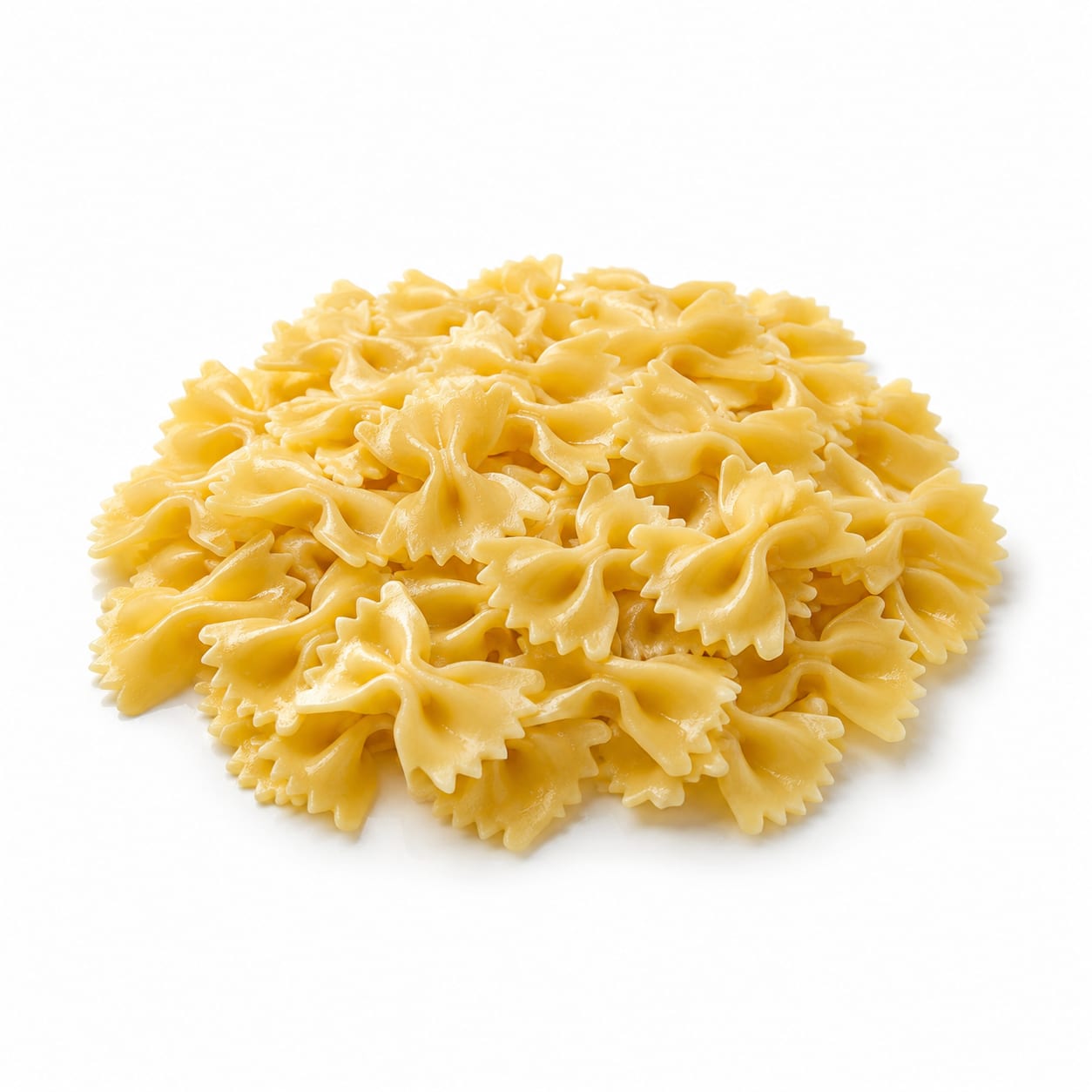
Farfalle
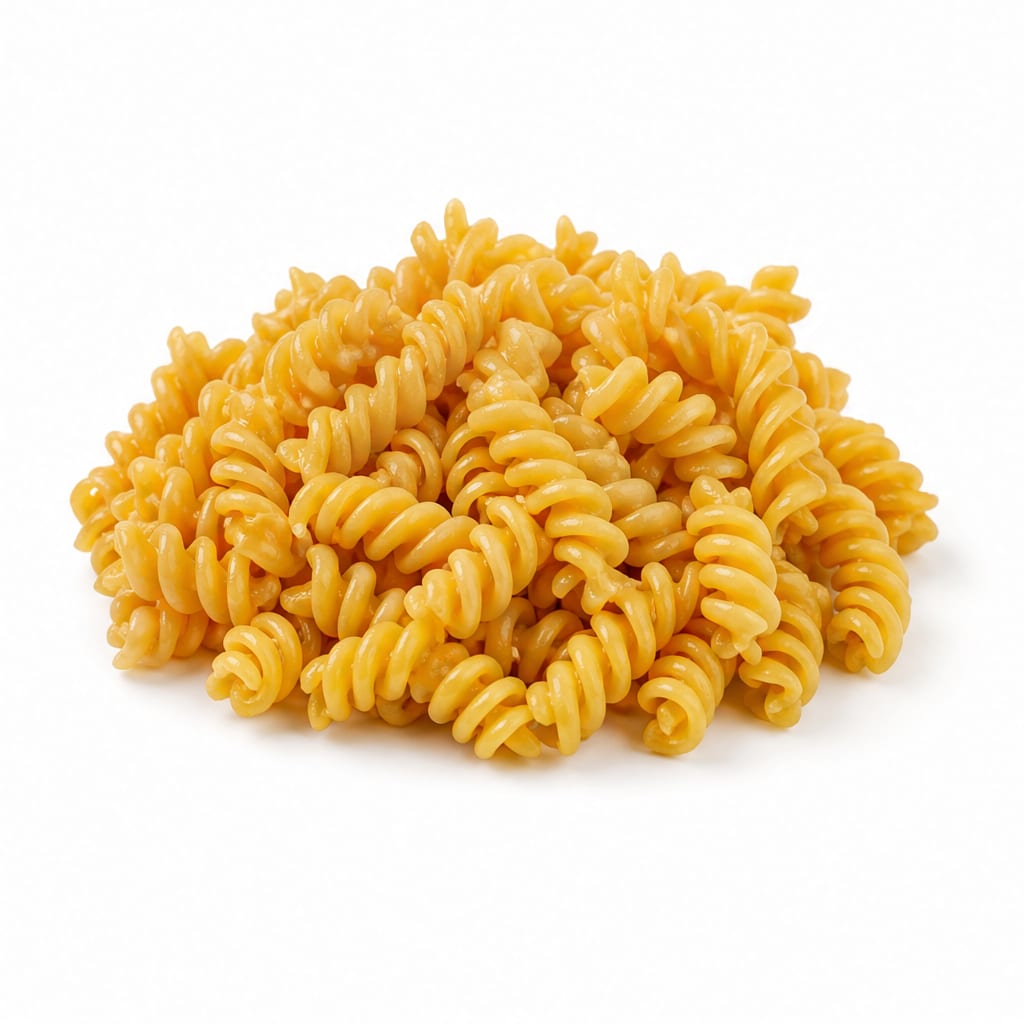
Chickpea Pasta
Chickpea pasta is the nutritional powerhouse with more protein and fiber, but farfalle delivers the classic comforting texture and mild flavor most people crave.
Chickpea pasta scores higher due to its strong protein and fiber content, which supports satiety and blood sugar control. Farfalle scores lower nutritionally but remains a reliable comfort food.
Nutritional upgrade versus traditional pasta experience.
At a glance
Executive summary
Overall
It depends
Healthier
Chickpea Pasta
More practical
Farfalle
Daily use
It depends
Key comparison lenses
Blood sugar impact and carbohydrate quality
Chickpea pasta offers significantly more fiber and protein, leading to steadier blood sugar compared to traditional wheat farfalle.
Protein intake and satiety
Chickpea pasta is often chosen as a plant-based protein upgrade, keeping you full much longer than regular farfalle.
Taste and texture expectations
Farfalle provides the classic comforting pasta bite, while chickpea pasta can taste earthier and requires careful cooking to avoid mushiness.
Digestive tolerance
The high fiber in chickpea pasta can cause bloating if introduced too quickly, whereas farfalle is gentler on the stomach unless gluten is an issue.
Best choice for
Farfalle
- Picky eaters who dislike earthy flavors
- Traditional Italian recipe authenticity
- Those with sensitive digestion needing lower fiber
Chickpea Pasta
- Plant-based eaters needing more protein
- People managing blood sugar or diabetes
- Anyone wanting longer-lasting fullness from meals
Least suitable for
Farfalle
- Low-carb or keto diets
- People needing high protein from their carb source
Chickpea Pasta
- Those with legume allergies
- People highly sensitive to high-fiber foods
Deep comparison
Dimension by dimension
Each lens scores both foods and breaks down who each option suits.
- Dimension 1 · Priority 95Chickpea Pasta
Blood Sugar Stability
Farfalle · 40Chickpea Pasta · 85Chickpea pasta causes a much slower, steadier rise in blood sugar than farfalle.
Tradeoff
You avoid the afternoon energy crash with chickpea pasta, but miss out on the quick energy spike that farfalle provides before intense activity.
Why it matters
Steadier blood sugar means fewer cravings and more consistent energy throughout the day.
Real-world impact
Eating farfalle might leave you hungry again in two hours, while chickpea pasta easily keeps you full until your next meal.
Farfalle
- Pre-workout carb loading for high-intensity exercise
Better for
- Sitting at a desk all day with minimal activity
Worse for
Chickpea Pasta
- Preventing mid-afternoon energy crashes
- Managing insulin resistance
Better for
- Quick energy recovery after endurance sports
Worse for
- Dimension 2 · Priority 90Chickpea Pasta
Satiety and Fullness
Farfalle · 55Chickpea Pasta · 88Chickpea pasta is far more filling per calorie thanks to its high protein and fiber.
Tradeoff
The heaviness of chickpea pasta feels great for a post-workout meal but can feel too heavy if you want a light dinner.
Why it matters
Staying full longer helps with portion control and reduces unnecessary snacking.
Real-world impact
A bowl of farfalle often leaves room for dessert, whereas chickpea pasta makes dessert feel like a stretch.
Farfalle
- Light meals where you want to save room for other courses
Better for
- Late-night snacking risks due to quick digestion
Worse for
Chickpea Pasta
- Weight management and portion control
- Busy days with limited time for meals
Better for
- Light summer meals when you prefer feeling light
Worse for
- Dimension 3 · Priority 85Farfalle
Taste and Culinary Versatility
Farfalle · 90Chickpea Pasta · 65Farfalle has a neutral, familiar taste and satisfying chew, while chickpea pasta tastes earthier and can get mushy.
Tradeoff
You get a nutritional upgrade with chickpea pasta but sacrifice the authentic al dente bite that makes pasta comforting.
Why it matters
If a meal doesn't taste satisfying, you're more likely to overeat later to compensate.
Real-world impact
Farfalle blends seamlessly into any pasta dish, while chickpea pasta works best with robust sauces that mask its earthy flavor.
Farfalle
- Delicate cream or oil-based sauces
- Cold pasta salads
Better for
- Meals where pasta is the sole protein source
Worse for
Chickpea Pasta
- Hearty marinara or bold pesto sauces
Better for
- Dishes requiring a firm, distinct pasta shape
Worse for
- Dimension 4 · Priority 80Chickpea Pasta
Protein Quality
Farfalle · 45Chickpea Pasta · 85Chickpea pasta provides roughly double the protein of farfalle, making it a solid plant-based protein source.
Tradeoff
Chickpea protein is excellent but lacks some amino acids found in animal proteins, while farfalle's wheat protein is incomplete on its own.
Why it matters
Higher protein intake supports muscle maintenance and metabolic health.
Real-world impact
A serving of chickpea pasta contributes significantly to your daily protein goals, whereas farfalle requires adding meat or beans to match it.
Farfalle
- Meals already rich in protein from other sources
Better for
- Plant-based eaters struggling to hit protein targets
Worse for
Chickpea Pasta
- Vegan and vegetarian diets
- Budget-friendly muscle maintenance
Better for
- Those who find high-protein meals too heavy
Worse for
- Dimension 5 · Priority 75It depends
Digestive Tolerance
Farfalle · 70Chickpea Pasta · 60Farfalle is easier on the stomach for those unaccustomed to high fiber, but chickpea pasta is a lifesaver for gluten-sensitive individuals.
Tradeoff
Chickpea pasta's fiber can cause bloating initially, while farfalle's gluten can trigger inflammation in sensitive people.
Why it matters
Digestive discomfort can ruin the benefit of an otherwise healthy meal.
Real-world impact
Switching to chickpea pasta overnight might cause gas, while farfalle might cause brain fog or bloating for those with undiagnosed gluten sensitivity.
Farfalle
- Gradual introduction of carbs after stomach illness
- Those used to a low-fiber diet
Better for
- Anyone with wheat or gluten sensitivities
Worse for
Chickpea Pasta
- People with celiac disease or gluten intolerance
- Those needing to increase daily fiber intake
Better for
- Individuals with IBS sensitive to high fiber
Worse for
Timeline
Health impact over time
Short-term
Hours to days
Farfalle
- Quick burst of energy that may fade fast
- Comforting and satisfying meal experience
Chickpea Pasta
- Sustained energy without the carb crash
- Possible mild bloating if transitioning from a low-fiber diet
Long-term
Months to years
Farfalle
- Potential for weight gain if portions are not controlled
- Risk of blood sugar dysregulation with frequent large servings
Chickpea Pasta
- Improved heart health and digestion from consistent fiber intake
- Better weight management due to naturally higher satiety
Risk profile
Safety & processing
Both are processed foods made from milled flour and water, but high-quality versions of both contain only one or two simple ingredients. Always check labels, as some chickpea pastas add binders or starches.
Farfalle
Gluten intolerance
highContains wheat, which triggers severe reactions in those with celiac disease or gluten sensitivity.
Chickpea Pasta
Legume allergy
mediumChickpeas are legumes, posing a risk for those with peanut or legume allergies.
Cross-contamination
lowSome facilities process chickpea pasta alongside wheat or soy, which can be an issue for highly allergic individuals.
Who wins for whom
Audience fit
Same foods, different winners depending on your goal.
children
FarfalleFarfalle has a fun shape and mild flavor kids love, while chickpea pasta's earthy taste is often rejected by picky eaters.
daily consumption
It dependsChickpea pasta is better for daily nutrition, but farfalle is better if daily high fiber causes digestive discomfort.
diabetes
Chickpea PastaHigher fiber and protein slow glucose absorption, preventing the sharp blood sugar spikes caused by farfalle.
elderly
FarfalleFarfalle is gentler on a slowing digestive system that might struggle with the high fiber in chickpea pasta.
muscle gain
Chickpea PastaThe higher protein content in chickpea pasta supports muscle repair better than farfalle, though both need additional protein for optimal gains.
weight loss
Chickpea PastaChickpea pasta keeps you full longer with fewer net carbs, making it easier to stick to a calorie deficit.
Your move
Decision guide
Choose Farfalle
- You are cooking for picky eaters or children
- You want an authentic Italian pasta experience with a perfect al dente bite
- You have a sensitive stomach and need a lower-fiber option
Choose Chickpea Pasta
- You want to stay full for hours without crashing
- You are plant-based and need more protein in your meals
- You are managing blood sugar or trying to reduce refined carbs
Either works if
- You are loading up on veggies and lean protein anyway
- You just need a comforting base for a hearty sauce
Avoid both if
- You are on a strict ketogenic or very low-carb diet
Final recommendation
Keep both in your pantry. Use farfalle for those comforting weekend dinners where taste is the priority, and rely on chickpea pasta for busy weeknights when you need long-lasting energy and a protein boost.
Practical
Consumer tips
- 1
Rinse chickpea pasta after cooking to remove the foam and reduce its earthy aftertaste.
- 2
Do not overcook chickpea pasta; it goes from firm to mushy much faster than farfalle.
- 3
Pair farfalle with a protein-rich sauce to balance out its faster-digesting carbs.
- 4
If transitioning to chickpea pasta, mix it with farfalle at first to let your digestion adjust to the extra fiber.