
Nutrition comparison
Emmer vs Spelt: Which Ancient Grain Is Healthier for You?
Compare emmer and spelt nutrition, fiber, protein, and digestibility. Discover which ancient grain fits your health goals and kitchen routine better.
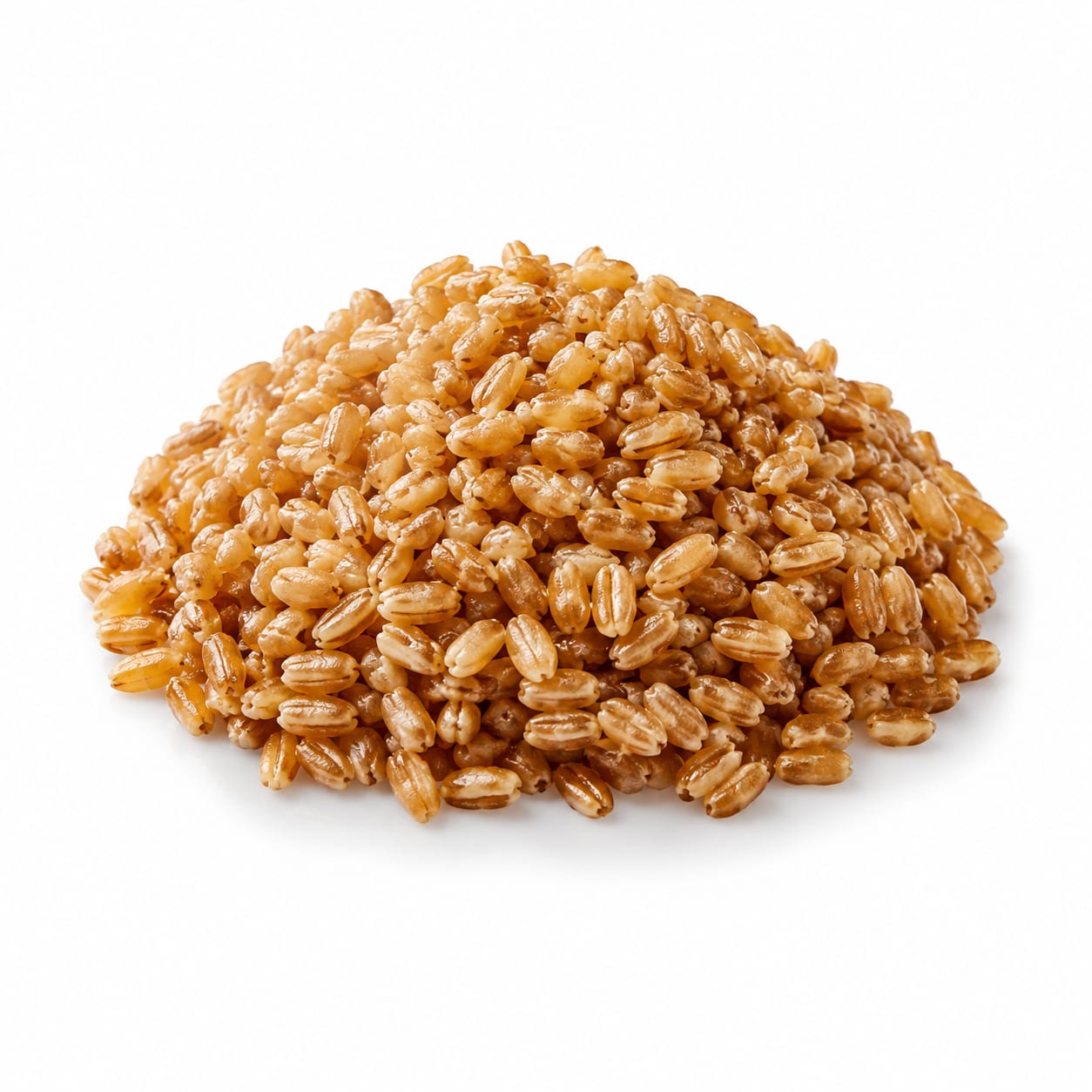
Emmer
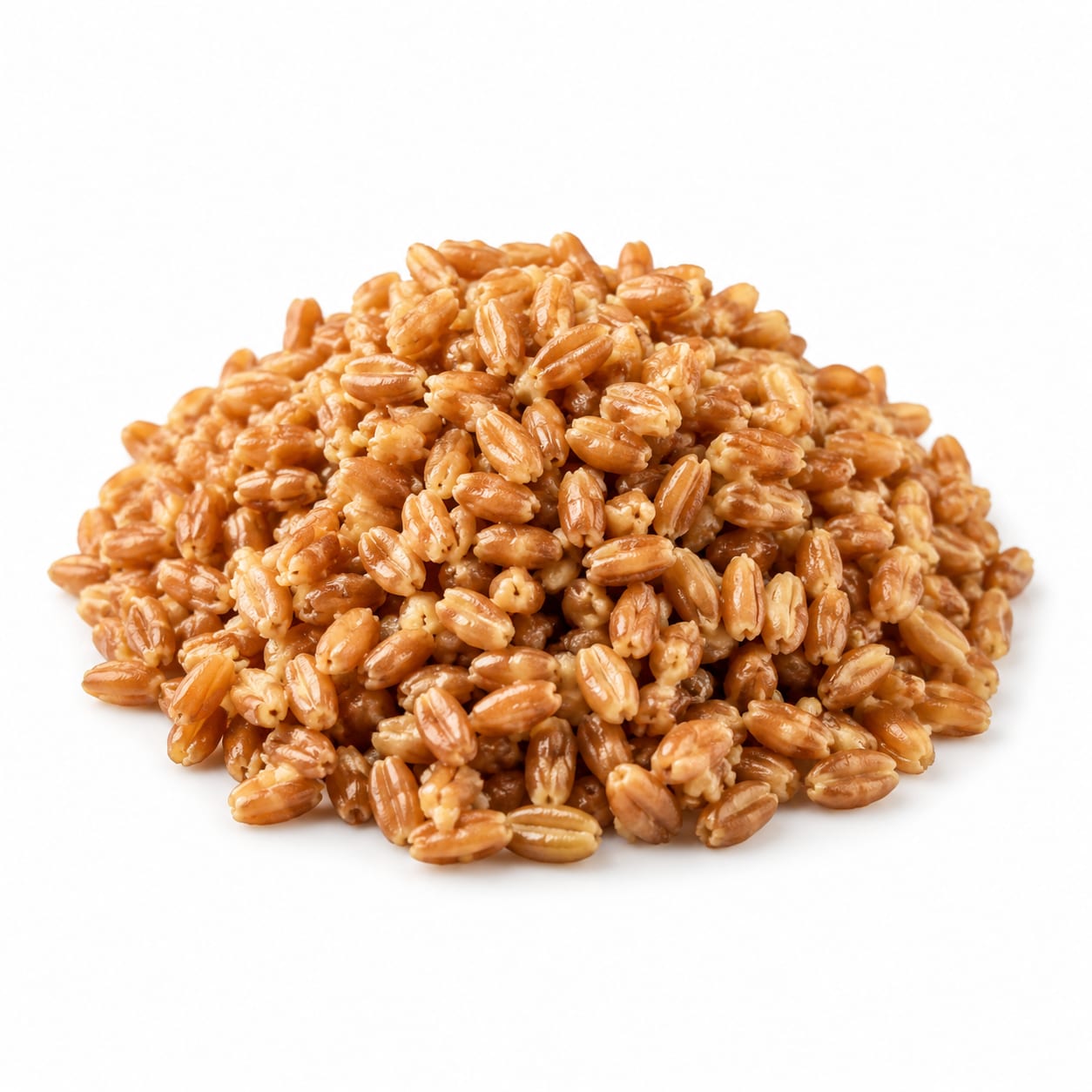
Spelt
Emmer wins on raw nutritional density and fiber, but spelt wins on practicality, availability, and kitchen versatility. Choose emmer for maximum nutrition per bite, spelt for everyday usability.
Spelt edges ahead overall because its nutritional profile is close to emmer while being significantly more practical for daily life. Emmer scores higher on specific health metrics but loses ground on accessibility and versatility.
Emmer delivers more fiber and antioxidants but is harder to find and cook with. Spelt is nearly as nutritious and far more adaptable to daily cooking and baking.
At a glance
Executive summary
Overall
It depends
Healthier
Emmer
More practical
Spelt
Daily use
Spelt
Key comparison lenses
ancient grain nutritional density
Both are ancient wheats prized for superior nutrition over modern wheat, so micronutrient and fiber differences matter most
digestive tolerance and gluten sensitivity
Many people explore ancient grains hoping for easier digestion, making gluten structure and tolerability a key concern
kitchen versatility and availability
Practical cooking matters—spelt flour is widely available for baking while emmer is harder to find and use
blood sugar management
Ancient grains are often chosen as lower-glycemic alternatives to refined grains
sustainability and farming practices
Both grains require fewer inputs than modern wheat, appealing to environmentally conscious consumers
Best choice for
Emmer
- Maximizing fiber and antioxidant intake
- Low-glycemic grain bowls and side dishes
- Exploring heritage and heirloom ingredients
- Nutrient-dense porridge or risotto-style dishes
Spelt
- Everyday baking with an ancient grain
- Accessible whole-grain nutrition without specialty shopping
- Making pasta, bread, or pancakes at home
- Families wanting an easy swap from modern wheat
Least suitable for
Emmer
- Celiacs or anyone with gluten sensitivity—emmer still contains gluten
- Busy home cooks needing quick weeknight solutions
- Budget-conscious shoppers (emmer is often pricier)
Spelt
- Celiacs or those with wheat allergies—spelt gluten is still gluten
- People seeking the absolute highest fiber ancient grain option
- Anyone avoiding all wheat-family grains completely
Deep comparison
Dimension by dimension
Each lens scores both foods and breaks down who each option suits.
- Dimension 1 · Priority 95Emmer
fiber and digestive health
Emmer · 88Spelt · 78Emmer typically delivers more fiber per serving, supporting steadier digestion and longer-lasting fullness.
Tradeoff
The fiber advantage is real but modest—roughly 2-3g more per cup cooked. Spelt still outperforms modern wheat by a comfortable margin.
Why it matters
Higher fiber means slower sugar absorption, better gut health, and less between-meal hunger.
Real-world impact
A bowl of emmer porridge keeps you satisfied longer than the same portion of spelt, but both beat regular wheat handily.
Emmer
- Sluggish digestion or irregularity
- Sustained energy without afternoon crashes
- Feeling full on smaller portions
Better for
- Sudden fiber increase can cause bloating if you're not used to it
Worse for
Spelt
- Mild fiber needs without dramatic dietary shifts
- Transitioning from refined grains gradually
Better for
- Not the top pick if maximizing fiber is your primary goal
Worse for
- Dimension 2 · Priority 85Spelt
protein quality and content
Emmer · 79Spelt · 84Spelt generally contains slightly more protein per serving, though both grains offer respectable amounts compared to modern wheat.
Tradeoff
The protein difference is small—about 1-2g per cup cooked. Neither rivals legumes or animal sources for protein density.
Why it matters
More protein per serving helps with satiety and muscle maintenance, especially in plant-forward diets.
Real-world impact
Spelt pasta or bread gives a slight protein edge over emmer versions, which can add up across meals.
Emmer
- Plant-based eaters wanting diverse protein sources
Better for
- Not the most protein-efficient grain choice available
Worse for
Spelt
- Athletes needing slightly more protein from grain sources
- Vegetarians counting protein across the day
Better for
- Protein advantage is modest and shouldn't be the sole reason to choose it
Worse for
- Dimension 3 · Priority 90Emmer
micronutrient density
Emmer · 86Spelt · 79Emmer retains more minerals like magnesium, zinc, and iron, plus higher levels of antioxidants including polyphenols and carotenoids.
Tradeoff
The mineral advantage shrinks if emmer is pearled rather than whole. Always check that you're buying whole emmer.
Why it matters
Higher antioxidant and mineral content supports immune function, energy production, and long-term disease protection.
Real-world impact
Choosing whole emmer over spelt is like choosing the darker leafy green—more protective compounds per bite.
Emmer
- Long-term health optimization
- Boosting mineral intake without supplements
- Anti-inflammatory eating patterns
Better for
- Nutritional edge disappears with pearled or semi-refined emmer
Worse for
Spelt
- Adequate nutrition without seeking specialty products
Better for
- Slightly fewer protective antioxidants per serving compared to emmer
Worse for
- Dimension 4 · Priority 82Emmer
blood sugar stability
Emmer · 83Spelt · 77Emmer's higher fiber and denser structure lead to a slightly lower glycemic response, making it gentler on blood sugar.
Tradeoff
Both grains have moderate GI values far below white flour. The difference matters most for people actively managing diabetes or insulin resistance.
Why it matters
Steadier blood sugar means fewer energy spikes and crashes, reduced cravings, and better metabolic health over time.
Real-world impact
An emmer grain bowl causes less of a post-meal sugar rise than spelt, but both are vastly superior to pasta or white rice.
Emmer
- Prediabetes or insulin resistance management
- Steady energy through long workdays
Better for
- Still a carbohydrate-rich food—portion control matters regardless
Worse for
Spelt
- General healthy eating where moderate GI is sufficient
Better for
- Slightly faster blood sugar rise compared to emmer in equivalent portions
Worse for
- Dimension 5 · Priority 88Spelt
kitchen versatility and availability
Emmer · 55Spelt · 85Spelt is widely available as flour, flakes, and whole berries, making it easy to bake, cook, and substitute in everyday recipes. Emmer is harder to source and mostly sold as whole berries.
Tradeoff
Emmer's limited forms restrict you to grain bowls, porridge, and risotto-style dishes. Spelt opens up baking, pancakes, pasta, and more.
Why it matters
The healthiest grain only helps if you actually eat it regularly. Accessibility drives consistency.
Real-world impact
You can find spelt flour at most health food stores and bake with it this weekend. Emmer may require online ordering and only works in boiled-grain dishes.
Emmer
- Slow-cooked grain bowls and hearty stews
- Adventurous cooks exploring traditional recipes
Better for
- Very limited baking applications
- Hard to find in typical grocery stores
Worse for
Spelt
- Home bakers wanting an ancient grain flour
- Families needing easy weeknight grain options
- Anyone wanting to replace wheat flour with minimal recipe changes
Better for
- Less of a unique culinary experience compared to emmer
Worse for
- Dimension 6 · Priority 80It depends
gluten and digestibility
Emmer · 72Spelt · 72Both contain gluten and are unsafe for celiacs. Some people with mild wheat sensitivity report better tolerance of ancient grains, but this is highly individual and not well-established scientifically.
Tradeoff
Neither grain is a safe choice for gluten-free needs. The 'easier to digest' reputation is anecdotal and varies wildly between individuals.
Why it matters
People often assume ancient means gluten-free—it doesn't. Misunderstanding this can trigger serious health issues for celiacs.
Real-world impact
If you have celiac disease, both are off-limits. If you have mild wheat sensitivity, you might tolerate one better than the other, but only personal testing reveals which.
Emmer
- Some people find emmer's simpler gluten structure easier to tolerate
Better for
- Absolutely not safe for celiacs under any circumstances
Worse for
Spelt
- Spelt gluten is slightly more elastic, which some find gentler in baked goods
Better for
- Equally unsafe for celiacs—no ancient wheat is gluten-free
Worse for
Timeline
Health impact over time
Short-term
Hours to days
Emmer
- Sustained energy from slow-digesting complex carbohydrates
- High fiber may cause temporary bloating if transitioning from low-fiber diet
- Feeling comfortably full for hours after a moderate portion
Spelt
- Steady energy with slightly faster digestion than emmer
- Easier to incorporate into meals you already enjoy, improving diet consistency
- Mild fullness that doesn't feel heavy or overly filling
Long-term
Months to years
Emmer
- Superior antioxidant intake may reduce chronic disease risk over decades
- Consistent high fiber supports gut microbiome diversity and bowel regularity
- Mineral density contributes to stronger bones and improved immune resilience
Spelt
- Practical enough to sustain as a daily grain, leading to better long-term adherence
- Solid fiber and protein intake supports healthy weight maintenance
- More likely to replace refined grains consistently, compounding health benefits over time
Risk profile
Safety & processing
Both emmer and spelt are whole ancient grains with minimal processing when purchased as whole berries. Watch out for pearled or semi-pearled versions, which strip away the bran and reduce fiber significantly. Spelt flour is more processed than whole spelt berries but still far less refined than white flour.
Emmer
Gluten exposure for celiacs
highEmmer contains gluten proteins that trigger autoimmune responses in people with celiac disease. No amount is safe for this population.
Misleading 'ancient grain' health halo
mediumMarketing can imply emmer is gluten-free or universally healthier, leading to dangerous dietary choices for sensitive individuals.
Phytic acid reducing mineral absorption
lowLike all whole grains, emmer contains phytic acid which can bind minerals. Soaking or sprouting reduces this significantly.
Spelt
Gluten exposure for celiacs
highSpelt gluten is chemically different from modern wheat gluten but still triggers celiac reactions. Not safe for gluten-free diets.
Cross-contamination in processing facilities
mediumSpelt is often processed alongside modern wheat, creating contamination risk for those with severe wheat allergies.
Phytic acid reducing mineral absorption
lowStandard for whole grains. Soaking spelt berries overnight before cooking improves mineral bioavailability.
Who wins for whom
Audience fit
Same foods, different winners depending on your goal.
children
SpeltSpelt's milder flavor and versatility in familiar foods like pancakes and pasta makes it far easier to introduce to kids.
daily consumption
SpeltSpelt's balance of strong nutrition and everyday practicality makes it the more sustainable daily choice for most people.
diabetes
EmmerEmmer's lower glycemic impact and higher fiber create a gentler blood sugar response, which matters for glucose management.
elderly
SpeltSpelt is easier to cook into soft, digestible dishes and its wider availability ensures consistent access for older adults.
muscle gain
SpeltSpelt's slightly higher protein content and easier integration into higher-calorie meals makes it more practical for building muscle.
weight loss
EmmerEmmer's higher fiber content promotes greater satiety per calorie, helping with portion control and reducing between-meal snacking.
Your move
Decision guide
Choose Emmer
- You want maximum nutritional payoff per serving and don't mind specialty shopping
- Blood sugar management is a top health priority for you
- You enjoy slow-cooked grain bowls, porridge, and risotto-style dishes
- Antioxidant density and anti-inflammatory eating are your primary goals
Choose Spelt
- You want an ancient grain that fits seamlessly into your current cooking routine
- Baking with a healthier flour matters more to you than raw nutritional metrics
- You need something the whole family will actually eat without complaint
- Consistency and convenience drive your food choices more than optimization
Either works if
- You're simply replacing refined grains with whole ancient grains—both are excellent upgrades
- You have no gluten sensitivity or celiac concerns
- You enjoy experimenting with different whole grains in your meals
Avoid both if
- You have celiac disease—both contain gluten and are unsafe
- You have a confirmed wheat allergy that extends to ancient wheat species
- You're following a strict gluten-free diet for any medical reason
Final recommendation
For most people, spelt is the smarter daily choice because it delivers nearly the same nutritional benefits as emmer while being dramatically easier to find, cook with, and feed to a family. Choose emmer when nutritional density is your absolute priority and you're willing to seek it out and cook it properly. Either way, both are substantial upgrades over modern refined wheat.
Practical
Consumer tips
- 1
Always buy whole or hulled versions—pearled ancient grains lose much of their fiber and mineral advantage
- 2
Soak both emmer and spelt berries overnight to reduce cooking time and improve mineral absorption
- 3
If trying spelt flour in baking, start by replacing only half the wheat flour—spelt behaves differently with liquids
- 4
Store whole berries in airtight containers in a cool, dark place—they last over a year; flour lasts about 3-6 months
- 5
Look for 'whole grain spelt flour' specifically—refined spelt flour exists and loses the key health benefits
- 6
If you have mild wheat sensitivity, test each grain separately—tolerance varies individually between emmer and spelt